Quebec City
"Walking through Old Quebec feels like stepping into a painting of 17th-century France."
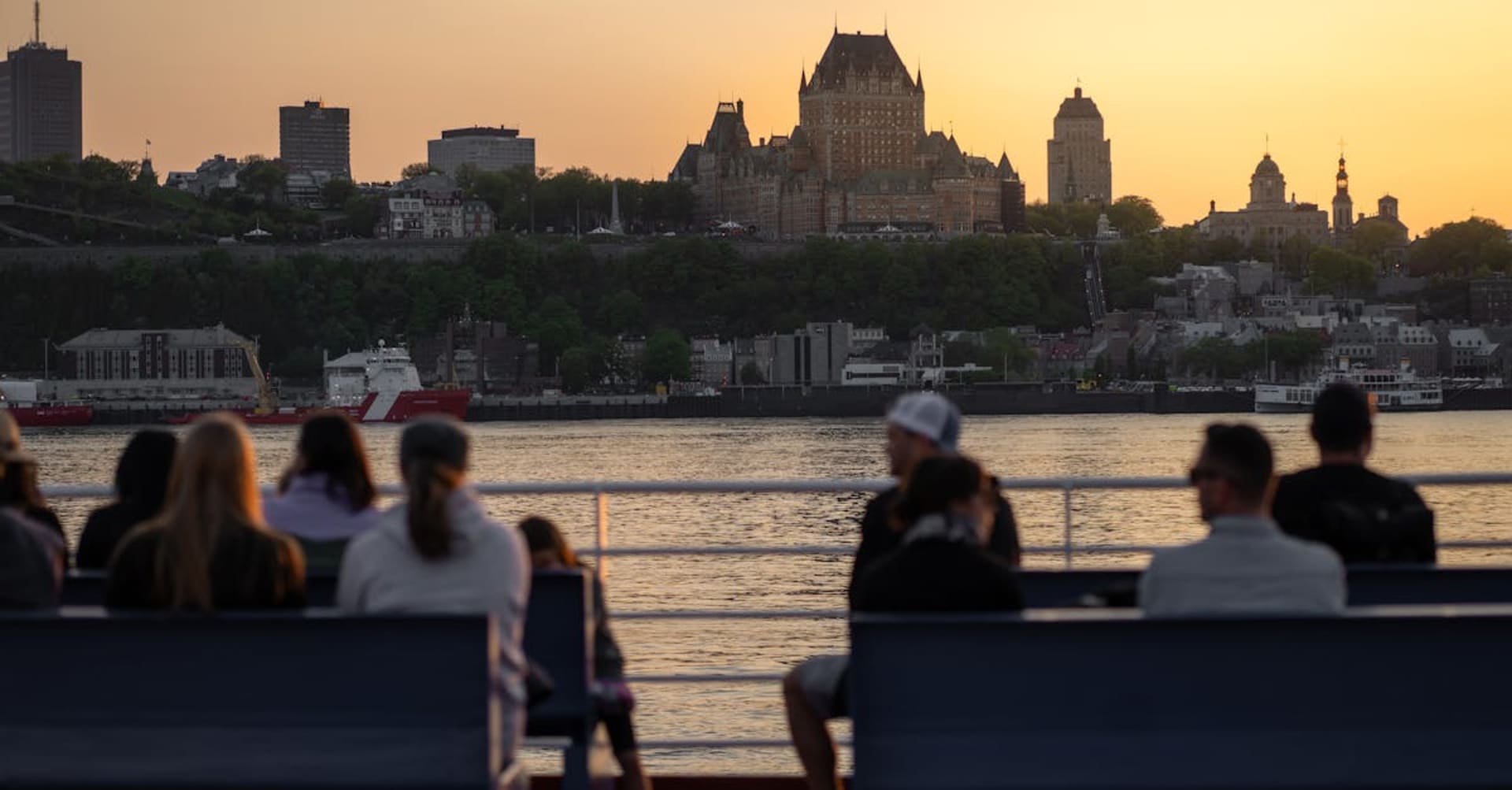
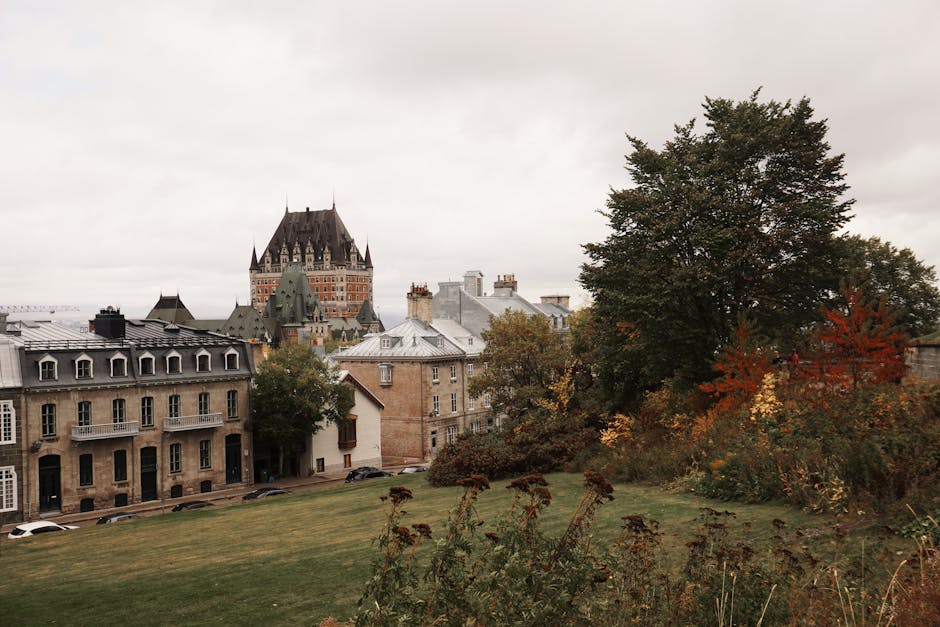
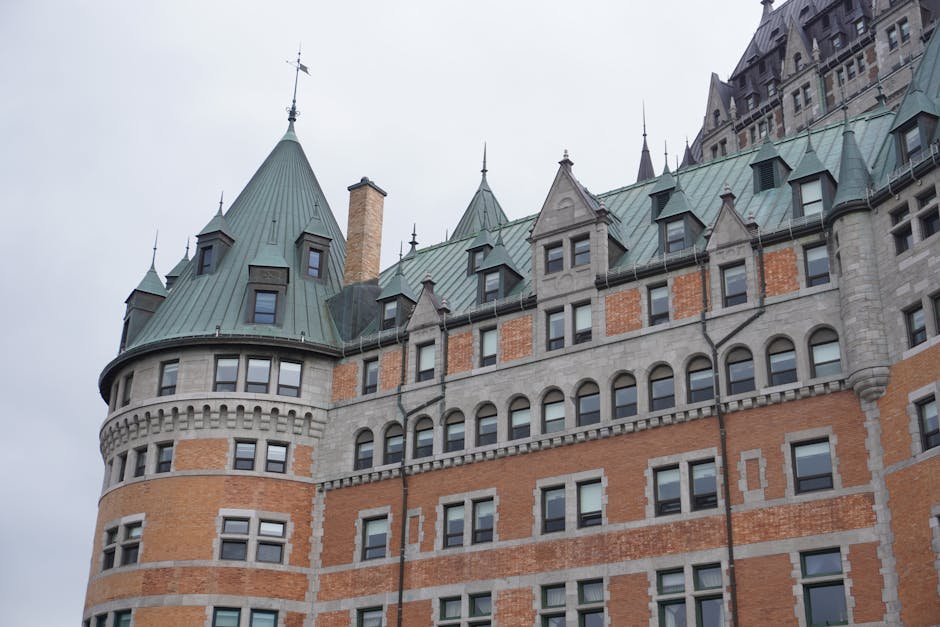
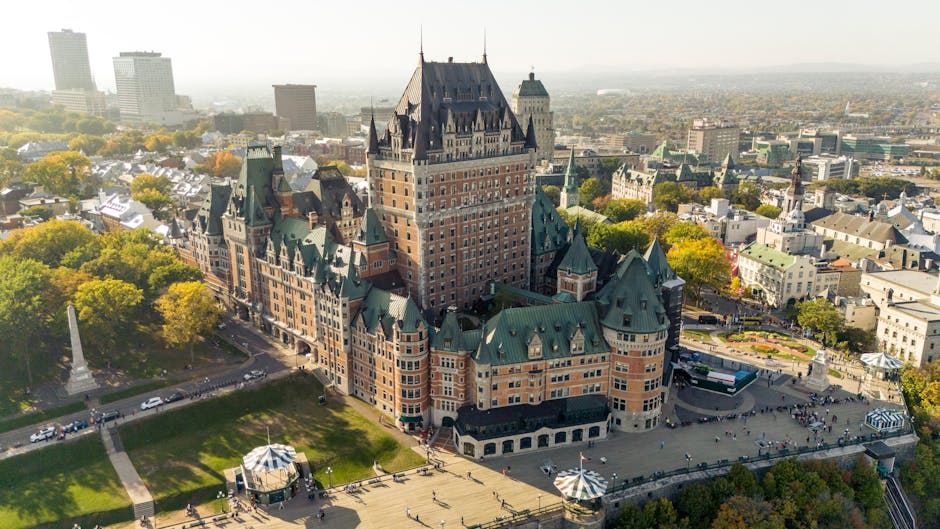
Quebec City is the closest thing to Europe on this continent, and I do not say this lightly. I grew up in France, I know what cobblestones and stone facades are supposed to feel like, and walking through the streets of Old Quebec — the only walled city north of Mexico — I felt a disorientation that was genuinely pleasant, as if someone had lifted a quartier from Brittany and set it down on the banks of the St. Lawrence River. The Chateau Frontenac, that absurd and magnificent copper-roofed castle perched above the river, dominates the skyline with the confidence of a building that knows it is the most photographed hotel in the world and sees no reason for modesty.
The walled Old Town is a UNESCO World Heritage Site, and within those walls the city compresses four centuries of history into a few walkable blocks. Petit-Champlain, one of the oldest commercial streets in North America, is lined with boutiques and bistros that feel transported from a French village — except the accents are Quebecois, rounder and more musical than metropolitan French, and the shop signs carry a defiance that is uniquely North American in its insistence on surviving.
Beyond the Walls
Beyond the walls, the city offers considerably more than nostalgia. The Plains of Abraham — where the British defeated the French in 1759, changing the course of North American history in fifteen minutes of combat — now provide a vast urban park with river views and summer concerts. Montmorency Falls, taller than Niagara by thirty metres, thunders just minutes from downtown and can be crossed by a suspension bridge that is not for the faint of heart. In winter, the falls freeze into an enormous ice cone that climbers scale with axes and crampons, a spectacle so Canadian it feels like performance art.
The food leans proudly French-Canadian, and this is a cuisine that deserves far more international attention than it receives. Tourtiere — the meat pie that every grandmother makes differently and every version is the correct one — is winter comfort food at its most elemental. Cretons, a spiced pork spread on toast, accompanies every proper breakfast. Sugar pie, the dessert that proves Quebec understood caramel long before anyone started putting salt on it, appears on every dessert menu and half the brunch menus too. But the city also boasts some of the finest French cuisine outside of France itself — Chez Muffy, Initiale, Legende — restaurants that take Quebecois ingredients and apply a French technique that feels like a conversation between the Old World and the New.
The Winter City
Quebec City in winter is a revelation. Where most North American cities treat cold as an enemy to be defeated with heated parking garages and climate-controlled malls, Quebec embraces it with an enthusiasm that borders on devotion. The Winter Carnival, running since 1894, transforms the city into a frozen wonderland — ice palaces, night parades, canoe races on the ice-choked St. Lawrence, and Bonhomme, the snowman mascot who presides over the festivities with a joviality that is infectious even at minus twenty-five. The toboggan run on the Dufferin Terrace, beside the Chateau Frontenac, has been operating since 1884 and remains the most exhilarating sixty seconds you can have in a Canadian winter.
The ice hotel — Hotel de Glace — is rebuilt from scratch every January using 500 tonnes of ice and 30,000 tonnes of snow. Sleeping in a room made entirely of ice, on a bed of ice covered in furs, drinking from an ice glass at the ice bar, is the kind of experience that sounds like a gimmick and turns out to be genuinely memorable.
When to go: Late June through August for warm days and festivals. Winter Carnival in February transforms the city into a frozen wonderland — dress warmly. September and October offer spectacular fall colour along the St. Lawrence.