Jasper
"Jasper is where the Rockies stop posing for postcards and just let the wilderness speak."
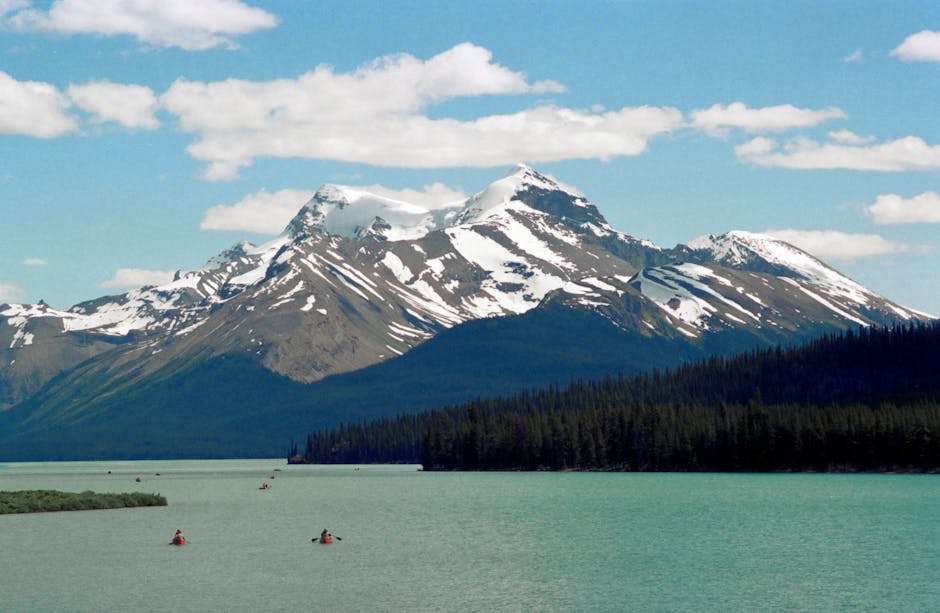
Jasper National Park is Banff’s wilder, less-visited sibling, and the difference is palpable the moment you cross the park boundary. Where Banff can feel like a well-curated outdoor museum, Jasper feels like the wilderness simply tolerating your presence. The park covers over 4,000 square miles of mountain terrain, making it the largest national park in the Canadian Rockies, and much of it remains genuinely remote — backcountry that sees more grizzlies than hikers in any given week.
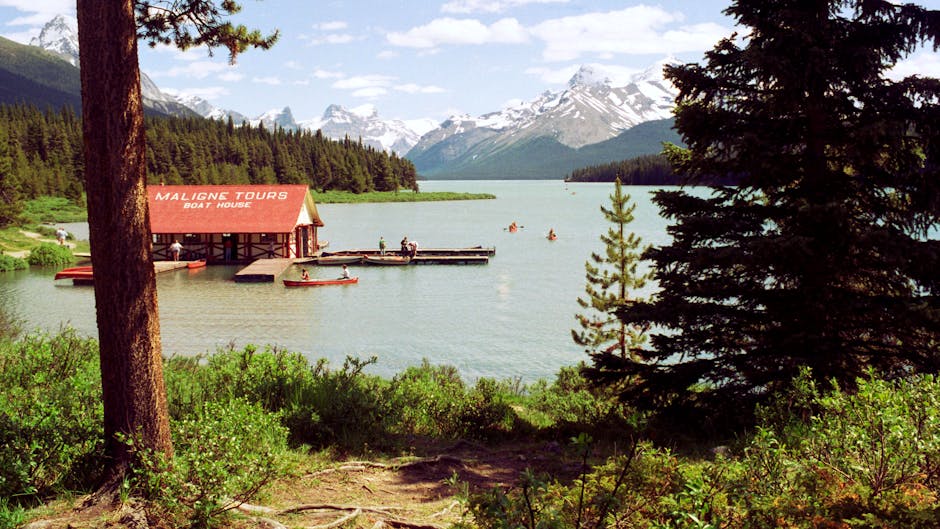
Maligne Lake’s Spirit Island is one of Canada’s most photographed scenes, and arriving by boat across that impossibly blue water, the tiny island of fir trees framed by glaciated peaks on every side, you understand why. But the lake is only one chapter. Maligne Canyon, especially in winter when you can walk on the frozen canyon floor between walls of blue ice, is the kind of experience that rewrites your understanding of what cold can do to stone.
The Dark Sky Preserve
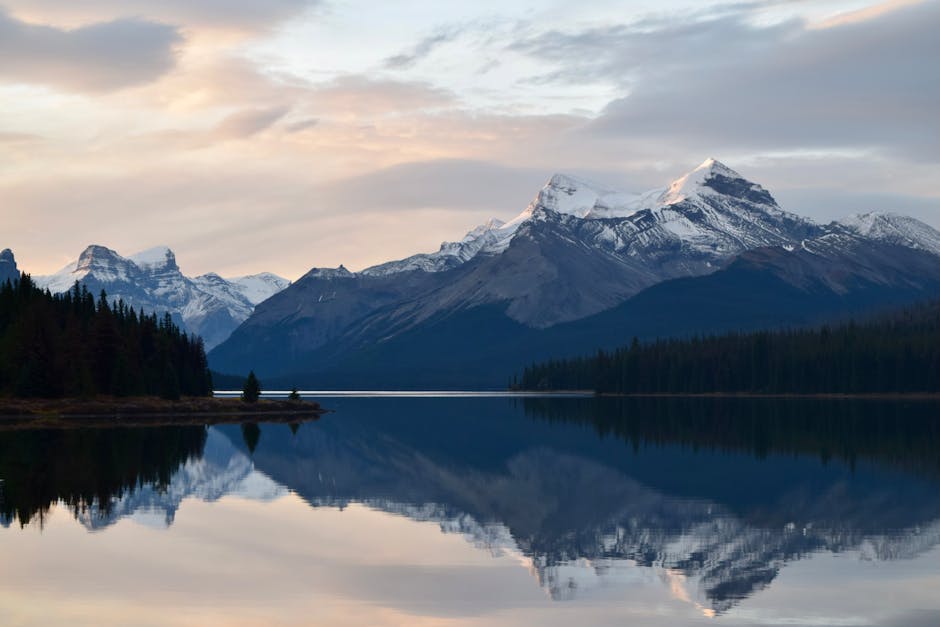
Jasper holds the largest dark sky preserve in the world, and this designation is not ceremonial. On a clear night — and there are many — the Milky Way arcs across the sky with a definition that city dwellers have simply forgotten is possible. I grew up in France where light pollution has erased most of the night sky even in rural areas, and standing on the shore of Pyramid Lake at midnight, watching the galaxy reflect in the water, I felt the kind of smallness that religions are built around. The annual Dark Sky Festival in October draws astronomers and photographers from around the world, but any clear night between August and March will do.
The Columbia Icefield
The Columbia Icefield — one of the largest ice masses south of the Arctic — feeds rivers that flow to three different oceans: the Pacific, the Atlantic, and the Arctic. Standing on the Athabasca Glacier, you are walking on ice that is 300 metres deep in places, ice that fell as snow centuries before anyone thought to name these mountains. The glacier has been retreating — markers along the access road show where the ice stood in 1900, 1950, 1980, each sign further from the current toe, a timeline that tells its own story about what we are doing to the planet.
The Town and Beyond
The town of Jasper is smaller and more relaxed than Banff, with a genuine mountain-town feel that has not been entirely polished by tourism. The Miette Hot Springs offer a soak with a view — the hottest mineral springs in the Canadian Rockies, tucked into a valley that feels almost tropical despite the snow on the surrounding peaks. Wildlife encounters are common enough to feel ordinary and thrilling every time: elk grazing on front lawns, black bears foraging along roadsides, caribou in the high country if you are lucky and patient.
Hiking ranges from easy walks around Patricia and Pyramid Lakes to multi-day backcountry routes through alpine meadows that see wildflower blooms in July and August so dense they look artificial. The Skyline Trail — a 44-kilometre ridgeline traverse above the treeline — is one of the great multi-day hikes in North America, and it is not even the park’s only contender for that title.
When to go: June through September for hiking and wildlife. October for the Dark Sky Festival. Winter offers quieter skiing at Marmot Basin and frozen canyon walks that feel like exploring another planet.