Asia
Vietnam
"The country where every meal is a masterclass in balance."
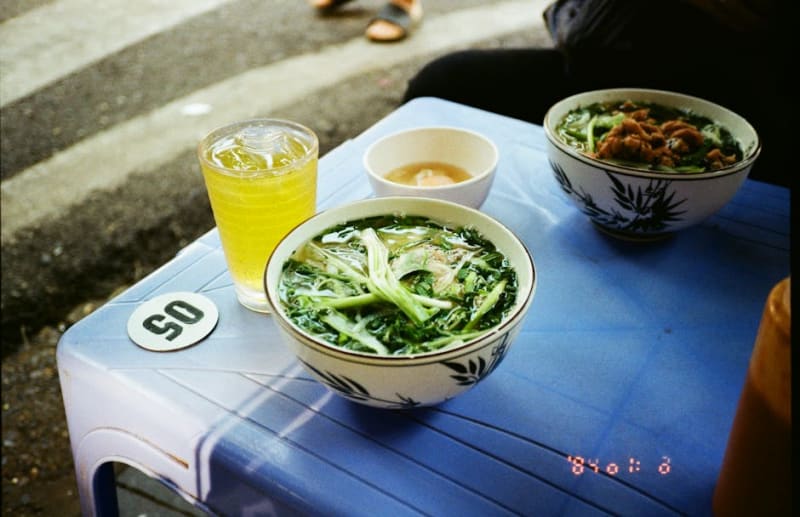
Vietnam is a country shaped like a carrying pole with a basket at each end — Hanoi in the north, Ho Chi Minh City in the south, and a long, thin stretch of coast, mountains, and river deltas connecting them. The geography dictates the experience: you travel it as a line, north to south or south to north, and somewhere in the middle the food changes, the accent shifts, and you realize you have been in two countries all along. The north is broth and subtlety — phở simmered for hours, bún chả grilled over charcoal on tiny stools. The south is sweetness and abundance — broken rice plates, coconut-braised everything, iced coffee thick enough to stand a spoon in.
Crossing the street in Hanoi is the initiation every traveler remembers. The motorbikes do not stop. You step into the current and walk at a steady pace, and the river of traffic parts around you like something out of a nature documentary. It sounds terrifying and becomes normal within a day. That adaptation — the willingness to step into the flow rather than wait for a gap — is the posture Vietnam rewards. The country does not arrange itself for your comfort. It invites you to match its rhythm, and the rhythm is fast, loud, and extraordinarily alive.
When to go: Vietnam’s climate varies drastically by region. The south is warm year-round; visit December to April for dry skies. Central Vietnam (Hoi An, Huế) is best from February to May. The north is coolest from October to December — Hanoi in November is perfect. Avoid the Tết holiday (late January or early February) when much of the country shuts down.
What most guides get wrong: They rush the middle. Everyone does Hanoi and Ho Chi Minh City, but the stretch between — Huế’s imperial ruins, Hoi An’s lantern-lit alleys, the Hải Vân Pass by motorbike — is where Vietnam turns from a good trip into an unforgettable one. Budget more days for the coast than the cities.
Explore
Places in Vietnam
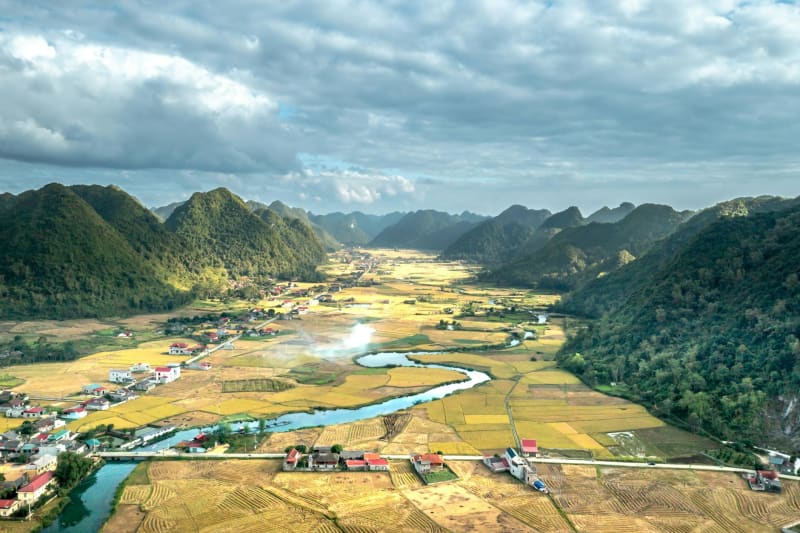
Cao Bang
Vietnam's grandest waterfall tumbles across the Chinese border, flanked by limestone karst jungle.
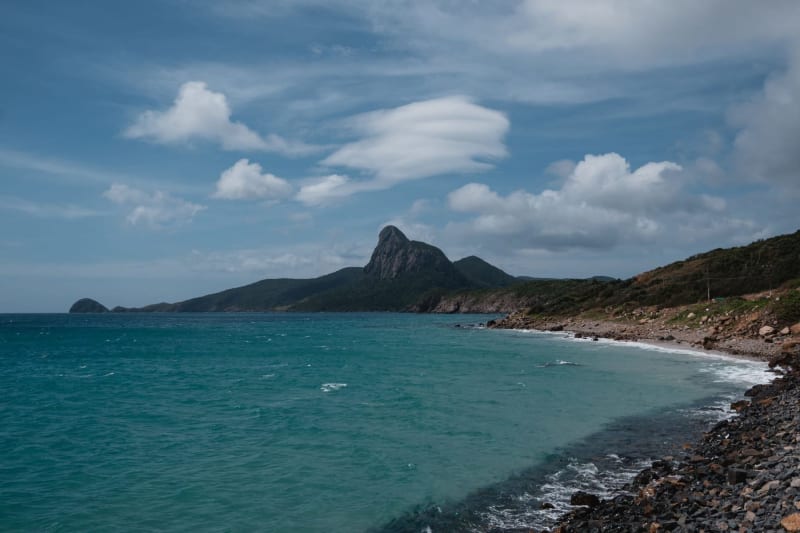
Con Dao
A remote archipelago of white-sand beaches and sea turtle nesting sites off the southern coast.
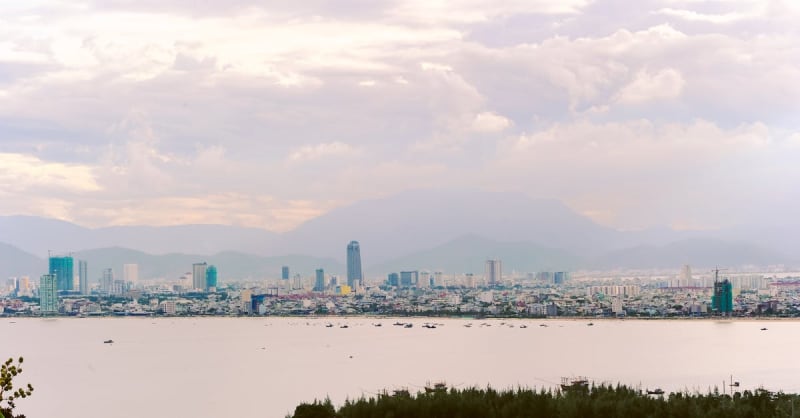
Da Nang
A coastal city reinventing itself with golden bridges, marble mountains, and a beach that stretches beyond what the eye can hold.

Dalat
A hill station in the Central Highlands where pine forests, flower gardens, and French colonial villas create a climate and culture unlike anywhere else in Vietnam.
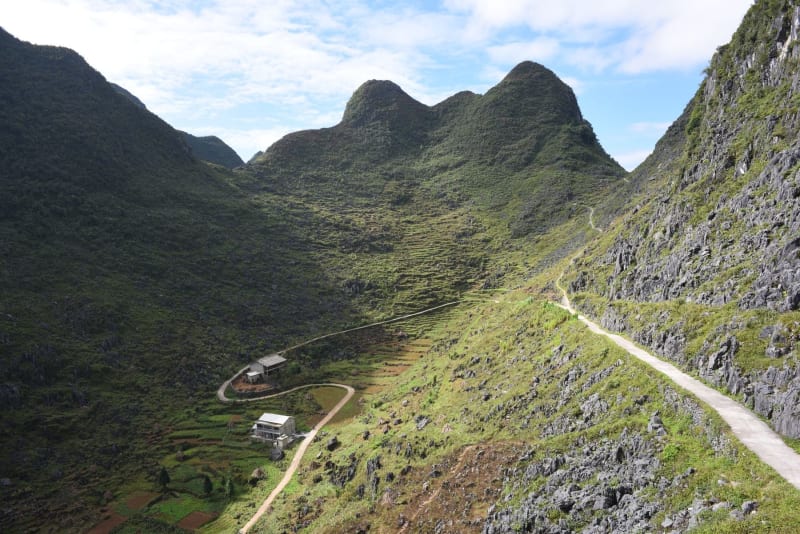
Ha Giang
Vietnam's most dramatic motorbike loop, threading through rocky plateaus and ethnic minority villages.
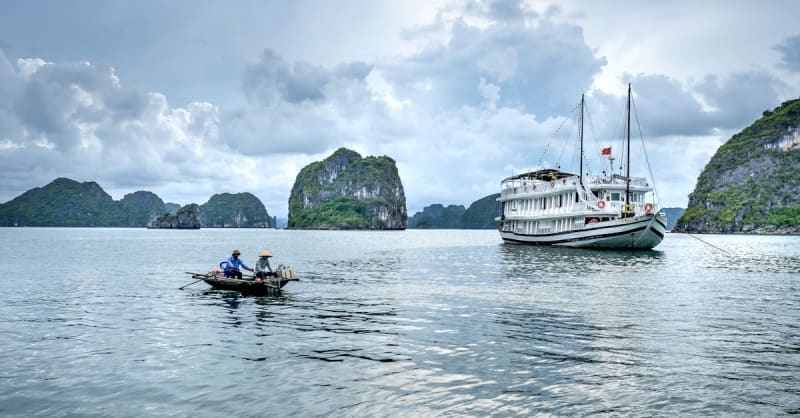
Ha Long Bay
Nearly two thousand limestone islands rising from emerald water, creating a seascape that belongs in a mythology rather than a guidebook.
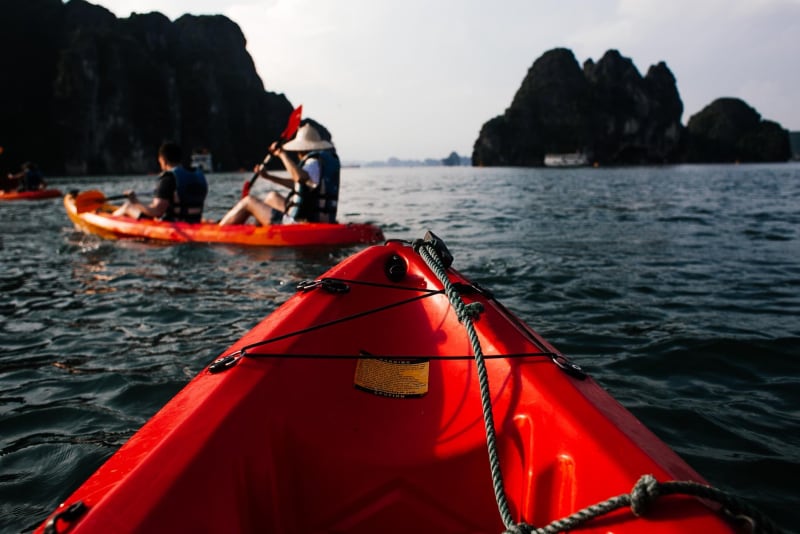
Halong Bay Kayak
Paddle a kayak through hidden lagoons and sea caves accessible only at low tide inside the karst bay.
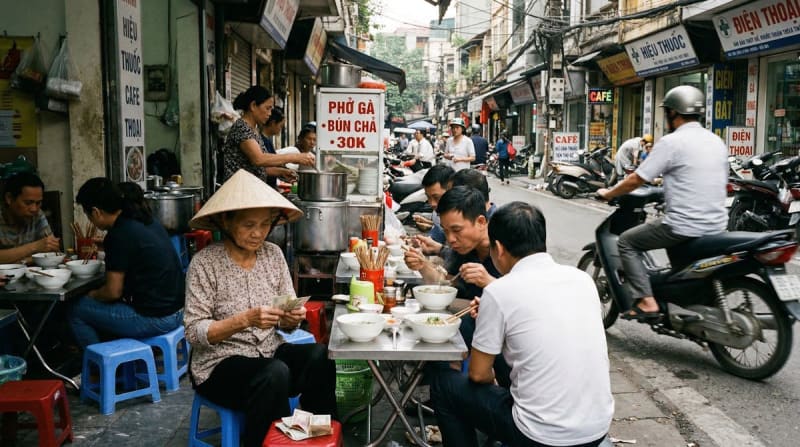
Hanoi
A thousand-year-old capital where motorbikes swarm like starlings and every street corner sells something extraordinary to eat.
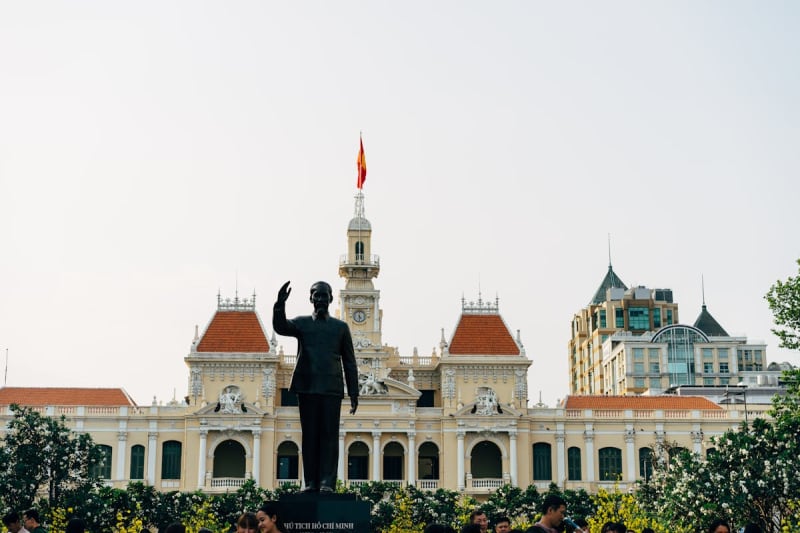
Ho Chi Minh City
The electric southern capital where French colonial elegance collides with the relentless forward motion of modern Vietnam.

Hoi An
A lantern-lit ancient town where tailors work magic overnight and the riverside glows amber after dark.
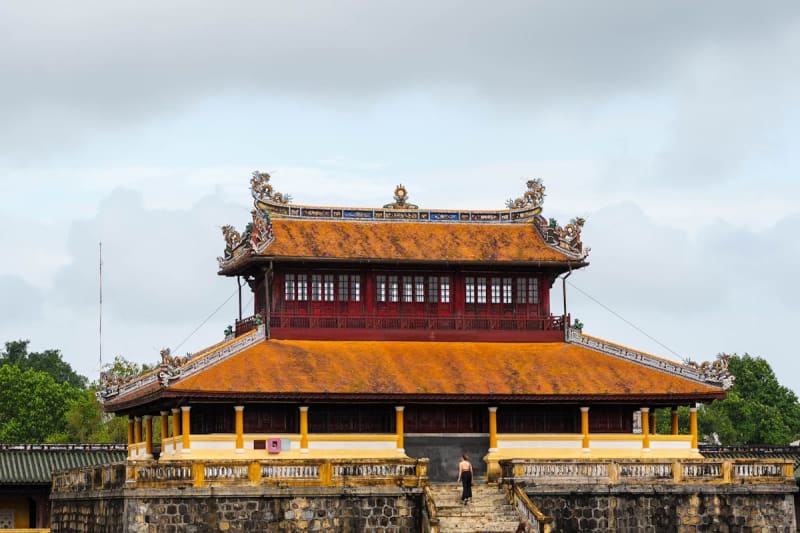
Hue
The former imperial capital where a walled citadel, royal tombs, and the best food in Vietnam converge along the Perfume River.
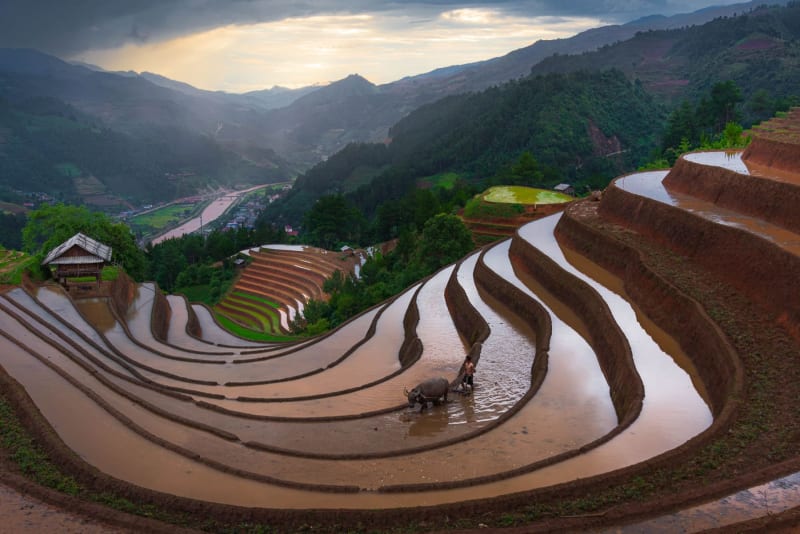
Mu Cang Chai
Stacked golden rice terraces carved into steep mountainsides by Hmong farmers over centuries.

Mui Ne
A fishing town on the south-central coast where orange and white sand dunes roll inland from the sea, and the wind never seems to stop blowing.
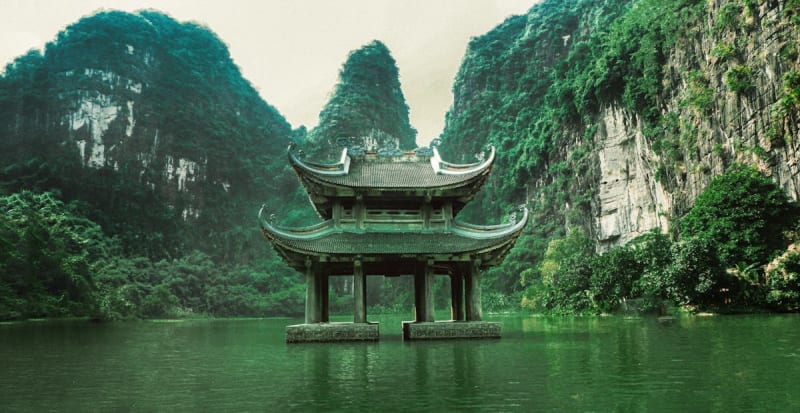
Ninh Binh
A land of flooded rice paddies and limestone towers where sampan boats glide through caves and the scenery defies description.
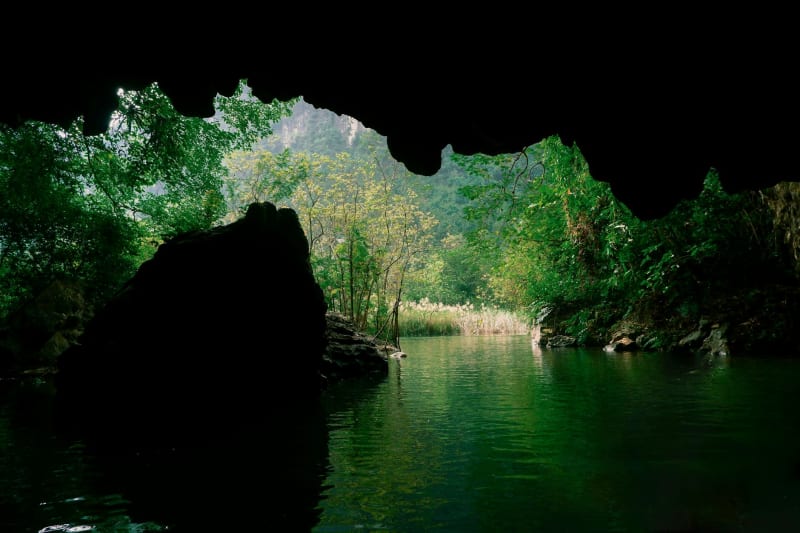
Phong Nha
The world's largest cave system hidden inside jungle karst, still only partially explored.

Phu Quoc
A tropical island in the Gulf of Thailand where fish sauce factories sit beside five-star resorts and the sunsets melt into the sea.
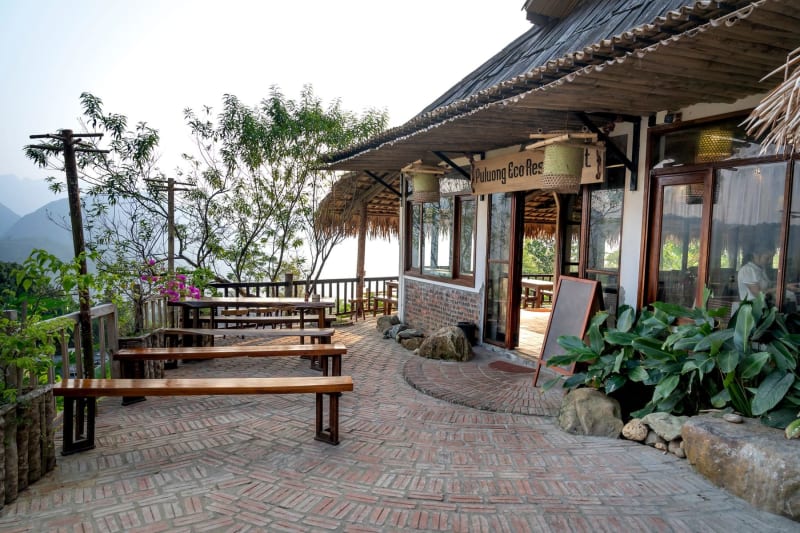
Pu Luong
Terraced valleys and Thai minority stilt villages northwest of Hanoi, still untouched by the Sapa crowds.

Sapa
Terraced rice paddies cascading down misty mountains in the far north, where Hmong and Dao villages cling to the clouds.
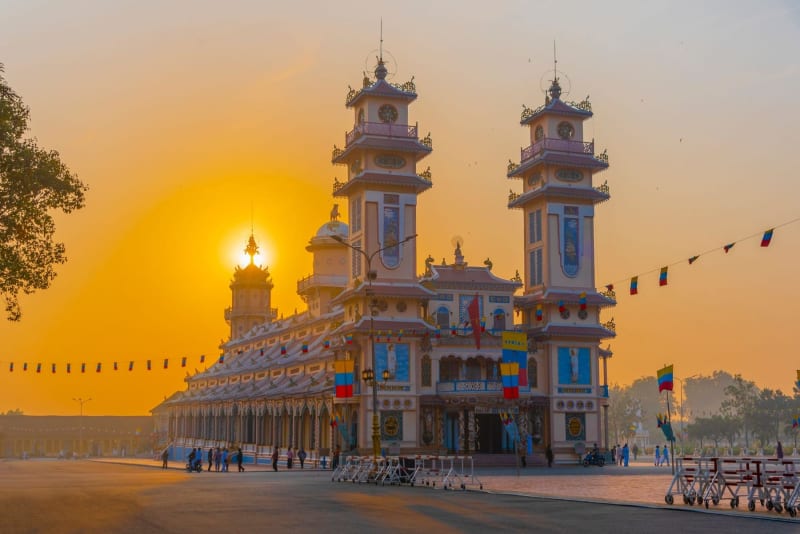
Ninh Binh Tam Coc
Limestone karsts rising from flooded rice paddies south of Hanoi, best explored by rowing boat through cave tunnels.
Free download
Get the Vietnam Guide
A curated PDF itinerary with honest picks, real restaurants, and the details that matter — the kind you'd actually print and bring.
Download the guide