Da Nang
"The city Vietnam is building for its future -- and it already looks extraordinary."
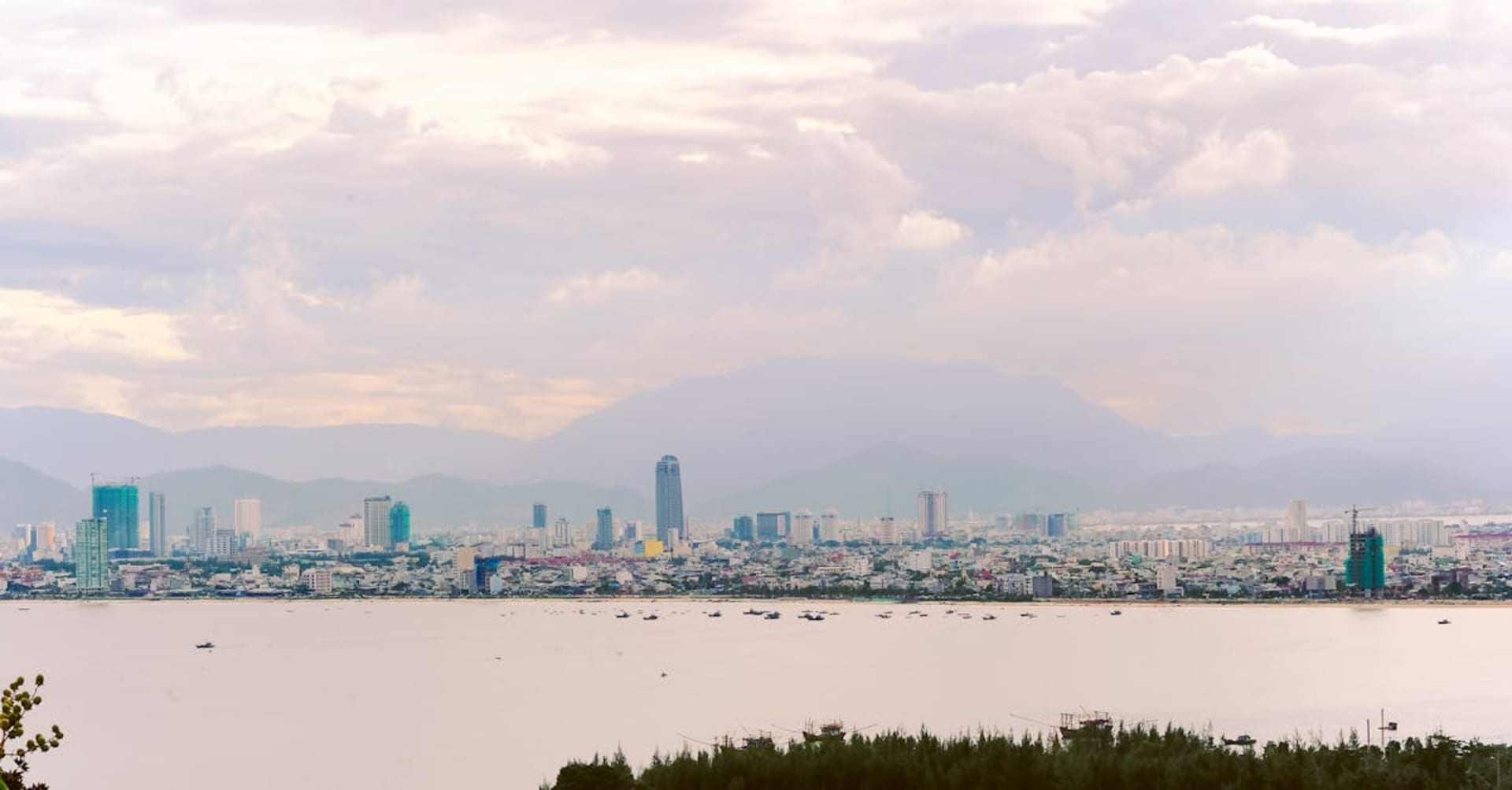
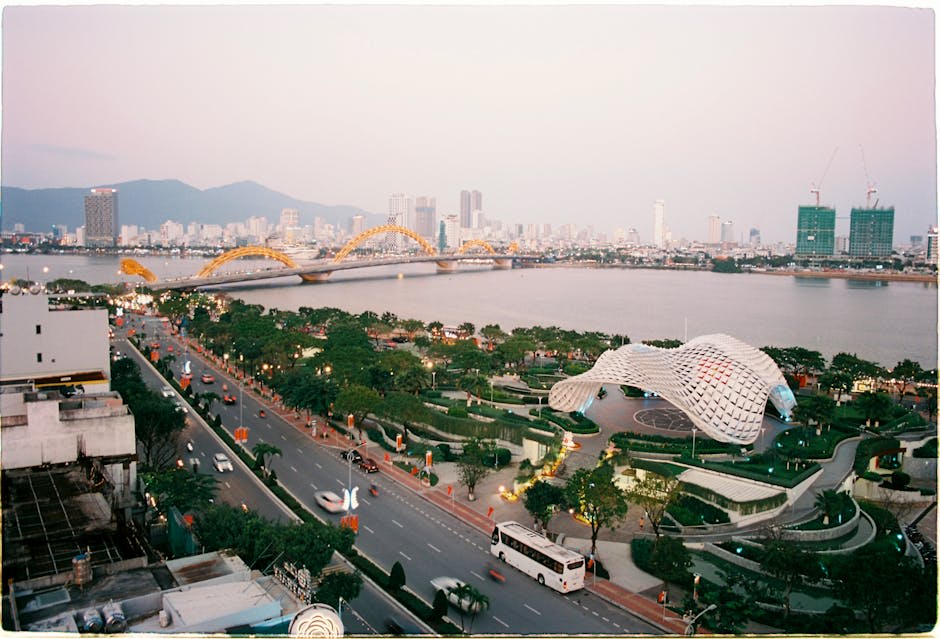
Da Nang is the new Vietnam. Where Hanoi is history and Saigon is hustle, Da Nang is ambition made physical — a city of bridges that light up in colour at night, a beachfront that runs for thirty unbroken kilometres, and a skyline that seems to add a new tower every month. The Han River divides the city, and each bridge that crosses it is more dramatic than the last — the Dragon Bridge breathes fire on weekends, which is the kind of civic planning only Vietnam would attempt.
The Bridges and the Beach
I arrived in Da Nang at dusk and crossed the Dragon Bridge on foot as it erupted in LED colour — gold, then green, then blue, the entire six-hundred-metre span transforming itself into a light show while motorbikes streamed past and families gathered on the riverbank to watch. On Saturday and Sunday nights, the dragon head actually breathes fire and water, a spectacle so gloriously excessive that it could only happen in a country where the line between infrastructure and entertainment has been permanently erased. My Khe Beach is the centrepiece, wide and golden and surprisingly uncrowded for a city beach — I went at six in the morning and shared it with surfers, fishermen pulling in their nets, and a few joggers who had the look of people who could not believe their luck at living here.
The Marble Mountains
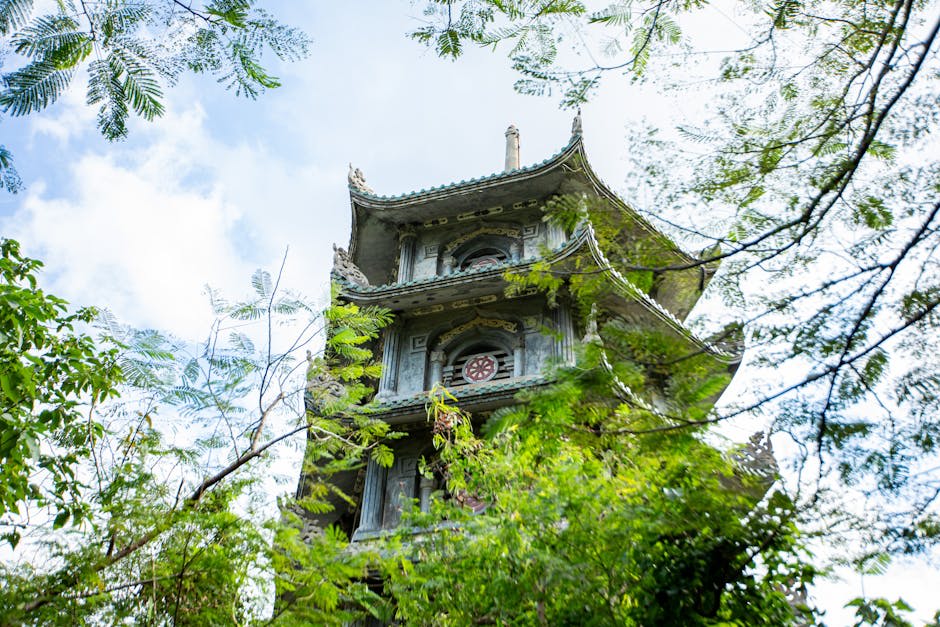
The Marble Mountains — five limestone hills named for the elements — are the kind of place that rewards the visitor who lingers. Most tour groups spend forty-five minutes, climb the main staircase, glance at the cave temple, and leave. I spent half a day, exploring the secondary caves where incense smoke drifts through shafts of sunlight, climbing to viewpoints where the coast stretches south toward Hoi An in a haze of blue, and finding a Buddhist shrine hidden inside a cavern so large that the chanting echoed for seconds before fading into silence. The Vietnamese relationship with these mountains is not touristic — it is devotional. People come to pray, to light incense, to sit in the caves and meditate. The tourist infrastructure exists alongside the sacred function, and neither one diminishes the other.
The Seafood
Ba Na Hills, the mountaintop resort reached by cable car, is home to the Golden Bridge, held aloft by giant stone hands that have become one of the most photographed structures in Asia. It is unapologetically theatrical, and I loved it. But the real Da Nang happens at sea level, along the beach road where the seafood restaurants line up shoulder to shoulder — grilled clams with peanuts and spring onions, garlic butter prawns the size of your hand, squid stuffed with pork and grilled over charcoal, all washed down with cold Larue beer at prices that feel like a clerical error. I ate until I could not move, paid less than I would for a single appetizer in a mid-range Parisian bistro, and walked home along the beach under a sky so thick with stars it looked like someone had spilled them.
When to go: February to May for dry weather and warm seas. The typhoon season from September to December brings heavy rain and occasional storms.