
Phu Quoc is Vietnam at its most relaxed. The island sits in the Gulf of Thailand, closer to Cambodia than to the Vietnamese mainland, and it has the unhurried feel of a place that knows its geography has given it permission to slow down. Long Beach on the west coast is the main draw — kilometres of sand backed by palm trees and the kind of sunset that makes you reconsider every life choice that keeps you living indoors.
The Beaches
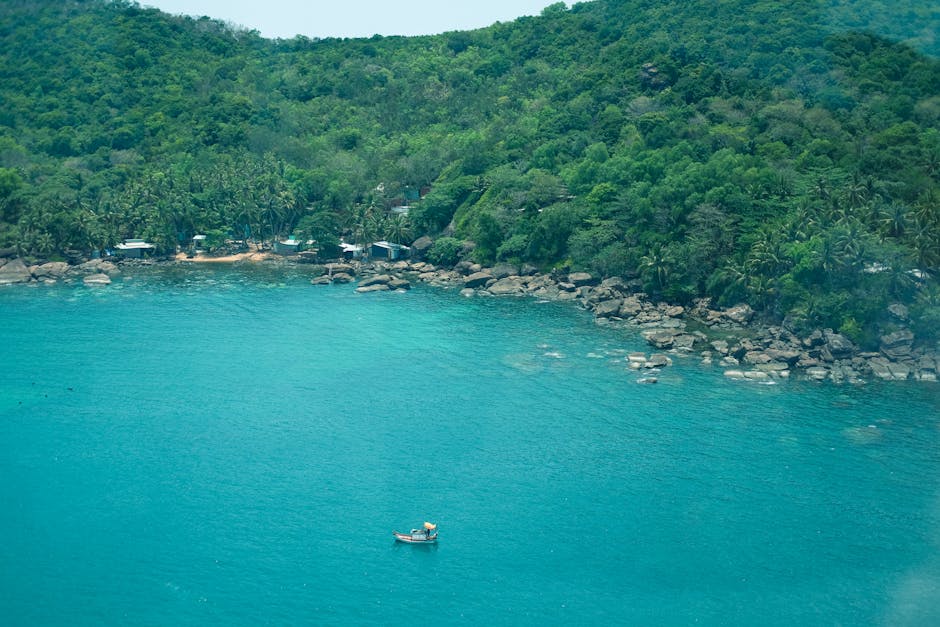
I have a theory about beaches, developed over years of testing it across multiple continents: the best ones are the ones you have to work slightly to reach. Bai Sao on Phu Quoc’s east coast confirms this theory. The road from Duong Dong is rough in places, the signage is minimal, and when you arrive the beach is so white and the water so transparently turquoise that you stand there for a moment wondering if the tourism board has somehow Photoshopped reality. It has not. The sand squeaks underfoot, the water is warm and absurdly clear, and the handful of beach bars serve fresh coconut and grilled squid to a crowd that has nowhere to be and no intention of being anywhere else. Long Beach is more accessible but no less beautiful — I watched the sun set there every evening for four consecutive days, and it never once repeated itself.
The Night Market and the Fish Sauce
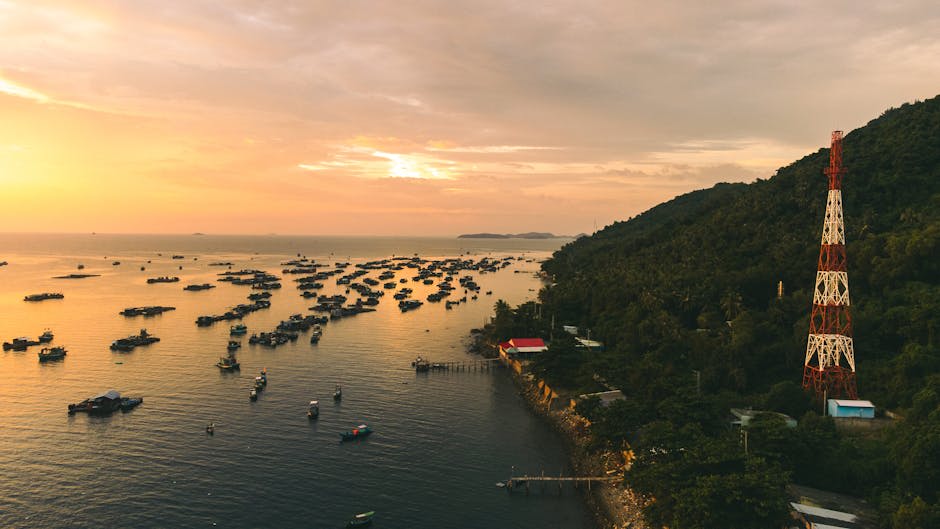
The Dinh Cau Night Market in Duong Dong town is the best place to eat on the island, and one of the best open-air markets I have encountered in Southeast Asia. The setup is simple: rows of stalls selling grilled seafood — scallops, prawns, crab, sea urchin, squid — at prices that would cause a riot in any coastal European town. You point at what you want, they grill it in front of you, and you eat it at communal tables with cold beer and a view of the fishing boats bobbing in the harbour. The island also produces some of the finest fish sauce in Vietnam, and the factories offer tours that are more interesting than they sound. Nuoc mam is the backbone of Vietnamese cuisine — the umami depth in every bowl of pho, every dipping sauce, every braised dish — and watching it being made, vat by enormous vat of fermenting anchovies in a wooden warehouse that smells like the sea concentrated to its essence, gave me a respect for the ingredient that years of cooking with it never had.
The Wild North
The northern half of the island remains largely wild, covered in national park jungle with trails, waterfalls, and a canopy that blocks the sun so completely that noon feels like dusk. I rented a motorbike and spent a day riding the dirt roads through the park, stopping to swim in streams and hike to waterfalls that cascaded into pools where nobody else was swimming. The contrast with the resort-lined southern coast is stark and intentional — Phu Quoc is developing fast, but the national park acts as a brake, preserving a version of the island that will hopefully outlast the construction boom happening at its edges.
When to go: November to March for the driest weather and calmest seas. The wet season peaks in September and October but rarely ruins a trip — showers are heavy but brief.