
Sapa
"The mountains here are stitched with rice paddies that look like stairways to the sky."
Sapa sits at 1,500 metres in the Hoang Lien Son mountains, and the altitude changes everything — the air, the light, the temperature, and the pace. The town itself has grown rapidly, with hotels stacking up along the ridgeline, but step onto any trail leading into the Muong Hoa Valley and the modern world falls away within minutes. The rice terraces here are among the most spectacular on earth, carved into the mountainsides over centuries by Hmong, Dao, and Tay communities who still farm them by hand.
The Terraces
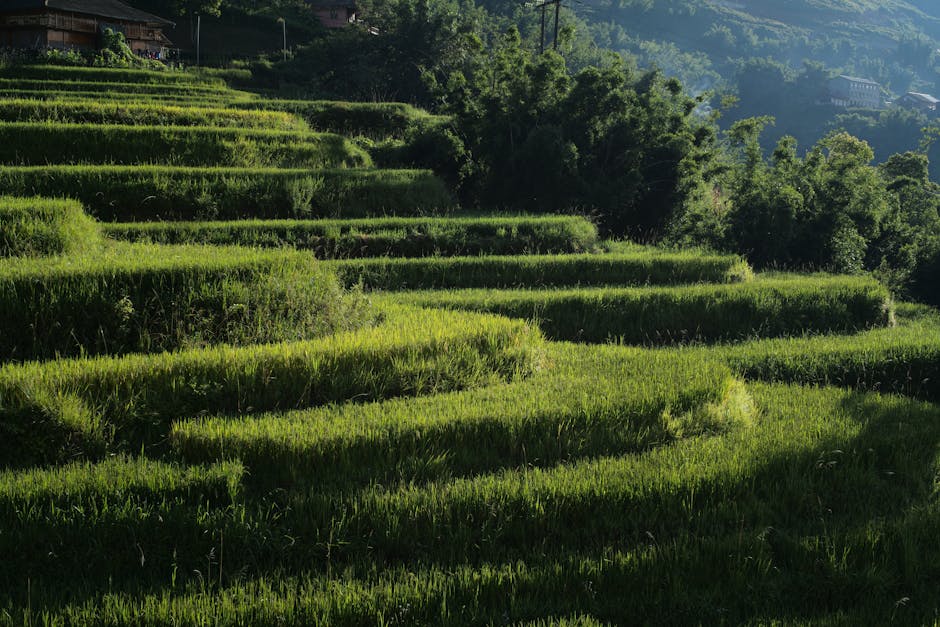
I have seen rice terraces in Bali, in the Philippines, in Yunnan. Sapa’s are different. It is the scale, partly — the Muong Hoa Valley is vast, and the terraces stretch from the river at the valley floor to the cloud line at the mountain peaks, an unbroken green staircase that makes the entire landscape look like it was designed by a civilization that thought in vertical lines. But it is also the weather. Sapa’s terraces are often half-obscured by mist, and the effect is not frustrating but painterly — the visible sections glow an impossible green against the grey, and the hidden sections fill in slowly as the clouds shift, revealing the valley in stages, like a developing photograph. I walked for three hours through the valley with a Hmong guide who pointed out details I would have missed — the water channels cut with stone-age precision, the buffalo wallowing in the lower paddies, the tiny paths between terraces that only someone who grew up here would know.
The Villages
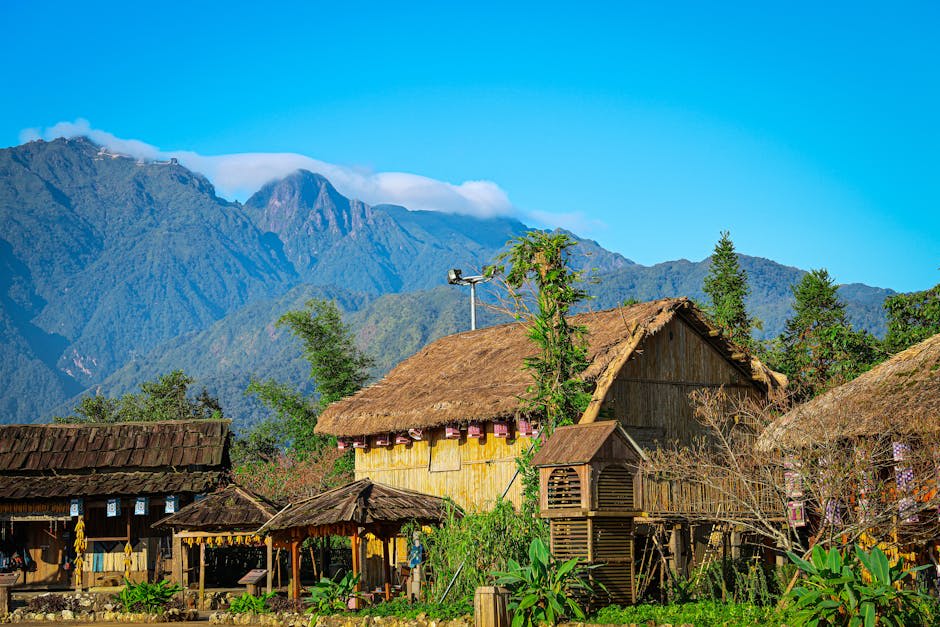
The trekking is the main event. Multi-day hikes through the valley pass through villages where homestays offer a genuinely immersive experience — sleeping in a stilted house, eating home-cooked meals of sticky rice and grilled pork, and waking to a view of terraces disappearing into cloud. The Hmong villages in particular have a quiet pride to them — the women in indigo-dyed clothing, the children playing on muddy lanes, the houses built of wood and thatch in a style that has not changed in centuries. I stayed in Ta Phin village with a Red Dao family, and the evening meal — cooked over a wood fire, flavoured with herbs gathered from the forest that morning — was one of the best I have eaten in Vietnam. Not because of any single dish, but because of the context: the mountains outside the window, the fire crackling, the family’s warmth, and the absolute certainty that I was somewhere no restaurant could replicate.
Fansipan and Beyond
Fansipan, the highest peak in Indochina at 3,143 metres, is accessible by cable car or a two-day climb. The cable car is an engineering marvel — a twenty-minute ride over a chasm of cloud and jungle — but the trek is the real experience, ascending through bamboo forests, rhododendron groves, and finally above the treeline into a world of rock and mist where the only company is the wind. The Saturday night market in the town brings hill tribe communities together in a display of textiles, silver jewellery, and a social energy that transcends language barriers. I bought a hand-embroidered pouch from a Hmong woman who laughed at my attempt to negotiate in Vietnamese and counter-offered in perfect English.
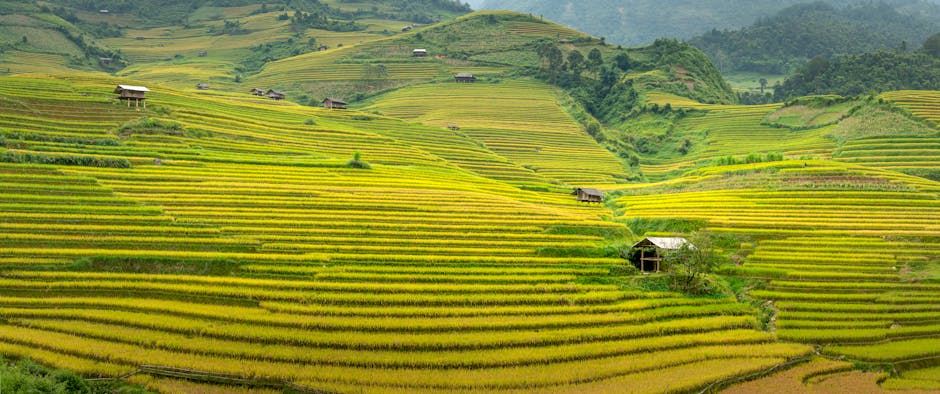
When to go: September to November for harvest season when the terraces turn gold. March to May is green and lush. Winter months bring fog and cold that can drop near freezing.