
Hoi An
"The town where every evening feels like a scene from a film you want to live inside."
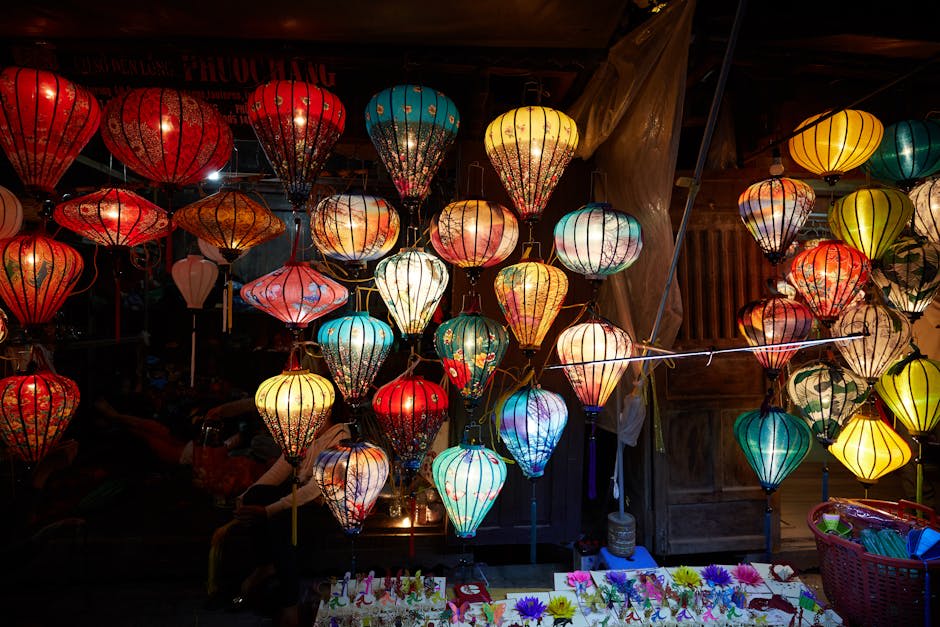
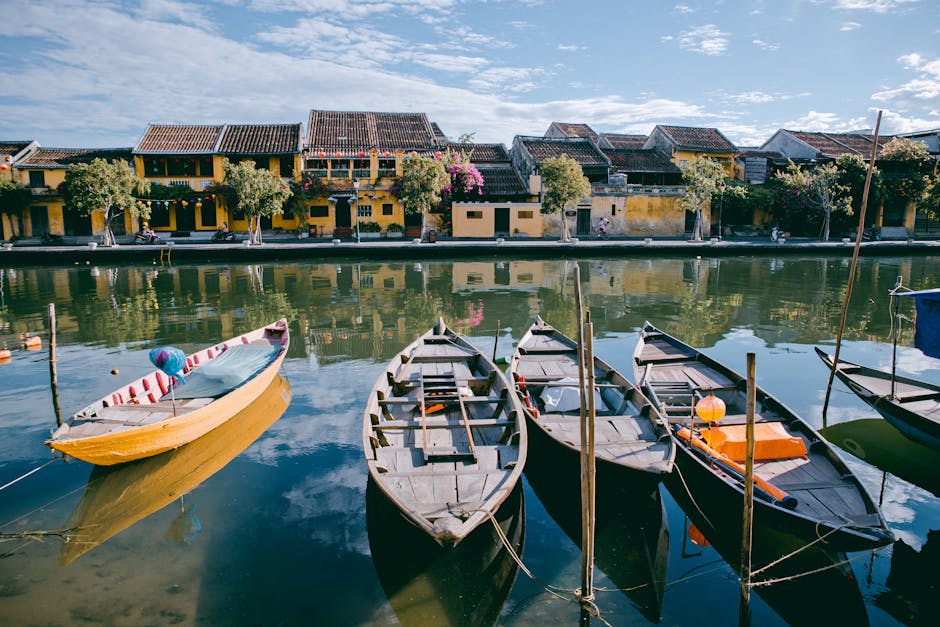
Hoi An is almost unfairly beautiful. The ancient town, a UNESCO World Heritage Site, is a grid of low-rise buildings in mustard yellow and terracotta, draped with silk lanterns that come alive at dusk. The Thu Bon River reflects everything — the lanterns, the fishing boats, the bridge that the Japanese built four centuries ago. Walking through the old town after dark, with the lanterns swaying and the river shimmering, is one of the most purely romantic experiences in Southeast Asia.
The Old Town After Dark
I arrived in Hoi An on a full moon night, which turned out to be the best accident of my entire Vietnam trip. On the fourteenth day of each lunar month, the old town switches off its electric lights and illuminates itself entirely with lanterns and candles. The effect is not quaint — it is transformative. The yellow walls glow amber, the river fills with floating candles released by locals and tourists alike, and the Japanese Covered Bridge — built in the sixteenth century to connect the Japanese and Chinese quarters — becomes a silhouette against a sky that is itself a deep, bruised violet. I sat on the riverbank with a cold Bia Hoi and watched the candles drift downstream, and for an hour the twenty-first century simply did not exist.
The Tailors and the Food
The town is famous for its tailors, and they earn the reputation. Choose a fabric, point at a photograph, return the next day, and a suit or dress that fits perfectly will be waiting. I had a linen blazer made in twenty-four hours for less than the price of a decent dinner in Paris, and two years later it remains the best-fitting jacket I own. The food is exceptional and specific — cao lau noodles, made with water from a single ancient well and textured like nothing else in Vietnamese cuisine. White rose dumplings, translucent and delicate. Banh mi from the legendary Madam Khanh, who has been assembling the same perfect sandwich for decades with the calm authority of someone who knows she has nothing left to prove.
Beyond the Old Town
An Bang Beach is a short bicycle ride from the centre, wide and uncrowded, with beach bars that serve fresh seafood and cold drinks under thatched umbrellas. The Tra Que vegetable village offers cooking classes set among the herb gardens that supply the town’s restaurants — you pick your own mint and basil, roll your own spring rolls, and eat the results under a bamboo canopy while water buffalo graze in the adjacent rice paddy. Cycling the countryside around Hoi An — through rice fields, past water buffalo, over narrow bridges — is one of those simple pleasures that no amount of luxury travel can improve upon. The landscape is flat, the light is golden, and the only sound is the creak of your bicycle and the distant clang of a temple bell.
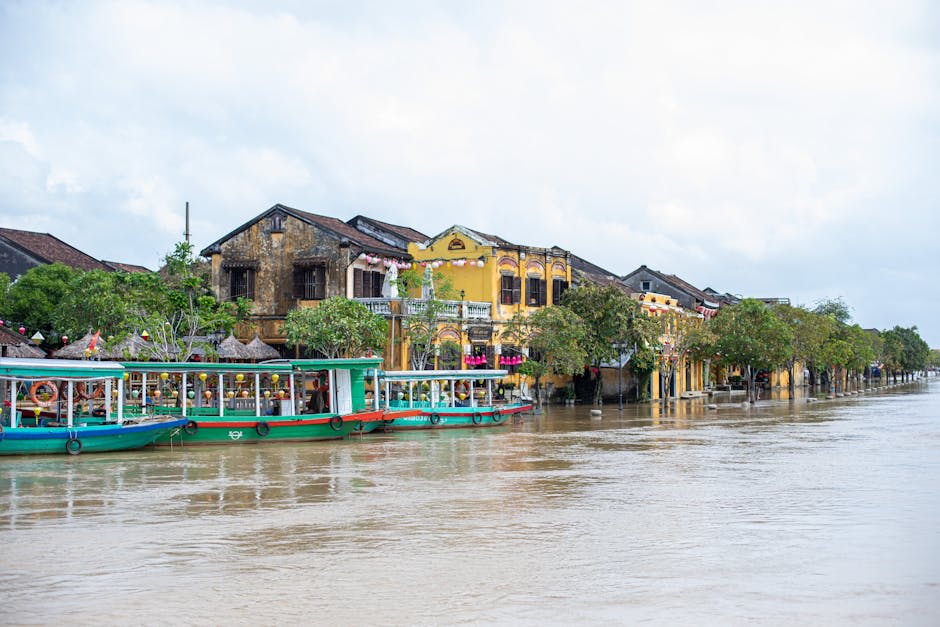
When to go: February to May for warm, dry days. September to November brings flooding that can submerge the old town — atmospheric but limiting. Full moon nights feature a lantern festival on the river.