Europe
Tuscany
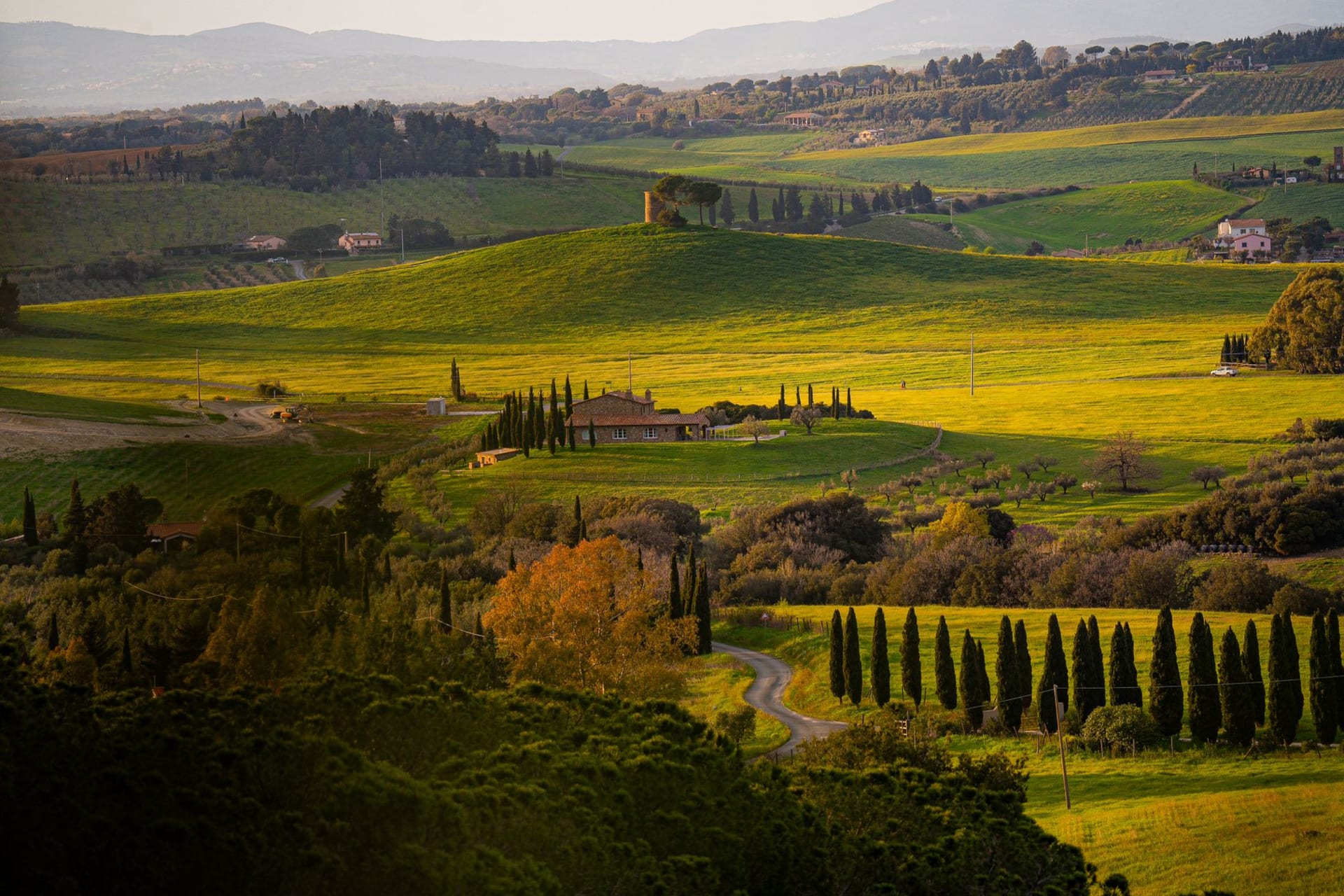
"Every hill here looks like someone painted it on purpose."
A landscape so deliberately beautiful it feels staged — until the light shifts at dusk and you realize no one could have invented this.

I arrived in Tuscany by train from Rome, bleary and slightly hungover from too much Frascati the night before, and the first thing I saw when I stepped off in Siena was an old man arguing with a pigeon outside the station bar. He was losing. That felt right. Not the postcard version, just life going sideways in a beautiful place.
What catches me off guard every time I’m in Tuscany — and I’ve been three times now, which still feels insufficient — is how the landscape does something quietly aggressive. It insists you pay attention. The cypress trees marching up a ridge in single file, the pale green of an olive grove after rain, the way a hilltop town like Montepulciano turns golden at five in the afternoon and then drops into blue shadow with unsettling speed. You stop mid-sentence. You forget what you were saying. It happens to everyone, even people who claim they’ve seen it all.
The food is where Tuscany earns its reputation honestly. I’ve eaten ribollita in trattorias so unfussy they don’t bother with menus, just whatever they made that morning. I’ve had bistecca alla Fiorentina at a place in the Chianti hills that looked like someone’s garage and tasted like the best thing I’d eaten in years. The wine is relentless — Brunello, Morellino, Vernaccia di San Gimignano — and priced at levels that make you feel irrationally wealthy if you’ve been traveling in Mexico for any length of time. A bottle of something serious costs less than a cocktail in Mexico City. I have complicated feelings about this.
The smaller towns are where the experience opens up. Pienza is almost absurdly lovely but somehow avoids feeling like a museum. Volterra has a rawness to it, a medieval darkness that the tour buses mostly bypass. San Miniato in truffle season — October and November — smells like forest floor and wet stone and something faintly animal, which I mean as a compliment.
When to go: May and September are the sweet spots — the light is warm, crowds haven’t peaked, and the landscape is either green from spring or golden from harvest. July and August are possible but brutal in terms of heat and company. If you can manage it, late October in the Chianti or Montalcino zones during harvest is worth any inconvenience.
What most guides get wrong: Tuscany is treated as a highlight reel — Florence, Siena, the Val d’Orcia, done. But the region rewards slow movement and deliberate detachment from the itinerary. The best moments I’ve had here came from stopping somewhere unplanned because a town looked interesting from the road, eating whatever was on the board, and leaving without having seen the main attraction. The guides make you feel like you’re there to consume a checklist. You’re not. You’re there to let a place at you.
Explore
Places in Tuscany
 tuscany
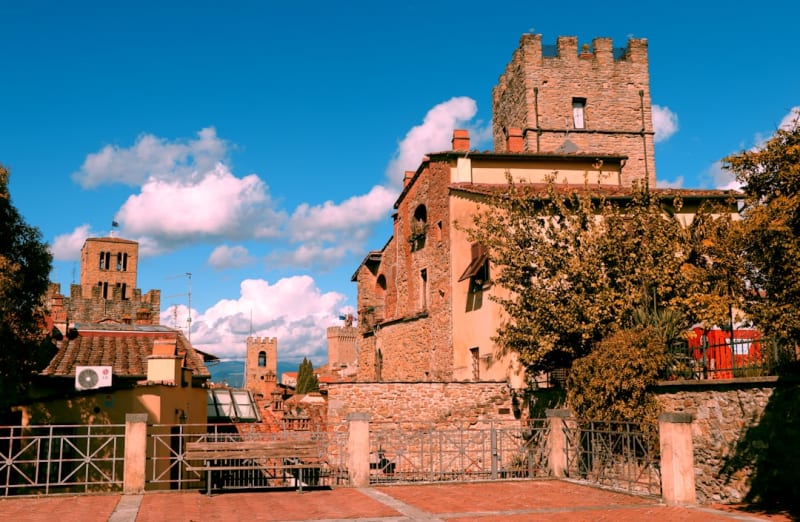
 Arezzo
A working Tuscan city whose Basilica di San Francesco holds Piero della Francesca's fresco cycle, and whose antiques market spills across a medieval square once a month.
Explore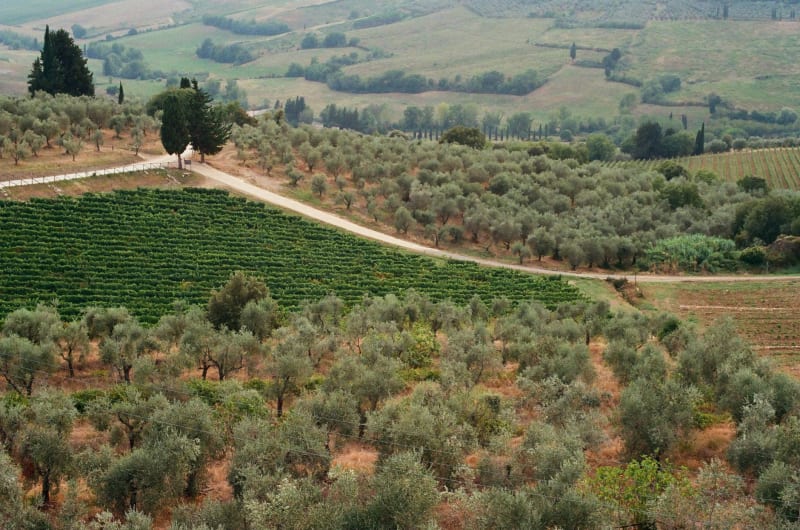 tuscany
 Chianti
A wine region between Florence and Siena where the landscape itself seems designed as a delivery mechanism for Sangiovese, and the roads exist mainly to connect one cellar to the next.
Explore tuscany
 Cortona
An Etruscan hill town so steep you half-expect it to slide into the Val di Chiana below, where the air is always cooler than the valley, and where the art in the local museum is better than anyone seems to have told the tourists.
Explore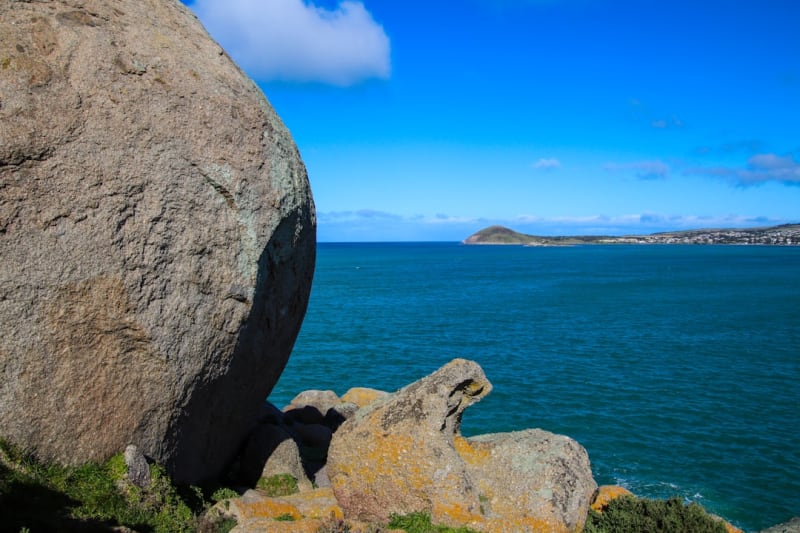 tuscany
 Elba Island
Napoleon's island of exile off the Tuscan coast, ringed by granite coves and turquoise water that makes the Caribbean comparisons feel almost fair.
Explore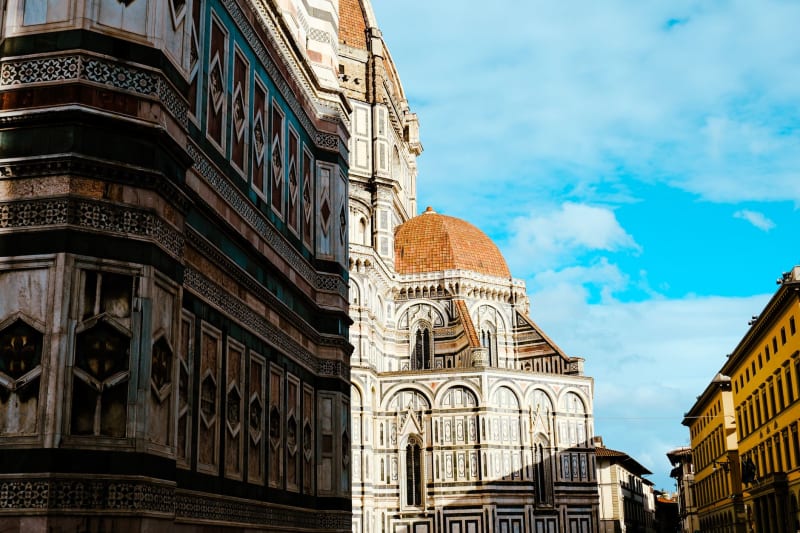 tuscany
 Florence
The city where Renaissance ambition calcified into stone and every piazza feels like a stage set that refuses to acknowledge it's still running.
Explore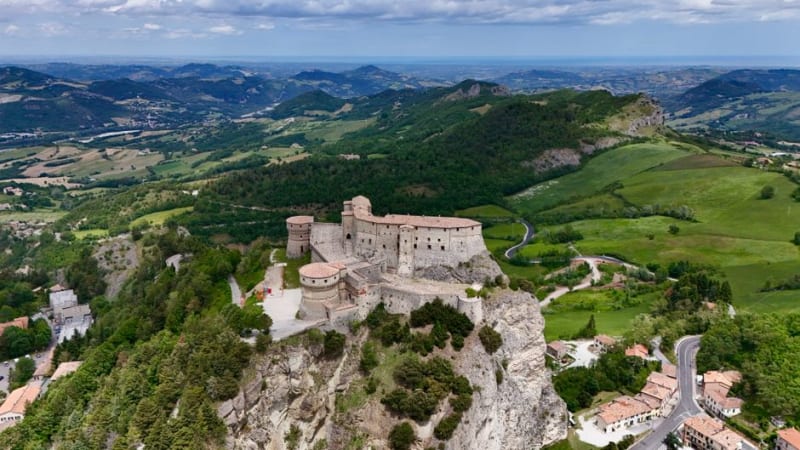 tuscany
 Garfagnana
A rugged Apennine valley in northern Tuscany where chestnut forests, marble quarries, and near-empty mountain roads replace the region's usual vineyard postcards.
Explore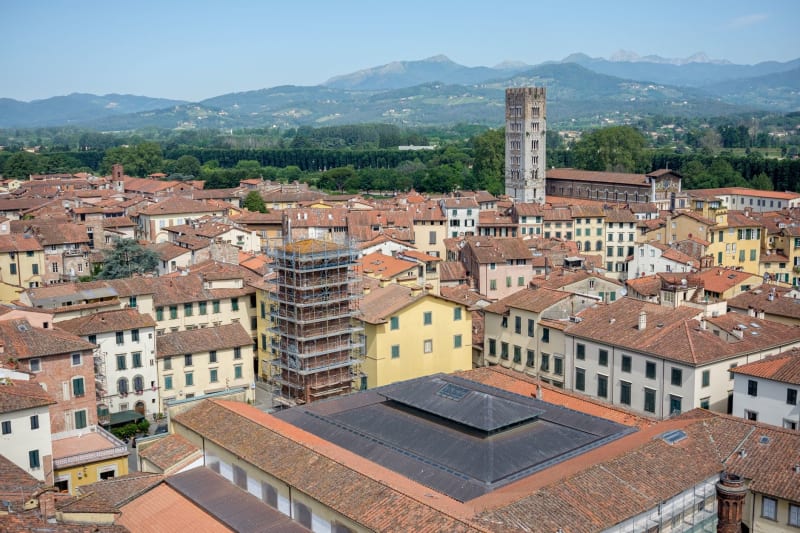 tuscany
 Lucca
The only city in Tuscany where the Renaissance walls are intact enough to cycle along the top, and where locals seem genuinely puzzled that anyone would visit Florence when this exists.
Explore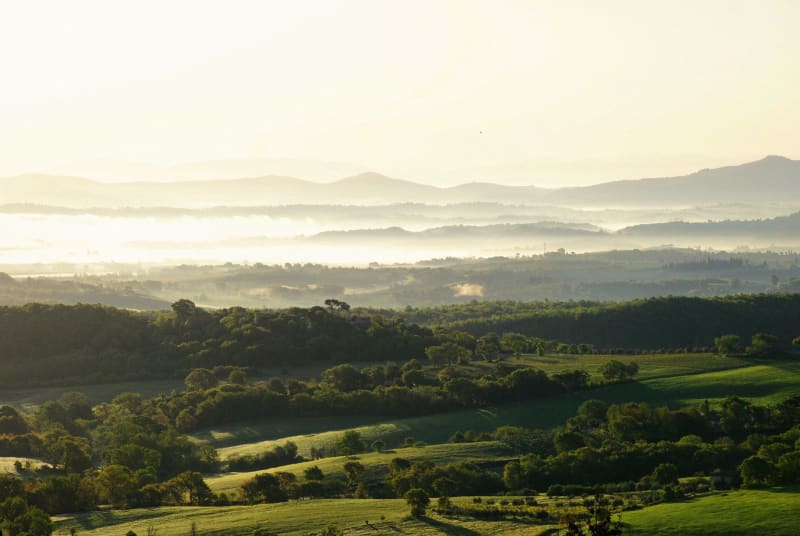 tuscany
 Maremma
Tuscany's overlooked coastal south — a region of wild beaches, Etruscan ruins, cowboy culture, and wine that has only recently discovered its own reputation.
Explore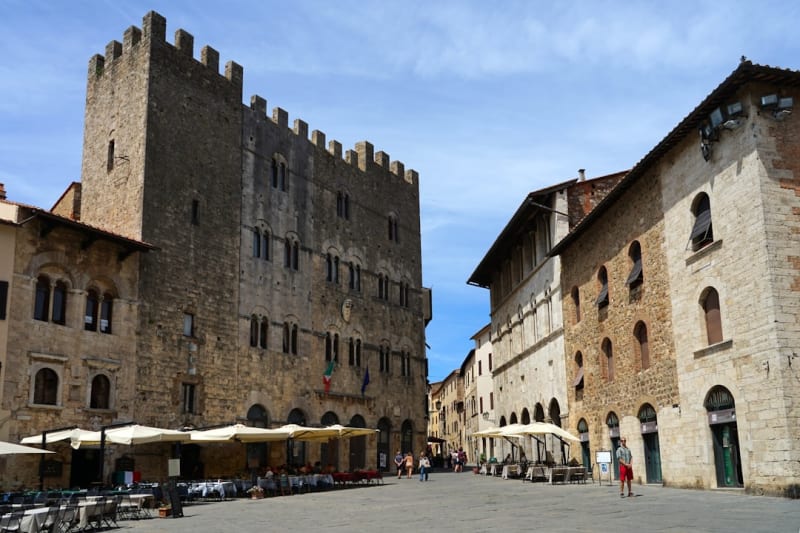 tuscany
 Massa Marittima
A former silver-mining town in the Maremma hills, crowned by one of Tuscany's finest Gothic cathedrals and largely untouched by the region's usual crowds.
Explore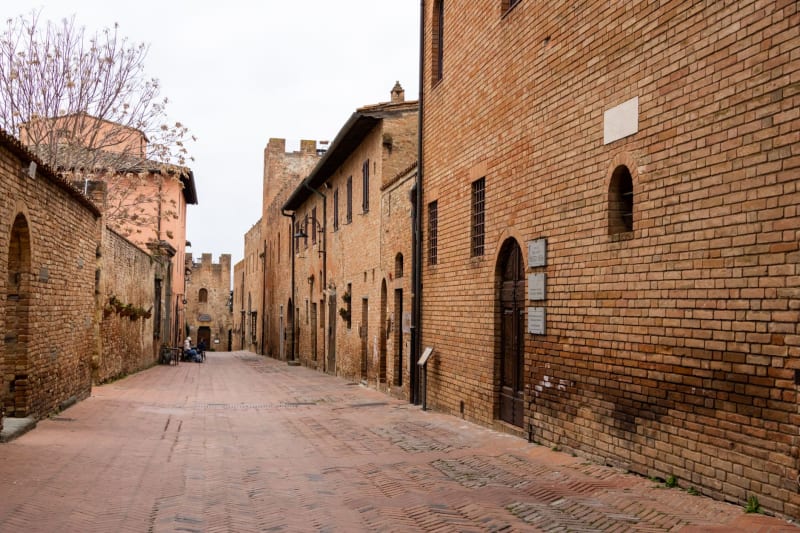 tuscany
 Montalcino
A small hilltop town in the Val d'Orcia that produces one of Italy's most serious red wines and treats the fact with a composure that borders on understatement.
Explore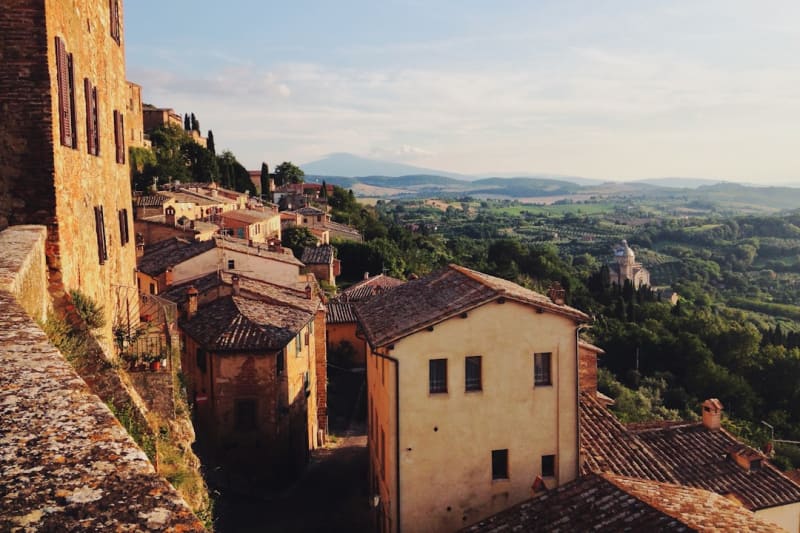 tuscany
 Montepulciano
A hilltop wine town south of Siena where Renaissance palazzos line steep streets and every third door seems to lead to a cellar of Vino Nobile.
Explore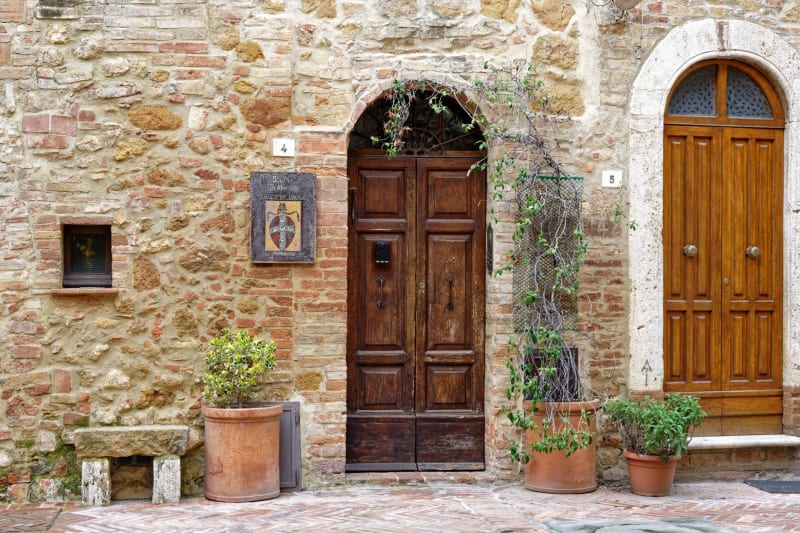 tuscany
 Pienza
A Renaissance pope redesigned his home village into an ideal city in the 1460s, stopped when he died, and what remained is a perfectly proportioned town of about 2,000 people and one of the best views in all of Tuscany.
Explore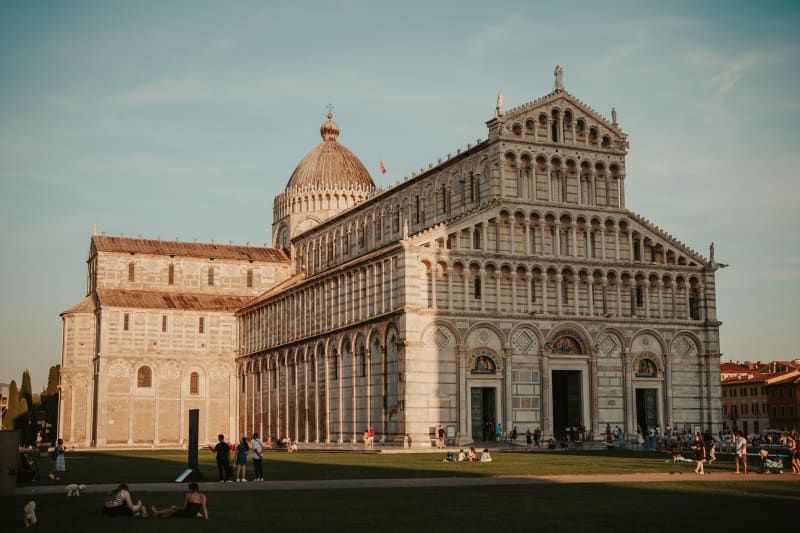 tuscany
 Pisa
A Tuscan university city forever upstaged by its leaning tower, with a riverfront of faded palazzi, a fierce student energy, and a famous square that is far stranger than its postcards admit.
Explore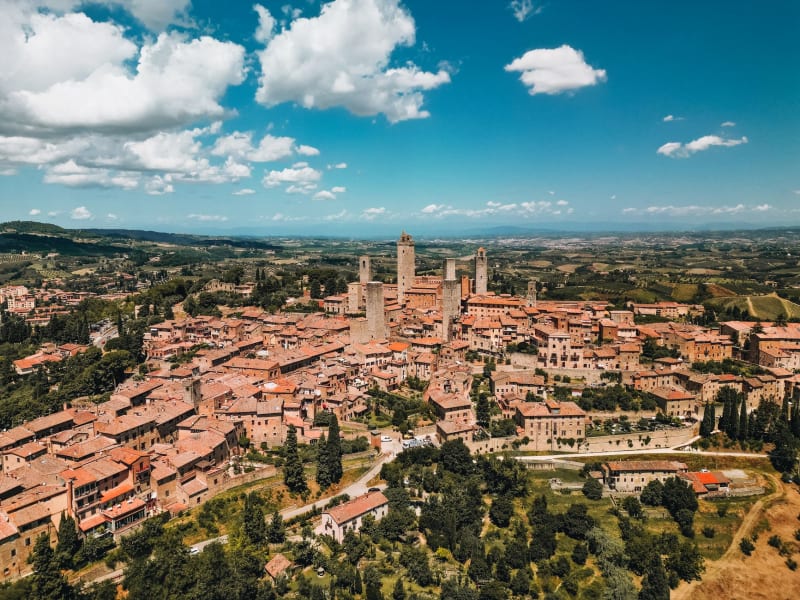 tuscany
 San Gimignano
A hilltop town whose medieval towers survive not because anyone planned it but because no one had enough money to tear them down, and the accidental result is one of the most distinctive skylines in Italy.
Explore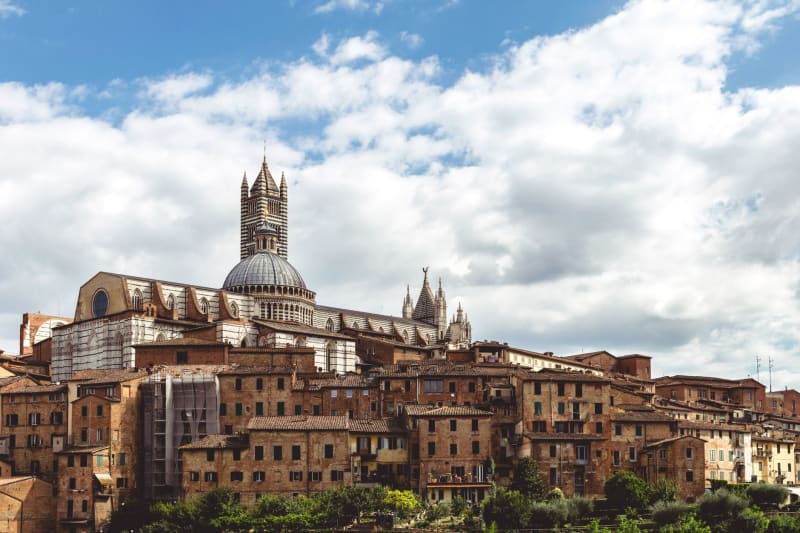 tuscany
 Siena
A medieval city so intact it feels like a film set, except the locals really do run horse races through the main square twice a year and mean it.
Explore tuscany
 Val d'Orcia
A UNESCO-listed valley south of Siena where the landscape of rolling clay hills, solitary cypresses, and pale dirt roads became the visual template for what people imagine when they imagine Tuscany.
Explore