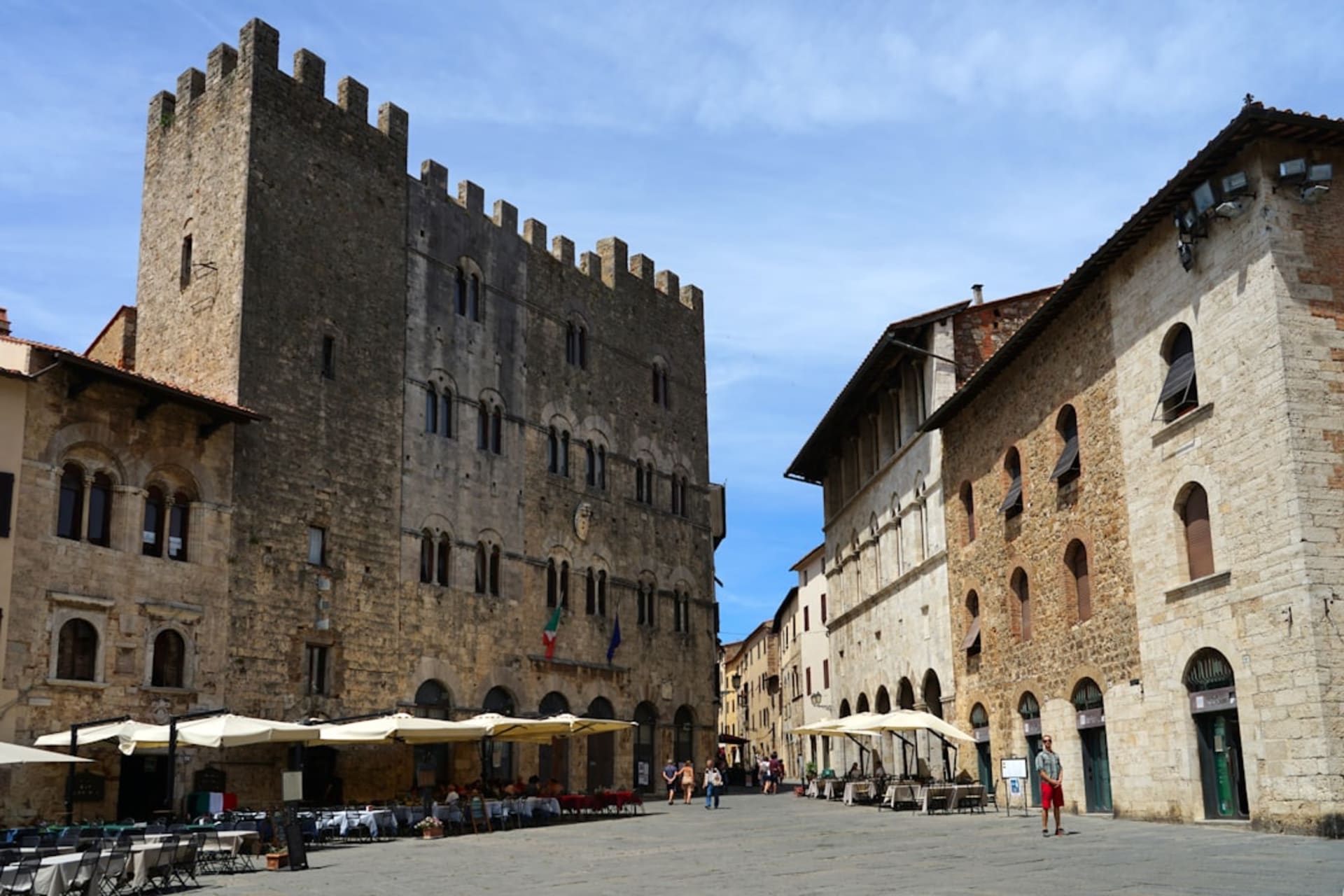
Massa Marittima
"We had the whole cathedral steps to ourselves at sunset, which after Siena felt almost suspicious."
A former silver-mining town in the Maremma hills, crowned by one of Tuscany's finest Gothic cathedrals and largely untouched by the region's usual crowds.

We came to Massa Marittima mostly to break up the drive between Siena and the coast, and ended up staying an extra night, which wasn’t the plan. It sits inland in the Maremma, up on a ridge that made it a mining town for centuries — silver, copper, and later pyrite, pulled out of these hills from Etruscan times right through to the twentieth century — and that industrial history gives it a different texture than the wine towns further north. Less manicured, a bit more weathered, streets that feel worked rather than staged.
The Duomo di San Cerbone dominates the upper town, and it’s a genuinely strange, wonderful building — Romanesque at the base, with a Gothic upper section grafted on at an angle, sitting slightly askew at the top of a travertine staircase in a piazza that slopes downhill on one side. We arrived close to sunset and had the steps almost entirely to ourselves, which after two weeks of shuffling through crowds in Siena and San Gimignano felt like we’d found a loophole. The stone catches the evening light in a way that made Lia make me wait twenty extra minutes just to photograph it properly.

What I didn’t expect was the Museo delle Miniere, the old mine museum, which takes you down into actual tunnels dug for a mid-century training mine beneath the town — hard hats, dripping stone, narrow galleries lit just enough to see the drilling equipment left in place. It’s a completely different Tuscany experience from vineyard tours and fresco cycles, and it explained a lot about why the town feels the way it does above ground: this was working-class mining territory long before it was anyone’s holiday destination.

We happened to overlap with preparations for the Balestro del Girifalco, the crossbow competition the town holds twice a year in medieval costume, and watched a rehearsal in the piazza — men in fifteenth-century dress practicing formations with genuine seriousness, no tourists watching but us. We ate cinghiale stew that night at a small trattoria off Via Moncini, the wild boar rich enough that I couldn’t finish it, and slept better than we had anywhere else on the trip, mostly because there was no traffic noise at all.
When to go: May or August for the Balestro del Girifalco crossbow tournament, or September for warm weather without the peak-summer heat that bakes the Maremma inland.
Keep exploring
More from Tuscany
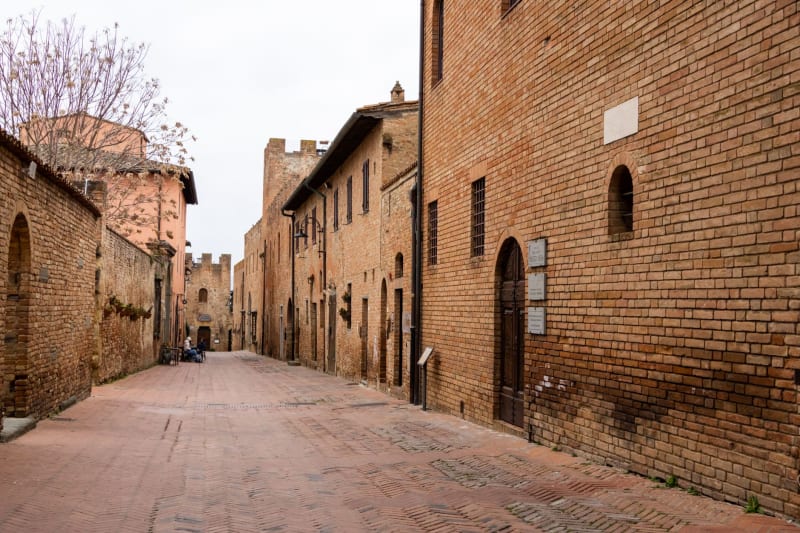 tuscany
Montalcino
A small hilltop town in the Val d'Orcia that produces one of Italy's most serious red wines and treats the fact with a composure that borders on understatement.
Explore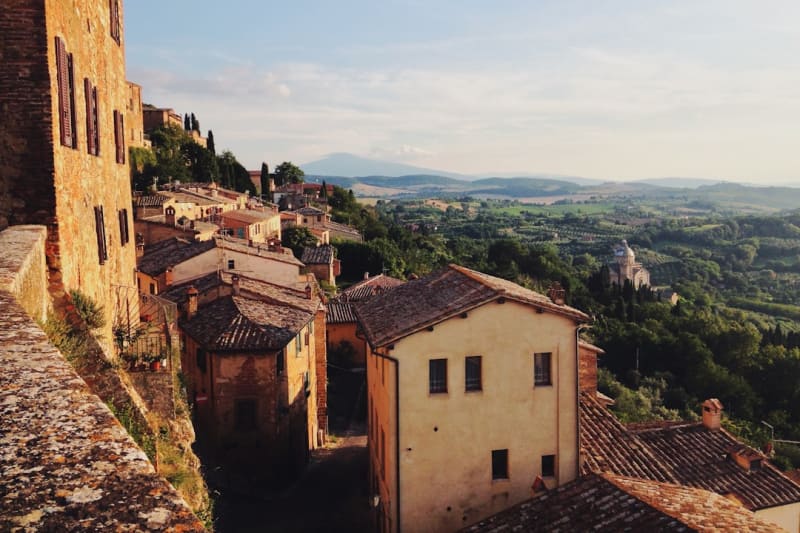 tuscany
Montepulciano
A hilltop wine town south of Siena where Renaissance palazzos line steep streets and every third door seems to lead to a cellar of Vino Nobile.
Explore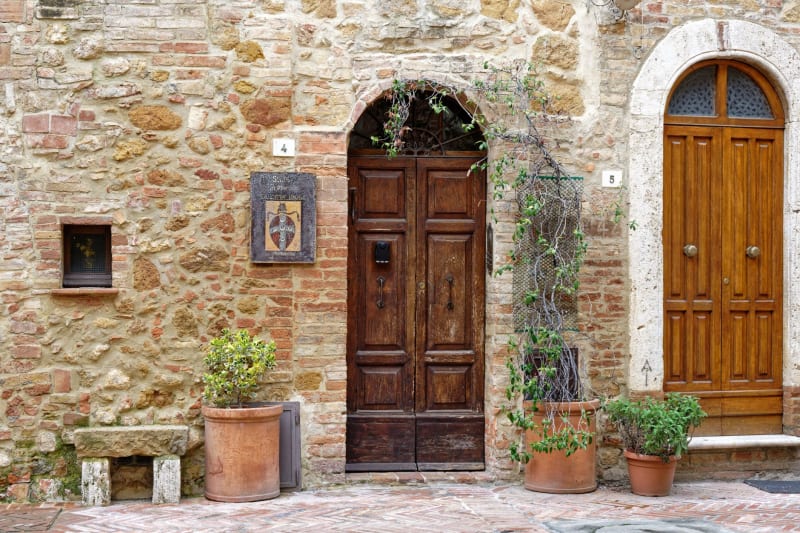 tuscany
Pienza
A Renaissance pope redesigned his home village into an ideal city in the 1460s, stopped when he died, and what remained is a perfectly proportioned town of about 2,000 people and one of the best views in all of Tuscany.
Explore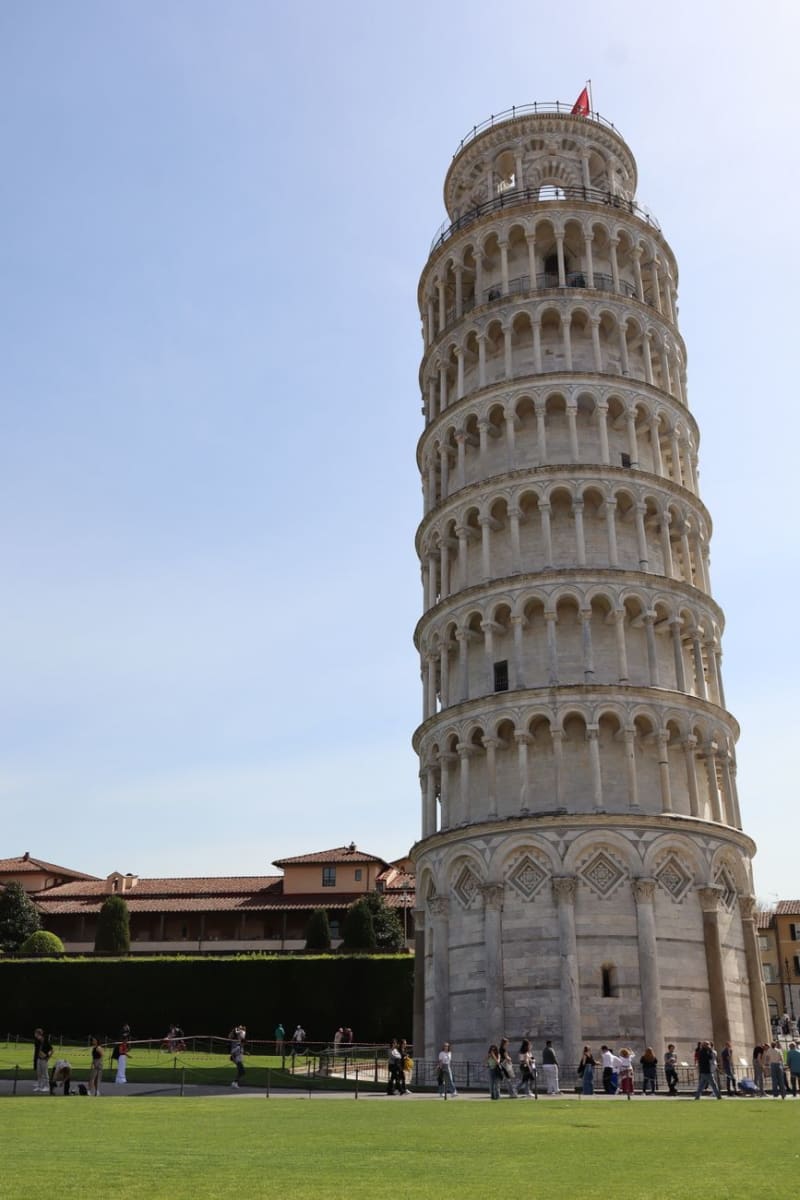 tuscany
Pisa
A Tuscan university city forever upstaged by its leaning tower, with a riverfront of faded palazzi, a fierce student energy, and a famous square that is far stranger than its postcards admit.
Explore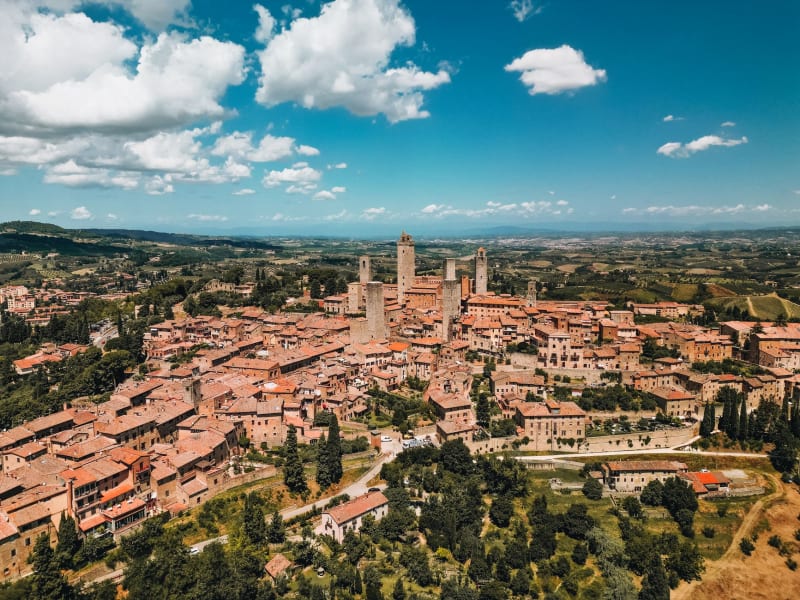 tuscany
San Gimignano
A hilltop town whose medieval towers survive not because anyone planned it but because no one had enough money to tear them down, and the accidental result is one of the most distinctive skylines in Italy.
Explore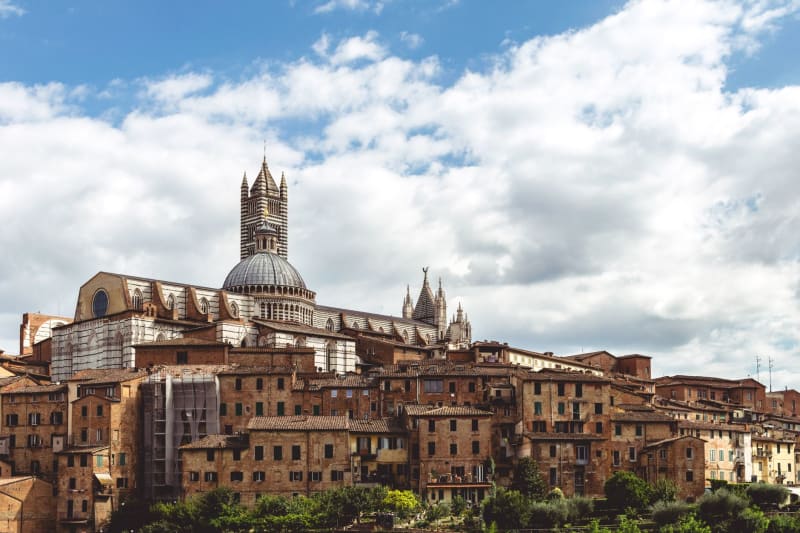 tuscany
Siena
A medieval city so intact it feels like a film set, except the locals really do run horse races through the main square twice a year and mean it.
Explore