Garfagnana
"We drove an hour without seeing another tourist, which after two weeks in Tuscany felt like discovering a secret door in the back of a wardrobe."
A rugged Apennine valley in northern Tuscany where chestnut forests, marble quarries, and near-empty mountain roads replace the region's usual vineyard postcards.

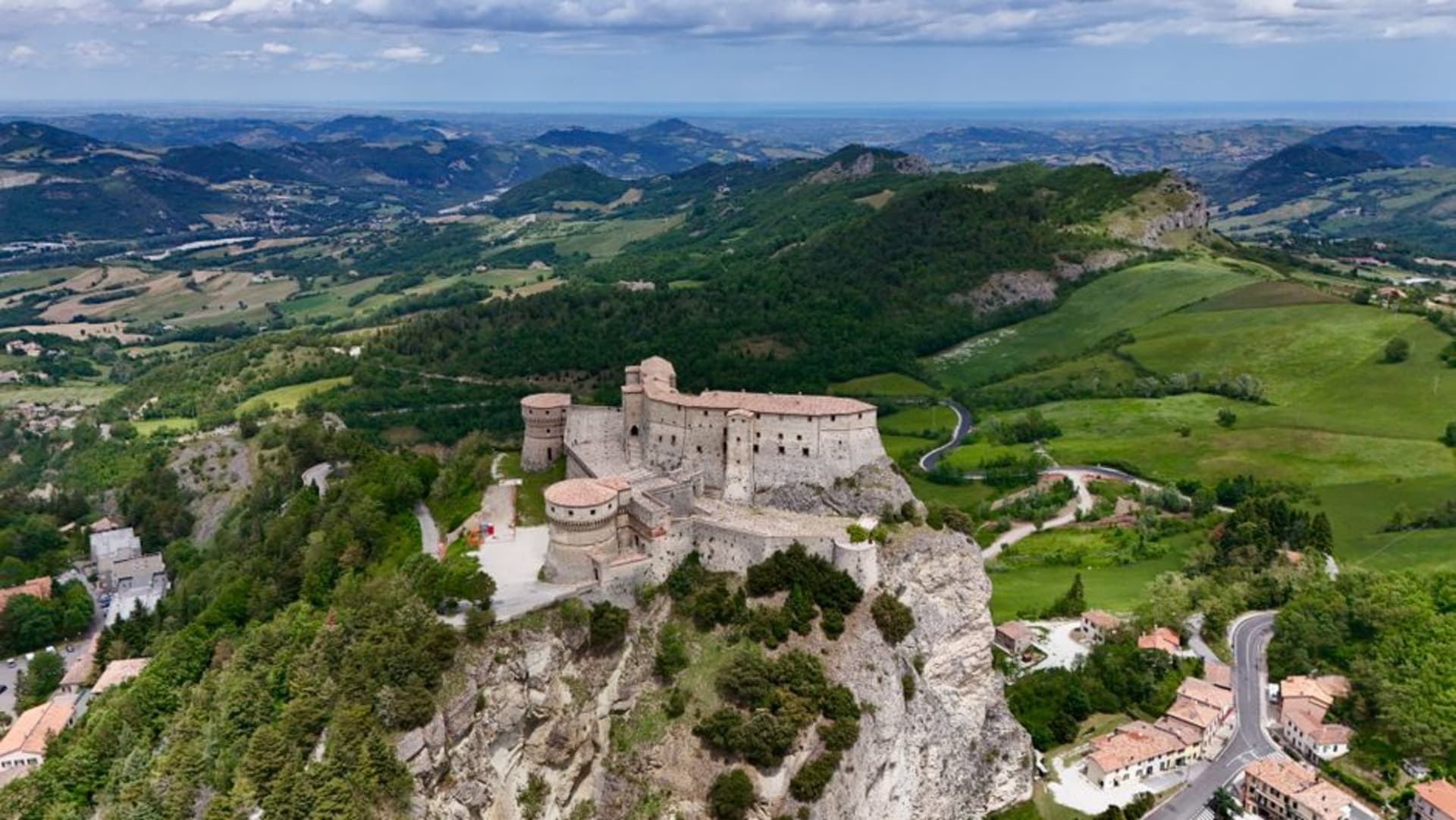
Nobody we mentioned Garfagnana to in Florence seemed to have actually been there, which should have told us something. It’s the valley of the Serchio river, wedged between the Apuan Alps and the main Apennine ridge north of Lucca, and it looks almost nothing like the Tuscany of the postcards — no rolling gold hills, no cypress-lined drives, just steep forested slopes, stone villages clinging to ledges, and roads that switchback so tightly Lia had to stop reading the map out loud because it was making her carsick.
We based ourselves near Castelnuovo di Garfagnana, the valley’s main town, with its Rocca fortress overlooking the river and a genuinely good Thursday market where we bought a bag of dried chestnuts and a wheel of pecorino from a farmer who talked us through his whole flock’s grazing schedule unprompted. Chestnuts are the thing here — this used to be subsistence food for the mountain villages, ground into flour when wheat wouldn’t grow at altitude, and you still see it everywhere, in castagnaccio cake and necci crepes and farro soups thickened with chestnut flour instead of grain.

One afternoon we drove up toward the Apuan Alps side, chasing a sign for a marble quarry viewpoint, and ended up on a road that felt genuinely industrial — trucks hauling raw blocks of white marble down from cuts in the mountainside, the same stone Michelangelo supposedly came up here himself to select for his sculptures. It’s a strange thing to see, this brutal open-pit scarring on peaks that from a distance look snow-capped but are actually just marble dust and bare rock. We didn’t get close to Carrara proper, that’s technically over the ridge, but the quarrying culture bleeds into this whole corner of the range.

We hiked a short stretch near the Orecchiella nature park, cool and quiet under beech and chestnut canopy, and stopped for lunch in a village so small the only restaurant doubled as the general store — the owner walked off mid-conversation to sell someone a bag of flour, then came back and finished describing the tordelli filling like nothing had happened. It’s the kind of place that makes the rest of Tuscany feel, in retrospect, a bit crowded.
When to go: Late September to October for chestnut season and the harvest festivals in the villages, or July for cooler mountain hiking away from the coastal heat.
Keep exploring
More from Tuscany
 tuscany
Lucca
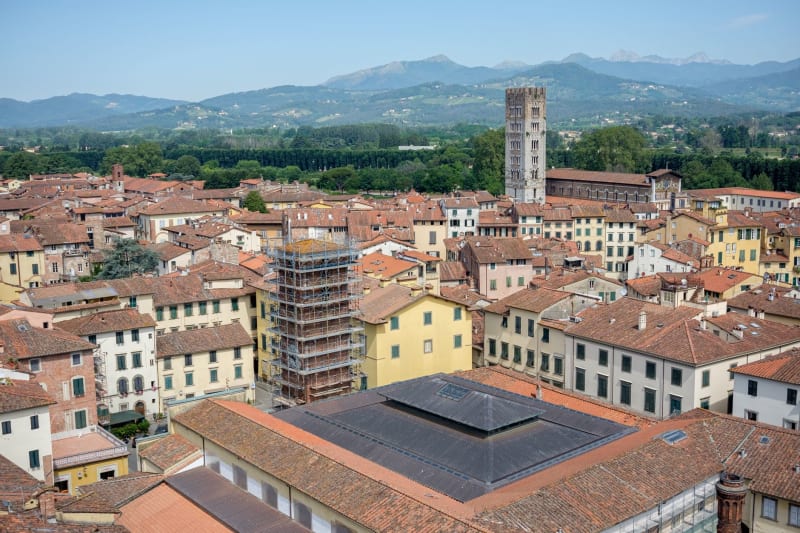
The only city in Tuscany where the Renaissance walls are intact enough to cycle along the top, and where locals seem genuinely puzzled that anyone would visit Florence when this exists.
Explore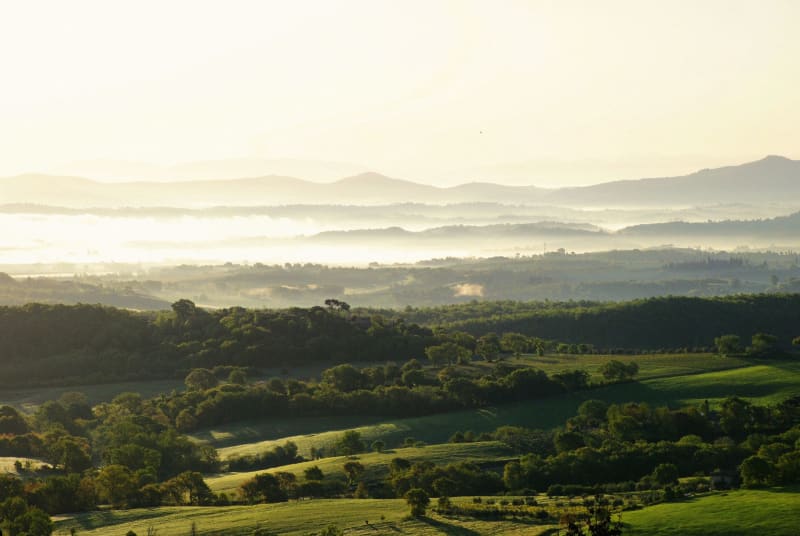 tuscany
Maremma
Tuscany's overlooked coastal south — a region of wild beaches, Etruscan ruins, cowboy culture, and wine that has only recently discovered its own reputation.
Explore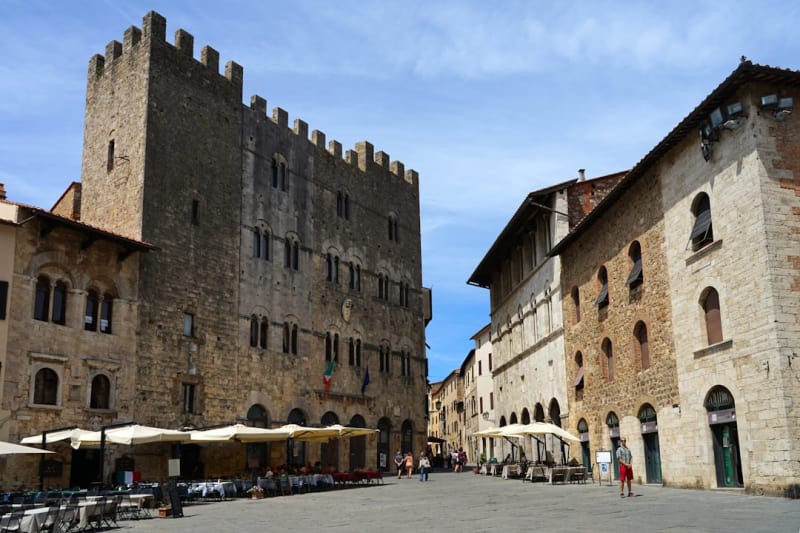 tuscany
Massa Marittima
A former silver-mining town in the Maremma hills, crowned by one of Tuscany's finest Gothic cathedrals and largely untouched by the region's usual crowds.
Explore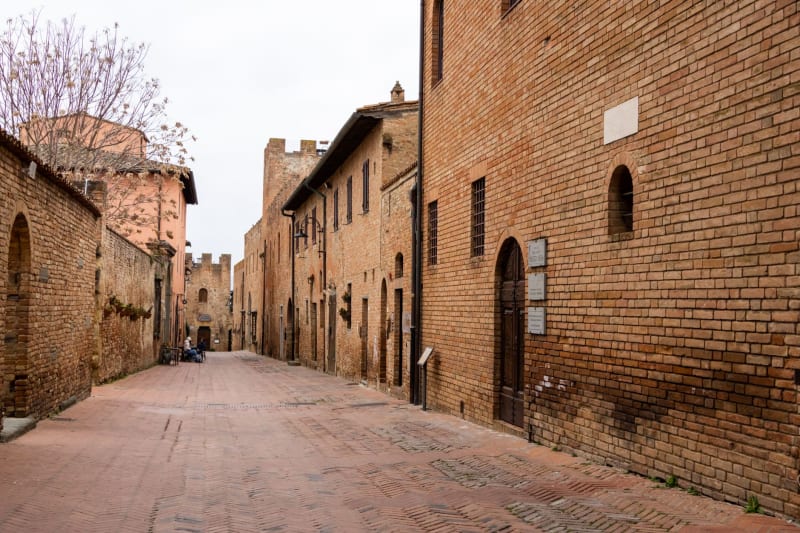 tuscany
Montalcino
A small hilltop town in the Val d'Orcia that produces one of Italy's most serious red wines and treats the fact with a composure that borders on understatement.
Explore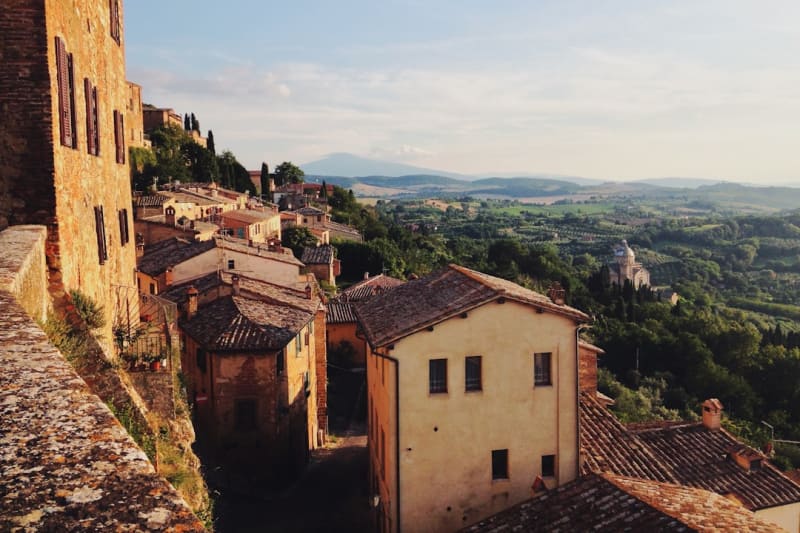 tuscany
Montepulciano
A hilltop wine town south of Siena where Renaissance palazzos line steep streets and every third door seems to lead to a cellar of Vino Nobile.
Explore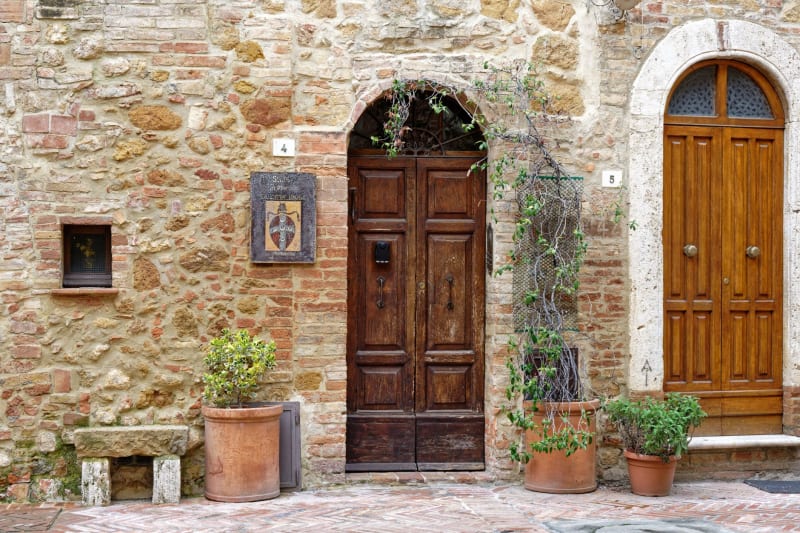 tuscany
Pienza
A Renaissance pope redesigned his home village into an ideal city in the 1460s, stopped when he died, and what remained is a perfectly proportioned town of about 2,000 people and one of the best views in all of Tuscany.
Explore