
Cortona
"The walk up from the car park is either a feature or a problem, depending entirely on the temperature."
An Etruscan hill town so steep you half-expect it to slide into the Val di Chiana below, where the air is always cooler than the valley, and where the art in the local museum is better than anyone seems to have told the tourists.

The Altitude Advantage
Cortona sits at 600 meters on the southern edge of Tuscany, close enough to Umbria that the locals seem ambivalent about the distinction. The approach from the valley is a switchback road through olive groves, and when you arrive at the top the Val di Chiana opens below you — a flat, agricultural plain that was once a malarial swamp and is now the source of the Chianina cattle that end up as bistecca Fiorentina. Lake Trasimeno catches the light to the south. On a clear day you can see into Umbria.
The town is Etruscan in origin, which means it predates Rome by enough time that the megalithic stone walls at the base of the hill — built before the concept of mortar — are still structurally sound. You can touch them and feel the age in a way that the more aggressively maintained sites don’t allow.
The Museum That Deserves More of Your Time
The Museo Diocesano sits in a building facing the main piazza and contains, among other things, two paintings by Fra Angelico that have no business being in a town this size. The Annunciation — one of the defining images of early Renaissance sacred painting, a work of extraordinary lightness — hangs in a room with perhaps four other pieces and adequate lighting and no queue whatsoever.
I spent a long time in front of it on a Tuesday afternoon with the museum largely to myself. The attendant brought me an espresso from somewhere and asked if I was enjoying myself, which I was. This is not the experience you have with Fra Angelico in Florence.
Pietro Lorenzetti’s Deposition — damaged, heavily restored, still moving in its arrangement of grief — is in the same building. It cost six euros to get in.
Living Room Piazza
The Piazza della Repubblica, at the centre of town, has the relaxed quality of a place that functions primarily for residents rather than visitors. Old men play cards at the bar on the west side. A vendor sets up a fruit stand under the loggia on market days. The Town Hall steps are used for sitting on, which is what they deserve.
Lia discovered a bakery two streets below the piazza that made a version of cornetto so good she went back the next morning before I was awake. I can report this secondhand: it was, apparently, the platonic form of the thing.
The Road Down to Camucia
The lower town — Camucia, in the valley — is where real life happens: the supermarket, the hardware store, the pharmacy, the train station. The connection between Cortona on the hill and Camucia in the valley is a local taxi system and a road that takes about eight minutes to drive and rather more to walk.
This division between the beautiful upper town and the functional lower town is common in hilltop Tuscany, and it always interests me. The people who choose to live at the top make a specific daily calculation: the beauty is worth the inconvenience. Most of them seem to have decided correctly.
The restaurant I ate at on my second evening was run by a woman who had cooked there for thirty years and had opinions about pasta that she was willing to share at length. The farro soup was thick and slightly smoky, with a depth that took a while to locate. She told me it took three hours to make. I believed her.
When to go: May through June for green hills and manageable heat. September and October are excellent — harvest season below, cooling temperatures, the light turning amber. Cortona hosts an antiques market in late August and a sun festival in late July; both bring crowds but also energy. Winter is cold and quiet and the views on clear days are exceptional.
Keep exploring
More from Tuscany
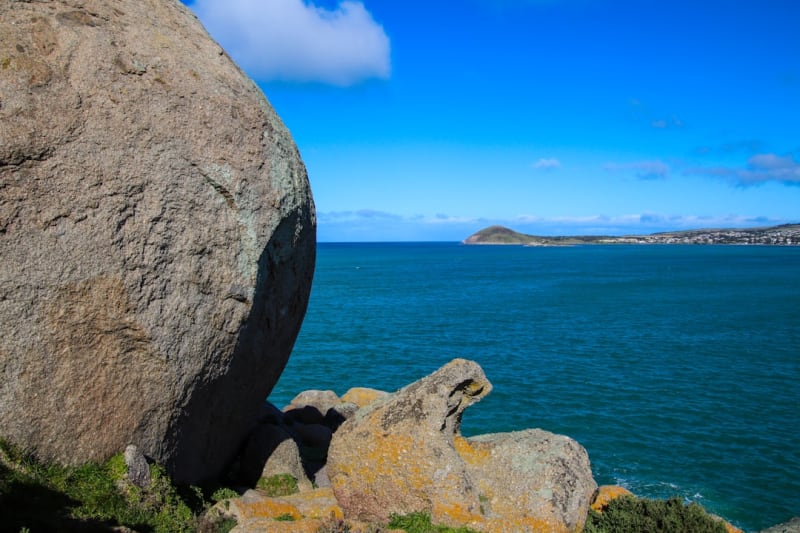 tuscany
 Elba Island
Napoleon's island of exile off the Tuscan coast, ringed by granite coves and turquoise water that makes the Caribbean comparisons feel almost fair.
Explore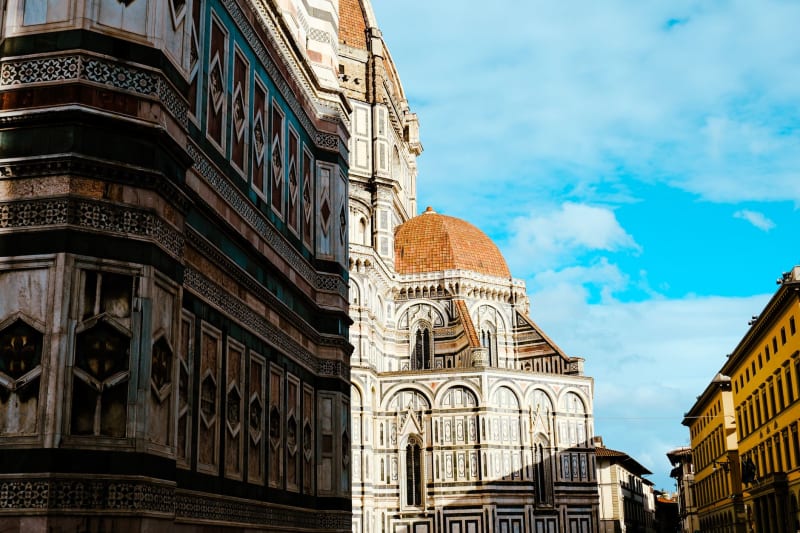 tuscany
 Florence
The city where Renaissance ambition calcified into stone and every piazza feels like a stage set that refuses to acknowledge it's still running.
Explore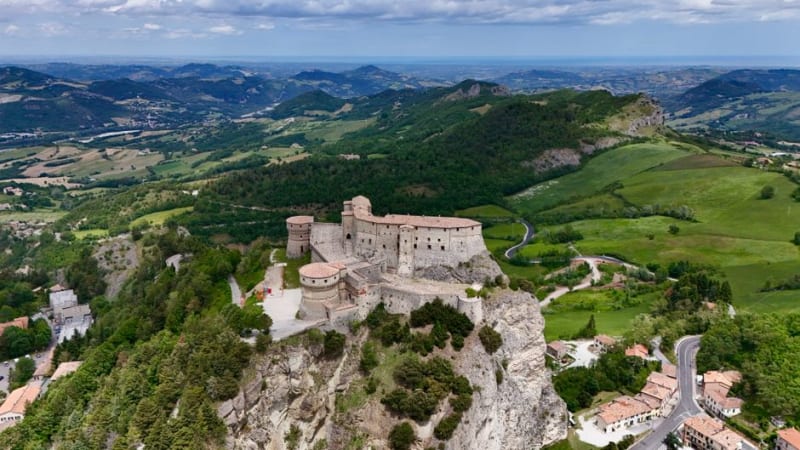 tuscany
 Garfagnana
A rugged Apennine valley in northern Tuscany where chestnut forests, marble quarries, and near-empty mountain roads replace the region's usual vineyard postcards.
Explore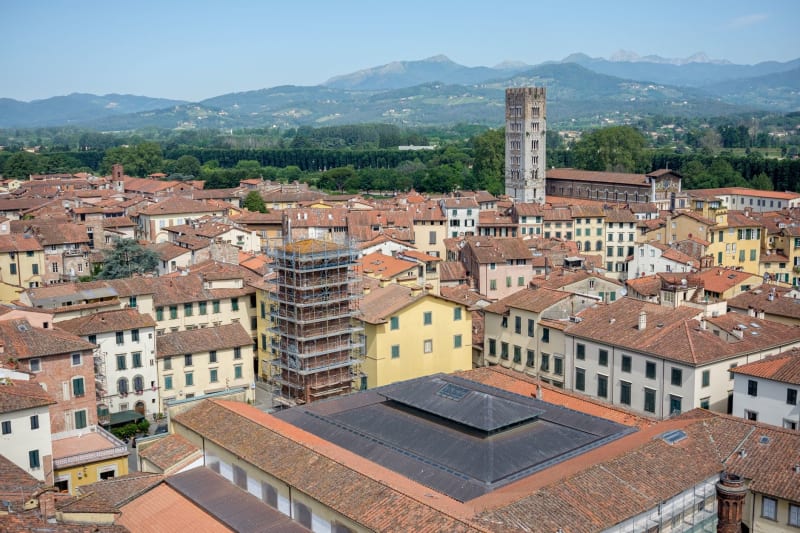 tuscany
 Lucca
The only city in Tuscany where the Renaissance walls are intact enough to cycle along the top, and where locals seem genuinely puzzled that anyone would visit Florence when this exists.
Explore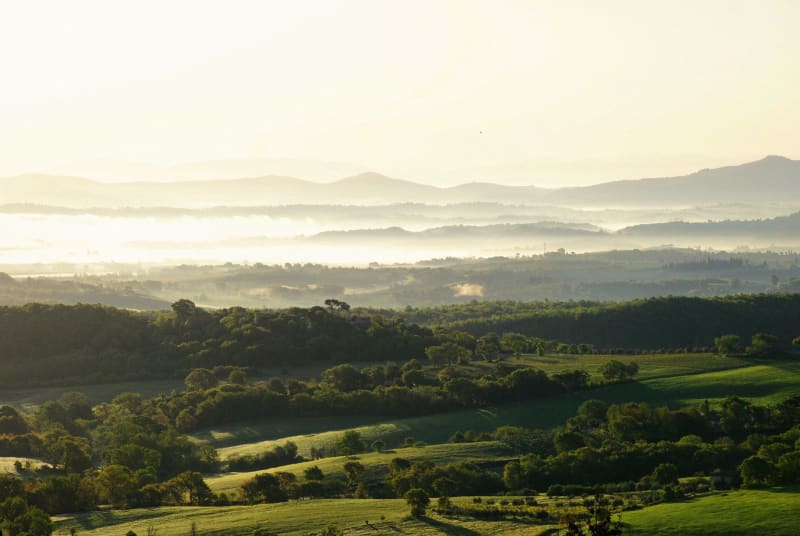 tuscany
 Maremma
Tuscany's overlooked coastal south — a region of wild beaches, Etruscan ruins, cowboy culture, and wine that has only recently discovered its own reputation.
Explore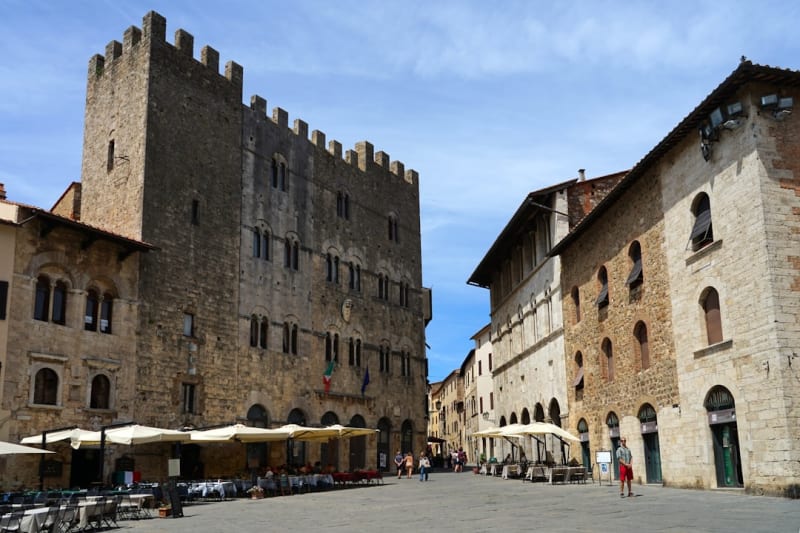 tuscany
 Massa Marittima
A former silver-mining town in the Maremma hills, crowned by one of Tuscany's finest Gothic cathedrals and largely untouched by the region's usual crowds.
Explore