Montepulciano
"I ducked into a cantina to escape the heat and came out ninety minutes later having tasted six vintages I couldn't afford to buy properly."
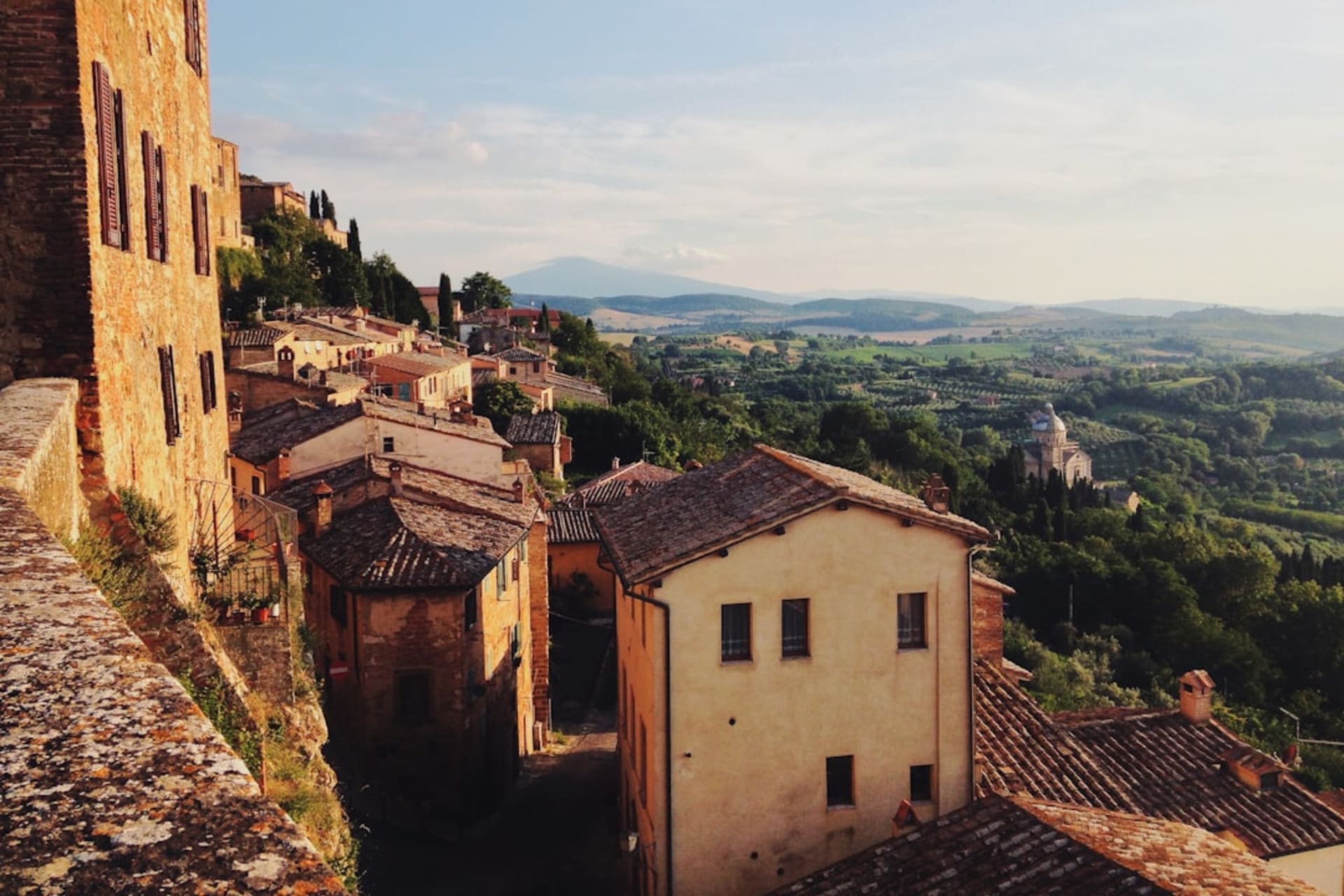
A hilltop wine town south of Siena where Renaissance palazzos line steep streets and every third door seems to lead to a cellar of Vino Nobile.

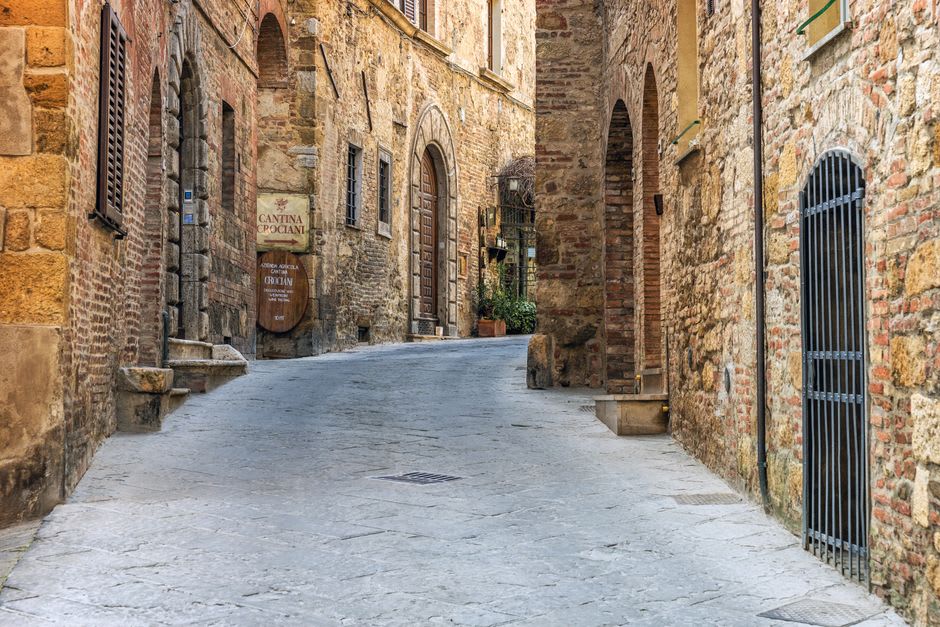
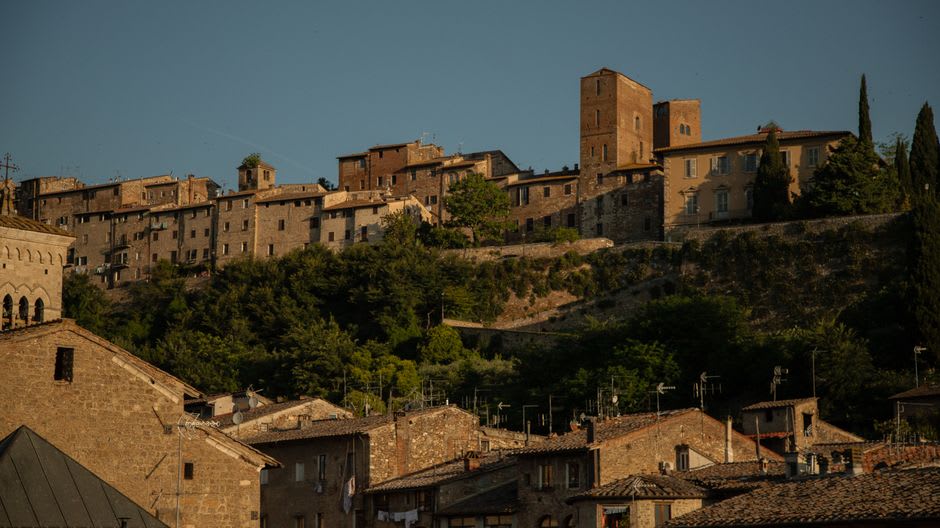
Montepulciano sits on a ridge so narrow that the town is basically one long spine of a street, Corso, climbing from the Porta al Prato gate up to the Piazza Grande at the top. Lia and I arrived by car in the early afternoon, which was a mistake — you park below the walls and walk up, and by the time we reached the piazza we were both sweating through our shirts. Worth it, though. The climb is the whole point. You pass palazzo after palazzo, their facades stern and grey, and every so often a cellar door stands open with steps disappearing down into the rock, cool air drifting out like the building is exhaling.
We ended up at a cantina about two-thirds of the way up, one of those places carved directly into the tufa under a sixteenth-century building, where a guy named Marco poured us tastes of Vino Nobile di Montepulciano while explaining, with real patience, why it’s not the same grape as the Montepulciano d’Abruzzo we’d been drinking in Rome the week before — a mix-up I’d made out loud, apparently a common tourist sin. This is Sangiovese, the Prugnolo Gentile clone specifically, aged at least two years. We left with three bottles we had to carry the rest of the way up the hill, which in hindsight was poor trip planning.
The Piazza Grande at the summit is asymmetric in a way that photographs never quite capture — the Palazzo Comunale looks like a shrunken cousin of Florence’s Palazzo Vecchio, and you can climb its tower for a view over the whole Val di Chiana that made Lia go quiet for a minute, which for her is a rare event. We sat on the cathedral steps eating pici pasta from a nearby trattoria, the ones we could barely afford after the wine, and watched the light change over the hills toward Pienza in the distance.
What surprised me was how lived-in it still felt despite the tourist buses. Old men were playing cards outside a bar near the Piazza San Francesco, completely indifferent to us, and a woman was hanging laundry across a side alley two blocks from where cellar tours were running. That contrast — working wine town versus postcard set piece — is what made me actually like the place rather than just admire it.
When to go: Late September to October, during harvest, when the cellars are busiest and the surrounding vineyards turn gold and rust — just book cantina tastings ahead since the good ones fill up fast.
Keep exploring
More from Tuscany
 tuscany
Pienza
A Renaissance pope redesigned his home village into an ideal city in the 1460s, stopped when he died, and what remained is a perfectly proportioned town of about 2,000 people and one of the best views in all of Tuscany.
Explore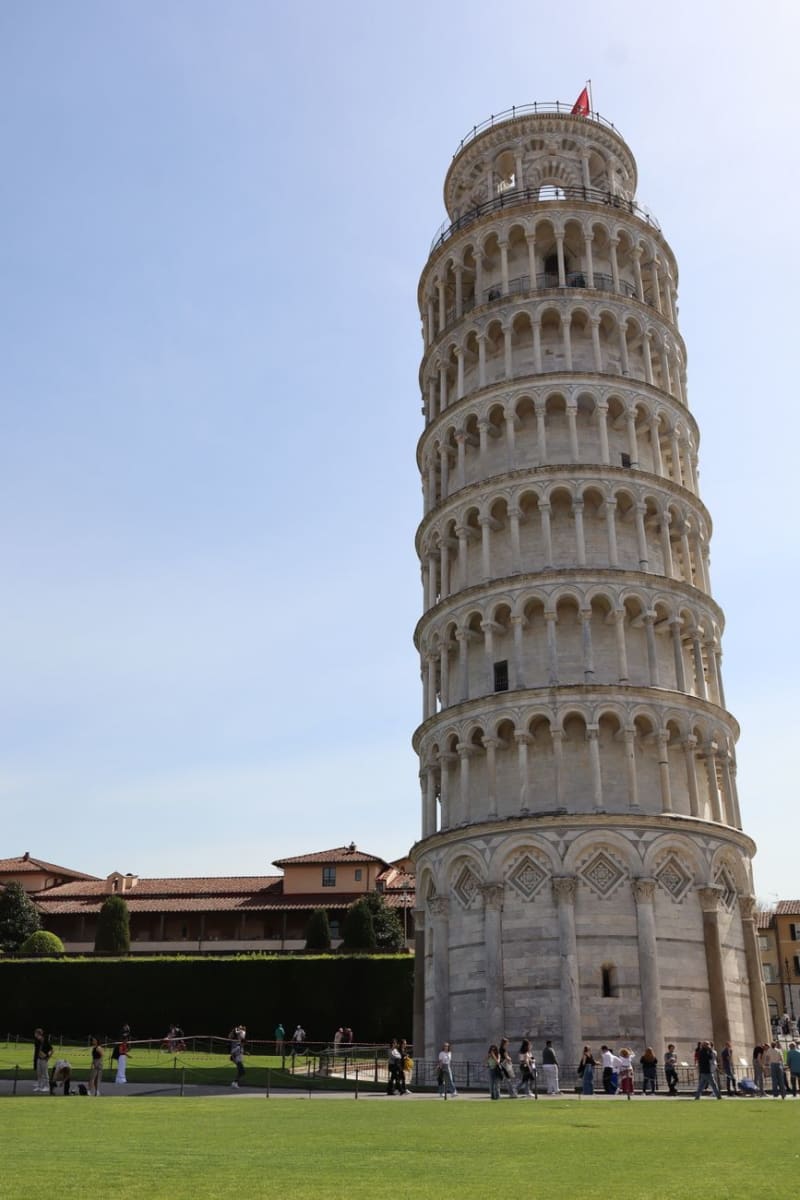 tuscany
Pisa
A Tuscan university city forever upstaged by its leaning tower, with a riverfront of faded palazzi, a fierce student energy, and a famous square that is far stranger than its postcards admit.
Explore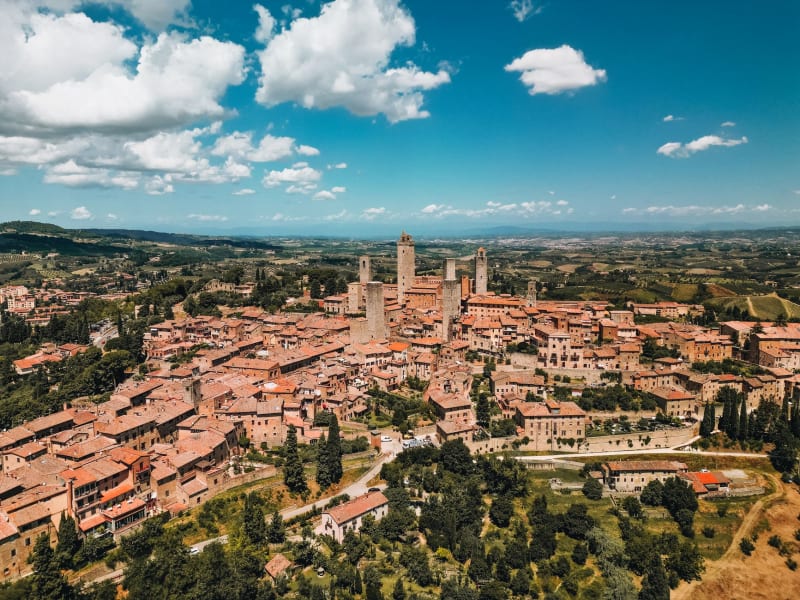 tuscany
San Gimignano
A hilltop town whose medieval towers survive not because anyone planned it but because no one had enough money to tear them down, and the accidental result is one of the most distinctive skylines in Italy.
Explore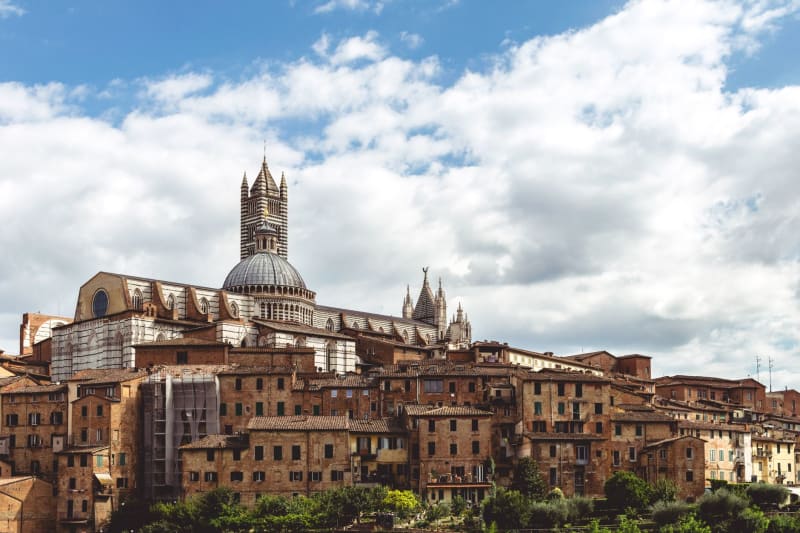 tuscany
Siena
A medieval city so intact it feels like a film set, except the locals really do run horse races through the main square twice a year and mean it.
Explore tuscany
Val d'Orcia
A UNESCO-listed valley south of Siena where the landscape of rolling clay hills, solitary cypresses, and pale dirt roads became the visual template for what people imagine when they imagine Tuscany.
Explore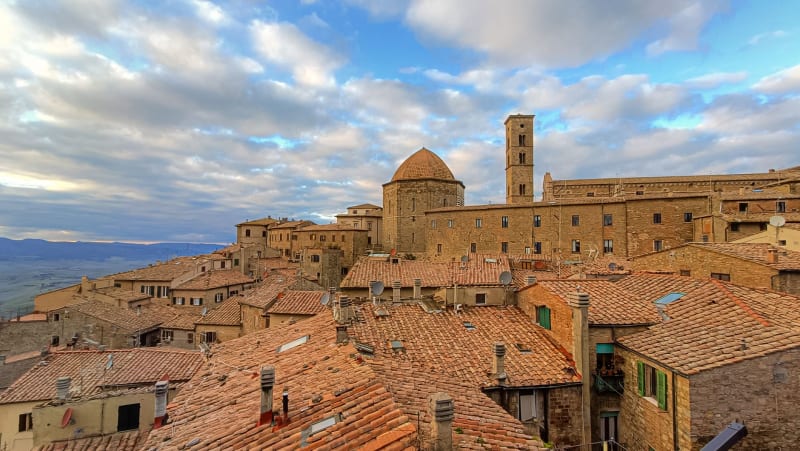 tuscany
Volterra
An Etruscan city on a windswept plateau that has been continuously inhabited for 2,700 years and still feels faintly prehistoric, with an alabaster-carving tradition that outlasted every empire that passed through.
Explore