Elba Island
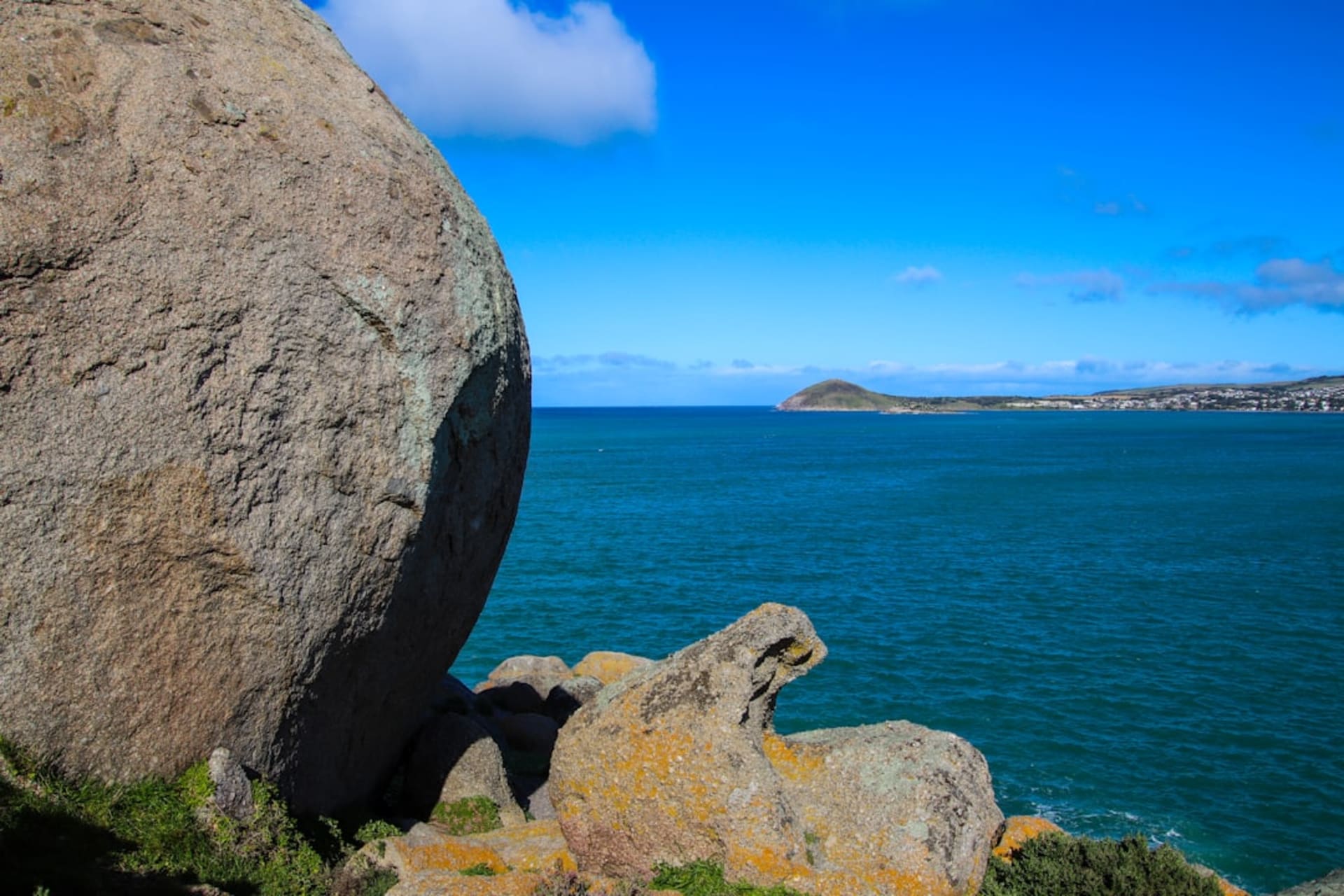
"Lia said it looked more like Corsica than Napoleon's prison, and then we found out it's basically visible from Corsica on a clear day."
Napoleon's island of exile off the Tuscan coast, ringed by granite coves and turquoise water that makes the Caribbean comparisons feel almost fair.

We took the ferry over from Piombino, forty-five minutes across the channel, and I spent most of the crossing trying to picture Napoleon making the same trip in reverse, sailing away from exile back toward France after less than a year on Elba. It’s a strange thing to know walking around Portoferraio, the main town, with its star-shaped Medicean fortifications rising straight out of the harbor — that this small, genuinely beautiful island was considered punishment enough for an emperor. Ten months in, apparently, was all he could take before slipping past the British patrol boats.
Portoferraio itself has real charm, all salt-faded shutters and steep alleys up to the fortress walls, but Elba’s real business is the coastline, and specifically the water. We rented a scooter and did a loop toward the south side, past Marina di Campo with its long sandy beach and toward the smaller granite coves near Fetovaia and Cavoli, where the rock comes down pale and rounded into water that genuinely looks photoshopped — a turquoise that shifts to deep blue a few meters out. We swam at a cove I couldn’t find again on a map if I tried, no sand at all, just flat granite shelves to lay a towel on and water so clear I could see my own shadow on the seabed six meters down.

We did visit Napoleon’s residence, Villa dei Mulini, up on the hill above Portoferraio’s harbor — modest by imperial standards, a handful of rooms with decent views and his library, which felt smaller than I expected for a man who’d apparently kept reading and reorganizing the island’s administration right up until he left. There’s a second villa, San Martino, out in the countryside that we skipped for lack of time, which I regret slightly, though the trade-off was an extra two hours at the beach, so.

What I didn’t expect was the interior — Elba has a real mountain at its center, Monte Capanne, and a cable car that hauls you up in these small open-air cages, more like a fairground ride than proper transport, to a summit view that takes in Corsica on one side and the whole Tuscan Archipelago scattered across the sea on the other. Lia gripped the bar the entire ride up and swore at me in French twice, but agreed at the top it was worth it.
When to go: June or September, after or before the August crowds, when the water is already warm enough to swim and the coastal roads aren’t backed up with day-trippers from the mainland.
Keep exploring
More from Tuscany
 tuscany
Florence
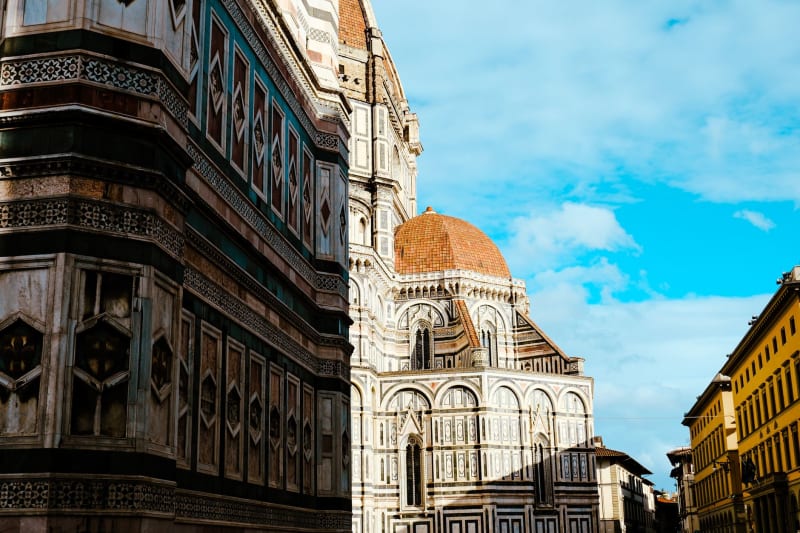
The city where Renaissance ambition calcified into stone and every piazza feels like a stage set that refuses to acknowledge it's still running.
Explore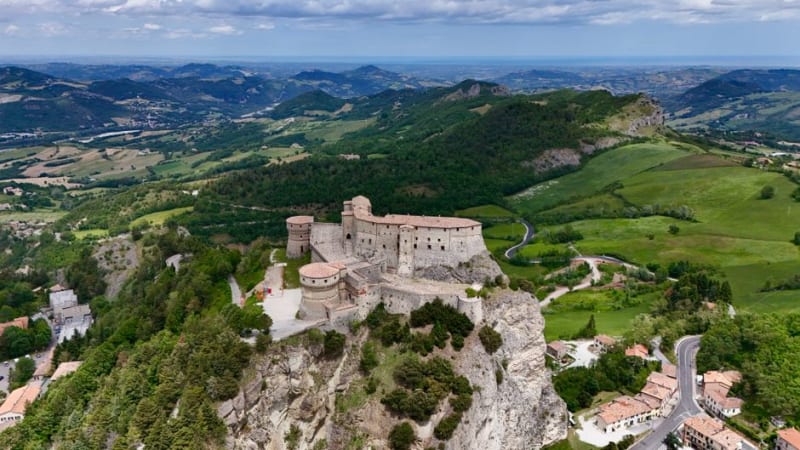 tuscany
Garfagnana
A rugged Apennine valley in northern Tuscany where chestnut forests, marble quarries, and near-empty mountain roads replace the region's usual vineyard postcards.
Explore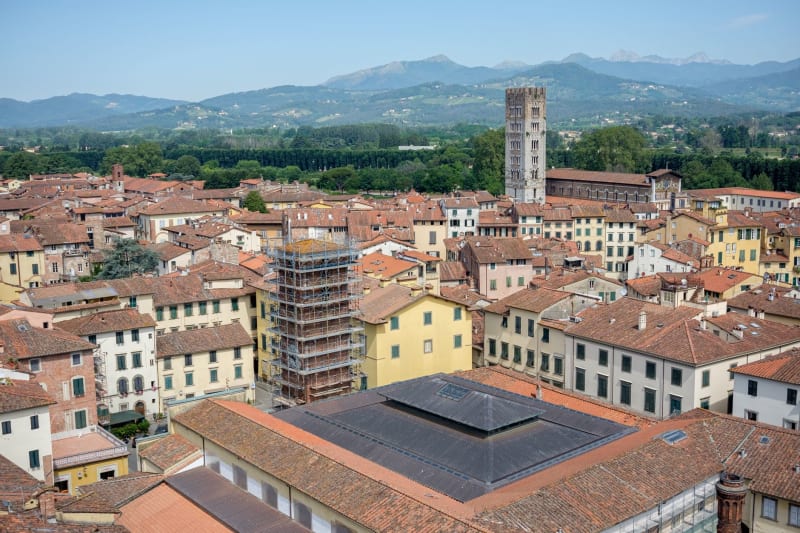 tuscany
Lucca
The only city in Tuscany where the Renaissance walls are intact enough to cycle along the top, and where locals seem genuinely puzzled that anyone would visit Florence when this exists.
Explore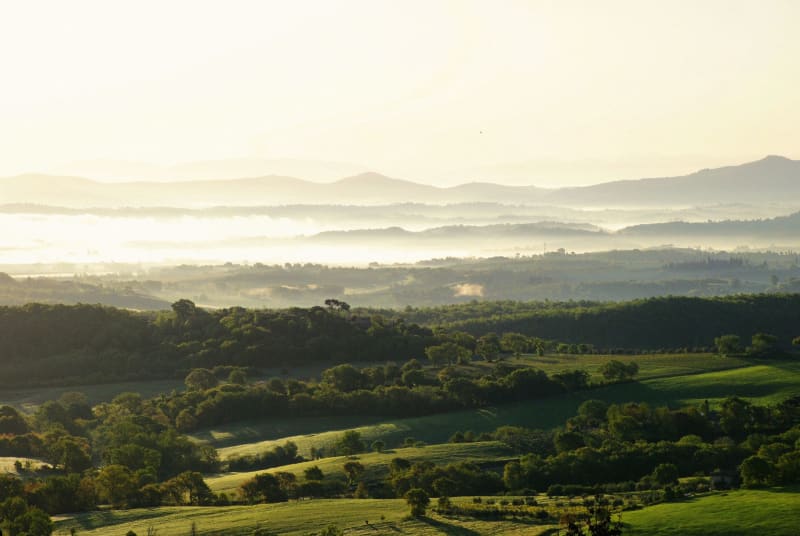 tuscany
Maremma
Tuscany's overlooked coastal south — a region of wild beaches, Etruscan ruins, cowboy culture, and wine that has only recently discovered its own reputation.
Explore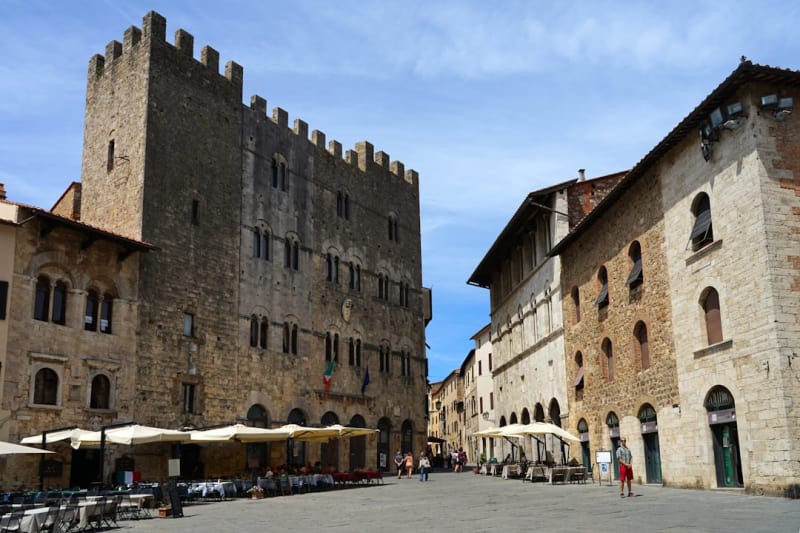 tuscany
Massa Marittima
A former silver-mining town in the Maremma hills, crowned by one of Tuscany's finest Gothic cathedrals and largely untouched by the region's usual crowds.
Explore tuscany
Montalcino
A small hilltop town in the Val d'Orcia that produces one of Italy's most serious red wines and treats the fact with a composure that borders on understatement.
Explore