Siena
"The Piazza del Campo is the only public square I've ever sat in for three hours and not felt like I was wasting time."
A medieval city so intact it feels like a film set, except the locals really do run horse races through the main square twice a year and mean it.

A City That Refused to Modernize
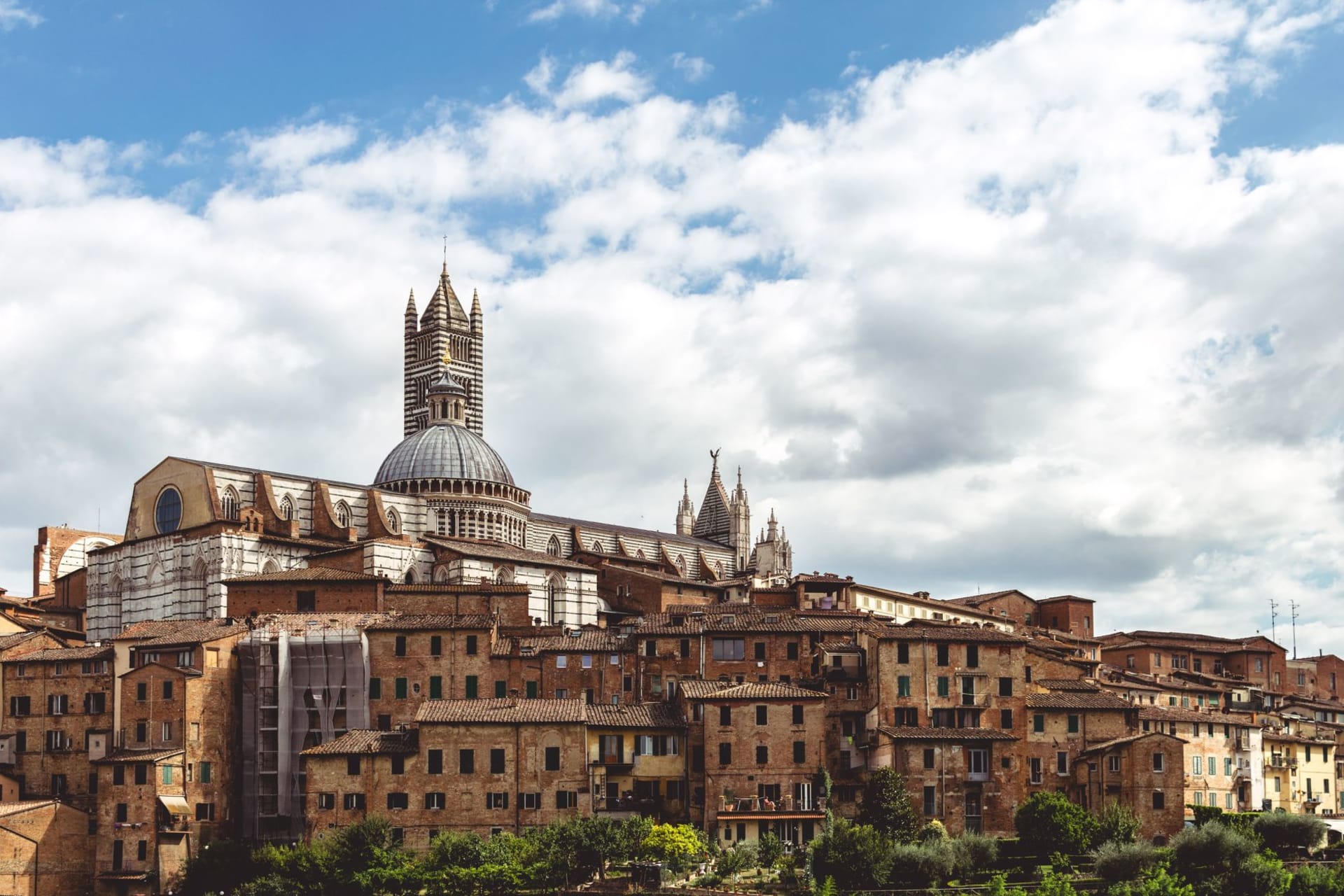
Siena lost the plague lottery in 1348 — somewhere between a third and half the population died — and the trauma froze the city architecturally. What you walk through now is essentially the fourteenth century, preserved not by intention but by a kind of catastrophic pause that never fully restarted. The streets are narrow and brown and they wind uphill unexpectedly, and the light in the afternoon comes off the travertine at an angle that makes everything look slightly gilded.
I arrived by bus from Florence, which is the correct way — the train drops you in the valley and forces a climb, but the bus deposits you at the edge of the old city and you walk straight in. The smell when you step out is stone dust and, faintly, horse. This makes more sense once you understand the Palio.
The Campo and What It Means
The Piazza del Campo is shaped like the inside of a scallop shell — it slopes gently toward the Palazzo Pubblico, and the paving is laid in nine segments of brick radiating outward, representing the nine magistrates who governed Siena in its medieval peak. Twice a year, during the Palio, they pack dirt onto those bricks and run bareback horses around the perimeter at dangerous speeds, the whole thing organized by neighbourhood allegiances that go back centuries and remain genuinely, almost violently serious.
I arrived in early October, weeks after the last race. A cleanup crew was still adjusting the brick edging where the dirt track had been laid. An old man at a bar on the edge of the square spent ten minutes explaining to me which contrada he belonged to, how long his family had belonged to it, and why the contrada that had won the most recent race had done so unfairly. He was not interested in my opinion on the matter.
The Gothic Interior
Inside the Duomo di Siena, the floor is the most extraordinary thing: fifty-six marble panels of inlaid imagery, covering the entire nave, depicting sibyls and allegories and biblical scenes with a precision that took two centuries of work. For most of the year they’re partially covered to protect them, but in August and September they uncover the full floor and it’s worth arranging your trip around it.
The Libreria Piccolomini, off the left nave, contains frescoes by Pinturicchio so vivid they look freshly painted — the lapis lazuli blues haven’t faded, the figures gesture with something close to theatrical urgency. I stood in front of them for longer than I meant to, trying to figure out whether the colours were restored or simply original. The answer, I learned later, is essentially original.
Eating in the Contrade
Siena’s food is darker and more wintery than Florence’s — cinghiale (wild boar) in everything, pici pasta with thick meat sauces, ribollita that’s even denser than the Florentine version. Panforte — the compressed disc of fruit and spice and honey that’s been made here since medieval times — is one of those things I was prepared to find cloyingly sweet and instead found genuinely interesting. It tastes like a fruitcake that has spent centuries deciding what it wants to be.
I ate dinner at a place in the Tartuca contrada with plastic tablecloths and a fixed menu written on a chalkboard. The pici al cinghiale arrived in a quantity that suggested they hadn’t looked at me carefully before plating it. I finished it anyway.
When to go: May and June before the summer crowds peak, or September and October after the last Palio (August 16). The Palio itself — July 2 and August 16 — is extraordinary if you understand what you’re watching and have arranged tickets well in advance, but the city is overwhelming during race week. Winter is quiet, cold, and oddly beautiful.
Keep exploring
More from Tuscany
 tuscany
 Val d'Orcia
A UNESCO-listed valley south of Siena where the landscape of rolling clay hills, solitary cypresses, and pale dirt roads became the visual template for what people imagine when they imagine Tuscany.
Explore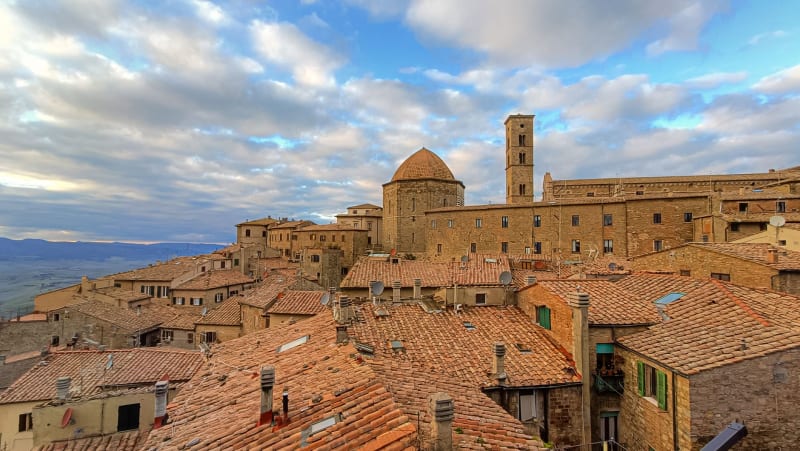 tuscany
 Volterra
An Etruscan city on a windswept plateau that has been continuously inhabited for 2,700 years and still feels faintly prehistoric, with an alabaster-carving tradition that outlasted every empire that passed through.
Explore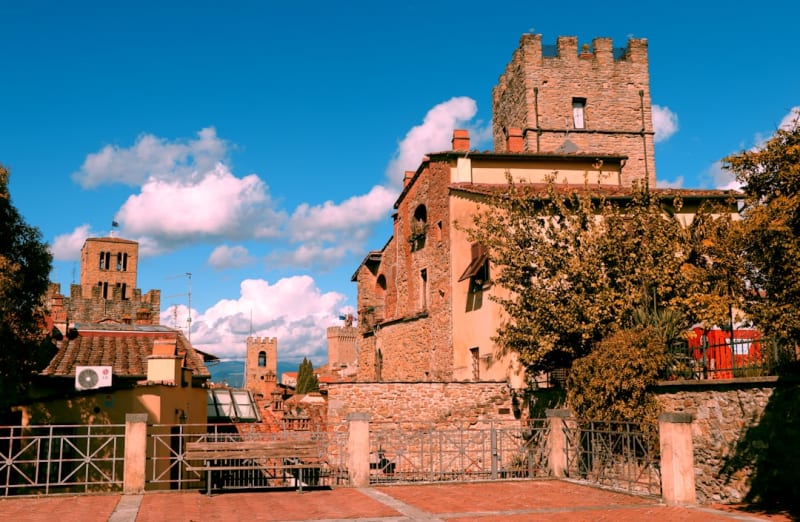 tuscany
 Arezzo
A working Tuscan city whose Basilica di San Francesco holds Piero della Francesca's fresco cycle, and whose antiques market spills across a medieval square once a month.
Explore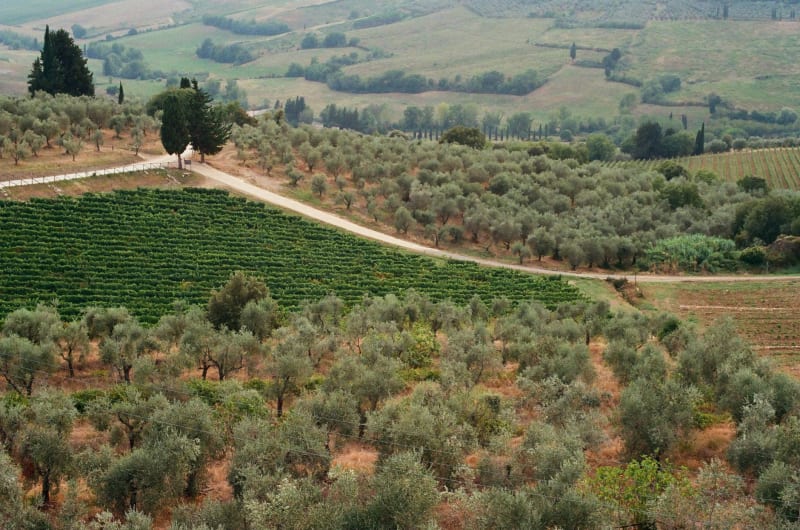 tuscany
 Chianti
A wine region between Florence and Siena where the landscape itself seems designed as a delivery mechanism for Sangiovese, and the roads exist mainly to connect one cellar to the next.
Explore tuscany
 Cortona
An Etruscan hill town so steep you half-expect it to slide into the Val di Chiana below, where the air is always cooler than the valley, and where the art in the local museum is better than anyone seems to have told the tourists.
Explore tuscany
 Elba Island
Napoleon's island of exile off the Tuscan coast, ringed by granite coves and turquoise water that makes the Caribbean comparisons feel almost fair.
Explore