Arezzo
"I stood in front of the Legend of the True Cross frescoes for so long that the guard eventually asked if I was okay."
A working Tuscan city whose Basilica di San Francesco holds Piero della Francesca's fresco cycle, and whose antiques market spills across a medieval square once a month.

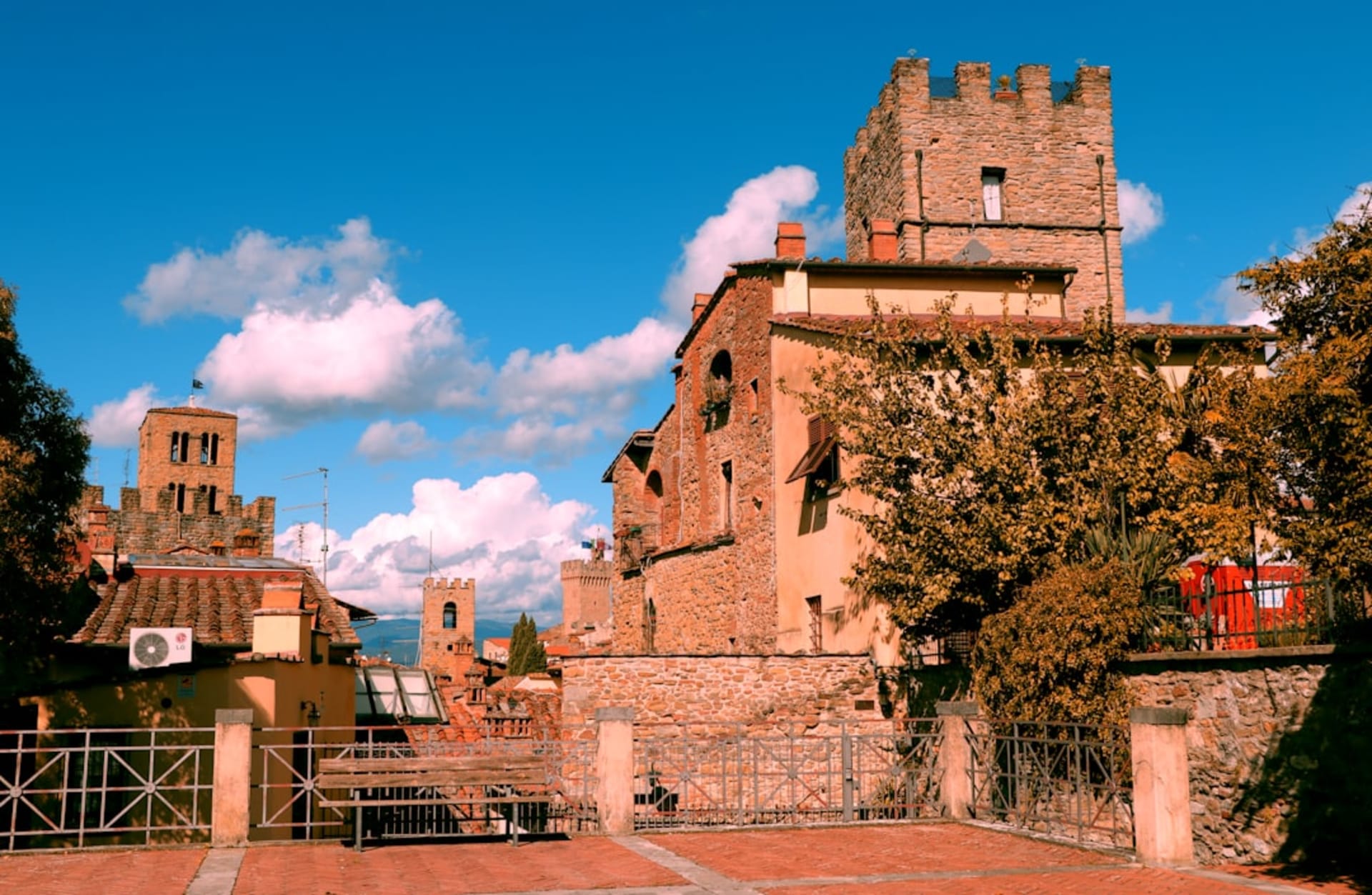
I’ll admit we almost skipped Arezzo. It doesn’t have the postcard reputation of Siena or the sheer weight of Florence, and on the drive down from Bologna it looked, from the outside, like a fairly ordinary regional city with a ring road and some apartment blocks. Then we parked and walked up into the old center and understood why people who actually know Tuscany keep telling you to go. The Basilica di San Francesco is unassuming from the outside — plain brick facade, easy to walk past — but inside is Piero della Francesca’s Legend of the True Cross cycle, painted in the 1450s and 60s, and I stood in front of it for so long that the guard on duty eventually wandered over to check I hadn’t fallen asleep standing up.
What gets me about those frescoes isn’t just the story they tell, which is a strange, meandering medieval legend about the wood of the cross traveling from Eden to Jerusalem to Constantine’s battlefield. It’s the faces. Piero painted real Tuscan faces, calm and specific, into scenes of biblical battle and dream visions, and the effect four hundred years later is oddly intimate — like eavesdropping on people you almost recognize. You need to book a slot ahead of time, only small groups are let in for a fixed window, which felt excessive when we arrived and made complete sense once we were inside.

Outside, Piazza Grande does something I hadn’t seen elsewhere in Tuscany: it slopes, quite steeply, like a shallow amphitheater ringed by medieval towers and Vasari’s arcaded loggia on one side. We happened to be there on the first weekend of the month, which is when Arezzo’s antiques fair takes over the whole square — hundreds of stalls of old ceramics, ironwork, furniture, postcards, chandeliers, the genuinely good stuff mixed in with junk. Lia found a set of hand-painted majolica plates from a stall run by a guy who’d clearly been doing this for decades and barely looked up from his newspaper to haggle.

We ate dinner that night at a small place near Via Cavour, tortelli stuffed with potato in a butter-and-sage sauce that I still think about, and walked back to the car past the cathedral, its facade lit up against a completely dark sky. Arezzo doesn’t try to seduce you the way its more famous neighbors do. It just sits there, a bit rough around the edges, holding one of the best things I’ve seen in Italy almost by accident.
When to go: Time your visit for the first weekend of the month if you want the antiques fair, and book the San Francesco frescoes online well in advance — slots sell out days ahead in high season.
Keep exploring
More from Tuscany
 tuscany
 Chianti
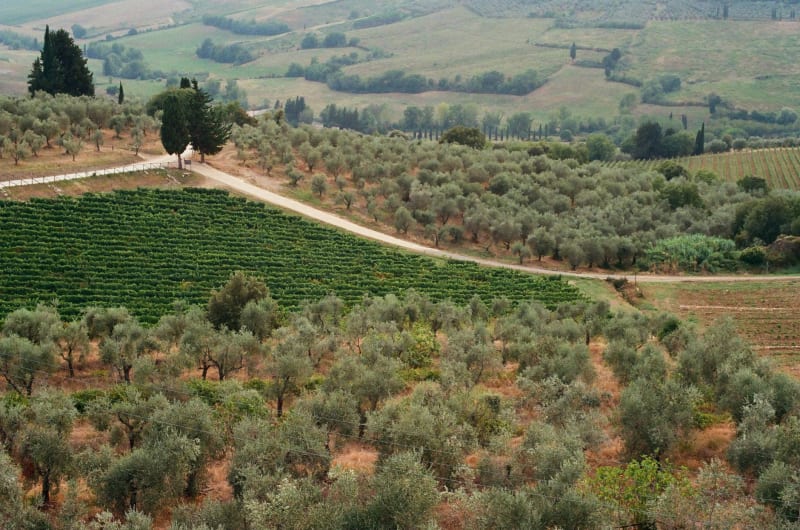
A wine region between Florence and Siena where the landscape itself seems designed as a delivery mechanism for Sangiovese, and the roads exist mainly to connect one cellar to the next.
Explore tuscany
 Cortona
An Etruscan hill town so steep you half-expect it to slide into the Val di Chiana below, where the air is always cooler than the valley, and where the art in the local museum is better than anyone seems to have told the tourists.
Explore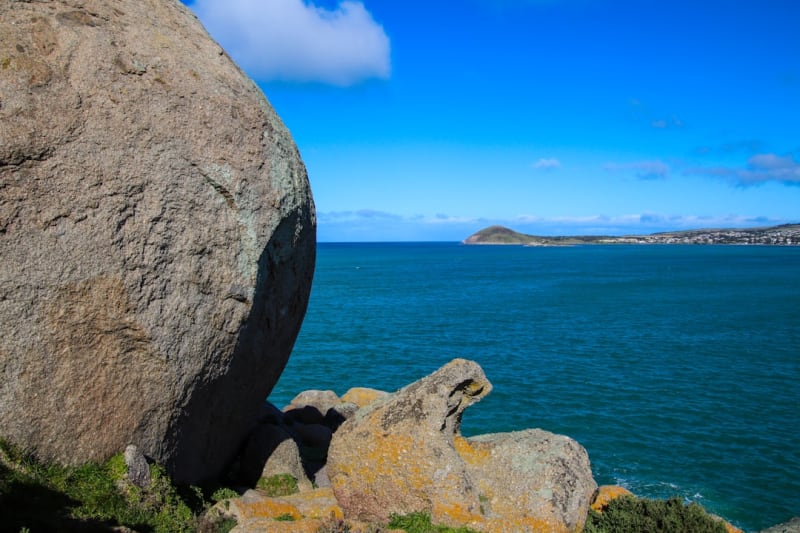 tuscany
 Elba Island
Napoleon's island of exile off the Tuscan coast, ringed by granite coves and turquoise water that makes the Caribbean comparisons feel almost fair.
Explore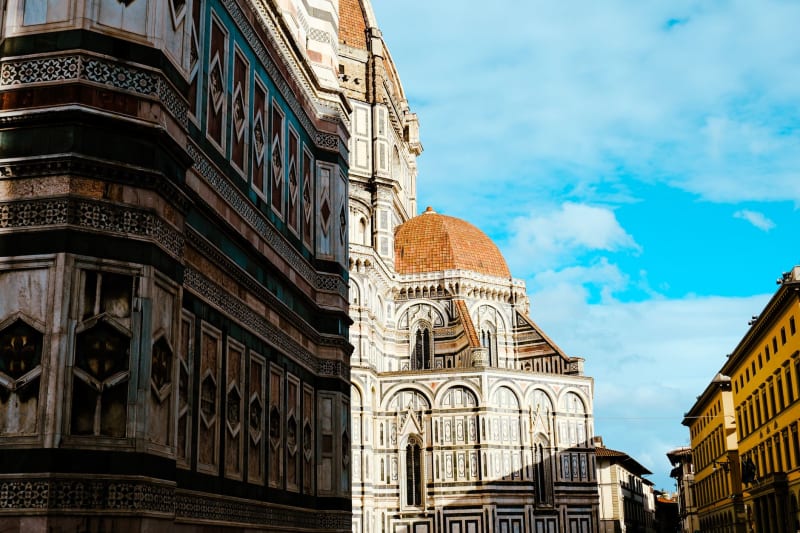 tuscany
 Florence
The city where Renaissance ambition calcified into stone and every piazza feels like a stage set that refuses to acknowledge it's still running.
Explore tuscany
 Garfagnana
A rugged Apennine valley in northern Tuscany where chestnut forests, marble quarries, and near-empty mountain roads replace the region's usual vineyard postcards.
Explore tuscany
 Lucca
The only city in Tuscany where the Renaissance walls are intact enough to cycle along the top, and where locals seem genuinely puzzled that anyone would visit Florence when this exists.
Explore