Africa
Tanzania
"The country where the natural world still feels like it is in charge."
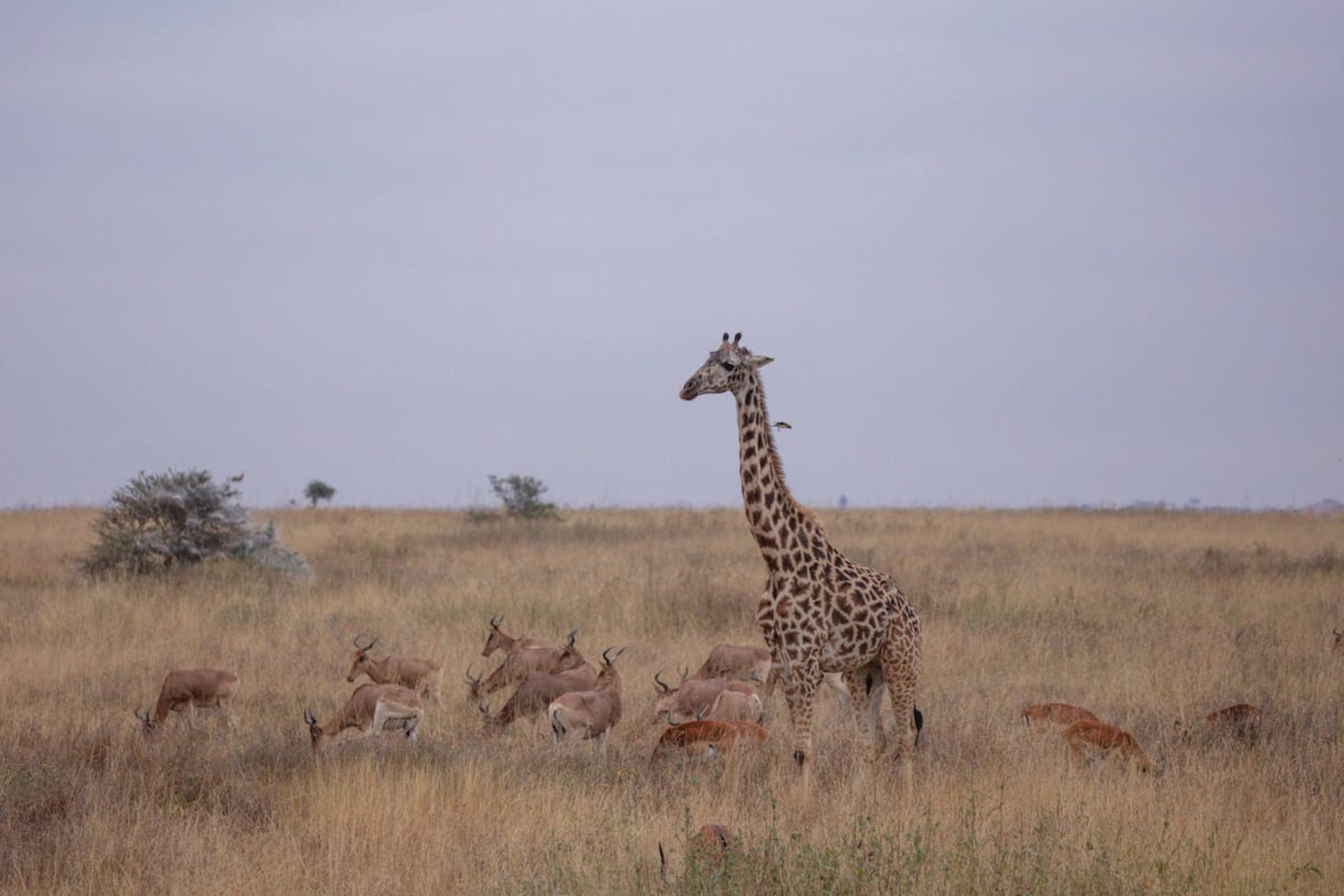
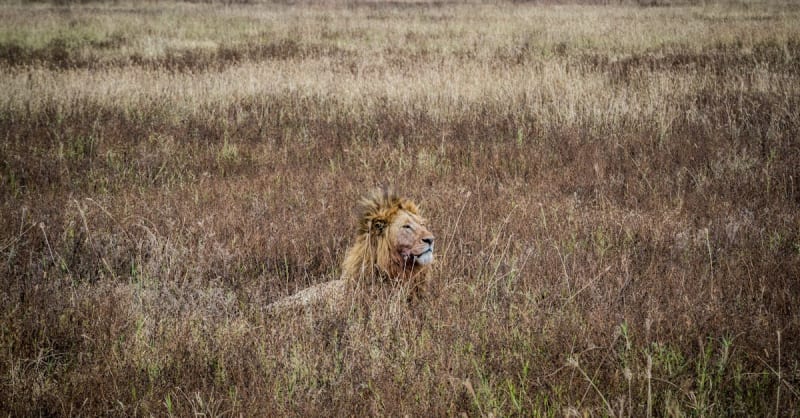
The Serengeti does something to your sense of proportion. You drive for hours across grassland that extends to every horizon, and the animals are not attractions placed for your benefit — they are the reason the landscape exists. Two million wildebeest. Hundreds of thousands of zebra. Lions sprawled in the shade of a kopje as if your Land Cruiser is beneath their notice, which it is. The Great Migration is often sold as a single event, but it is really a year-long circle of birth, death, river crossings, and grass. Whenever you arrive, something extraordinary is happening.
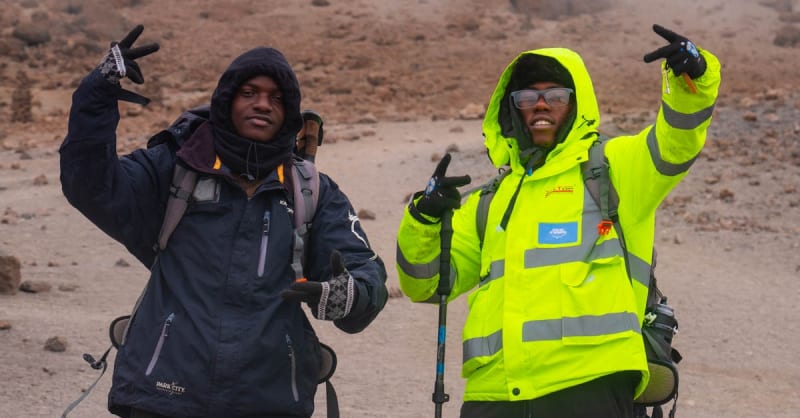
Kilimanjaro rises from the plains with an abruptness that defies geology — a snow-capped volcano standing alone above the savannah, visible from a hundred kilometers away. Climbing it is one of those rare physical challenges that requires no technical skill, only endurance and the willingness to be humbled by altitude. The summit at dawn, looking out over a cloud sea that stretches to the curve of the earth, earns its reputation as a life-defining moment.
Then there is Zanzibar, and the tonal shift is total. Stone Town’s labyrinth of carved doorways and narrow streets carries the scent of clove and cardamom. The beaches on the east coast are absurdly beautiful — white sand, turquoise water, dhows tilting in the wind. After a week of dust and early mornings on safari, Zanzibar feels like a reward the country designed specifically for the weary.
When to go: June to October for dry season safari and the Mara River crossings in the northern Serengeti. January to February for calving season in the southern Serengeti and the best Kilimanjaro weather. Zanzibar is best from June to October or December to February, avoiding the long rains of April and May.
What most guides get wrong: They price people out. Tanzania’s park fees and lodge rates are among Africa’s highest, creating the impression that this is an exclusively luxury destination. It is not. Camping safaris, budget lodges outside park boundaries, and the less-visited southern circuit — Ruaha, Selous, the Mahale chimpanzees — offer encounters just as profound at a fraction of the cost. The wildlife does not check your room rate.
Explore
Places in Tanzania
Arusha
The safari capital of Tanzania, a highland town nestled beneath Mount Meru that serves as the gateway to the northern circuit parks.
Kilimanjaro
Africa's highest peak and the world's tallest freestanding mountain, rising 5,895 meters from savannah to glacier in five climate zones.
Lake Manyara
A compact park at the base of the Rift Valley escarpment, famous for tree-climbing lions and vast flocks of flamingos on the alkaline lake.
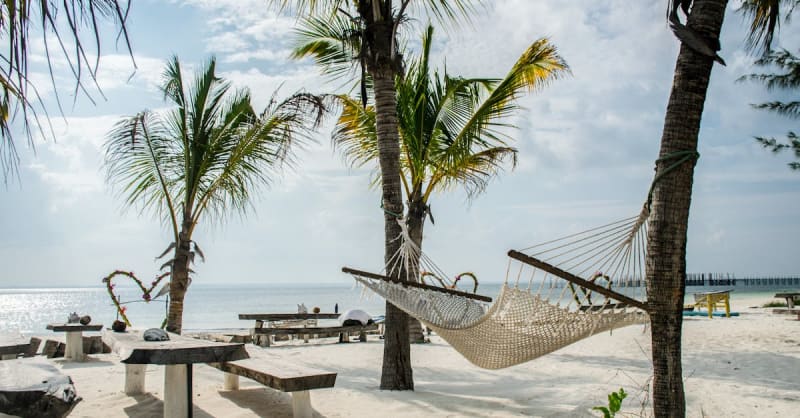
Mafia Island
An unhurried Indian Ocean island where a marine park protects whale sharks, coral gardens, and some of East Africa's finest diving.
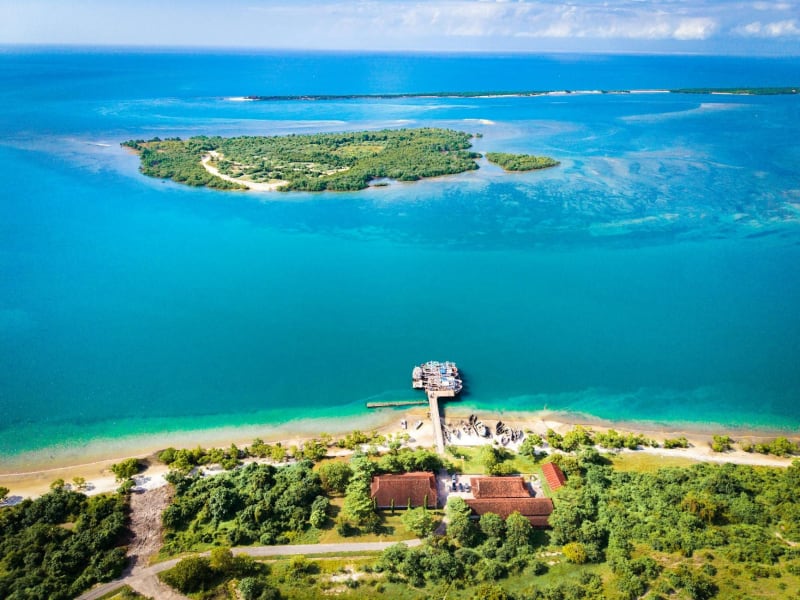
Mafia Island Marine Park
Tanzania's least-visited island with a marine park protecting whale shark feeding grounds and pristine coral walls.

Mahale Mountains National Park
A remote range of forested peaks plunging straight into Lake Tanganyika, home to one of the last great wild populations of chimpanzees.
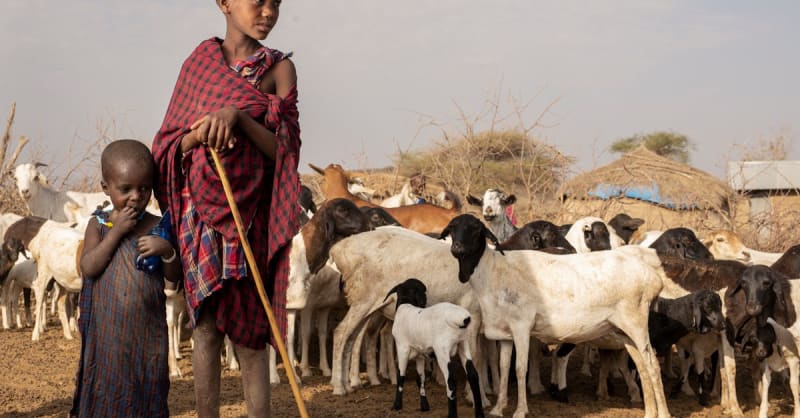
Ngorongoro
The world's largest intact volcanic caldera, a natural amphitheater sheltering one of the densest concentrations of wildlife on earth.
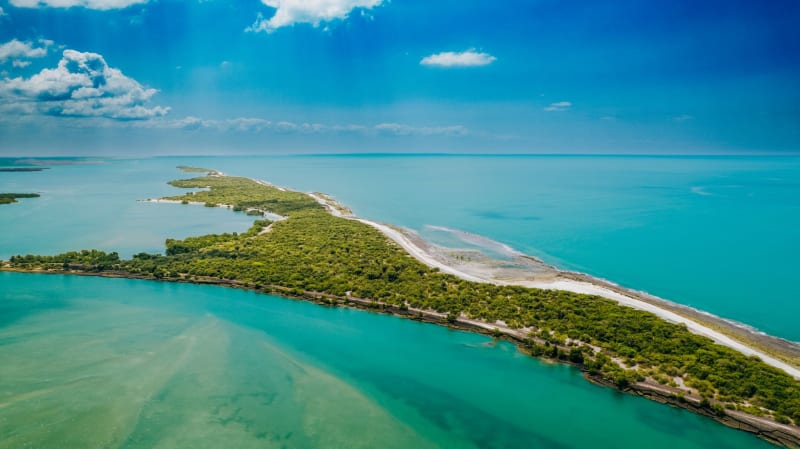
Pemba Island
The forgotten sister of Zanzibar — clove-scented, lush, and surrounded by some of Africa's best diving.
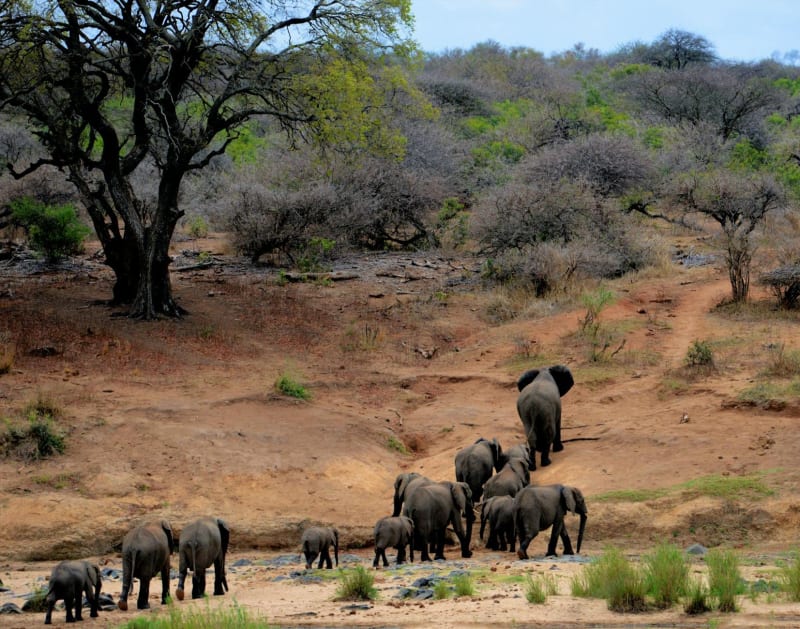
Ruaha National Park
Tanzania's largest park, raw and uncrowded, where elephants gather under ancient baobab trees.

Selous
Africa's largest game reserve, a wild southern Tanzania wilderness where boat safaris on the Rufiji River offer a different kind of game drive.
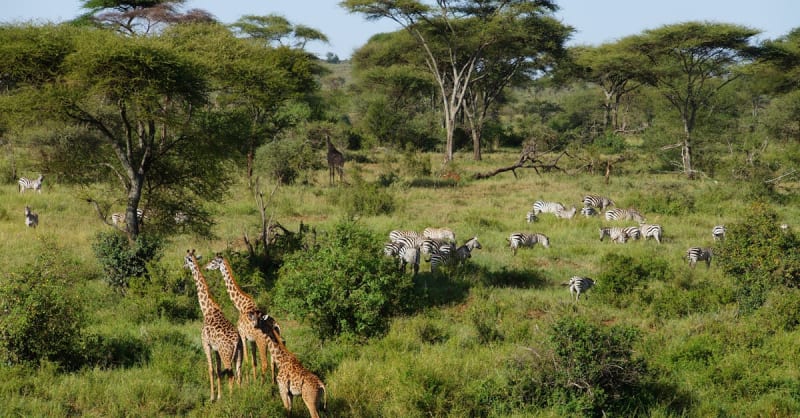
Serengeti
The endless plains where the Great Migration sends two million wildebeest thundering across grasslands in nature's most spectacular wildlife event.
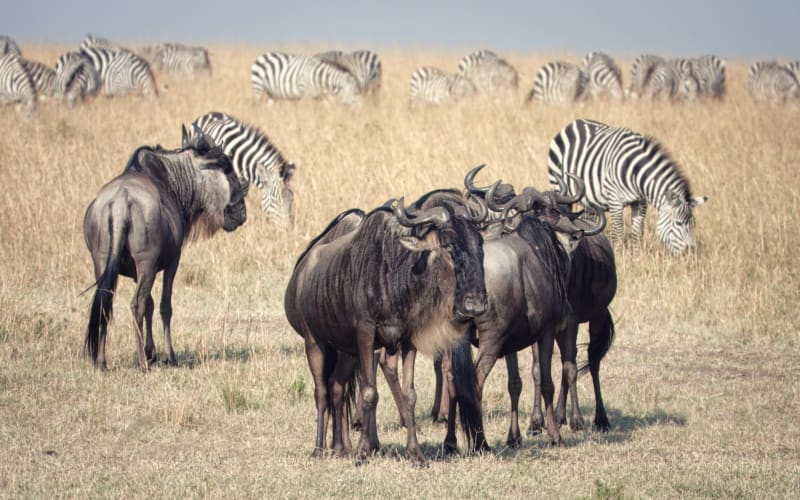
Serengeti Migration
The great wildebeest crossing at the Mara River — a thundering spectacle unlike anything else on Earth.
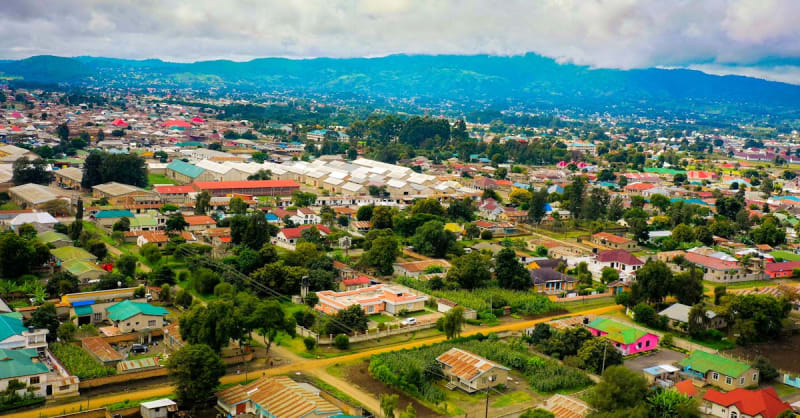
Stone Town
Zanzibar's UNESCO-listed old quarter, a labyrinth of coral-stone buildings where Omani, Indian, and Swahili cultures have mingled for centuries.
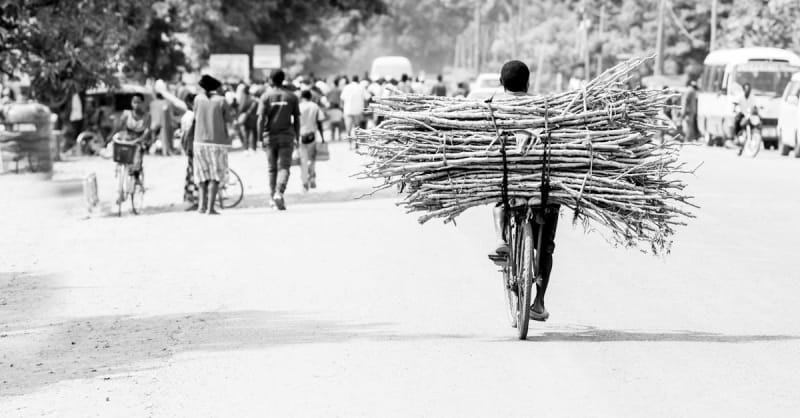
Tarangire
A hidden gem of the northern circuit, where ancient baobab trees and the Tarangire River draw massive elephant herds in dry season.
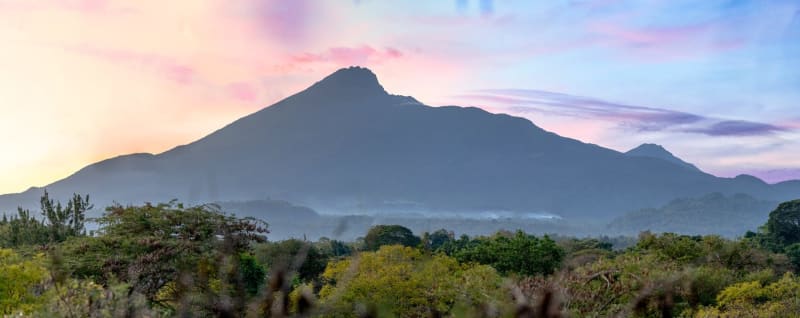
Usambara Mountains
Mist-draped highlands nicknamed the 'Galapagos of Africa' for their staggering biodiversity.
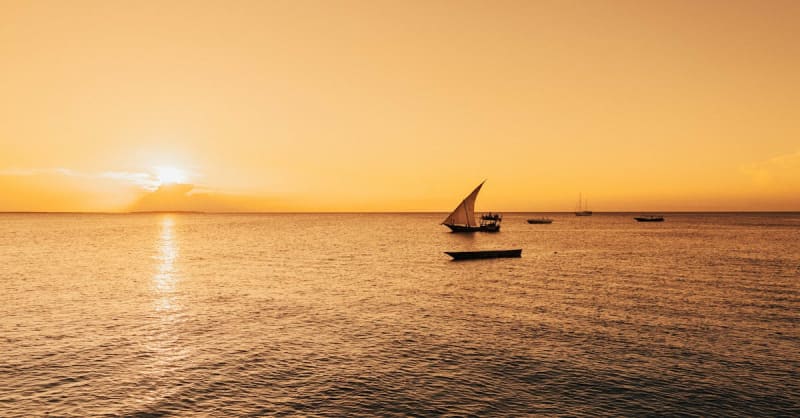
Zanzibar
The Spice Island of the Indian Ocean, where coral-stone architecture, turquoise waters, and centuries of trade history create an intoxicating blend.
Free download
Get the Tanzania Guide
A curated PDF itinerary with honest picks, real restaurants, and the details that matter — the kind you'd actually print and bring.
Download the guide