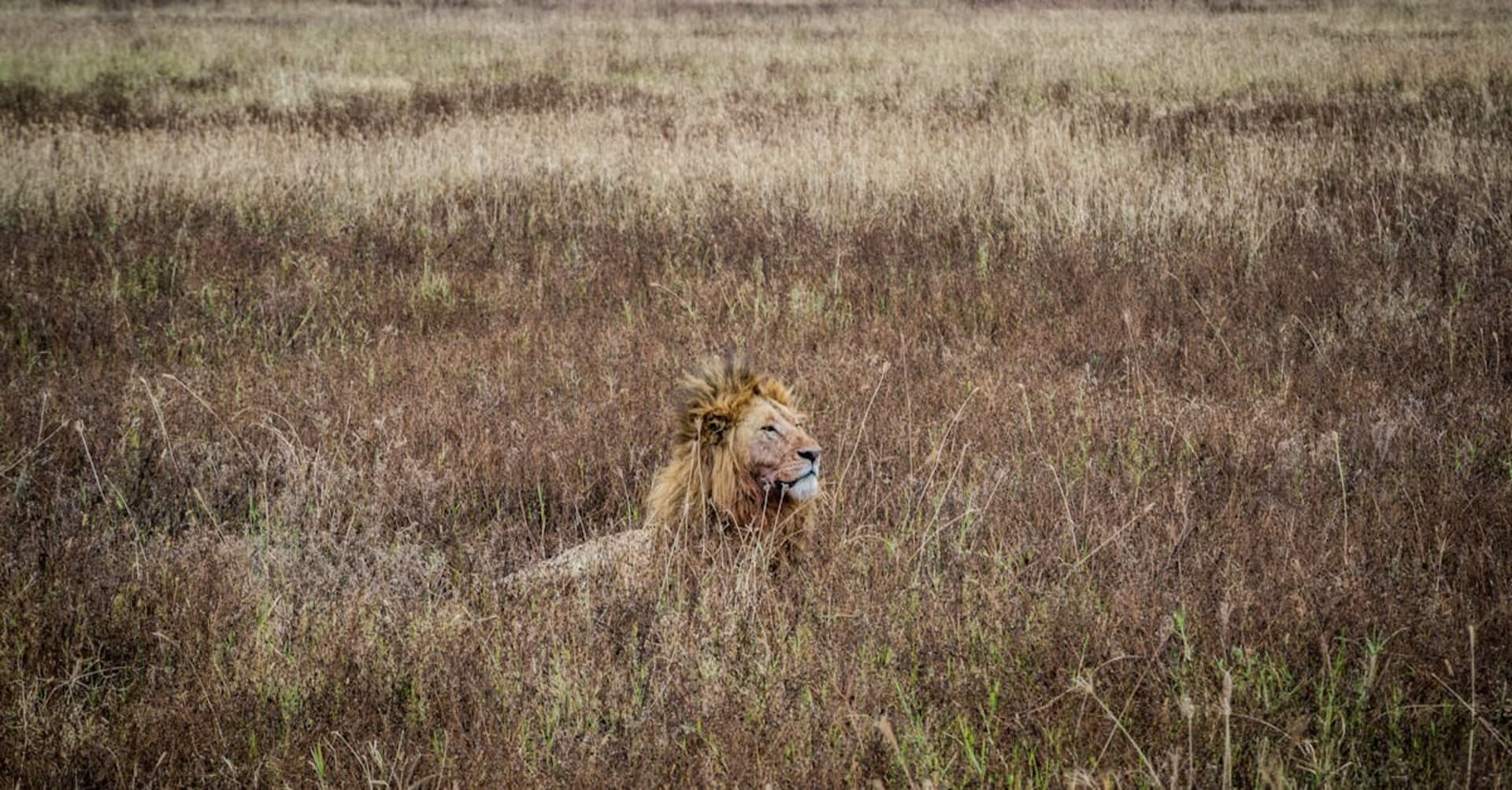
Every great East African safari begins with a threshold, and for the northern circuit of Tanzania, that threshold is Arusha. The town sits at 1,400 meters on the southern slopes of Mount Meru, wrapped in a climate so mild it feels borrowed from another continent — cool mornings, warm afternoons, the scent of arabica blossoms drifting from the coffee estates that terrace the hillsides above. It is a place of arrivals and departures, of Land Cruisers being loaded at dawn and sundowner stories being traded at dusk, and yet Arusha is far more than the sum of its logistics.
The town has the energy of a frontier capital. Safari outfitters line the main roads, their yards crowded with vehicles being serviced for the long drive north. Guides in pressed khaki compare notes at coffee shops. The Maasai market, held on certain days in a dusty lot near the clock tower, is a kinetic swirl of beadwork, carved ebony, and negotiation conducted in three languages simultaneously. To wander through it is to understand that Arusha is not merely a gateway — it is a culture unto itself, shaped by the convergence of dozens of ethnic groups drawn here by commerce, tourism, and the mountain.
And the mountain demands attention. Mount Meru rises to 4,566 meters northeast of town, its summit often capped in cloud, its lower slopes cloaked in montane forest so dense and green it seems to vibrate. The four-day trek to the summit is one of East Africa’s finest — technically more demanding than Kilimanjaro, with a knife-edge ridge walk along the crater rim that rewards climbers with views across to Kili’s snow-capped dome floating above the clouds. Yet Meru receives a tiny fraction of the traffic. On the mountain, you will meet your own thoughts more often than other trekkers.
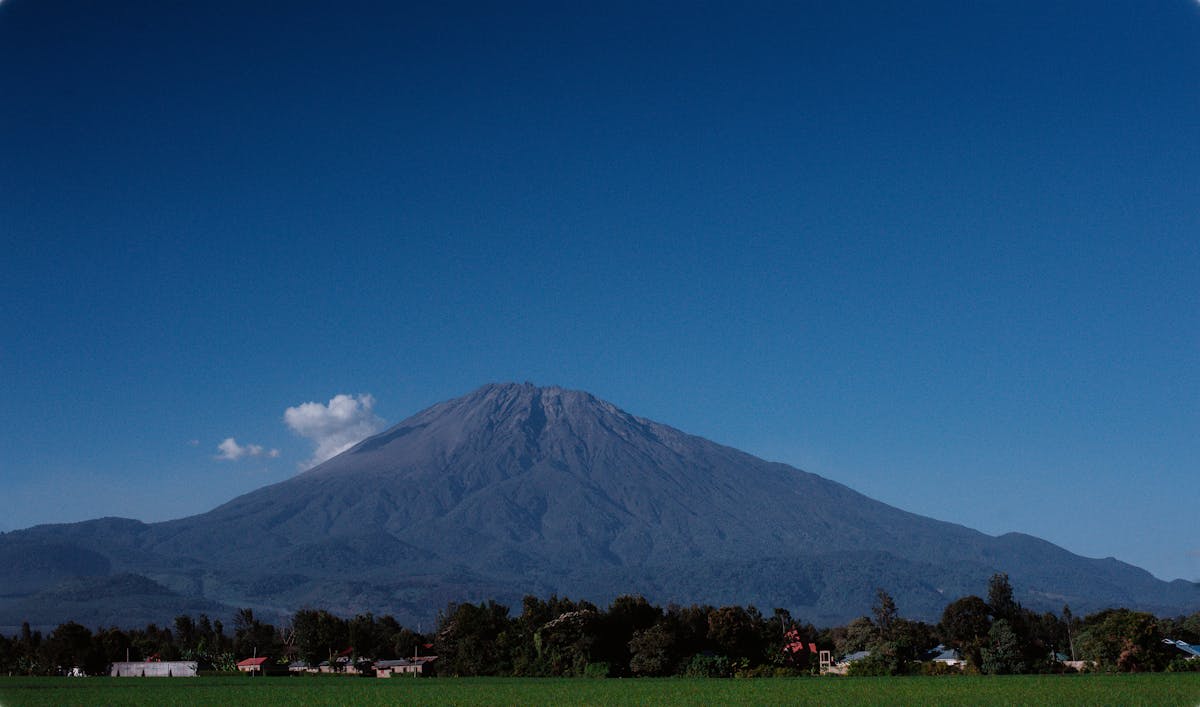
Arusha National Park, which encompasses Meru’s lower slopes, is the most underrated park in the northern circuit. Within its modest boundaries you will find black-and-white colobus monkeys swinging through fig canopies, giraffes browsing in open glades, buffalo herds grazing beneath the crater wall, and the ethereal Momella Lakes — a chain of shallow alkaline pools, each a slightly different shade of blue or green depending on the algae, their shores fringed pink with lesser flamingos. A canoe safari on one of the lakes, drifting silently past hippos while Mount Meru towers overhead, is one of the most quietly spectacular experiences available in Tanzania.
Back in town, the Cultural Heritage Centre on the road toward Dodoma houses a world-class collection of Tingatinga paintings, Makonde carvings, and Tanzanite gemstones — the blue-violet mineral found nowhere else on Earth but the Merelani Hills just south of here. The centre is part gallery, part museum, part treasure house, and an afternoon spent within its rooms offers a concentrated education in the artistic traditions of the region.
But it is the coffee plantations that linger in memory. Arusha sits in the heart of Tanzania’s arabica belt, and a morning spent touring the estates — watching the red cherries sorted, dried, and roasted — ends invariably with a cup so fresh and layered it redefines the word. The farmers here grow their beans on the same volcanic soil that built Meru, and you can taste the mountain in every sip: dark, mineral, faintly floral, and deeply alive.
When to go: June to October for dry season and the clearest views of Mount Meru. January to March offers a second dry window. Arusha’s highland climate remains comfortable year-round, making it a rewarding stop in any season.