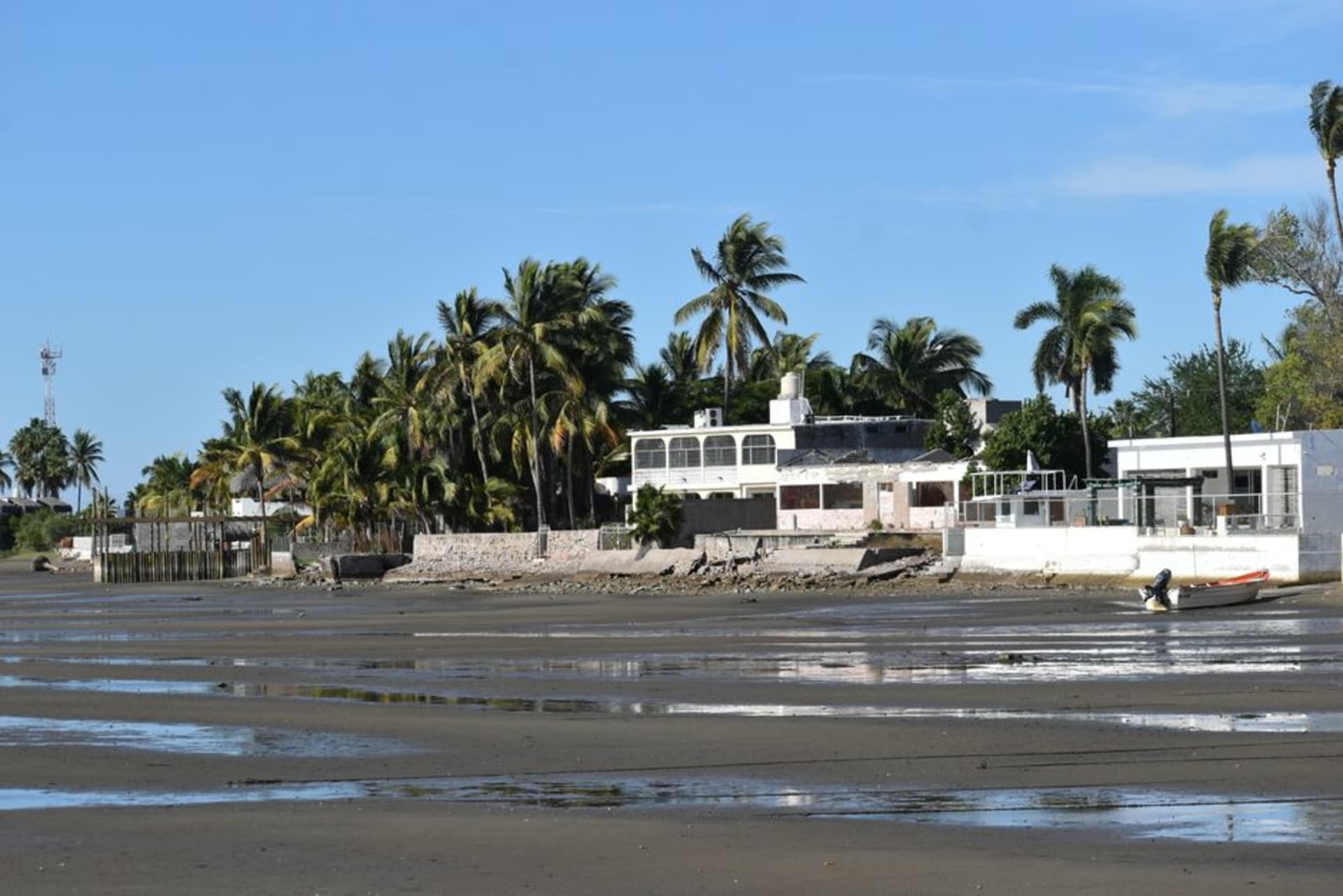
Altata
"The aguachile at Altata was so fresh that I felt a complicated gratitude — the kind that comes when something has been alive very recently and tasted extraordinary."
Altata is where Culiacán comes to eat on weekends — the beach annex of the state capital, sixty kilometers and an entirely different energy away. The mangrove channels running behind the beach are among the best kayaking on the Pacific coast, and the aguachile here is made with shrimp pulled from those same channels that morning.

Most beaches on the Pacific coast earn their visitors through effort — a long bus ride, a dirt track, some minor adventure to make the arrival feel deserved. Altata asks almost nothing. Drive sixty kilometers west from Culiacán on a flat highway and then, rather suddenly, the land thins to a strip between the ocean and a network of mangrove channels, and you have arrived. On Saturday mornings, half of Culiacán appears to have had the same idea. Families arrange themselves under palapas, coolers already open, and the smell of grilling shrimp begins its work before you have found a place to sit.
The Channels Behind the Beach
The thing nobody explains about Altata is that the beach is almost secondary. The real geography is the system of esteros — tidal channels threaded through mangrove — that runs along the inland side of the peninsula. I rented a kayak from a man operating out of a palapa near the main embarcadero and spent the better part of a morning going deeper into the channels than any sane tourist probably should. The mangroves here are in good shape, dense and tangled at the waterline, with herons working the shallows and egrets lifting off at the last possible moment. At one point the channel narrowed to barely the width of my kayak and I could hear the ocean on one side and nothing but birds on the other. It is the kind of silence that feels earned, which is funny, because Altata is supposed to be the easy beach.

Aguachile and the Economics of Freshness
Sinaloa has a reasonable claim to being the origin of aguachile, and Altata has a reasonable claim to being where you eat it best. The logic is simple: the shrimp in your bowl were likely swimming in those mangrove channels this morning. At El Delfín, on the malecón facing the estero, I ordered the aguachile verde — shrimp barely cured in lime juice with blended serrano and cucumber — and spent a few quiet minutes thinking about how there is a category of freshness that goes beyond fresh and becomes something almost philosophical. The shrimp were still slightly translucent at the center. The heat from the serrano came in slowly, the way good heat does. I ate it with tostadas and a cold Pacifico and watched the pelicans working the channel and thought that this was an unreasonably good lunch for a Tuesday.

Timing and the Weekend Question
Come on a weekday if you can. Saturday and Sunday, Altata functions as an outdoor dining room for Culiacán — loud, cheerful, full of families with industrial quantities of beer and botana — which is its own experience and not without charm. But Tuesday or Wednesday, the place settles into something quieter. The mariscos restaurants still open around noon; the fishermen still bring boats in through the morning. I walked the beach for an hour without seeing anyone I had not chosen to see. If you are coming down the Sinaloa coast from the north, Altata makes a sensible half-day stop — long enough for lunch and a kayak rental on the estero, short enough that you are back on the road before the afternoon heat becomes a topic of conversation.

Getting There
Altata is sixty kilometers west of Culiacán on a good paved road — roughly an hour by car. From Culiacán’s central bus station, colectivo taxis run to Altata on weekends; on weekdays it is easier to hire a cab or rent a car. There is no through road beyond Altata worth taking — you come here specifically, or you do not come.
Keep exploring
More of Sinaloa
Keep exploring
More from Sinaloa
 mexico
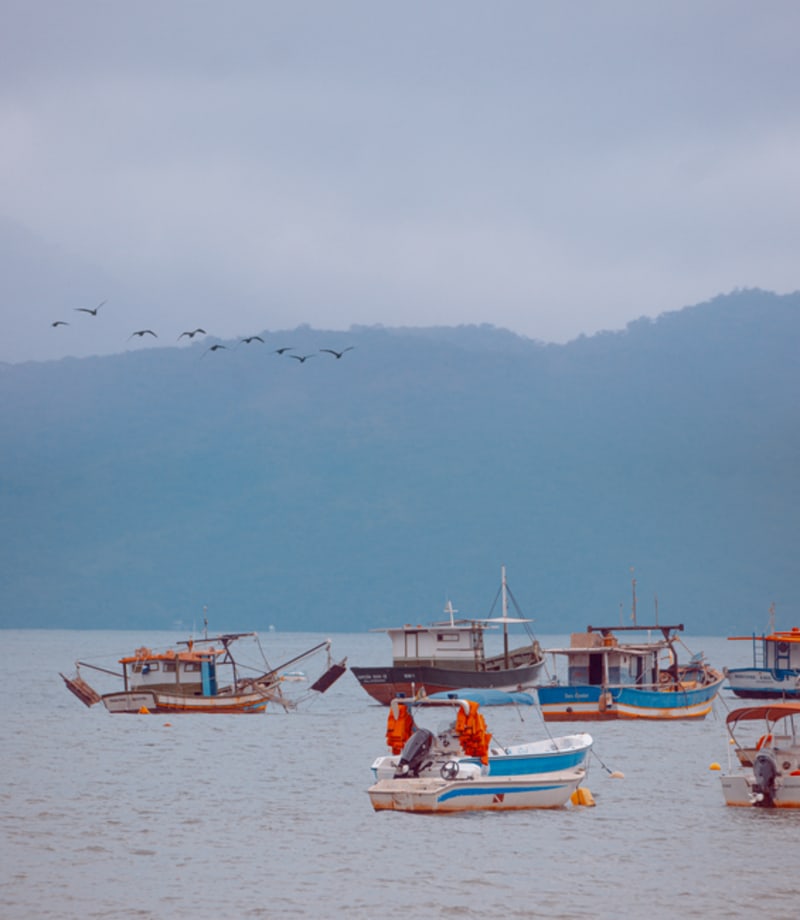
 Angostura
A reservoir town in northern Sinaloa where flat water, slow pelicans, and exceptional chilorio conspire to hold you longer than planned. Angostura is not on anyone's list, which is precisely what makes it worth stopping for.
Explore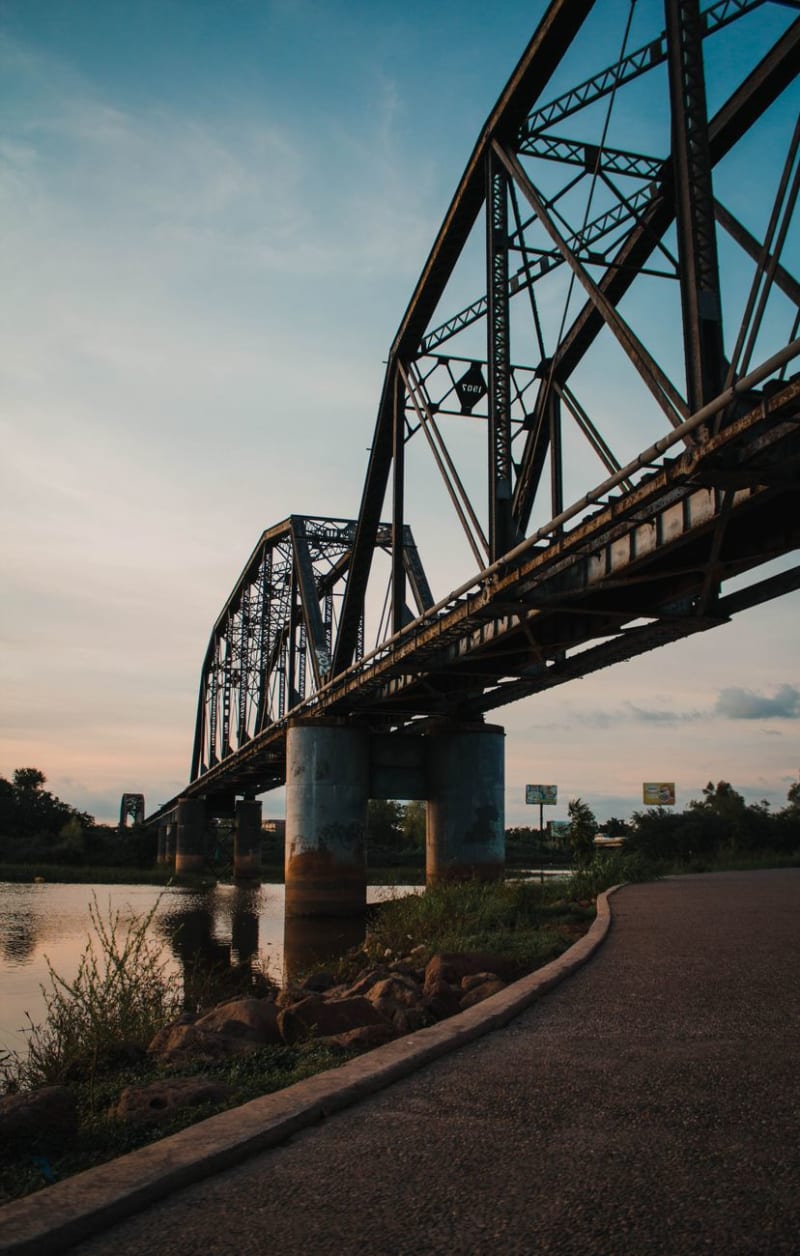 mexico
 Culiacán
Culiacán is Sinaloa's state capital — a modern, working city whose name travels internationally for one set of reasons while its actual daily life operates at a completely different register. I came for the aguachile negro and the contemporary art museum and left thinking I had barely touched it.
Explore mexico
 Mocorito
Mocorito is Sinaloa's smallest Pueblo Mágico, known locally as the cuna de las bellas costumbres — the cradle of beautiful customs — for preserving the Sunday paseo and the formal serenata that most Mexican towns have long since abandoned. I arrived on a Sunday afternoon, walked the plaza with the families doing exactly what families have done here on Sunday afternoons for generations, and ate birria de chivo at a comedor where the television was on and no one was watching it.
Explore mexico
 Mocorito
A small colonial town in the Sinaloan foothills that takes its literary identity seriously — the casco histórico is immaculate, the plaza is shaded and unhurried, and once a year a literature festival briefly fills every street with readers. The rest of the year it belongs to the sugarcane fields and the pigeons.
Explore mexico
 Cosalá
Cosalá is a silver-mining Pueblo Mágico tucked into the Sierra Madre Occidental three hours from Mazatlán, old enough to have been founded in 1562, quiet enough that the colonial plaza still feels like it belongs to the people who live there rather than the people who visit. The church has a baroque altarpiece that has been in the same building for four and a half centuries. I arrived after a long drive through the sierra and ate tamales de elote at a roadside puesto while the mountains went dark around me.
Explore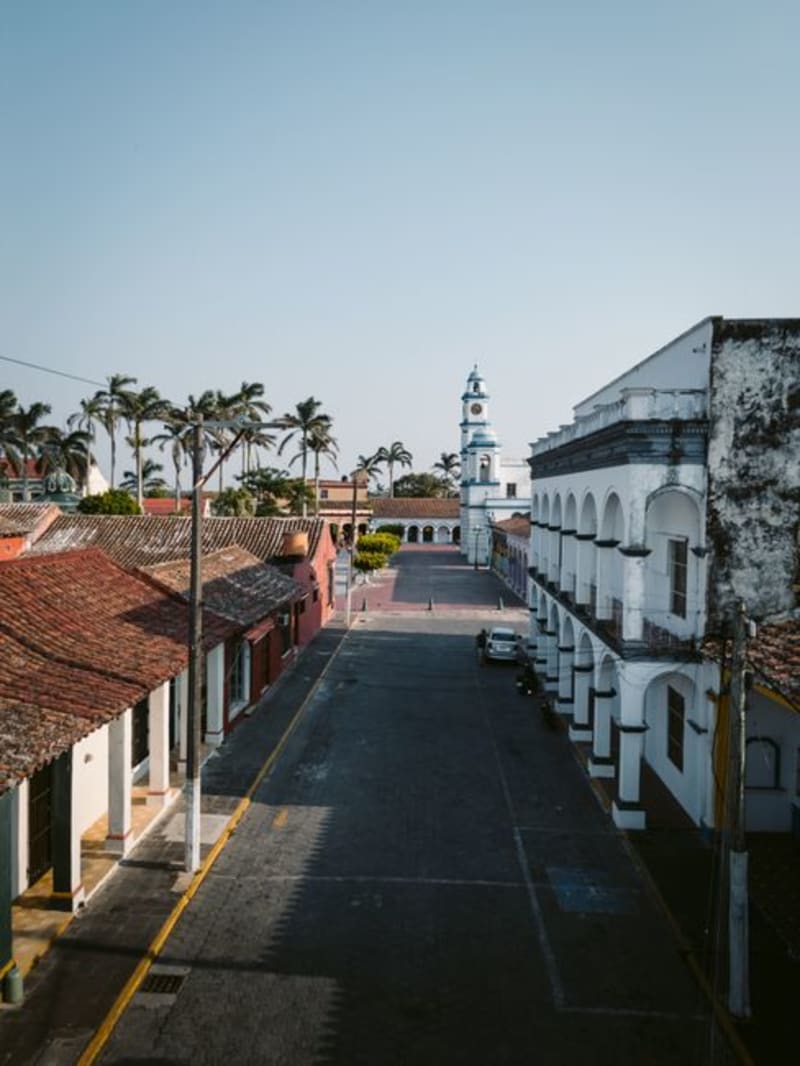 mexico
 Cosalá
A silver-mining colonial town in the Sinaloan sierra, Cosalá earns its pueblo mágico status with stone-paved streets, 18th-century churches, and thermal springs in the surrounding mountains. Almost no one from the coast makes the detour — which is precisely its advantage.
Explore