Culiacán
"The aguachile negro arrived and I forgot, for a while, everything I thought I knew about this city."
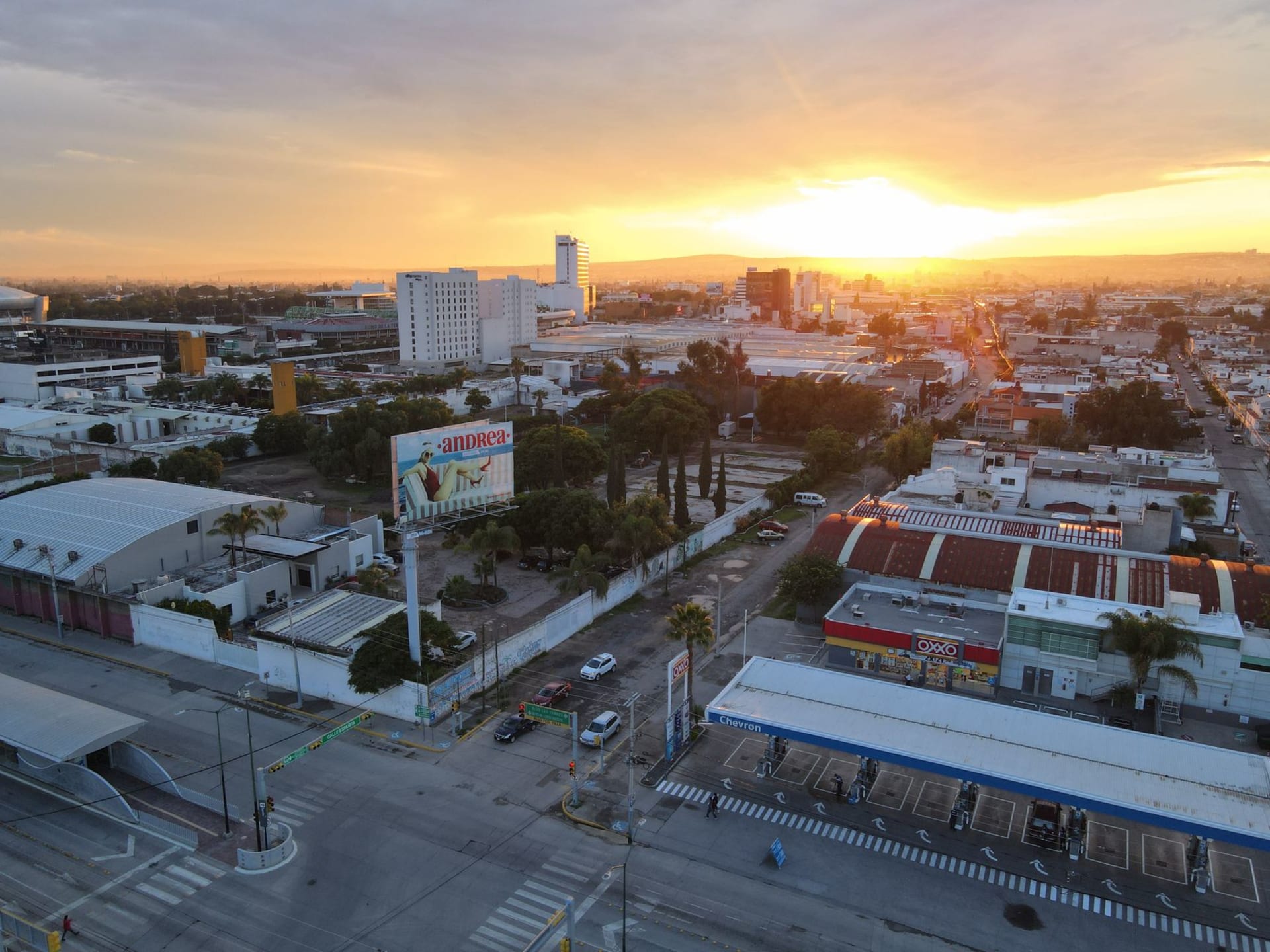
Culiacán is Sinaloa's state capital — a modern, working city whose name travels internationally for one set of reasons while its actual daily life operates at a completely different register. I came for the aguachile negro and the contemporary art museum and left thinking I had barely touched it.

It was a Tuesday at one in the afternoon when I walked into a seafood restaurant two blocks from the malecón and ordered aguachile negro. The lunch crowd around me was entirely composed of people in business clothes — the insurance adjusters and accountants and lawyers of a state capital city eating their midday meal with the unhurried efficiency of people who do this every day. No one was paying particular attention to anything. A television in the corner had a news program on, sound low. Two men at the table next to me were talking about a construction permit. This is what Culiacán actually looks like from the inside.
The aguachile negro arrived: raw shrimp in a black sauce of dried chiles, soy, and lime, with sliced cucumber and red onion, everything acidic and dark and precise. I have eaten aguachile in probably twenty different places along the Pacific coast of Mexico. This was the best. There is a specific depth to Sinaloa’s version — more chile complexity, less emphasis on pure citrus acidity — and the black variant in particular has something almost umami about it that the white version doesn’t. I ate slowly, took notes, ordered another beer.
Culiacán has been reduced, in most international coverage, to a single story. That story is not untrue. But it contains a city of about a million people who go to museums and eat lunch and send their children to school and live out their days in the way people live out their days everywhere.
The Museum on the Plaza
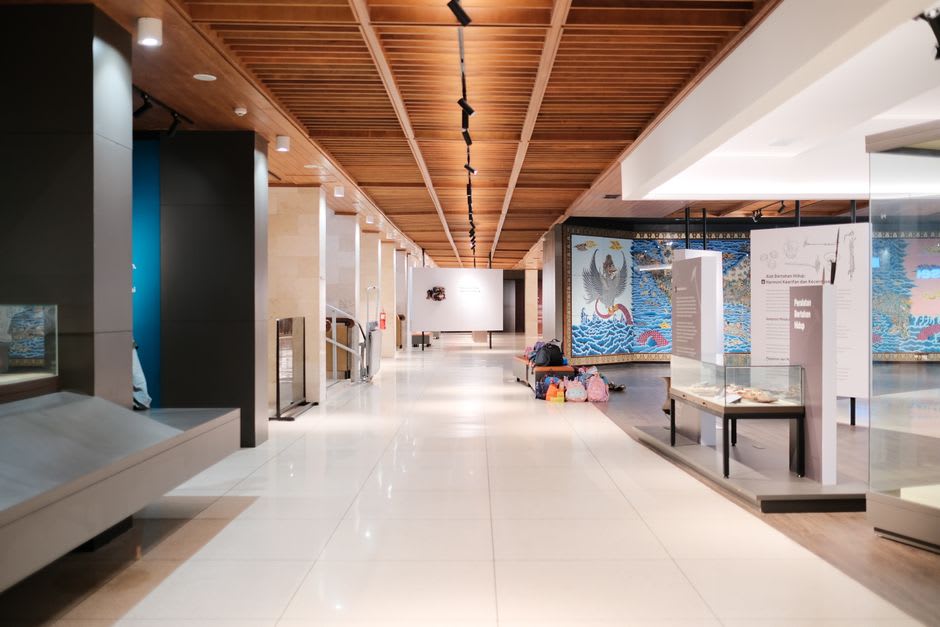
The Museo de Arte de Sinaloa — MASAS — occupies a nineteenth-century civic building on the main plaza, and it is genuinely one of the better contemporary art institutions I’ve visited in northwestern Mexico. The building itself is the first thing: a neo-classical facade with high ceilings and tiled floors that have survived into a collection of contemporary Mexican work, much of it from Sinaloan artists who are not particularly well known outside the region.
The day I went, there was a show of large-format photography documenting agricultural labor in the Culiacán valley — the tomato and pepper fields that produce a substantial portion of Mexico’s export vegetables. The images were technically accomplished and not at all comfortable to look at, which I appreciated. The accompanying text was also not comfortable. The museum was not trying to give me a tourism product. It was trying to show me something honest about the state it lived in.
I spent two hours. I was the only person there for most of it, which is the kind of museum attendance that in France would be considered a crisis and in Mexico seems to be considered a Tuesday.
The Jardín Botánico and the River
The Jardín Botánico del Ejido Culiacán is on the northern edge of the city and has a cactus collection that took me by surprise. I had not come to Culiacán expecting to spend an hour looking at cacti, but the collection is remarkable — hundreds of species, organized by region, with an emphasis on the Sonoran and Sinaloan desert varieties that grow in the immediate terrain. In the dry season the specimens have a sculptural severity that in full sun turns almost graphic. A very old saguaro stands near the entrance, maybe fifteen meters, and in the late afternoon it casts a shadow across the path that is more interesting than most of the art I’ve seen this year.
The malecón runs along the Tamazula River through the center of the city — a wide, tree-lined promenade where the city walks its dogs and jogs in the evenings. Families with strollers, teenagers on bikes, old men playing dominoes at concrete tables. The river is not spectacular as rivers go, but the malecón is functional civic infrastructure that the city uses every day, which is more than you can say for the malecones of many Mexican cities that have been built and abandoned.
Getting There and Getting Around
Culiacán has a regional airport with connections from Mexico City, Guadalajara, and several US border cities. ADO and other long-haul bus lines connect to Los Mochis to the north and Mazatlán to the south. The city itself is navigable by taxi and rideshare; the center is compact enough to walk if you stay near the plaza.

Eat the seafood. That is the primary instruction. Aguachile in its various forms — white, negro, verde — and ceviche and camarones a la diabla and whatever the daily special is at whatever family restaurant you find with plastic chairs and a handwritten menu. The Sinaloa coast produces exceptional seafood and Culiacán, even sitting inland from the water, cooks it better than most port cities I’ve visited. Stay two days. See the museum. Eat lunch slowly and watch the city around you being a city.
Keep exploring
More of Sinaloa
Keep exploring
More from Sinaloa
 mexico
 Altata
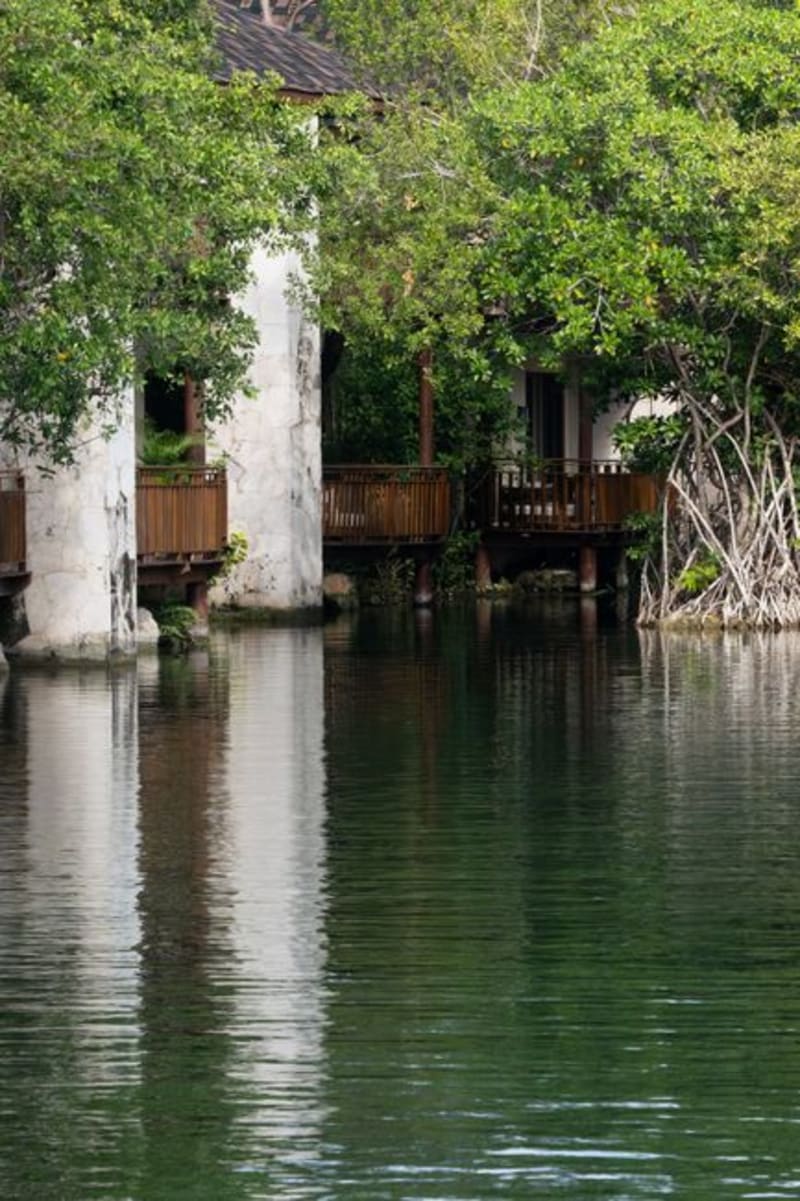
Altata is where Culiacán comes to eat on weekends — the beach annex of the state capital, sixty kilometers and an entirely different energy away. The mangrove channels running behind the beach are among the best kayaking on the Pacific coast, and the aguachile here is made with shrimp pulled from those same channels that morning.
Explore mexico
 Cosalá
Cosalá is a silver-mining Pueblo Mágico tucked into the Sierra Madre Occidental three hours from Mazatlán, old enough to have been founded in 1562, quiet enough that the colonial plaza still feels like it belongs to the people who live there rather than the people who visit. The church has a baroque altarpiece that has been in the same building for four and a half centuries. I arrived after a long drive through the sierra and ate tamales de elote at a roadside puesto while the mountains went dark around me.
Explore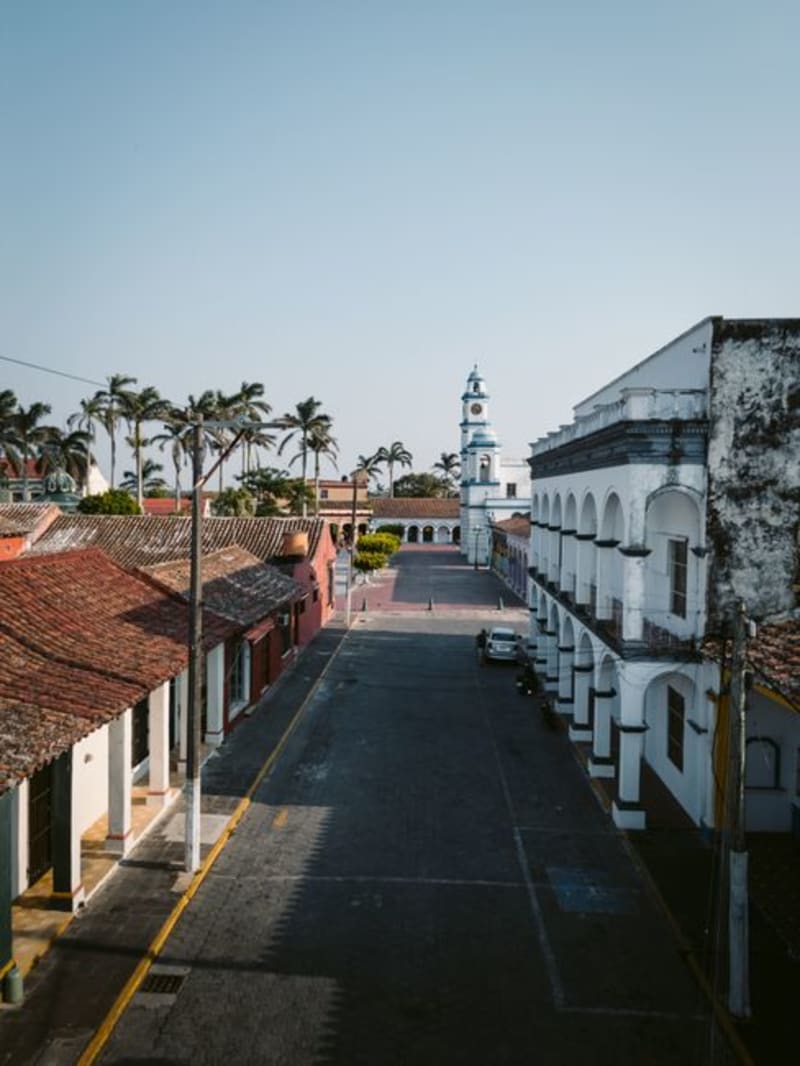 mexico
 Cosalá
A silver-mining colonial town in the Sinaloan sierra, Cosalá earns its pueblo mágico status with stone-paved streets, 18th-century churches, and thermal springs in the surrounding mountains. Almost no one from the coast makes the detour — which is precisely its advantage.
Explore mexico
 Mocorito
Mocorito is Sinaloa's smallest Pueblo Mágico, known locally as the cuna de las bellas costumbres — the cradle of beautiful customs — for preserving the Sunday paseo and the formal serenata that most Mexican towns have long since abandoned. I arrived on a Sunday afternoon, walked the plaza with the families doing exactly what families have done here on Sunday afternoons for generations, and ate birria de chivo at a comedor where the television was on and no one was watching it.
Explore mexico
 Mocorito
A small colonial town in the Sinaloan foothills that takes its literary identity seriously — the casco histórico is immaculate, the plaza is shaded and unhurried, and once a year a literature festival briefly fills every street with readers. The rest of the year it belongs to the sugarcane fields and the pigeons.
Explore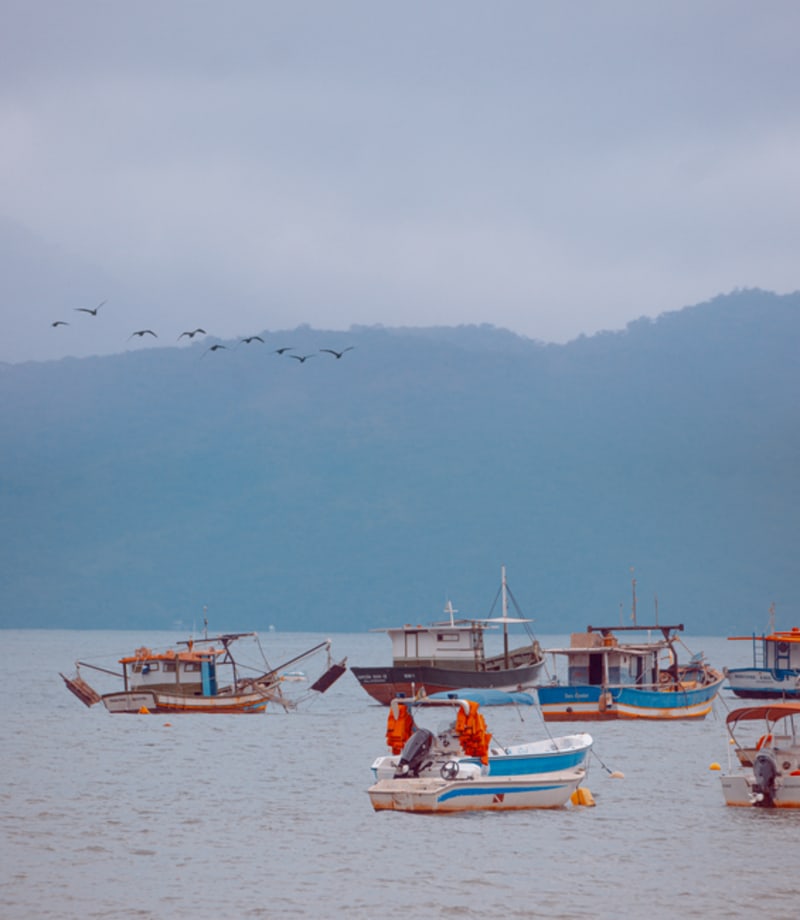 mexico
 Angostura
A reservoir town in northern Sinaloa where flat water, slow pelicans, and exceptional chilorio conspire to hold you longer than planned. Angostura is not on anyone's list, which is precisely what makes it worth stopping for.
Explore