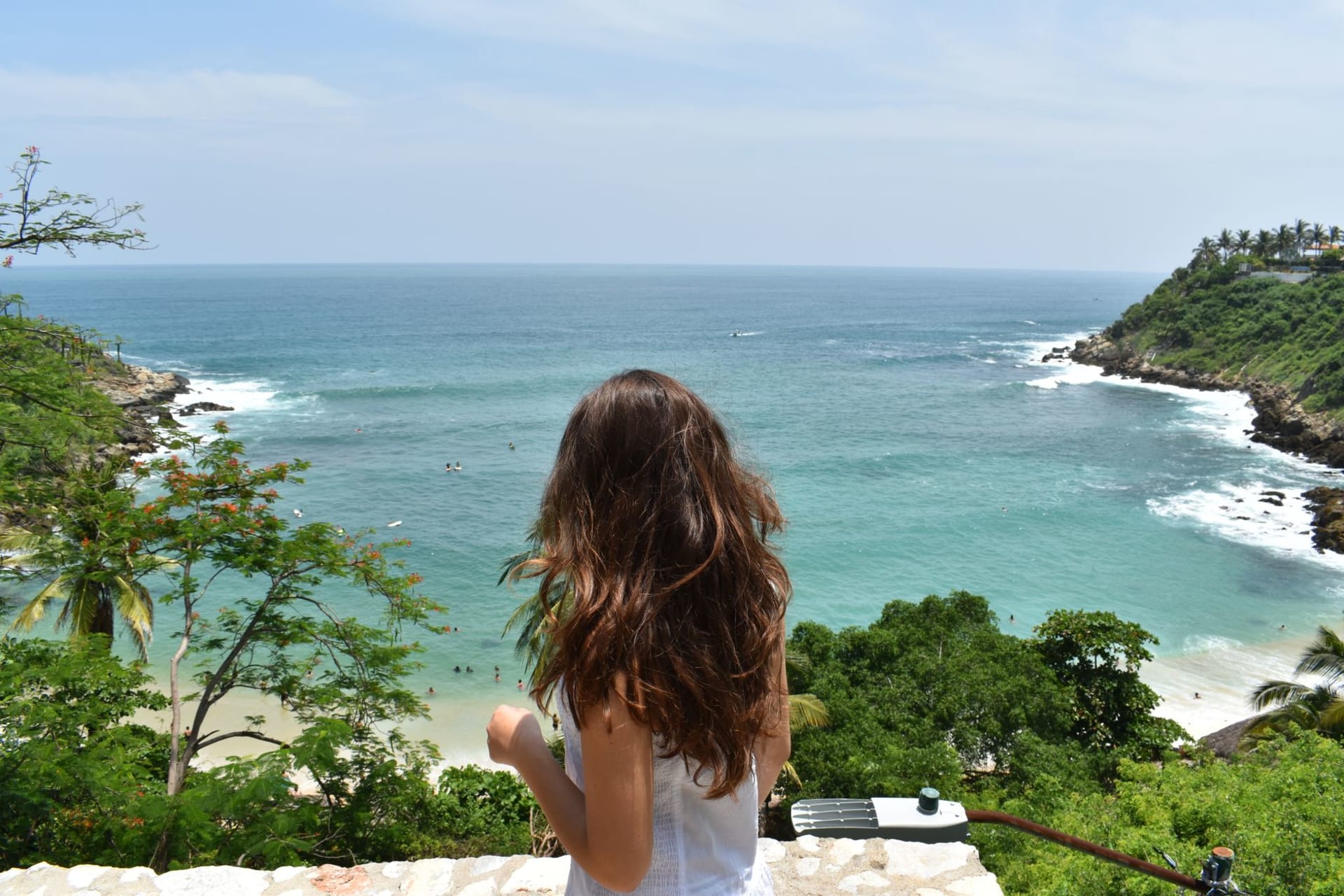
Mocorito
"The paseo was smaller than I expected. It was also entirely real, which is rarer than you'd think."
Mocorito is Sinaloa's smallest Pueblo Mágico, known locally as the cuna de las bellas costumbres — the cradle of beautiful customs — for preserving the Sunday paseo and the formal serenata that most Mexican towns have long since abandoned. I arrived on a Sunday afternoon, walked the plaza with the families doing exactly what families have done here on Sunday afternoons for generations, and ate birria de chivo at a comedor where the television was on and no one was watching it.

I had read about the paseo before I went. The Sunday afternoon paseo — the custom of walking the town plaza in circuits, families and couples and young people in their better clothes, seeing and being seen in a ritual that predates any living participant — is something that exists in Mexican civic memory as a kind of lost golden age. Most Mexican towns will tell you they used to have the paseo, before television, before the internet, before whatever year marks the dividing line between tradition and its disappearance.
Mocorito still has it.
I arrived on a Sunday at about four in the afternoon, which is the correct time, and parked near the central plaza. There were maybe sixty or seventy people walking. This is not a spectacular number. The plaza is small — a provincial colonial square with a 17th-century church at one end and a kiosk in the center — and sixty people fills it without overwhelming it. The important thing was not the number but the quality of the attendance: these were people who had come specifically to walk, not people who happened to be crossing the plaza on their way somewhere else. Grandmothers with granddaughters. Teenagers in groups doing the specific kind of studied nonchalance that is the same at sixteen in Mocorito as it is anywhere in the world.
The Town That Made Poets
Mocorito calls itself the cradle of beautiful customs, which is the kind of designation that sounds like tourism marketing but turns out to be something the town means genuinely. The customs in question are the paseo, the Sunday serenata, and a set of formal courtship rituals — the written note, the properly introduced acquaintance, the chaperon — that have mostly evaporated from Mexican social life over the past few decades. Mocorito has held on to them with the slightly defiant persistence of a place that decided, collectively, that these things were worth keeping.
The municipal museum takes this project seriously. There is a room dedicated to the town’s literary heritage — Mocorito has produced a disproportionate number of poets relative to its size, which the museum explains with provincial pride and without excessive specificity. The names mean nothing to me, but the pride is genuine and the point is fair: there is something about a town that values the serenata and the written word that tends to produce people who write things.

Birria and a Quiet Comedor
After an hour on the plaza I was hungry, and someone at the museum had mentioned birria. Mocorito makes birria de chivo — goat, braised slowly in dried chiles and spices until it pulls apart — which is different from the birria de res that has become the Instagram-famous version. The goat version is fattier, more mineral, less clean in its flavors, and considerably better.
I found a comedor on a side street near the market: a family place with eight tables, plastic tablecloths, a television mounted high on the wall showing a football match. The television was on and no one was watching it, which is the correct relationship to have with a television in a comedor. I ordered the birria. It came in a bowl of dark red consommé, with tortillas on the side and a small plate of white onion and dried oregano for finishing.
In France we have a version of this kind of cooking — the daube, the estouffade, the long-braised things. What they share with birria is the principle that patience and time and dried things (wine, chiles, herbs) transform a tough cut of something into something its original form never suggested was possible. The goat birria in Mocorito was specific and excellent and not particularly available anywhere else.
Getting There
Mocorito sits about an hour inland from Guamúchil on a state highway, and about two hours from Culiacán. There’s bus service from both directions — not frequent, but it exists. The town is genuinely small; you can walk everything in a morning. But coming on a Sunday is the point, and staying through the afternoon paseo is the point of the Sunday.

The town has a couple of small guesthouses. I didn’t stay overnight — I had come from Culiacán and was heading back — but I’ve thought about returning, specifically to attend the serenata, which I missed by a week the first time and which, by all accounts, is conducted with a formality that would seem anachronistic anywhere else in Mexico and seems, in Mocorito, entirely natural.
Keep exploring
More of Sinaloa
Keep exploring
More from Sinaloa
 mexico
 Mocorito
A small colonial town in the Sinaloan foothills that takes its literary identity seriously — the casco histórico is immaculate, the plaza is shaded and unhurried, and once a year a literature festival briefly fills every street with readers. The rest of the year it belongs to the sugarcane fields and the pigeons.
Explore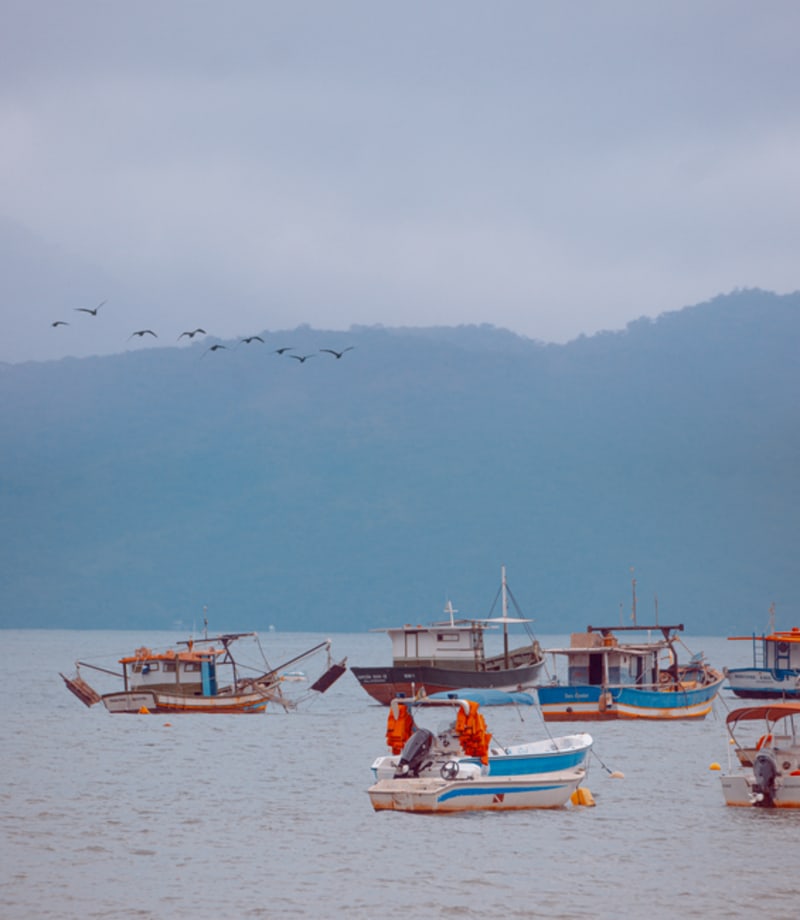 mexico
 Angostura
A reservoir town in northern Sinaloa where flat water, slow pelicans, and exceptional chilorio conspire to hold you longer than planned. Angostura is not on anyone's list, which is precisely what makes it worth stopping for.
Explore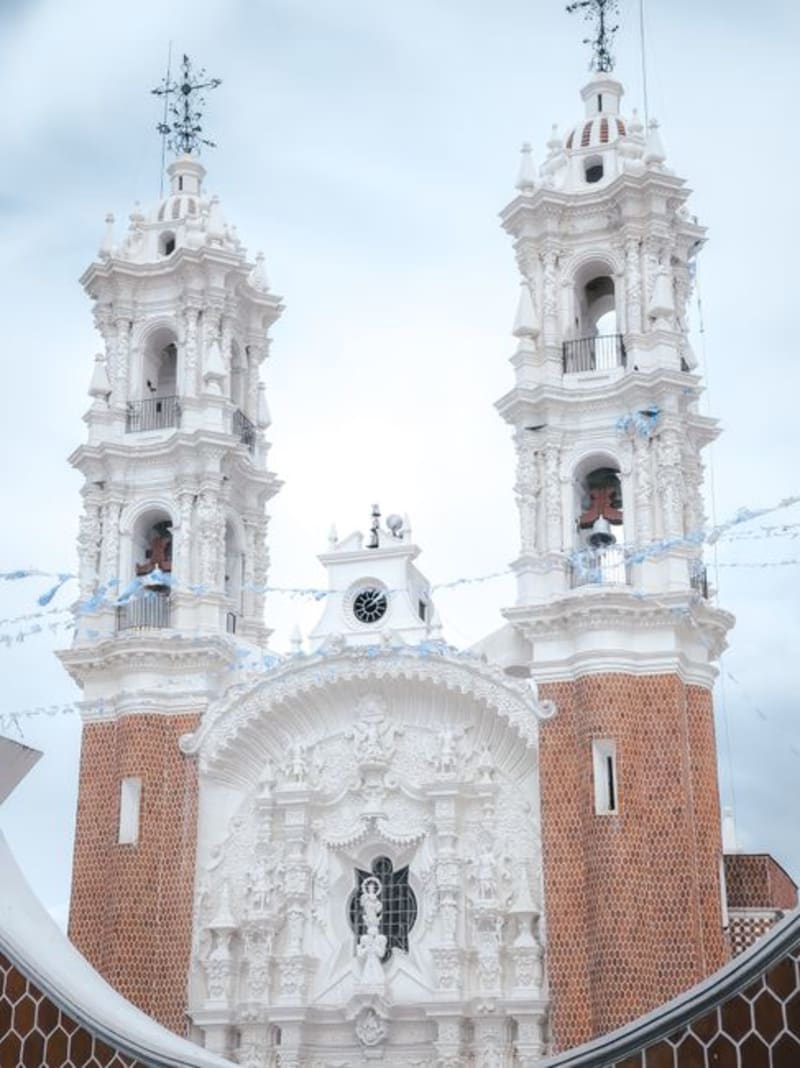 mexico
 Sinaloa de Leyva
Sinaloa de Leyva was the colonial capital of the region before politics redirected everything south to Culiacán, and the town has spent the intervening centuries being exactly as small as it needed to be. The cathedral faces a plaza that once anticipated a larger crowd, and mornings here run at the pace that administrative cities forgot how to manage.
Explore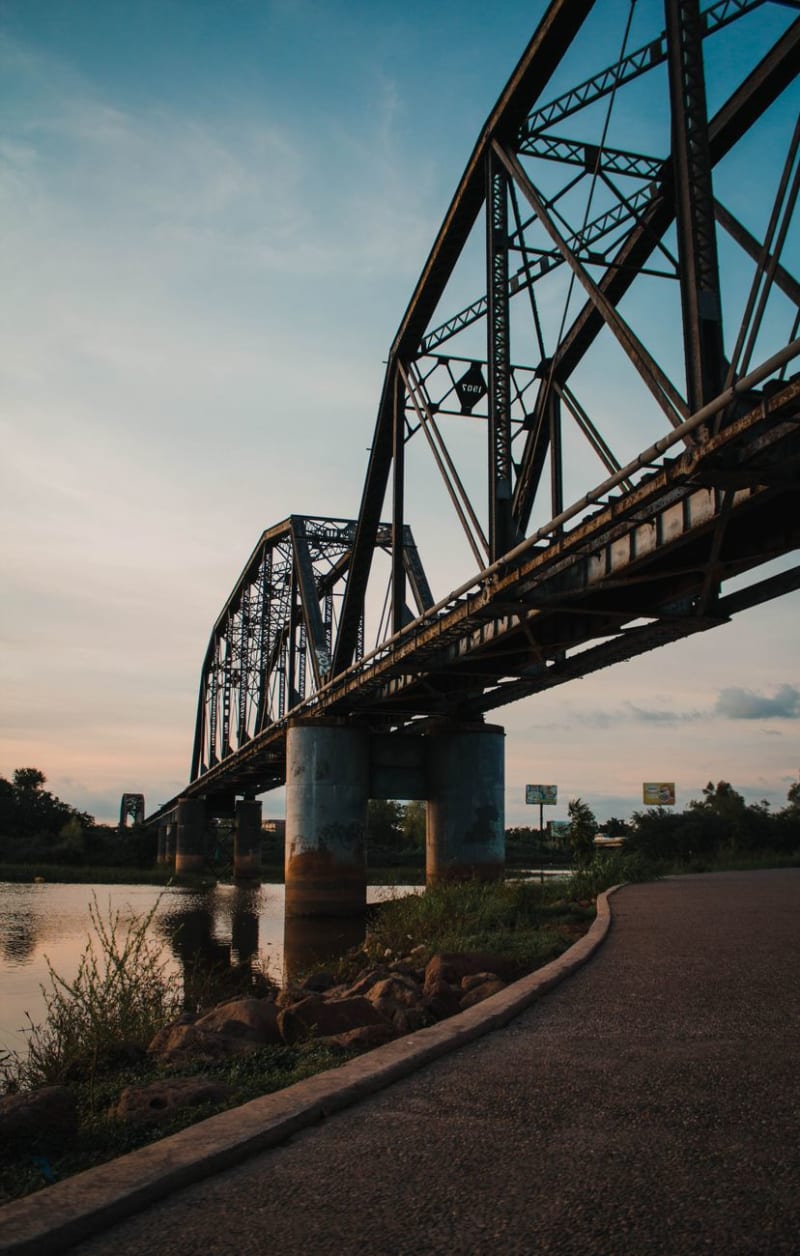 mexico
 Culiacán
Culiacán is Sinaloa's state capital — a modern, working city whose name travels internationally for one set of reasons while its actual daily life operates at a completely different register. I came for the aguachile negro and the contemporary art museum and left thinking I had barely touched it.
Explore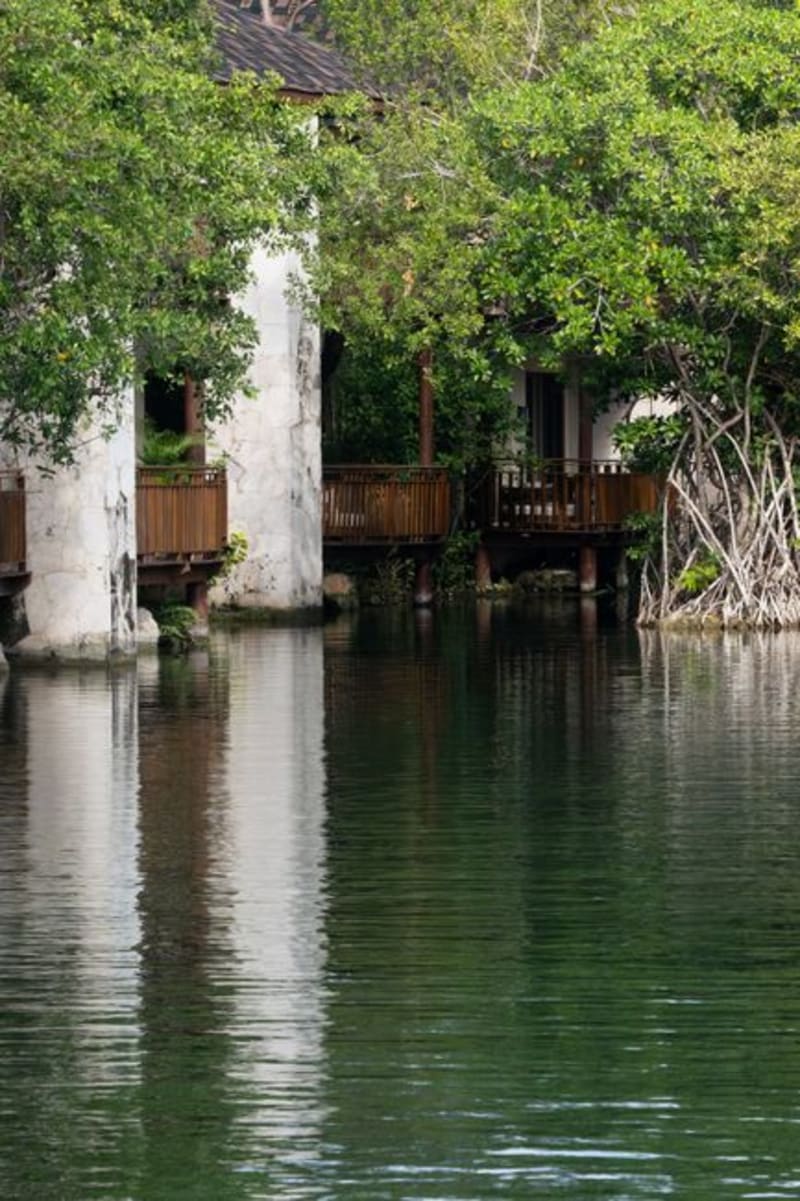 mexico
 Altata
Altata is where Culiacán comes to eat on weekends — the beach annex of the state capital, sixty kilometers and an entirely different energy away. The mangrove channels running behind the beach are among the best kayaking on the Pacific coast, and the aguachile here is made with shrimp pulled from those same channels that morning.
Explore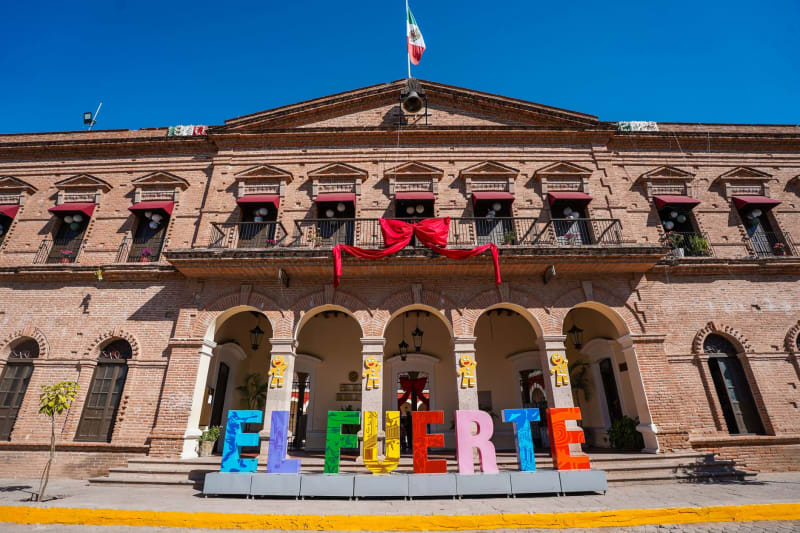 mexico
 El Fuerte
A Sinaloa colonial town that was the most important trading center in northwestern New Spain, the western terminus of the El Chepe Copper Canyon train, and a place where the evening malecón is more alive than any beach resort the state has produced.
Explore