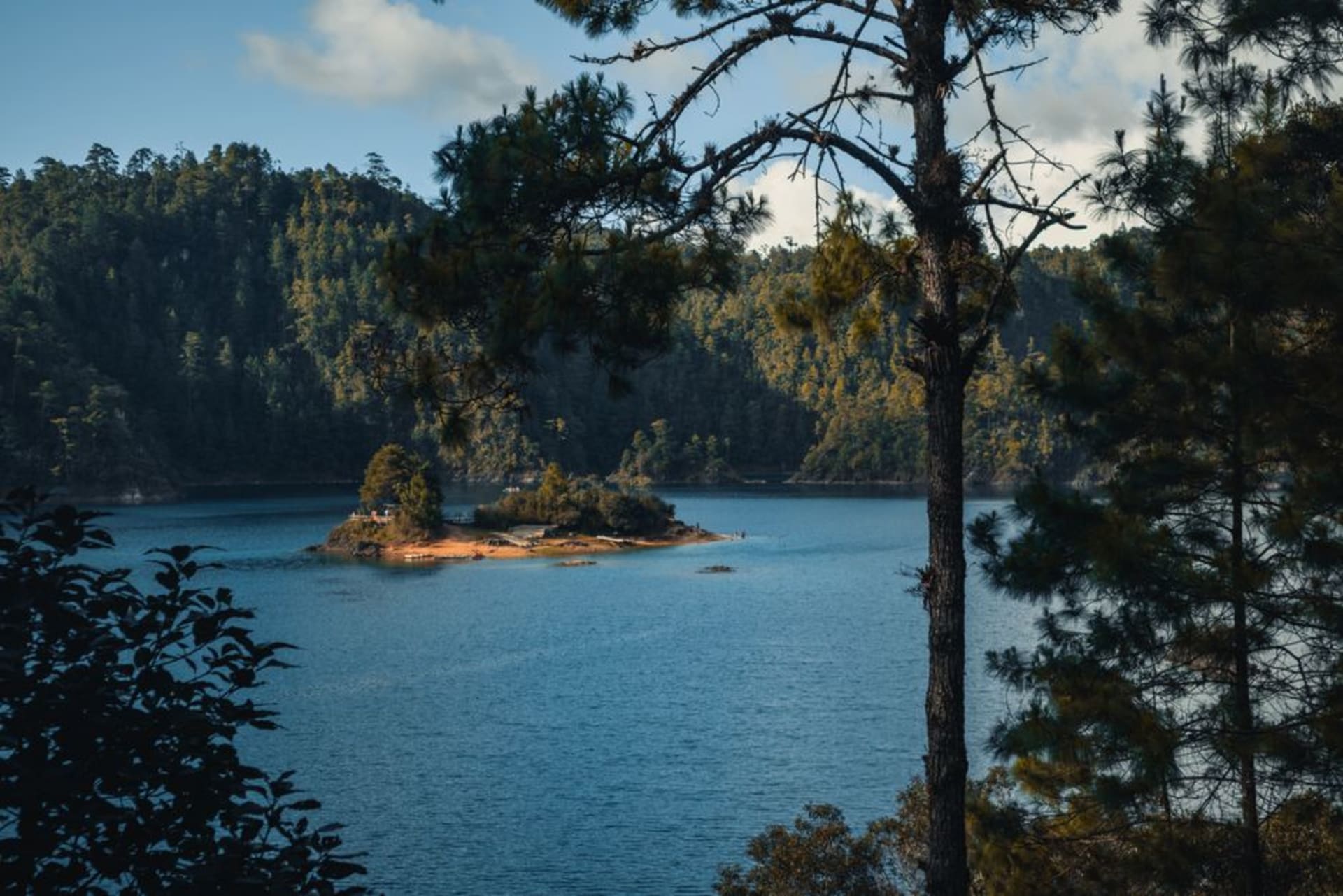
Huitzilac
"I had been sweating through every day in the lowlands. One afternoon in Huitzilac's pine forest and I remembered what cold air actually smells like."
At 2,800 meters on Morelos's northern edge, Huitzilac trades the state's signature tropical heat for pine-oak forest, cold fog, and the high-altitude lakes of Zempoala. Most people pass through without stopping. That is their mistake.

The temperature drops somewhere on the switchbacks above Cuernavaca — you feel it before you see the change in vegetation, before the mango trees give way to oyamel firs and the roadside vendors swap tropical fruit for mushrooms and honey. I’d driven up on a Tuesday in late October, no particular plan, just following a green patch on the map that nobody I’d asked could describe in more than two words. By the time I pulled into Huitzilac’s main square and stepped out of the car, I was already reaching for the sweater I’d had no use for in weeks.
The Lakes That Stopped Me
The Lagunas de Zempoala sit inside a national park that most people treat as a corridor between Mexico City and Cuernavaca. Seven crater lakes scattered through pine-oak forest above 3,000 meters, each with its own color and character depending on the light and the season. Laguna Zempoala is the largest and the most visited, which still means a handful of families with thermoses on a weekday. Laguna Quila, a short walk further in, is nearly always empty. I sat on a flat rock at its edge for the better part of an hour watching a pair of ducks work the shoreline and felt no particular impulse to move. The air was thin enough to notice on the uphill sections. The water held the particular grey-green of altitude lakes everywhere. There were no vendors, no signage, nothing that required a decision. I ate a quesillo I’d bought in the village and considered that this was about as uncomplicated as a good afternoon gets.

What You Eat When It’s Cold
The market on Calle Hidalgo runs small — maybe fifteen stalls on a Saturday — but it carries things you won’t find at lower elevations. Hongos del bosque arrive still damp from the morning: clavitos, enchilados, the occasional boletus that would cost serious money anywhere else. A woman named Berta, whose table sits closest to the church steps, sells them by the kilo alongside quelites and a dark, almost bitter honey from hives kept in the forest. I bought both. The proper way to use the mushrooms, she told me without my asking, is in a quesadilla with Oaxacan cheese and a handful of epazote — not the chile-heavy preparations of the lowlands. There are two comedores on the square. The one without a name above the door serves carnitas on Sundays that arrive in a small clay cazuela still spitting fat. I drove back up on the Sunday. It was worth every kilometer.

How to Use the Place
Huitzilac is not somewhere you build an itinerary around — it is somewhere you give a full day and leave with nothing checked off a list. Walk at least two of the Zempoala lakes: three hours minimum, four if you want to stop properly. Leave before dark because the fog descends fast on this section of the Sierra and the road off the mountain requires attention. Bring a real jacket, not the thin layer you’ve been carrying since February and never actually needed. Mornings are clearer than afternoons in the dry season; arrive early if you want the lakes without cloud cover. The national park entrance is a twenty-minute walk from the village center. There is a small cash fee at a wooden booth. Nobody there will try to sell you a guided tour.

Getting There
Huitzilac is forty minutes north of Cuernavaca on the road toward Tres Marías. Colectivos depart regularly from Cuernavaca’s central bus station and drop you at the village square for a few pesos. The dry season — October through April — gives the clearest skies over the lakes; the rainy season brings dramatic fog but poor trail visibility. There is no ATM in Huitzilac. Bring cash for the park entrance, the market, and the comedor.
Keep exploring
More of Morelos
Keep exploring
More from Morelos
 mexico
 Cuernavaca
Mexico City's weekend exhalation — a city of gardens and near-perfect climate 75km south, with a collector's house-museum of extraordinary depth that almost nobody outside Mexico knows exists and Diego Rivera murals in the palace Cortés built.
Explore mexico
 Tepoztlán
A village of volcanic cliffs, a Nahua pyramid, and an agave deity — 75 kilometers from Mexico City and centuries away from it.
Explore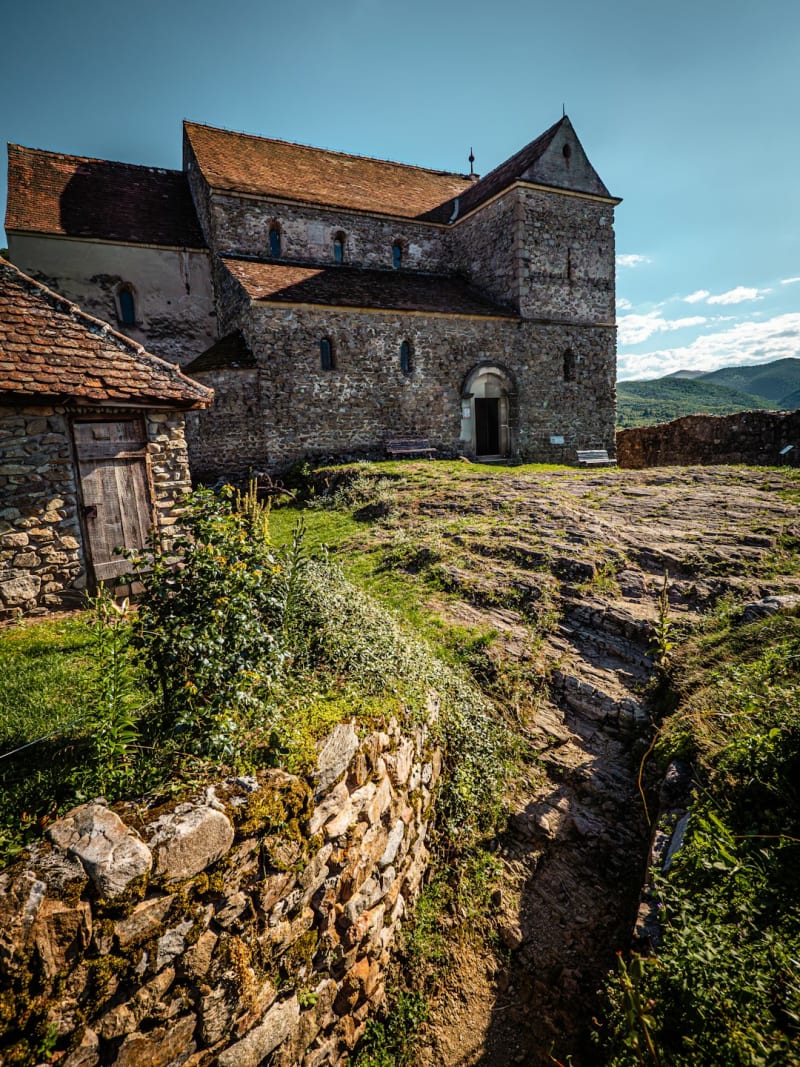 mexico
 Tlalnepantla
A humble municipality in the rocky highland hills of northern Morelos, where whole hillsides are planted in nopal and the cactus paddle is not garnish but livelihood. Rock outcrops, cool edges, and the honest rhythm of an agricultural town.
Explore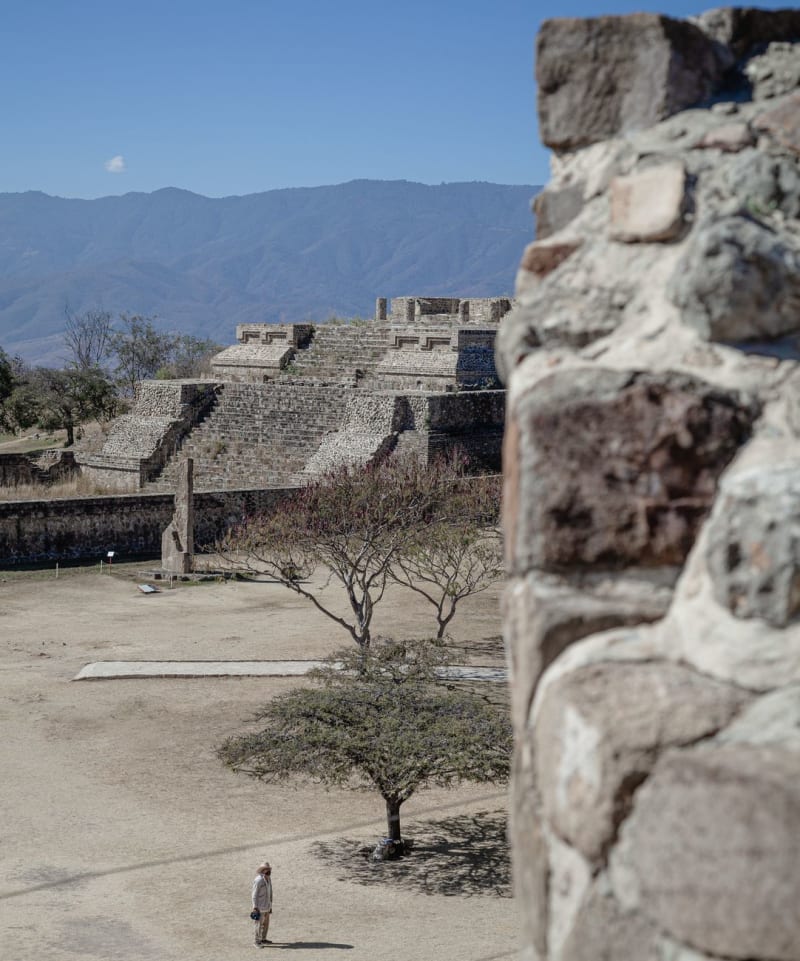 mexico
 Xochicalco
A hilltop pre-Hispanic city in the Morelos valley where a civilization of astronomers built one of the most sophisticated observatories in the Americas — including an underground cave where a column of light marks the exact zenith passage of the sun.
Explore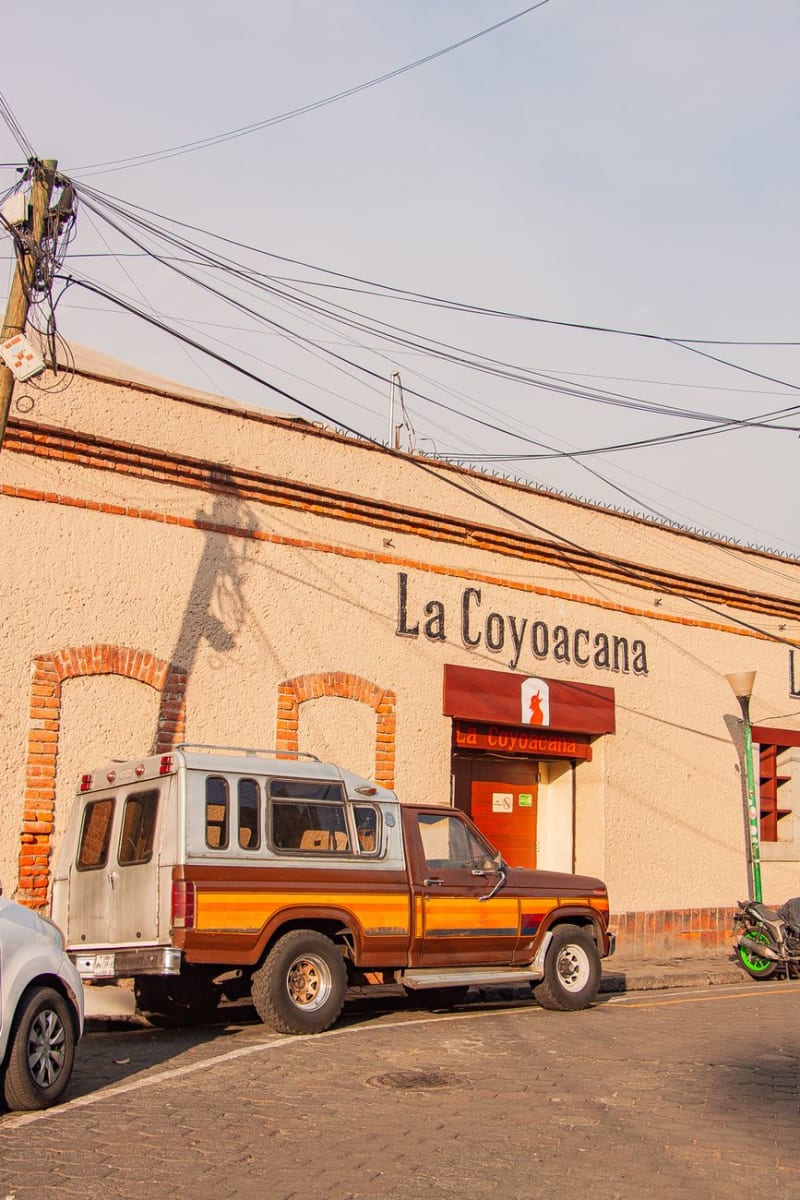 mexico
 Tlayacapan
Tlayacapan is a Pueblo Mágico in the Morelos highlands whose 16th-century Augustinian convent still stands more or less intact, open chapel and all, at the edge of a market square where vendors set up in its shadow on weekday mornings. The pulquerías here are old and local — not the hipster mezcal bars of Oaxaca or Mexico City, but actual pulque culture, maguey country, the slightly viscous fermented sap of the agave plant served in clay cups to regulars who have been drinking here for decades. In February, for the Carnival, the chinelo dancers come out in feather headdresses so elaborate they seem structurally implausible.
Explore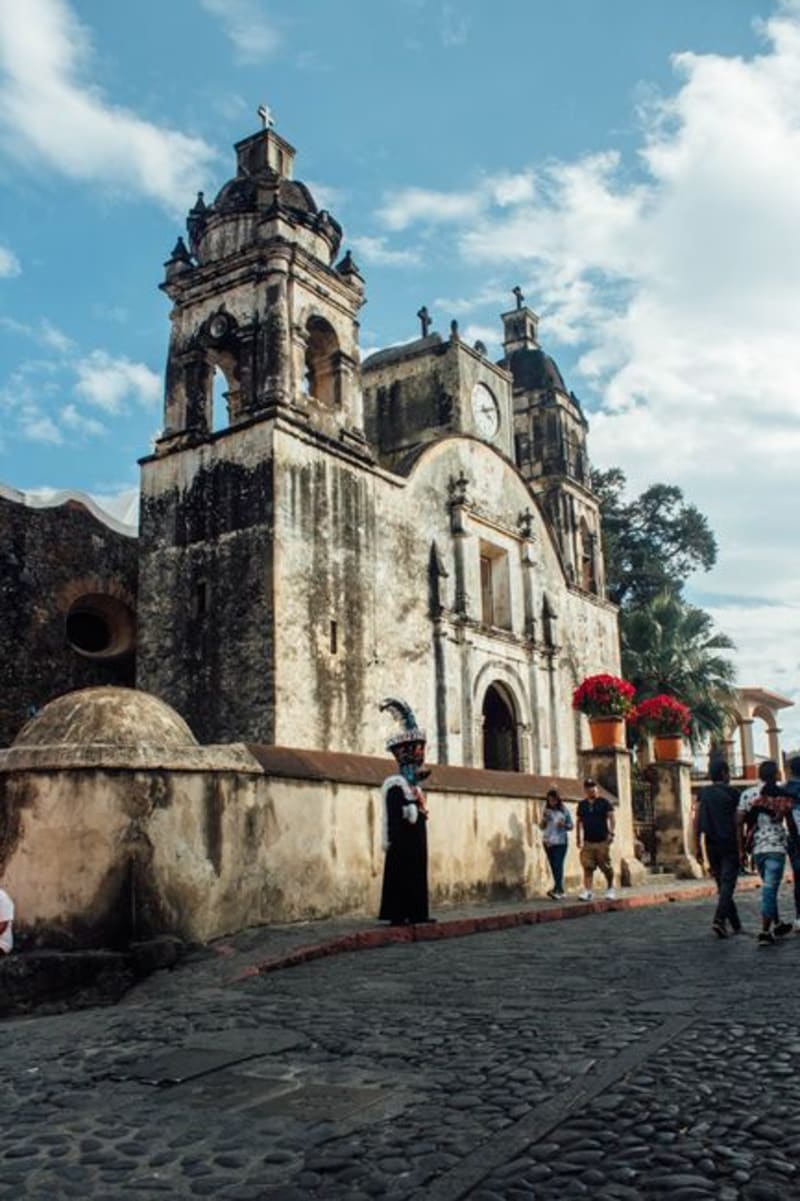 mexico
 Oaxtepec
Oaxtepec was a royal botanical garden before it was a Dominican convent, and a Dominican convent before it became a state resort complex. The thermal springs that Motecuhzoma I valued enough to import plants from across the empire are still running. The sixteenth-century cloister is still standing, quietly, at the back of a parking lot.
Explore