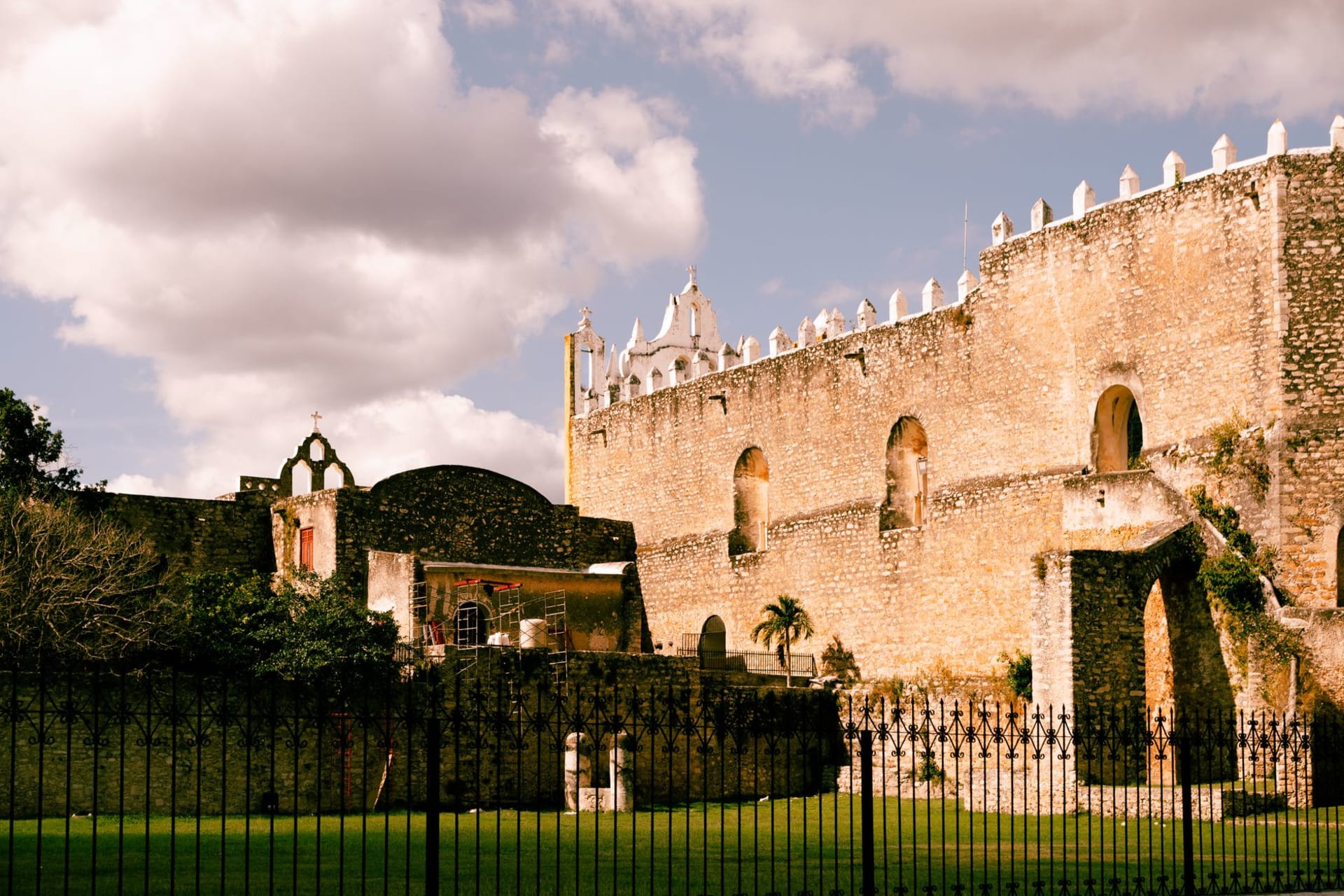
Jonacatepec sits in the semi-arid eastern lowlands of Morelos near the Puebla border, a town that functions at its own dry, unhurried pace with maguey plants on the hillsides and a baroque parish church of disproportionate grandeur for a place this size. I spent two hours here in November and left understanding Morelos better than I had when I arrived.

I arrived in Jonacatepec in November on a Thursday afternoon, coming from Cuautla on a local bus that dropped me at a junction where I wasn’t entirely sure I was in the right place. It took about fifteen minutes of walking through quiet residential streets before the church appeared. When it did, I stopped.
The Parroquia de San Mateo Apóstol has a facade that belongs in a cathedral city. Churrigueresque stonework climbing both towers, carved saints in their niches, the whole thing in a warm ochre stone that was catching the November light at a low, golden angle. The town around it — maybe eight thousand people, a market, a hardware store, some houses behind painted walls — is not proportionate to the ambition of that facade. This is a recurring feature of colonial Morelos, the way the church-building program of the sixteenth and seventeenth centuries produced monuments in towns that were meant to serve much larger communities, and instead ended up anchoring smaller ones. The church outlasted the logic that built it.
The Dry Lowland Pace
Eastern Morelos is not the Morelos most people know. The Morelos of travel writing is Cuernavaca and Tepoztlán — colonial grandeur and weekend escapes from Mexico City. Jonacatepec is something else: the semi-arid plateau that runs toward Puebla, where the vegetation is dry scrub and maguey and the towns feel genuinely removed from the capital’s gravitational pull.
The landscape around the town tells you what the economy is. Maguey plants on the hillsides — some managed, most just growing as they have always grown, their grey-green rosettes visible from the road. Some of the maguey here feeds pulque production in the surrounding communities, a tradition that predates the Spanish by many centuries and that has been having a quiet revival in the past decade. I didn’t find pulque in Jonacatepec itself, but I found it nearby, and its earthy sourness felt appropriate to this landscape.
The town operates at a pace I’ve come to associate with the lowland Mexican towns that have nothing to perform for anyone. No particular tourism economy, no notable restaurant scene, a market that gets livelier on Sundays. The streets near the church were nearly empty when I arrived, which felt like the right way to encounter it.

The Market Stall and the Ruins I Didn’t Quite Reach
There’s a Sunday market in Jonacatepec that draws people from the surrounding ranchos — mostly agricultural goods, chile, some prepared food. I was there on a Thursday, which meant a reduced version of it, but there were still a few food stalls operating near the market building. I bought something at one of them — a small tostada topped with what I think was pulled chicken in a mole verde — from a woman whose stall had no name and no sign, and ate it standing at the edge of the street.
It was very good. The mole verde had a freshness that I can only attribute to the tomatillos being local and recent. I considered going back for another but walked to look at the church instead, which I don’t regret.
The Augustinian ruins I’d read about — a 16th-century visita built in the early decades of the colonial period — are somewhere in the hills above the valley, and I ran out of time before I could find them properly. The Augustinian order spread through Morelos with impressive speed in the 1530s and 1540s, building a network of open-air chapels and simple convents to serve indigenous communities scattered across the landscape. Most of these are now in various states of ruin, half-absorbed by vegetation, which makes them harder to find and more interesting when you do.
I’ll come back on a Sunday in late autumn, when the market is full and the light is the same and the facade of San Mateo is still too large for the town it serves.

Getting There
Jonacatepec is reached by local bus or colectivo from Cuautla, the main hub of eastern Morelos. The journey takes roughly 45 minutes. There are no hotels in Jonacatepec that I know of — this is a half-day or day-trip destination from Cuautla or, at a stretch, from Cuernavaca. Come on a Sunday if you can, when the market gives the town a different energy. Come in the dry season — October through February — when the light on that church facade is worth the journey on its own.
Keep exploring
More of Morelos
Keep exploring
More from Morelos
 mexico
 Jantetelco
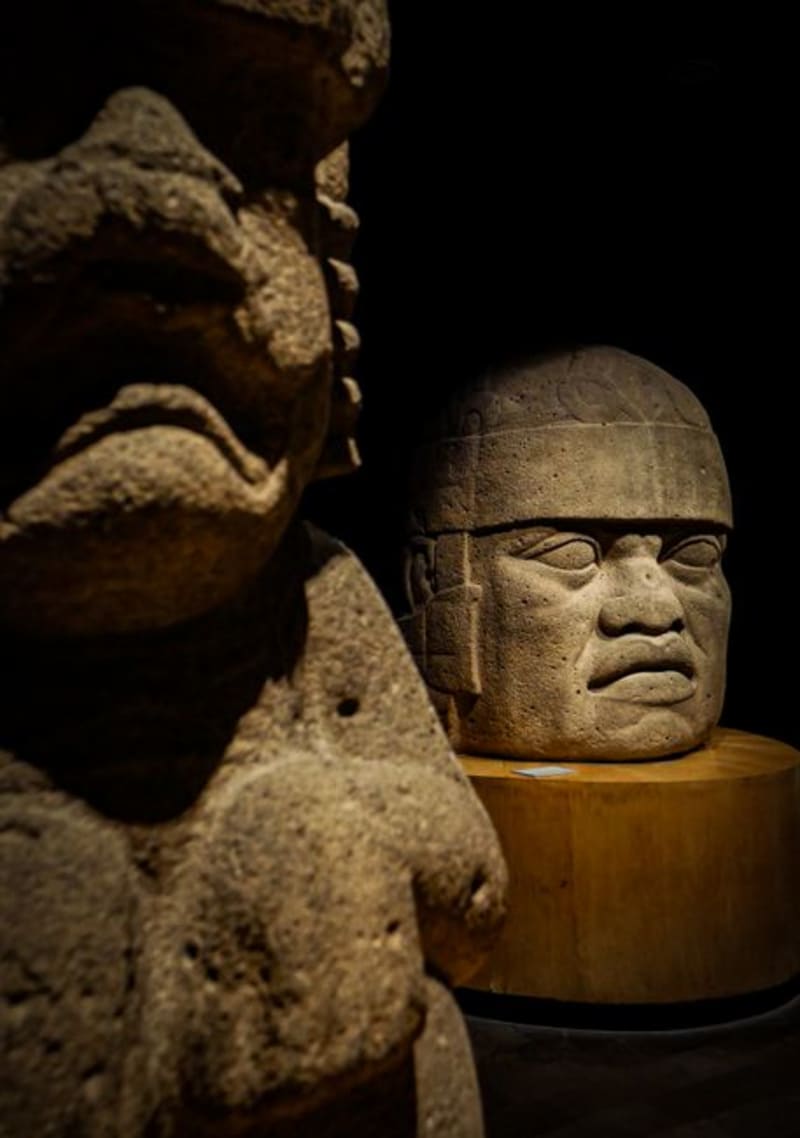
A semi-arid Morelos town at the base of the Sierra de Jantetelco, where pre-Columbian rock carvings sit unannounced on boulders in the surrounding fields and a small community ecotourism project has quietly organized itself around the dry forest most visitors to Morelos never bother reaching.
Explore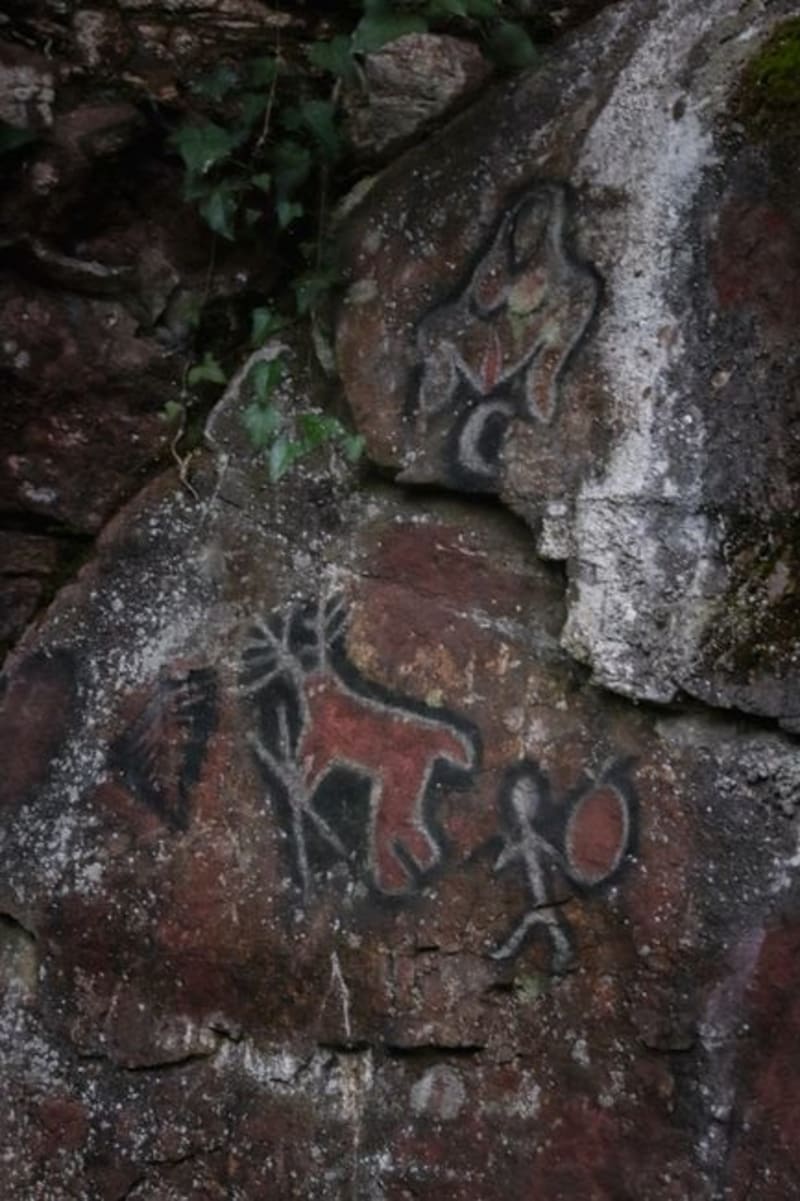 mexico
 Chalcatzingo
Chalcatzingo is an Olmec-influenced ceremonial site in eastern Morelos where bas-relief carvings — rain deities, seated rulers, supernatural jaguars, figures emerging from cave mouths — are cut directly into hillside boulders of dark basalt. It is one of the most significant Middle Formative sites in central Mexico and almost nobody visits, which means you will likely have the carvings to yourself in a way that Teotihuacan and Monte Albán can no longer offer.
Explore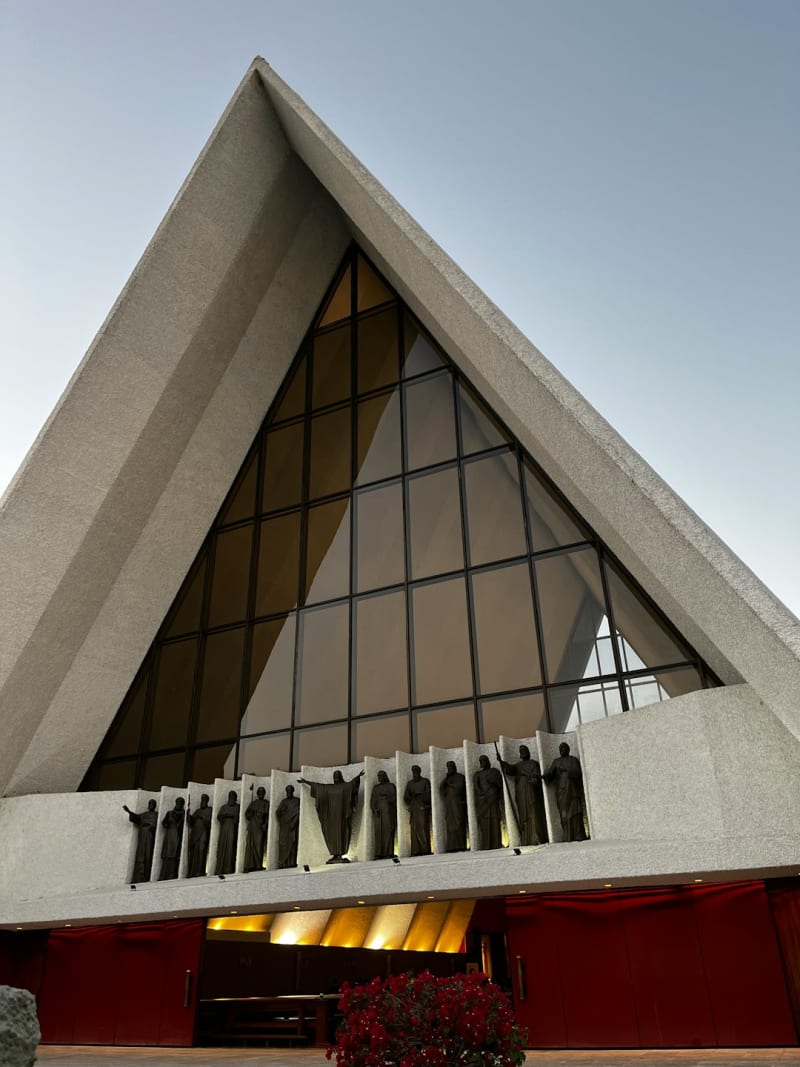 mexico
 Tepalcingo
A warm, dusty town on the dry plains of southeastern Morelos that swells once a year for one of the great pilgrimage fairs of central Mexico, drawn to a sanctuary whose façade is worked in astonishing sculpted detail. Quiet most days, overwhelming on the third Friday of Lent.
Explore mexico
 Axochiapan
Axochiapan sits in the hot, flat sugarcane country of eastern Morelos — a town most people drive through without slowing down and that rewards those who stop with ex-hacienda ruins, a market untouched by tourism, and mezcal made in the surrounding hills in quantities too small to ever leave the region.
Explore mexico
 Yecapixtla
Yecapixtla is a small town in eastern Morelos built around one of the most formidable Augustinian monasteries in Mexico — a fortress-church from the 1530s that is part of a UNESCO World Heritage group of convents on the slopes of Popocatépetl. On Sundays, the town rings the monastery with a market whose cecina enchilada has been drawing people from across the state for generations.
Explore mexico
 Ocuituco
A quiet town on the green lower skirts of Popocatépetl, where a stern Augustinian ex-convent guards one of the oldest stone fountains in the Americas and the air smells of cut grass and cold volcano. Fruit orchards, old walls, and a silence that feels deliberate.
Explore