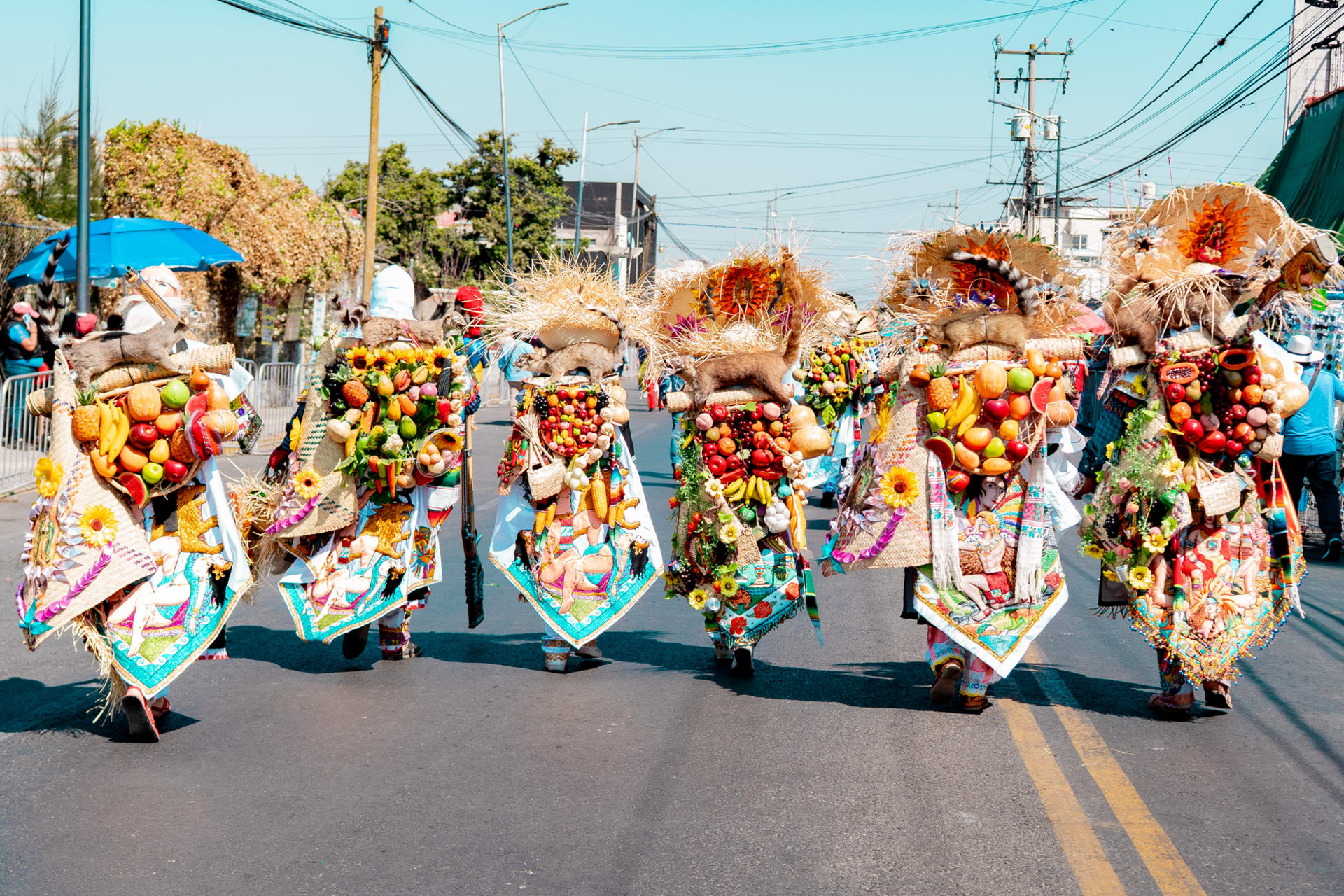
Cuautla
"Mexican balneario culture is its own universe. Children, grandparents, cousins — everyone in the water, everyone fed, no one in a hurry."
Morelos's second city sits lower and warmer than Cuernavaca, built around a culture of thermal balnearios fed by the volcanic springs of the Popocatépetl flank. On any given Sunday, entire Mexican families spend hours in pools of warm mineral water, eating carnitas, and going nowhere in particular.

I came to Cuautla on a Thursday, which was almost cheating — the balnearios were half-empty, the carnitas vendors were just setting up, and I could actually find a parking spot near the Mercado Independencia. A friend from Morelos had described the place as “Cuernavaca’s more relaxed cousin,” which turned out to be exactly right. Cuautla doesn’t try very hard to impress visitors, and that’s precisely what makes it interesting. The heat here is a physical presence, different from the coast — dry, volcanic, permanent.
The Balnearios
The thing nobody tells you about Mexican balneario culture is that it operates on an entirely different timescale than the rest of the country. Agua Hedionda is the most famous of Cuautla’s thermal parks — the name means “stinking water,” a reference to the sulfur content that locals consider a selling point — but there are several others along the same corridor. The ritual is the same everywhere: arrive early with the entire extended family, claim tables, order carnitas or barbacoa by the kilo, and spend four to six hours cycling between the pools and the food. The water comes out of the ground warm and stays warm. Children who can barely walk are already in the deep end, held up by aunts. Grandparents eat in the shade. Nobody is checking their phone with any urgency. I sat at a plastic table with a plate of carnitas and a tall glass of agua de jamaica and watched this unfold for two hours, which felt like the most productive thing I’d done in weeks.

The Market and the Older City
Away from the balnearios, Cuautla has a working downtown that most visitors skip. The Mercado Independencia on Calle Guerrero sells the regional produce of Morelos in serious quantity — jitomate bola, chiles mulatos, fresh cheese from the nearby villages, and prepared food that rewards patience. I ate a bowl of pozole rojo at a stall near the back entrance at around eleven in the morning, which is prime pozole hour if you’re doing it correctly. The Ex-Convento de San Guillermo and the nearby Jardín Cuauhtémoc give the center a bit of colonial structure, but Cuautla doesn’t lean on its history the way Cuernavaca does. It’s a market city, practical and a little rough around the edges, and the older buildings sit alongside auto-parts shops and taco stands without any particular self-consciousness.

Timing and the Heat
Cuautla sits at around 1,300 meters, lower than most of central Mexico, which means it earns its warmth honestly. The best months are November through February, when the afternoons are hot but the mornings are cool enough to walk around the center without suffering. Avoid the balnearios on Sunday mornings unless you enjoy waiting for a table — arrive before ten or after two. The rains come hard in summer, usually in the late afternoon, and pass quickly enough that they don’t ruin a day.

Getting There
Cuautla is around 75 kilometers southeast of Mexico City and about 50 from Cuernavaca. Pullman de Morelos buses run frequently from TAPO (Terminal de Autobuses de Pasajeros de Oriente) in the capital, and the ride takes roughly two hours depending on traffic. From Cuernavaca, combis on the Autopista del Sol are the fastest option and cost almost nothing.
Keep exploring
More of Morelos
Keep exploring
More from Morelos
 mexico
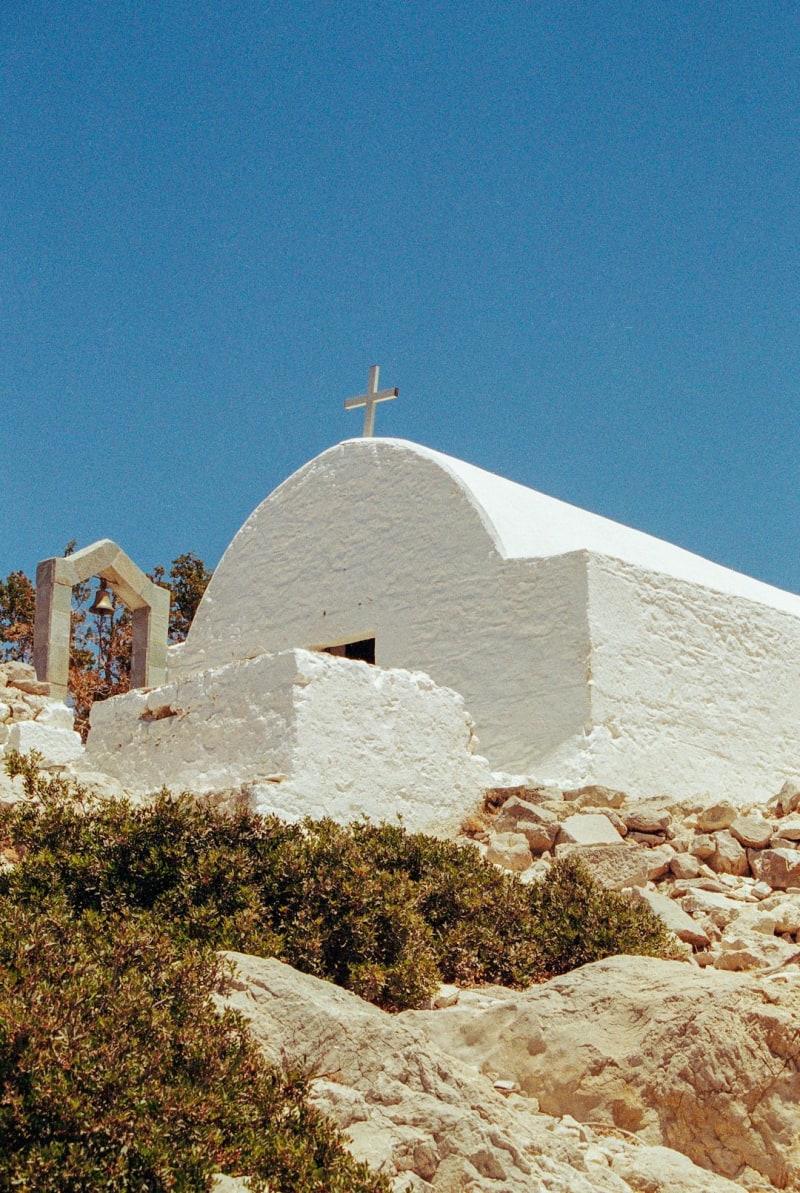
 Coatlán del Río
A warm river-valley town in southwestern Morelos where sugarcane and fruit ripen in the heat, spring-fed balnearios run cool and clear, and the pace slows to match the water. Green, hot, and gloriously unhurried.
Explore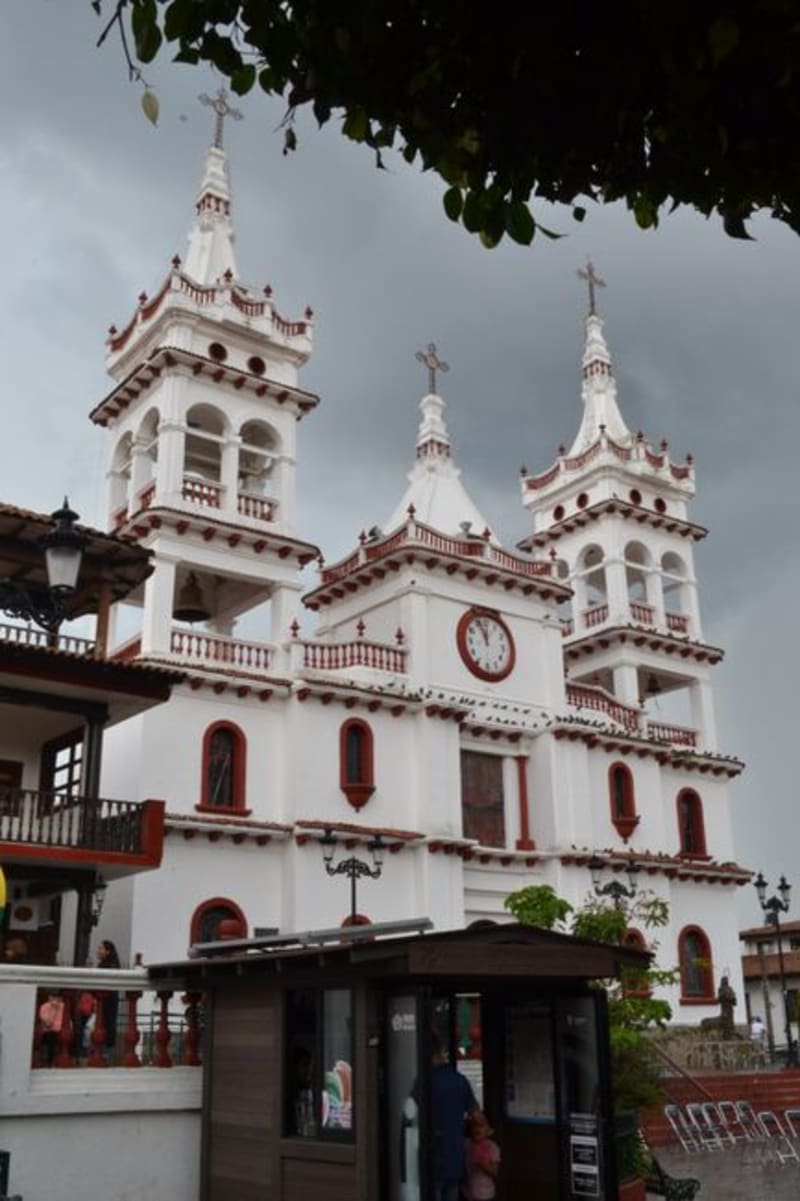 mexico
 Tetecala
Tetecala is one of Morelos' quietest Pueblos Mágicos — a warm-country town where mango orchards line the roads and a clear river has served as the local swimming hole for generations. The colonial church presides over an unhurried plaza, and the tourists have yet to find it.
Explore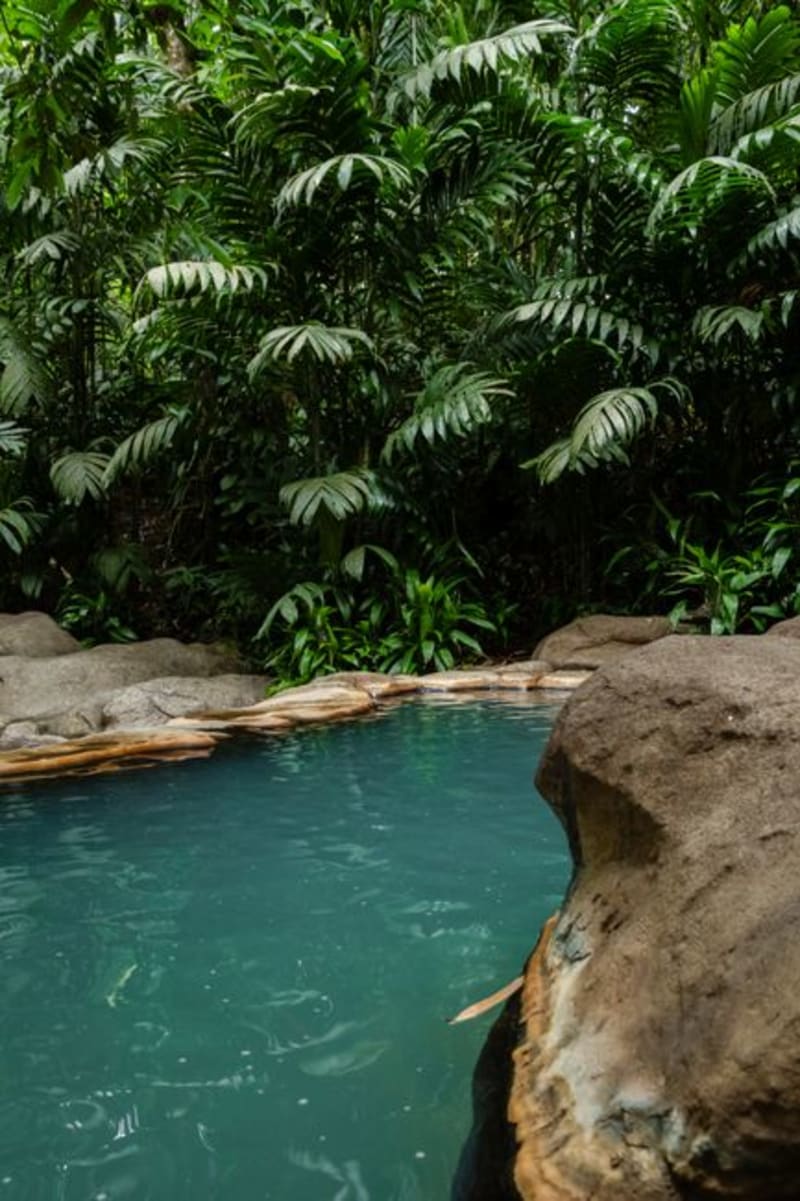 mexico
 Mazatepec
A village in the warm lowlands of western Morelos where ex-haciendas with thermal pools sit among mango and guava orchards. Mazatepec operates at a pace that makes Cuernavaca feel rushed — it rewards visitors who arrive with nothing planned.
Explore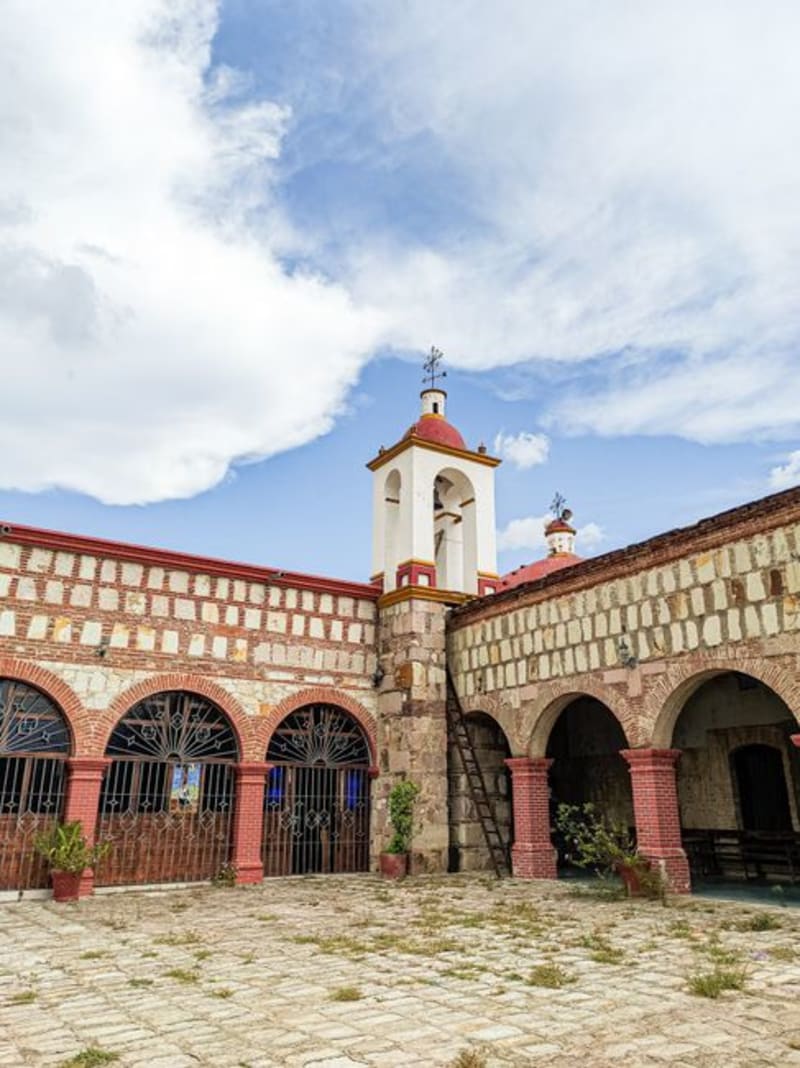 mexico
 Amacuzac
A warm river town in the far southwestern corner of Morelos, where the Amacuzac cuts green through tropical lowland and the pace slows to match the heat. Spring-fed swimming holes, hot-country afternoons, and the last easy breath before the Guerrero line.
Explore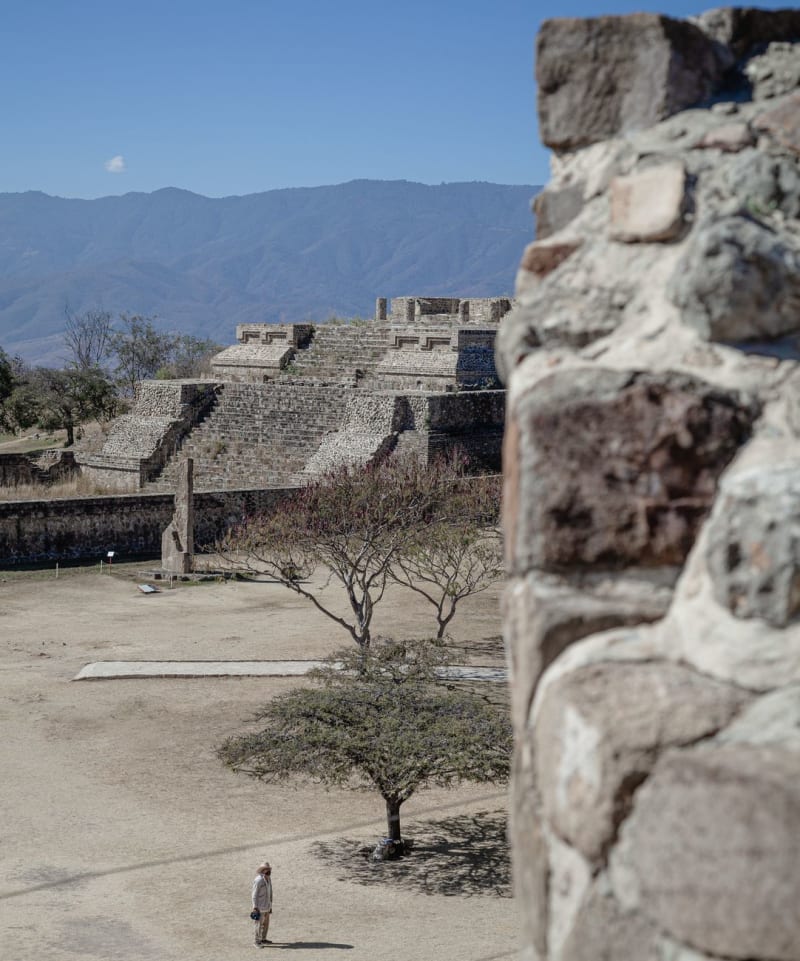 mexico
 Xochicalco
A hilltop pre-Hispanic city in the Morelos valley where a civilization of astronomers built one of the most sophisticated observatories in the Americas — including an underground cave where a column of light marks the exact zenith passage of the sun.
Explore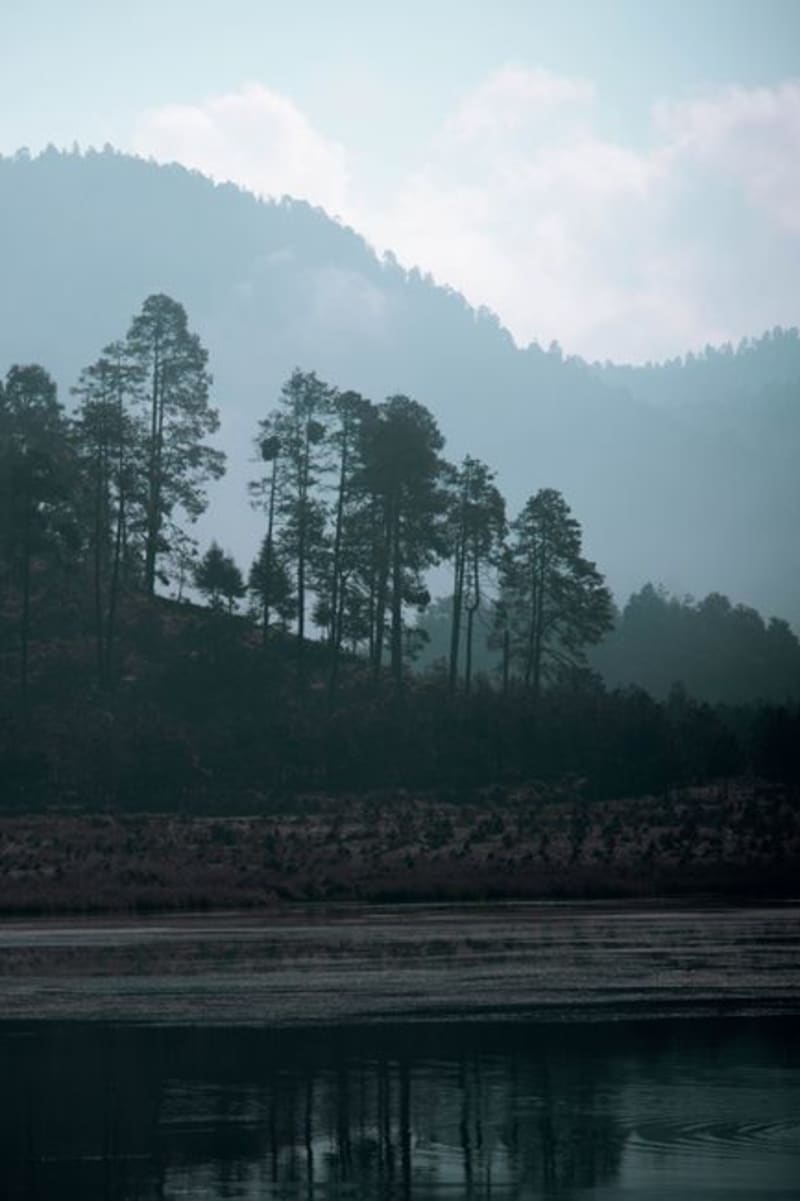 mexico
 Huitzilac
At 2,800 meters on Morelos's northern edge, Huitzilac trades the state's signature tropical heat for pine-oak forest, cold fog, and the high-altitude lakes of Zempoala. Most people pass through without stopping. That is their mistake.
Explore