Axochiapan
"The mezcalero poured from a clay pot and charged me forty pesos for something that would cost four hundred in Roma Norte — I bought two bottles and still had room in my bag."
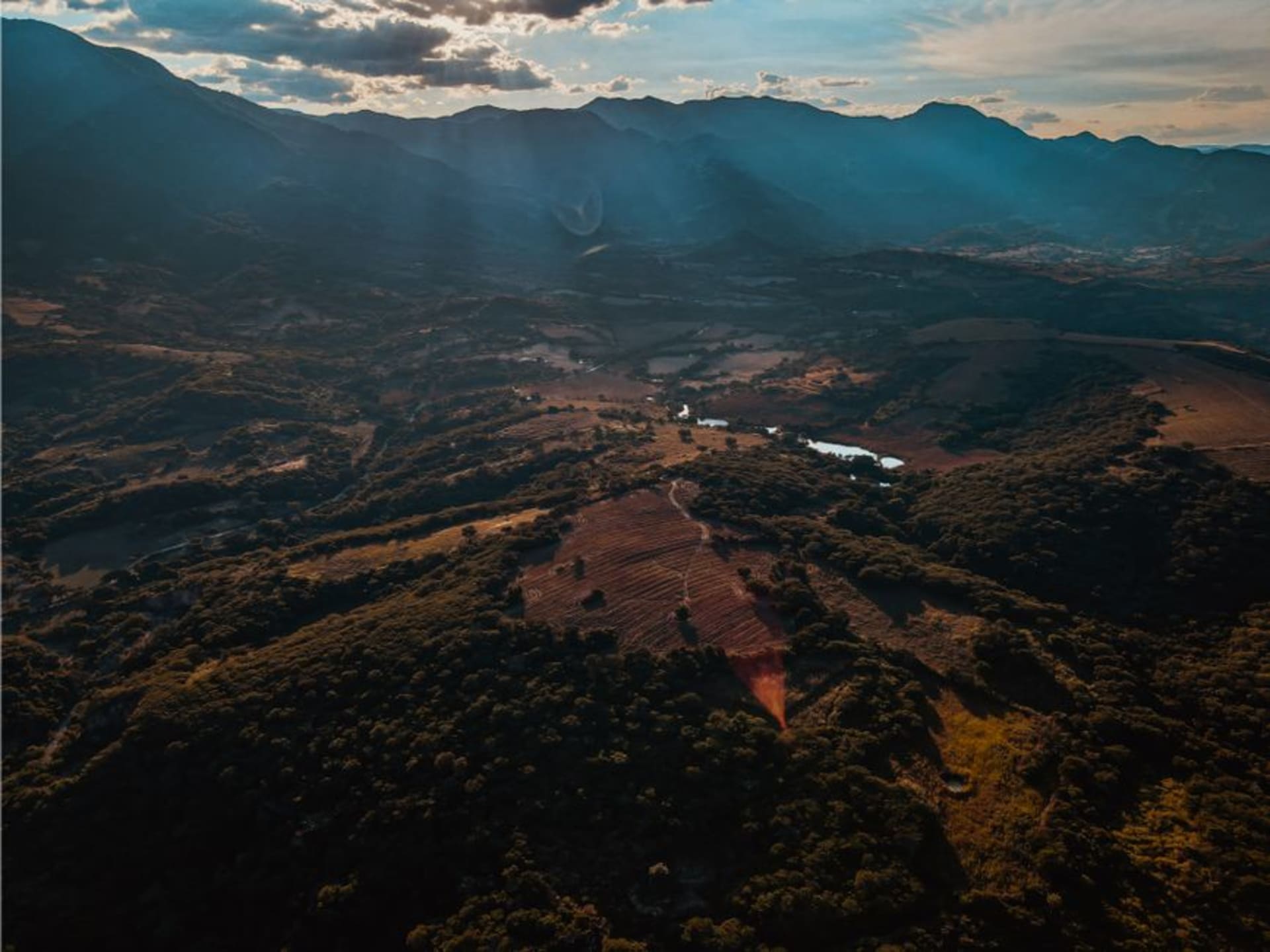
Axochiapan sits in the hot, flat sugarcane country of eastern Morelos — a town most people drive through without slowing down and that rewards those who stop with ex-hacienda ruins, a market untouched by tourism, and mezcal made in the surrounding hills in quantities too small to ever leave the region.

I pulled off the highway on impulse, following a hand-lettered sign pointing toward a tianguis I had not read about anywhere. That is more or less how Axochiapan works. The town does not advertise itself. It sits in the eastern lowlands of Morelos where the state loses its pine forests and becomes sugarcane and heat, and the visitors who do come are almost always passing through to somewhere else. I was supposed to be somewhere else too. I stayed three days.
The Market Nobody Comes to Polish
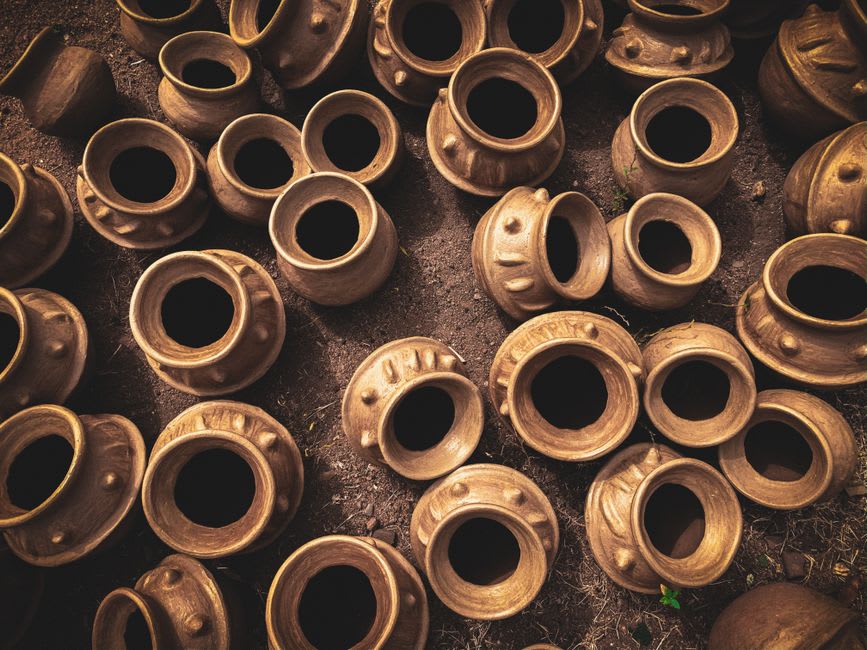
The Thursday tianguis in Axochiapan spreads out from the central square into the surrounding streets with the particular logic of a market that has never had to perform for outsiders. Vendors arrange cecina alongside mounds of dried chiles I did not recognize, and women from the surrounding ejidos sell atole de guayaba from clay pots by eight in the morning. I ate a quesillo gordita at a folding table on Calle Hidalgo and watched the town conduct its actual life around me — no craft stalls, no artisanal anything, just produce and hardware and noise. The market runs its own hours, starts contracting around noon when the heat becomes serious, and is functionally over by two. Come hungry.
Mezcal at the Source
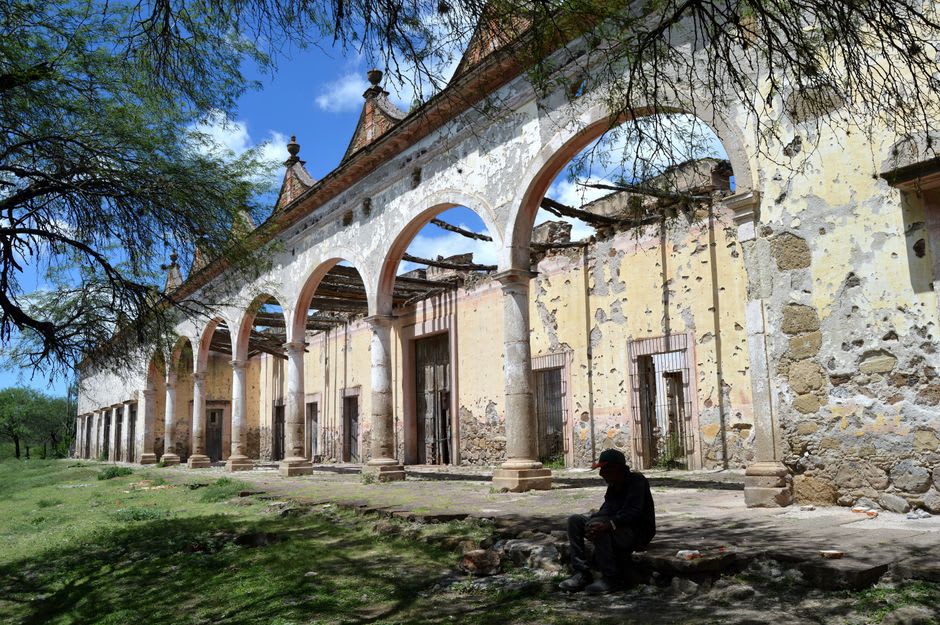
The hills above Axochiapan hold a handful of small-scale mezcaleros who produce in quantities that would not fill a single palette for export. A man at the market pointed me toward one — I will not name him because I am not certain he wants the attention — whose production amounts to perhaps two hundred liters a year from wild tobalá. He poured from a clay pot into a small jícara, no ceremony, no tasting notes. The mezcal was smoky in a way that tasted less like a style choice and more like the result of a wood fire in a specific ravine. He charged forty pesos a shot and sold me two 500ml repurposed water bottles at a price I still feel slightly guilty about. This is not a formal operation. Ask around at the market, be patient, and accept that the directions will involve a landmark that no longer exists.
The Hacienda Shells
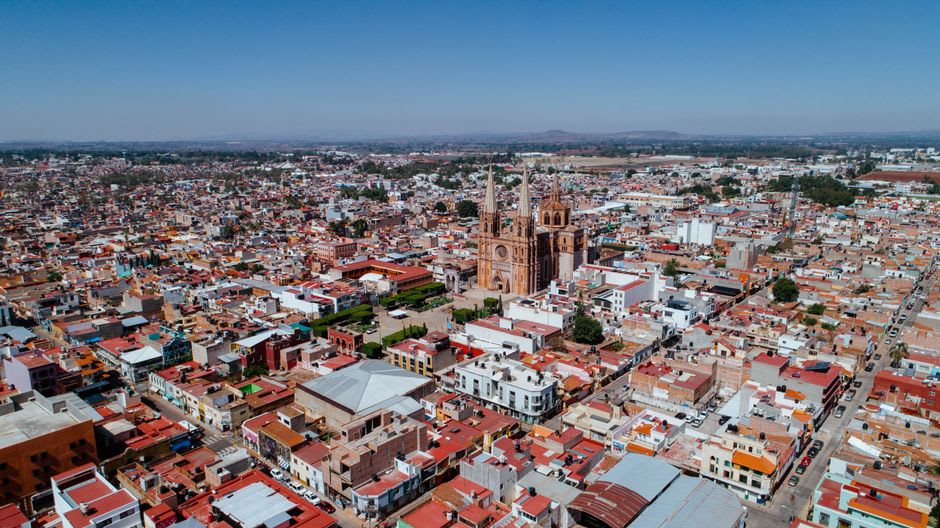
The sugarcane wealth of the nineteenth century left its ruins scattered through this part of Morelos, and Axochiapan has its share. The ex-hacienda on the edge of town — its aqueduct still partially standing, its arches going soft at the edges — is accessible without a guide and without paying anyone. A few local kids were using part of the old processing floor as a football pitch the afternoon I walked through. The walls hold the heat from the day and release it slowly after sunset. I sat there with one of my bottles until the light went flat and then walked back to the centro for a plate of mole amarillo at a comedor on the square that does not have a name on the door.
Getting There
Axochiapan is roughly 140 kilometers southeast of Cuernavaca. From the capital of Morelos, take the road toward Cuautla and continue east. Shared colectivos run from Cuautla’s eastern terminal and take about an hour. There is no bus station to speak of — ask to be dropped at the central plaza. A handful of basic hospedajes near the market handle the few people who stay overnight.
Keep exploring
More of Morelos
Keep exploring
More from Morelos
 mexico
Tepalcingo
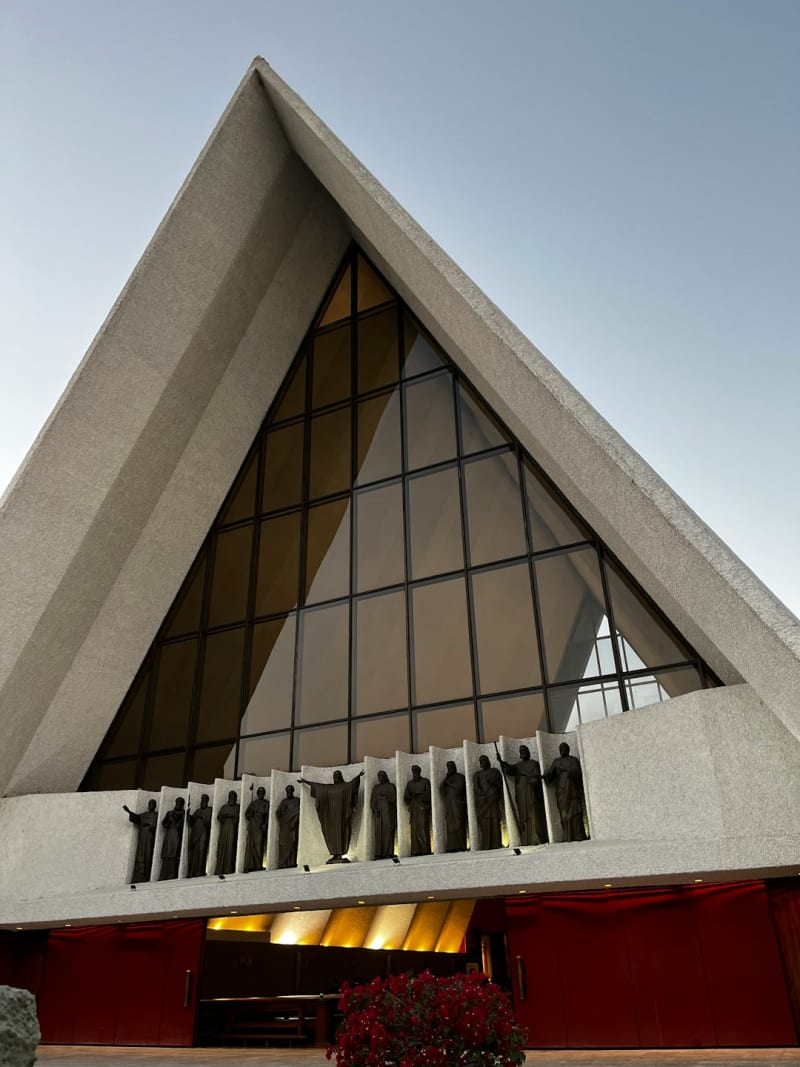
A warm, dusty town on the dry plains of southeastern Morelos that swells once a year for one of the great pilgrimage fairs of central Mexico, drawn to a sanctuary whose façade is worked in astonishing sculpted detail. Quiet most days, overwhelming on the third Friday of Lent.
Explore mexico
Jonacatepec
Jonacatepec sits in the semi-arid eastern lowlands of Morelos near the Puebla border, a town that functions at its own dry, unhurried pace with maguey plants on the hillsides and a baroque parish church of disproportionate grandeur for a place this size. I spent two hours here in November and left understanding Morelos better than I had when I arrived.
Explore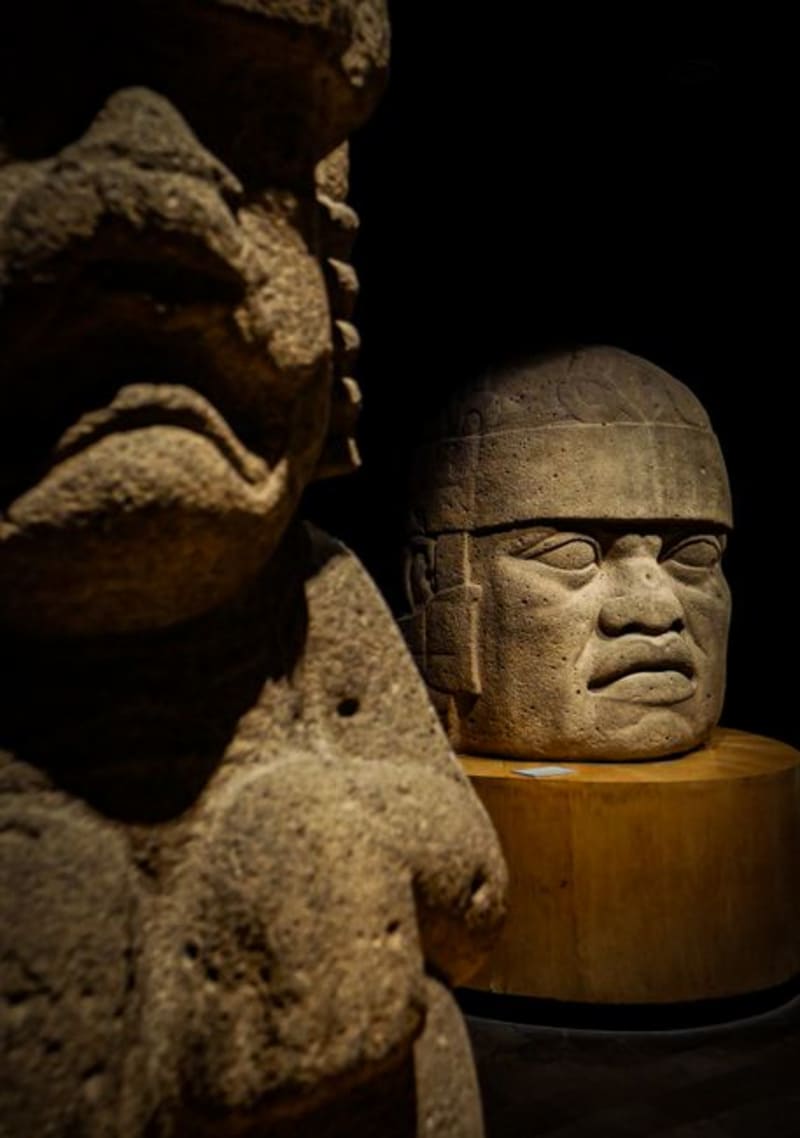 mexico
Jantetelco
A semi-arid Morelos town at the base of the Sierra de Jantetelco, where pre-Columbian rock carvings sit unannounced on boulders in the surrounding fields and a small community ecotourism project has quietly organized itself around the dry forest most visitors to Morelos never bother reaching.
Explore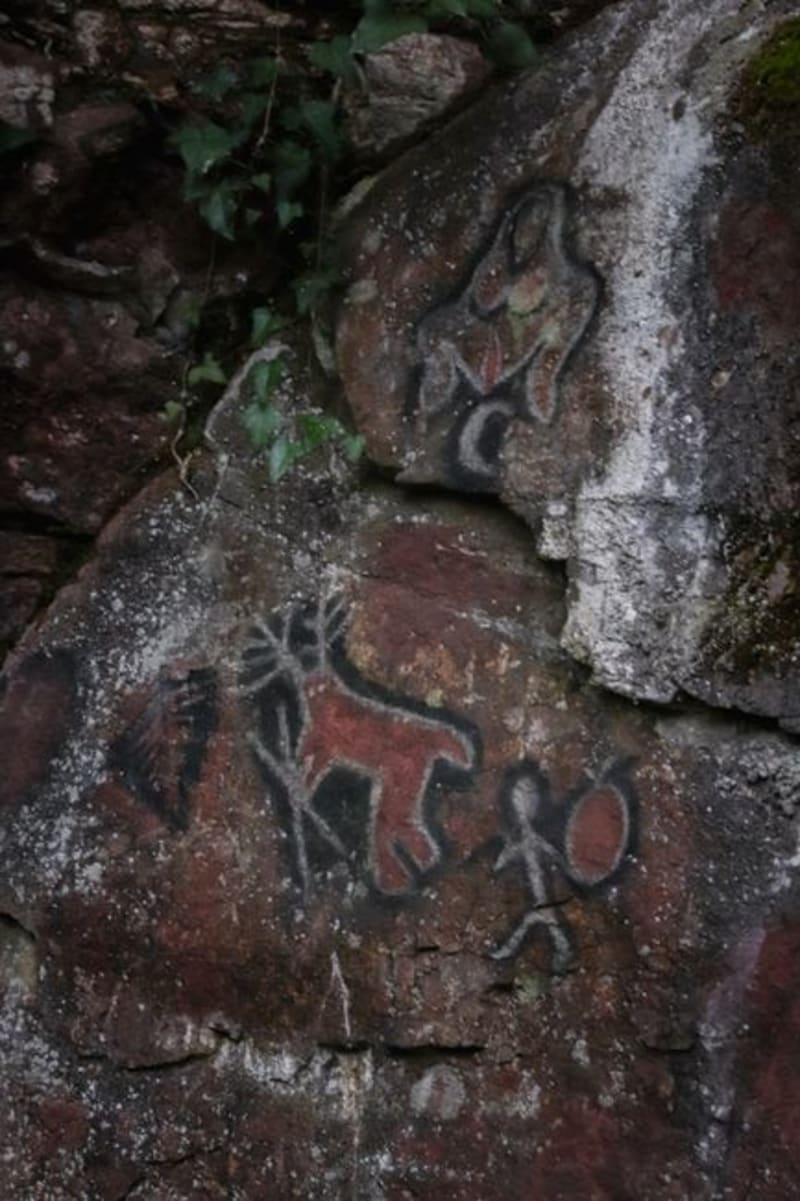 mexico
Chalcatzingo
Chalcatzingo is an Olmec-influenced ceremonial site in eastern Morelos where bas-relief carvings — rain deities, seated rulers, supernatural jaguars, figures emerging from cave mouths — are cut directly into hillside boulders of dark basalt. It is one of the most significant Middle Formative sites in central Mexico and almost nobody visits, which means you will likely have the carvings to yourself in a way that Teotihuacan and Monte Albán can no longer offer.
Explore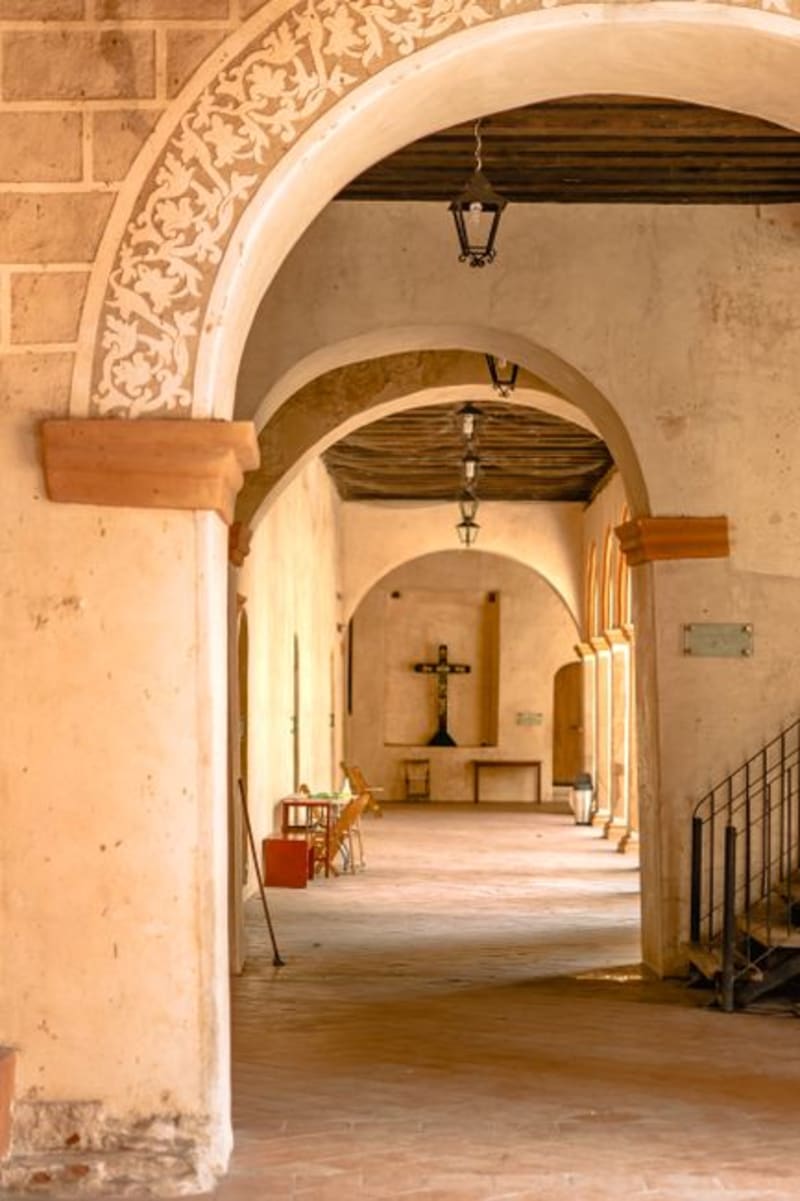 mexico
Tlaquiltenango
Tlaquiltenango holds one of the most intact early colonial monasteries in Mexico, a sixteenth-century Augustinian complex with an open-air chapel built for mass conversions in the dry foothills of Morelos. It is part of the UNESCO cluster of monasteries on the slopes of Popocatépetl, and almost nobody comes.
Explore mexico
Yecapixtla
Yecapixtla is a small town in eastern Morelos built around one of the most formidable Augustinian monasteries in Mexico — a fortress-church from the 1530s that is part of a UNESCO World Heritage group of convents on the slopes of Popocatépetl. On Sundays, the town rings the monastery with a market whose cecina enchilada has been drawing people from across the state for generations.
Explore