Tetela del Volcán
"I arrived when the apple harvest was winding down, the volcano half-hidden in cloud, church bells every quarter hour. I had planned one night and stayed three."
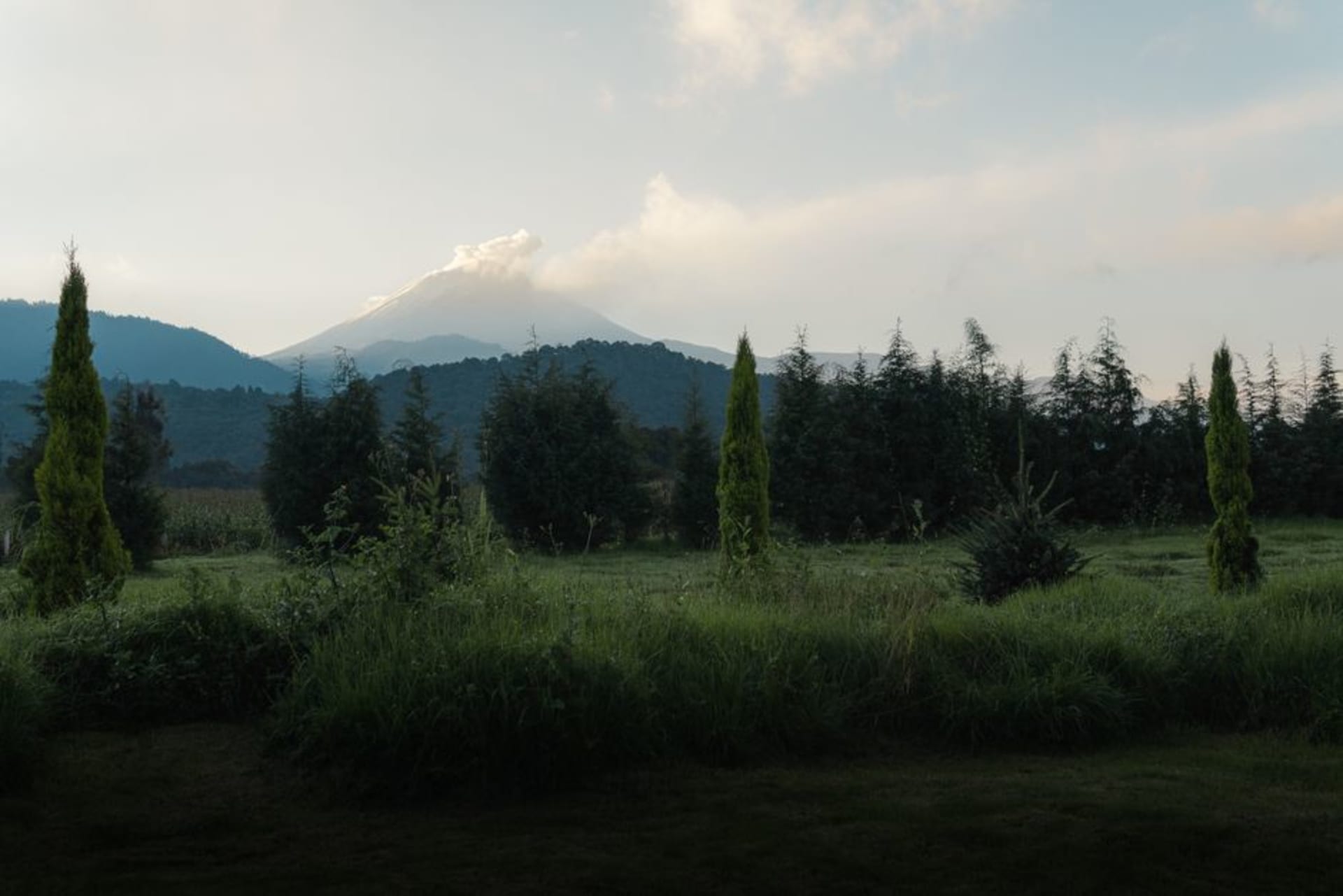
Tetela del Volcán sits on the eastern flank of Popocatépetl at around 1,700 meters, where apple orchards line the road up and the colonial church of San Juan Bautista frames the volcano on clear mornings. The air smells of pine resin and wood smoke, the Sunday market winds through a stone plaza, and the thermal pools at nearby Atzompa are used almost exclusively by families driving up from Cuautla on weekends. It is a town that rewards arriving before noon and staying two nights longer than you planned.

I arrived on a Tuesday in November when the last vendors were selling cider from plastic jugs on the plaza — the sweet kind that hasn’t quite fermented, cold from the altitude — and the church bells were going every quarter hour, a sound that bounced off the stone facades and disappeared up into the pines. Popocatépetl was half-hidden in cloud the way it usually is by midday, the summit gone, just the broad white shoulder visible between the roof of the presidencia and the church tower. I had planned to stay one night. That was a miscalculation of the comfortable sort.
The Church and the Volcano
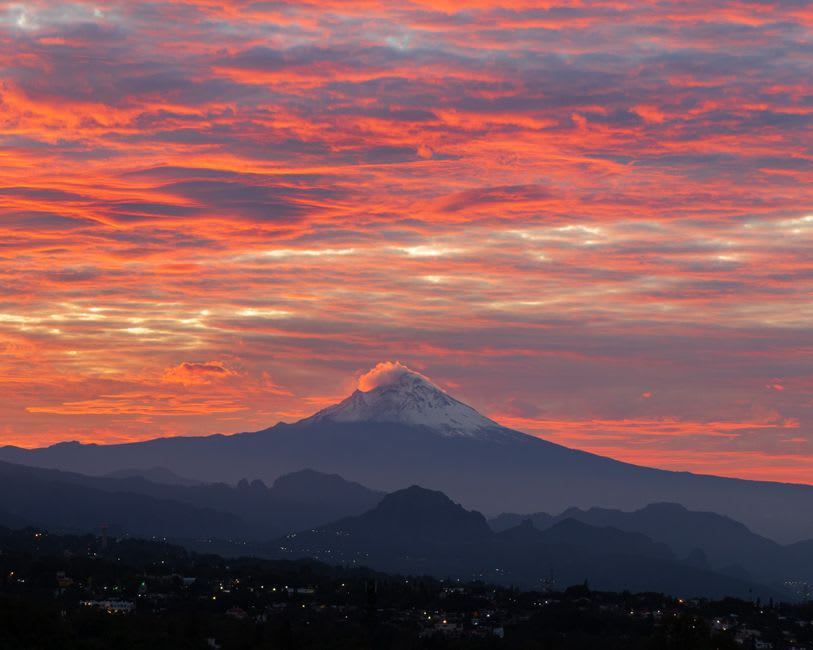
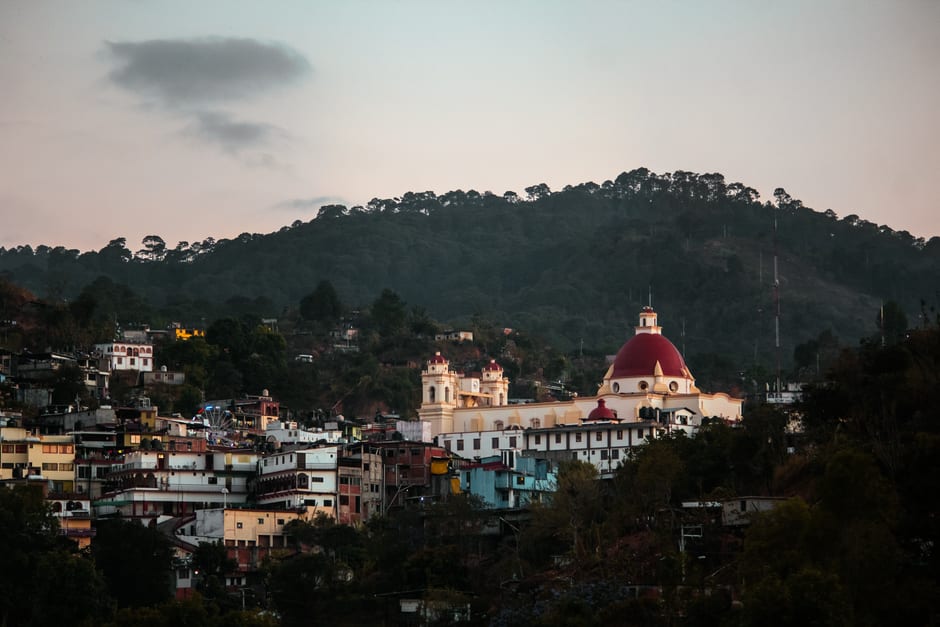
The thing about Tetela del Volcán is that it exists in a specific visual relationship with Popocatépetl that most towns on the volcano’s flanks don’t quite manage. The volcano is present in nearly every sightline — from the plaza, from the road above town, from the window of whatever room you find — but it is the colonial church of San Juan Bautista that makes the composition work. On a clear morning, before the cloud builds around ten, the whitewashed bell tower and the volcano’s snowcap occupy the same frame, one man-made and one geological, both at a scale the town between them makes no attempt to match.
I was there three mornings and got one clear one. It was enough.
The road up from Cuautla passes through apple orchards the whole way — a landscape that doesn’t exist much in Mexico, the neat rows of trees and the smell of fruit and October light going sideways through leaves turning yellow. By November most orchards were stripped bare, the crates stacked by the roadside, the ground soft with fallen fruit going soft. The air smells of pine resin and wood smoke at this altitude even in July. In November it smells of those things and also of apples, a sweetness that cuts through the cold.
What the Sunday Market Sells
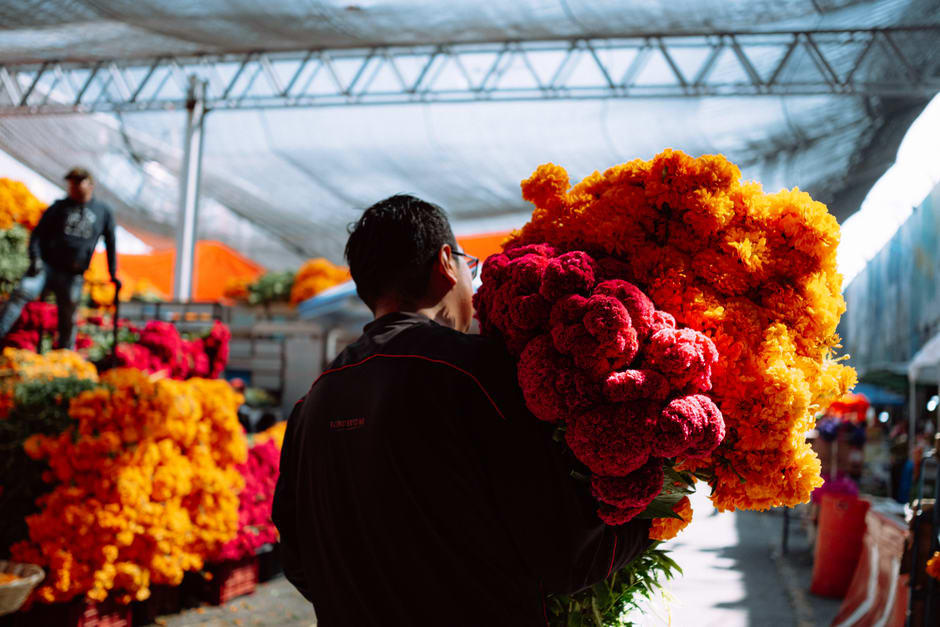
The market on the main plaza runs Sunday mornings until noon. In November it had a specific seasonal character: the last apple vendors selling small bags of dried apple slices alongside jars of jam with hand-lettered labels, and at the far end, a woman who made tamales de rajas — strips of poblano chile with fresh cheese in a dense masa, steamed in corn husks and handed over wrapped in a square of paper. I ate two standing up. They were serious tamales, built for the altitude and the cold, nothing delicate about them.
There was also a stall selling cecina, the thin dried beef that Morelos does particularly well, and another selling fresh trout from the streams higher up the mountain. The cuisine here is heavier than what I eat daily in Puerto Escondido — built around smoke, dried chile, and meat that keeps in cold air. I found a small comedor on the street behind the church run by a woman named Amparo, according to the sign, who served a midday set menu of soup, rice, and guisado. I went back two days in a row. The guisado on Wednesday was pork in tomatillo and the one on Thursday was chicken in a dark dried-chile sauce that took most of the bread to finish.
The Pools at Atzompa
Three kilometers below Tetela, down a road that drops through a ravine of oak and pine, the thermal pools at Atzompa operate on what I would call a local schedule: crowded on Saturday and Sunday afternoons when families drive up from Cuautla, nearly empty on weekday mornings when there is sometimes nobody there except the woman who takes the entrance fee and two dogs that have decided the warm water is worth staying near.
The pools are simple — concrete basins, water genuinely hot, the surroundings overgrown and green. There is no resort infrastructure, no swim-up bar, no towel service. I went on a Wednesday morning and had the smaller pool to myself for nearly two hours. Pine trees overhead. The stream that feeds the pools audible somewhere below. The temperature was almost too much at first, then exactly right. That is what the place is. That is all it needs to be.
Getting There
Tetela del Volcán is about 30 kilometers above Cuautla, reachable by combi from Cuautla’s northern terminal — roughly 45 minutes on a road that climbs steeply through orchards and pine forest. From Mexico City, Cuautla is two hours by bus from the Terminal de Poniente. October and November bring the apple harvest and are the best months to visit. Avoid coming on a Sunday if you want the thermal pools to yourself; weekday mornings at Atzompa are a different experience entirely.
Keep exploring
More of Morelos
Keep exploring
More from Morelos
 mexico
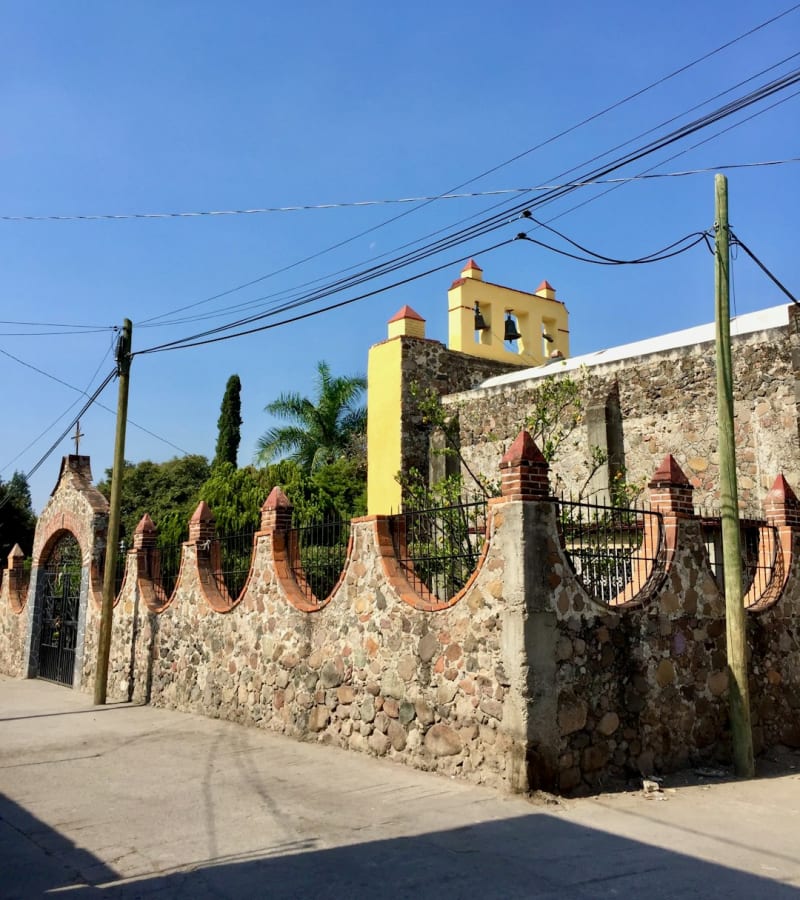
 Ocuituco
A quiet town on the green lower skirts of Popocatépetl, where a stern Augustinian ex-convent guards one of the oldest stone fountains in the Americas and the air smells of cut grass and cold volcano. Fruit orchards, old walls, and a silence that feels deliberate.
Explore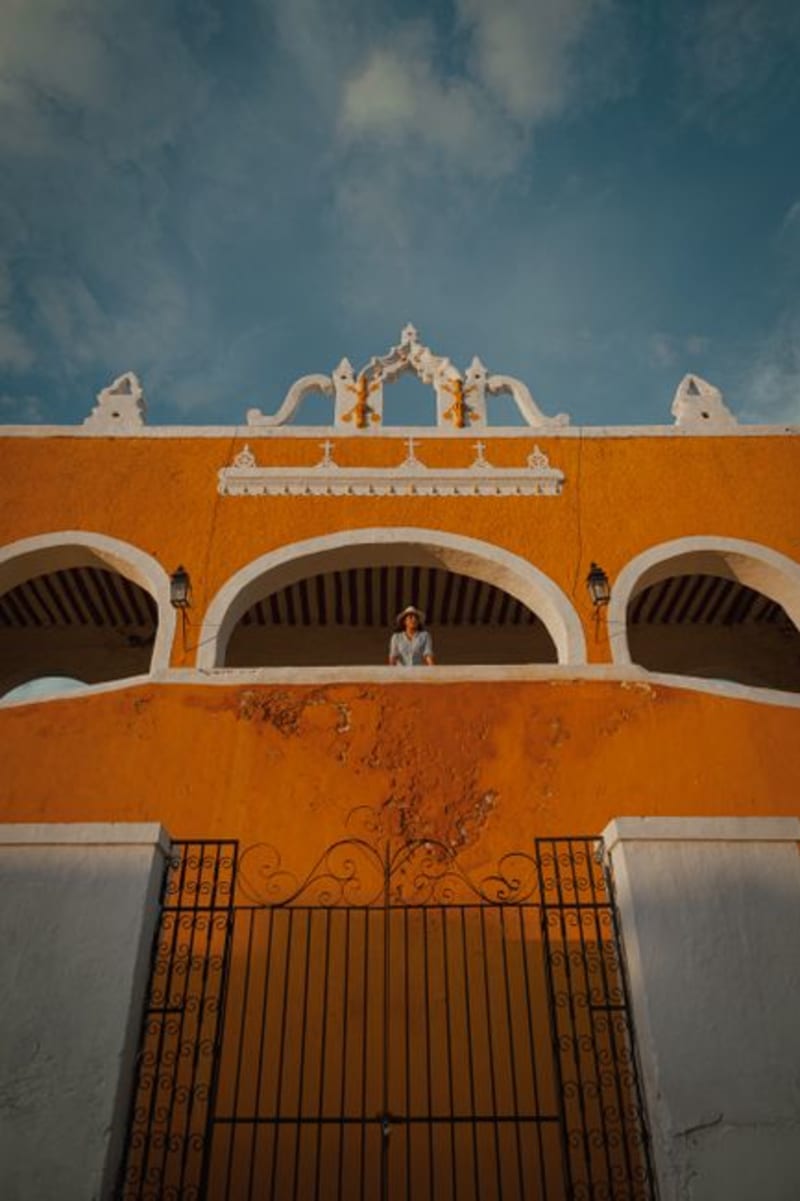 mexico
 Yecapixtla
Yecapixtla is a small town in eastern Morelos built around one of the most formidable Augustinian monasteries in Mexico — a fortress-church from the 1530s that is part of a UNESCO World Heritage group of convents on the slopes of Popocatépetl. On Sundays, the town rings the monastery with a market whose cecina enchilada has been drawing people from across the state for generations.
Explore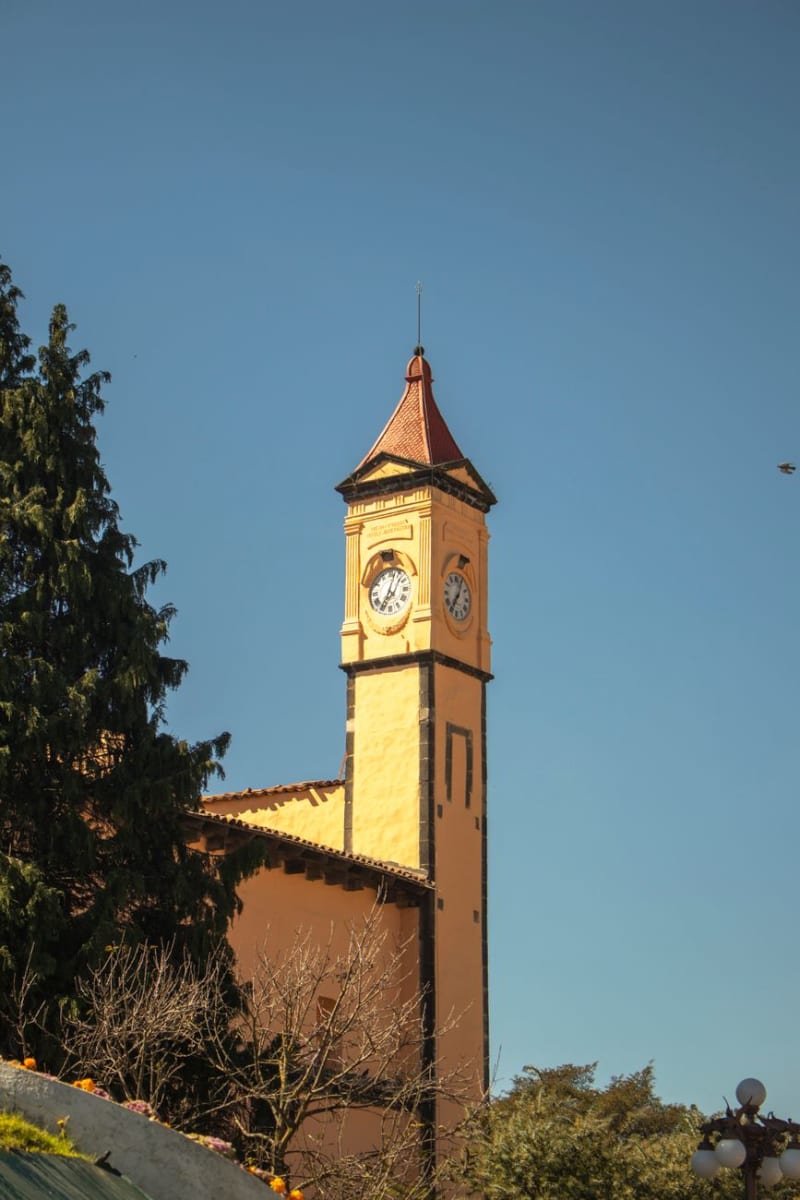 mexico
 Totolapan
Totolapan is a mountain town in the Sierra de Tepoztlán at 1,800 meters, reached by a road that climbs steeply through dry forest above Cuautla. Its 16th-century Augustinian convent has a cloister full of murals painted by Nahua artists that bear a specificity — the faces, the details — that tells you the painters were not simply following instructions.
Explore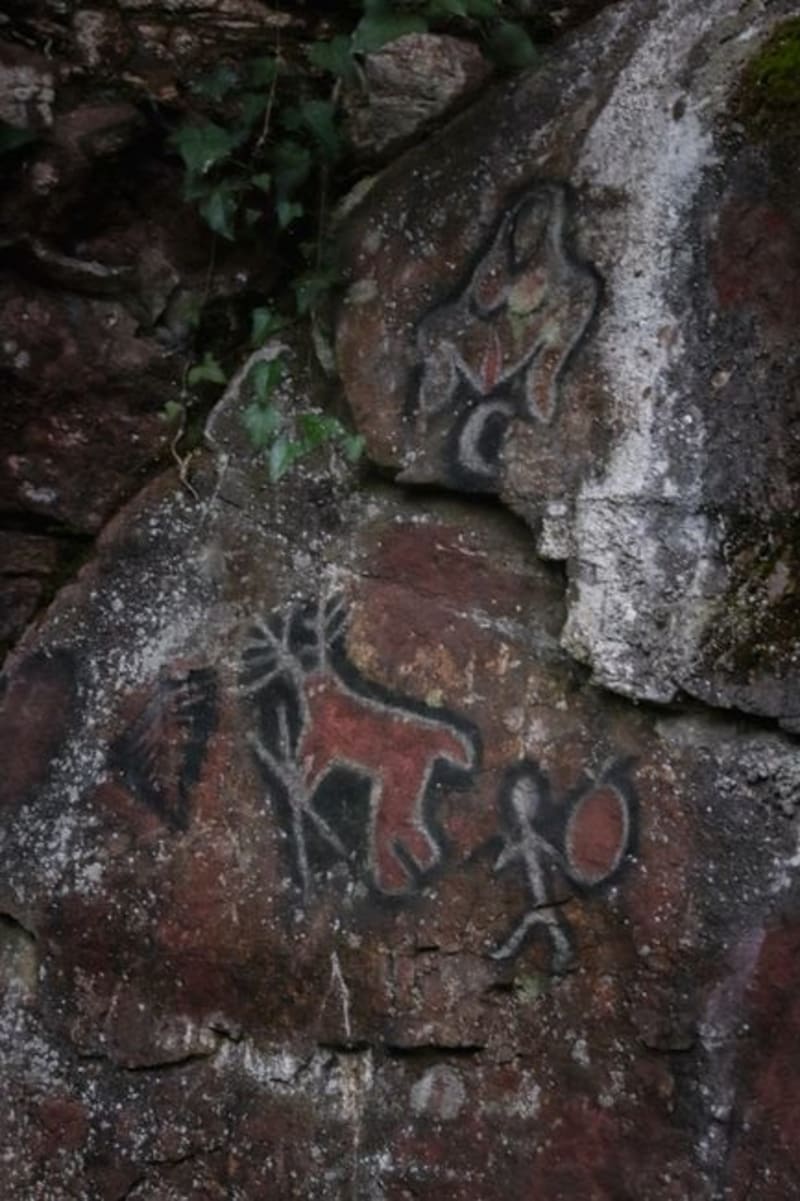 mexico
 Chalcatzingo
Chalcatzingo is an Olmec-influenced ceremonial site in eastern Morelos where bas-relief carvings — rain deities, seated rulers, supernatural jaguars, figures emerging from cave mouths — are cut directly into hillside boulders of dark basalt. It is one of the most significant Middle Formative sites in central Mexico and almost nobody visits, which means you will likely have the carvings to yourself in a way that Teotihuacan and Monte Albán can no longer offer.
Explore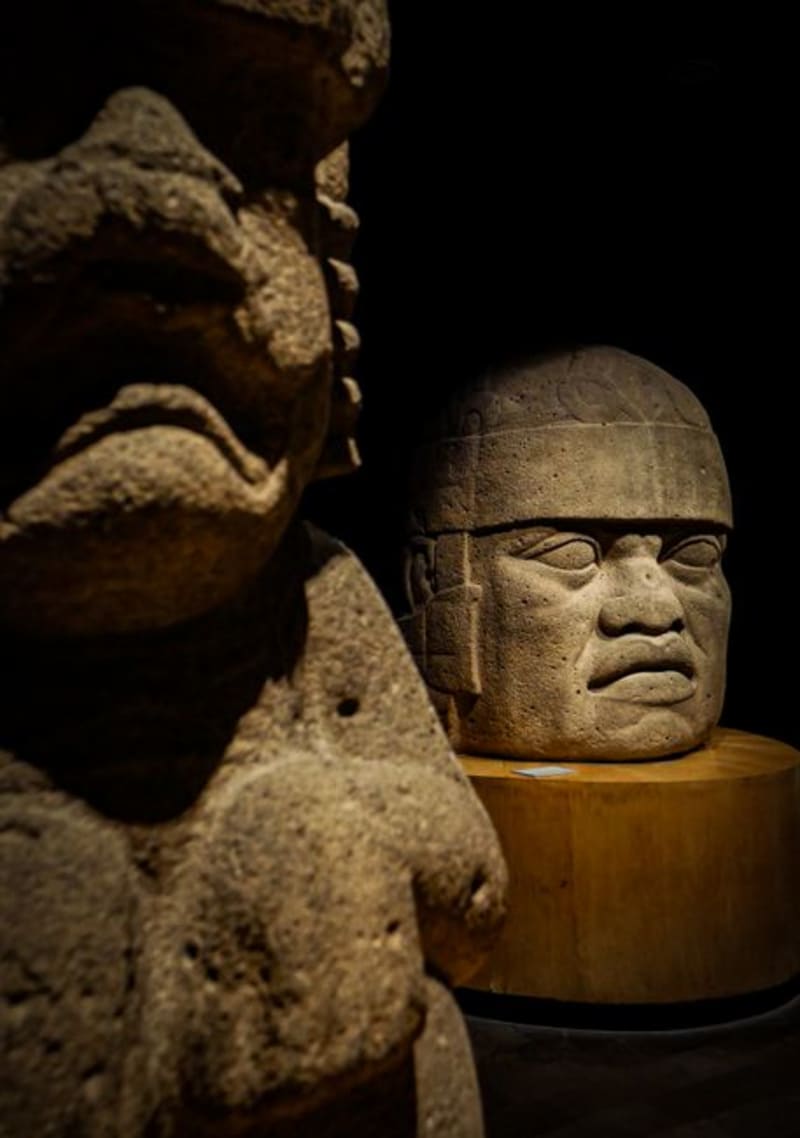 mexico
 Jantetelco
A semi-arid Morelos town at the base of the Sierra de Jantetelco, where pre-Columbian rock carvings sit unannounced on boulders in the surrounding fields and a small community ecotourism project has quietly organized itself around the dry forest most visitors to Morelos never bother reaching.
Explore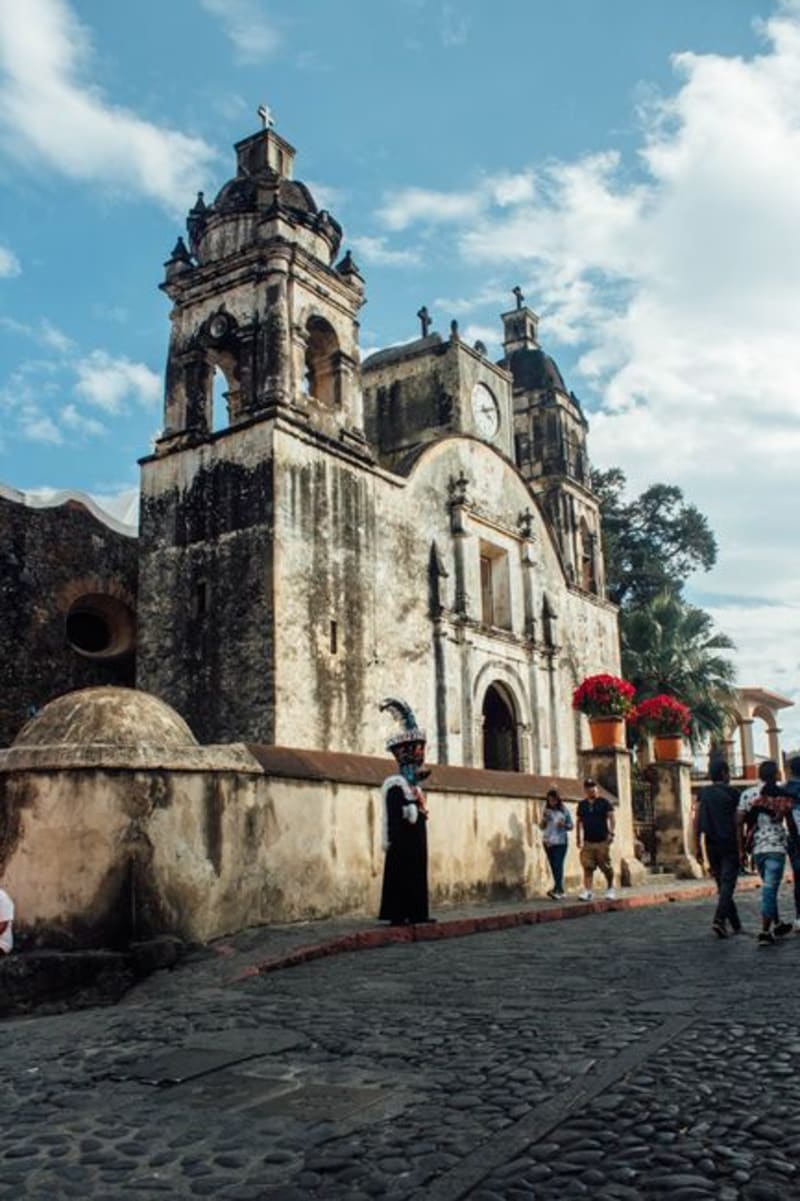 mexico
 Oaxtepec
Oaxtepec was a royal botanical garden before it was a Dominican convent, and a Dominican convent before it became a state resort complex. The thermal springs that Motecuhzoma I valued enough to import plants from across the empire are still running. The sixteenth-century cloister is still standing, quietly, at the back of a parking lot.
Explore