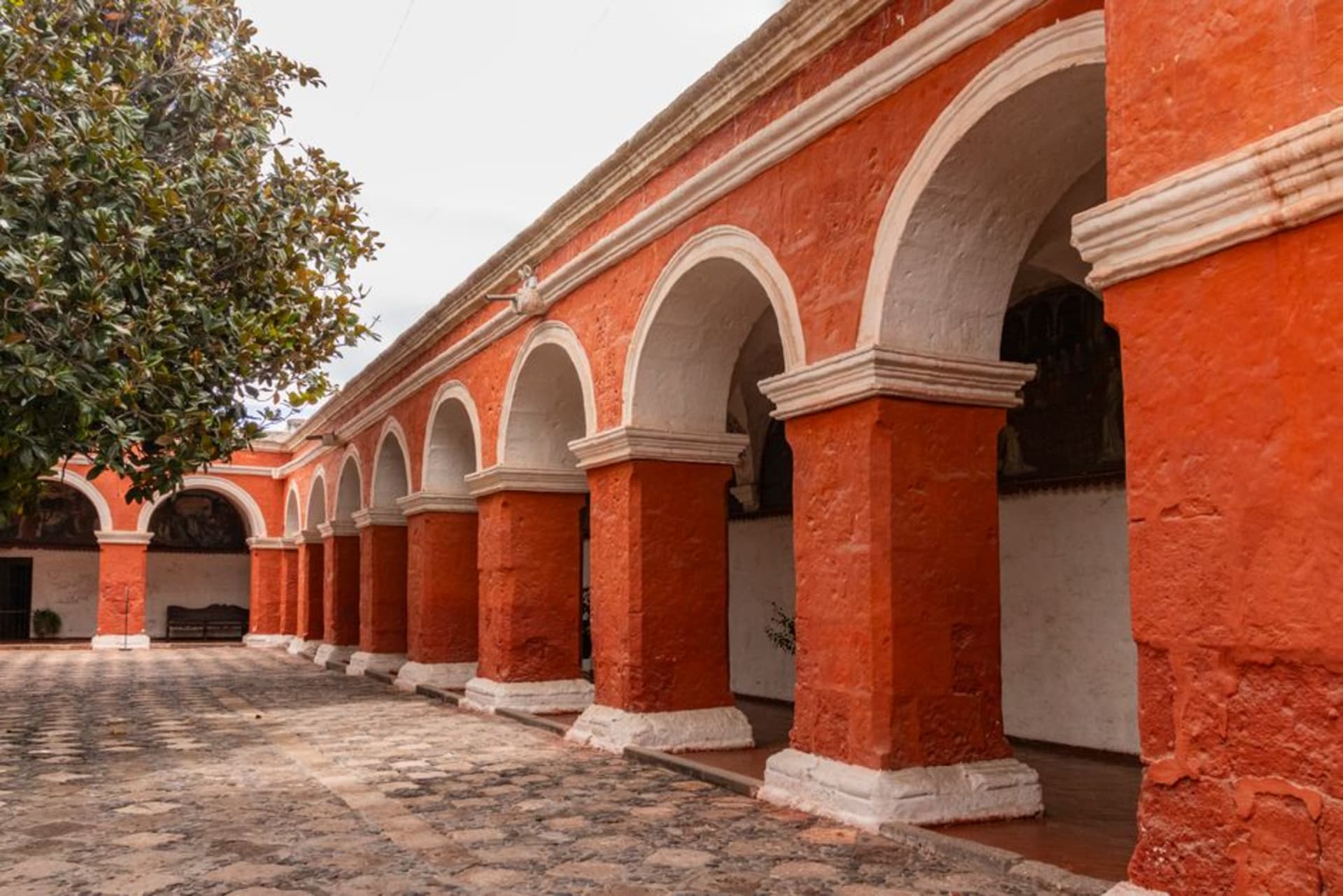
Tlaquiltenango
"The open chapel was built to hold an entire village in the open air, and standing inside its arches I understood exactly why the friars chose this particular silence."
Tlaquiltenango holds one of the most intact early colonial monasteries in Mexico, a sixteenth-century Augustinian complex with an open-air chapel built for mass conversions in the dry foothills of Morelos. It is part of the UNESCO cluster of monasteries on the slopes of Popocatépetl, and almost nobody comes.

I went because of a photograph in an architecture book — one of those thick university press volumes you find in second-hand shops in Mexico City. The open chapel at Tlaquiltenango appeared in a chapter on early colonial evangelism: a massive stone arch open to the sky, walls thick enough to anchor a ship, built in the 1540s so that Augustinian friars could preach to hundreds of converts who, the thinking went, would not yet enter a roofed church. I drove down from Cuautla on a Tuesday in May, past cane fields bent flat in the heat, and arrived to find the atrium completely empty.
An Open Chapel Built for a Village
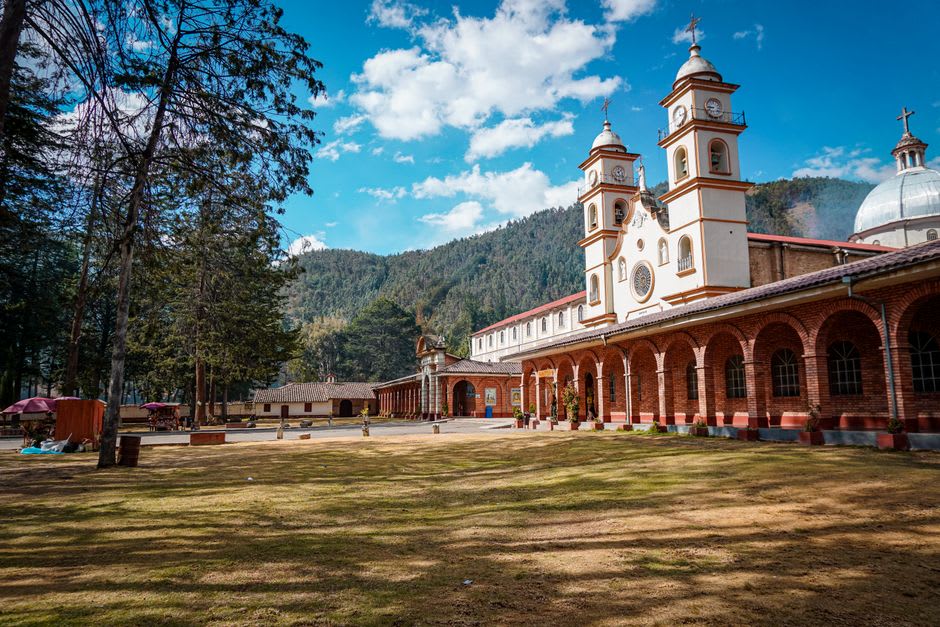
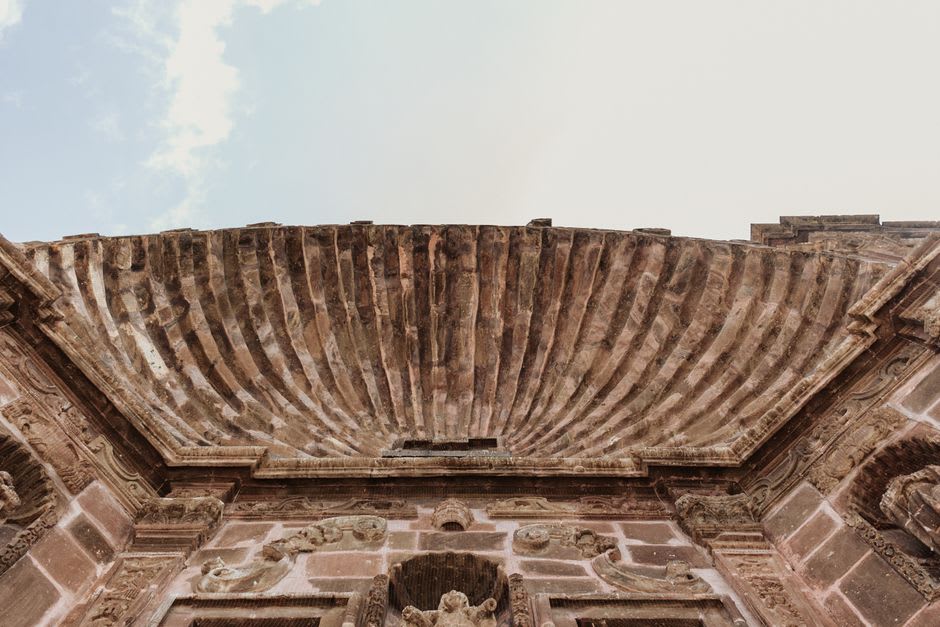
The Ex-convento de la Natividad sits at the edge of town behind a low wall, its sixteenth-century stones the color of dried chamomile. The main church is intact, the cloister quiet, the carved portal still legible in detail — rosettes, angels, vegetal spirals that Spanish architects brought and indigenous stonecutters made strange and particular. But the capilla abierta is the thing. It faces the atrium like a theater without a roof: three arches wide, deep enough to shelter several hundred people standing, entirely open at the front to the sky and the hills. The friars built it for mass baptisms and outdoor sermons in the first decades of conversion, before trust — or compulsion — had gone far enough to coax the congregation inside. Standing under its vaulted ceiling with the Morelos sun cutting across the stone floor, I thought about the logic of it: the church as threshold, not container. This complex is part of the UNESCO cluster of monasteries on the slopes of Popocatépetl, a designation that brings almost no visible tourism to Tlaquiltenango itself.
The Market and the Table Near the Entrance
The town spreads from the convent in the way colonial towns do — plaza, church, municipal building, everything oriented to a center that has been a center for five hundred years. On market days, Tuesday and Friday, the street along the market hall fills with vendors selling dried chiles anchos, fresh queso blanco, and cecina adobada — thin sheets of pork rubbed in achiote paste and dried briefly in the sun, the version Morelos does best. I ate mine at a folding table near the market entrance with a bowl of arroz rojo and a stack of tortillas from the comal set up just outside. The woman who served me had been there since five in the morning. She did not ask where I was from. In a place where foreign visitors are genuinely uncommon, the absence of curiosity felt like its own form of welcome.
Sugarcane and the Weight of the Tierra Caliente
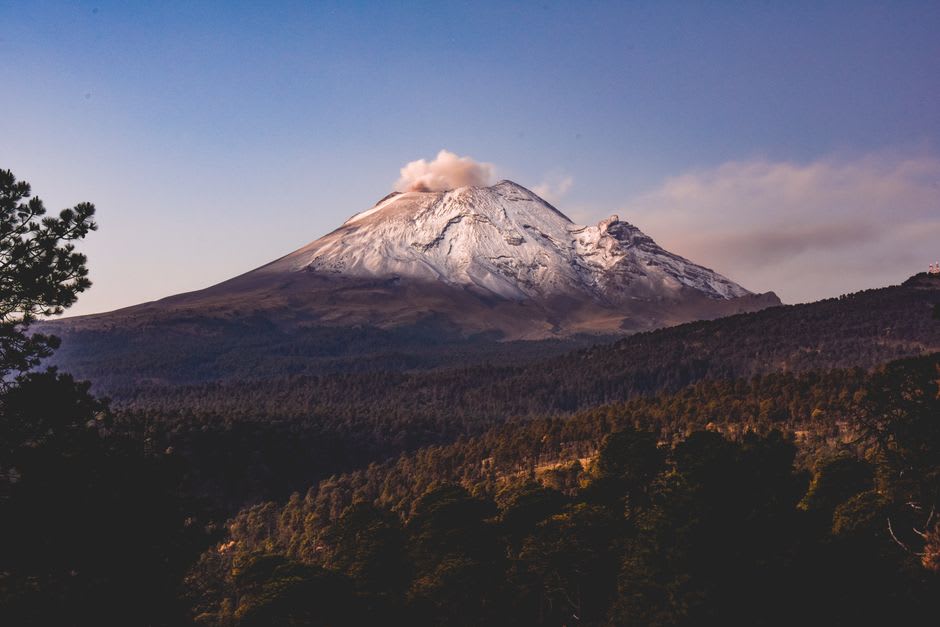
South of town the road drops toward the hot country, where the vegetation shifts from orchard to dry scrub and copal. The sugarcane fields around Tlaquiltenango have been here since the colonial period — Morelos’s sugar economy, the hacienda system, the conditions that eventually produced Emiliano Zapata all came from landscapes like this one. Walking the edge of a cane field in the late afternoon, with the light going amber and Popocatépetl faintly visible to the north trailing a thin thread of smoke, I felt the weight of that history in a way that no museum exhibit had quite managed. It is an easy place to overlook. That, I suspect, is exactly how it has stayed intact.
Getting There
Tlaquiltenango is 15 kilometers south of Cuautla, which is about 90 minutes from Mexico City via the autopista. From Cuautla’s central bus terminal, shared combis run regularly to Tlaquiltenango for a few pesos. Park on the street near the plaza and walk two blocks west toward the church tower. The convent is technically open daily, but hours are approximate — arriving before noon is the sensible approach.
Keep exploring
More of Morelos
Keep exploring
More from Morelos
 mexico
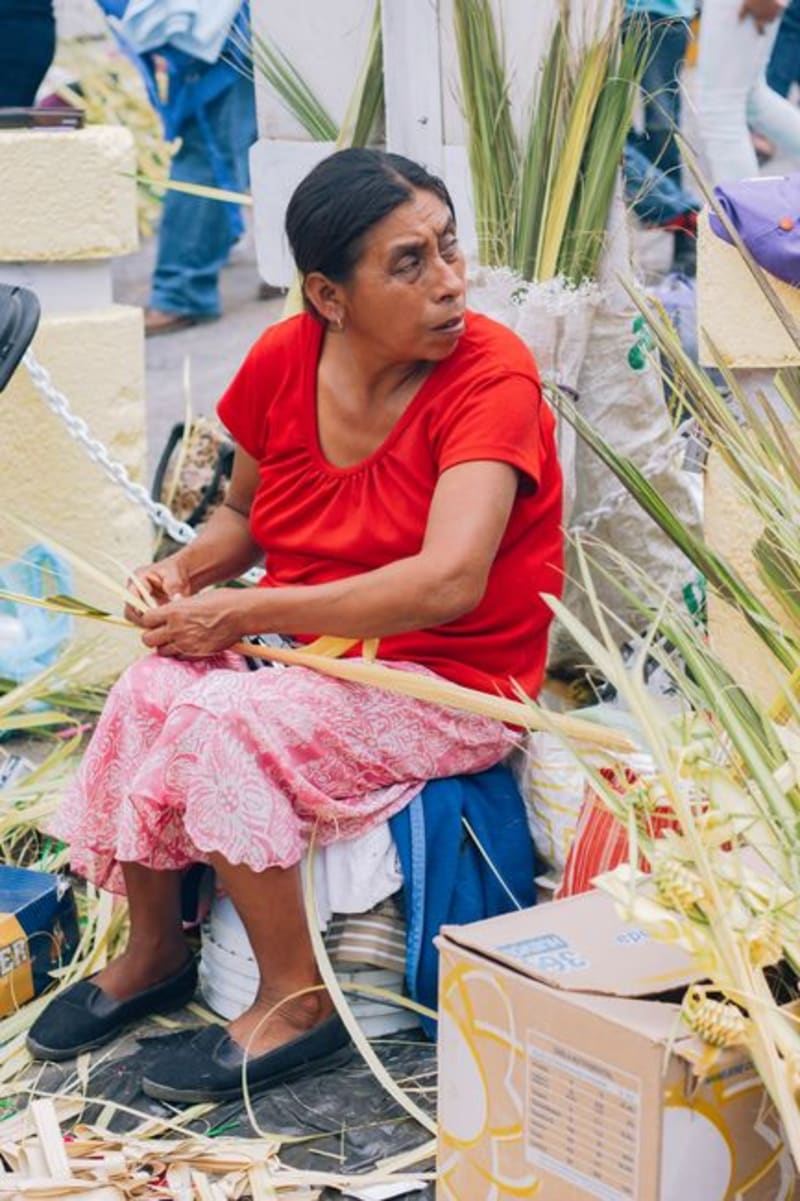
 Jojutla
Jojutla bakes in the Tierra Caliente heat and does not apologize for it. A regional market institution, prized arroz cultivated in the surrounding lowlands, and some of the finest palm-woven petates in central Mexico — this is a town that has never needed an audience.
Explore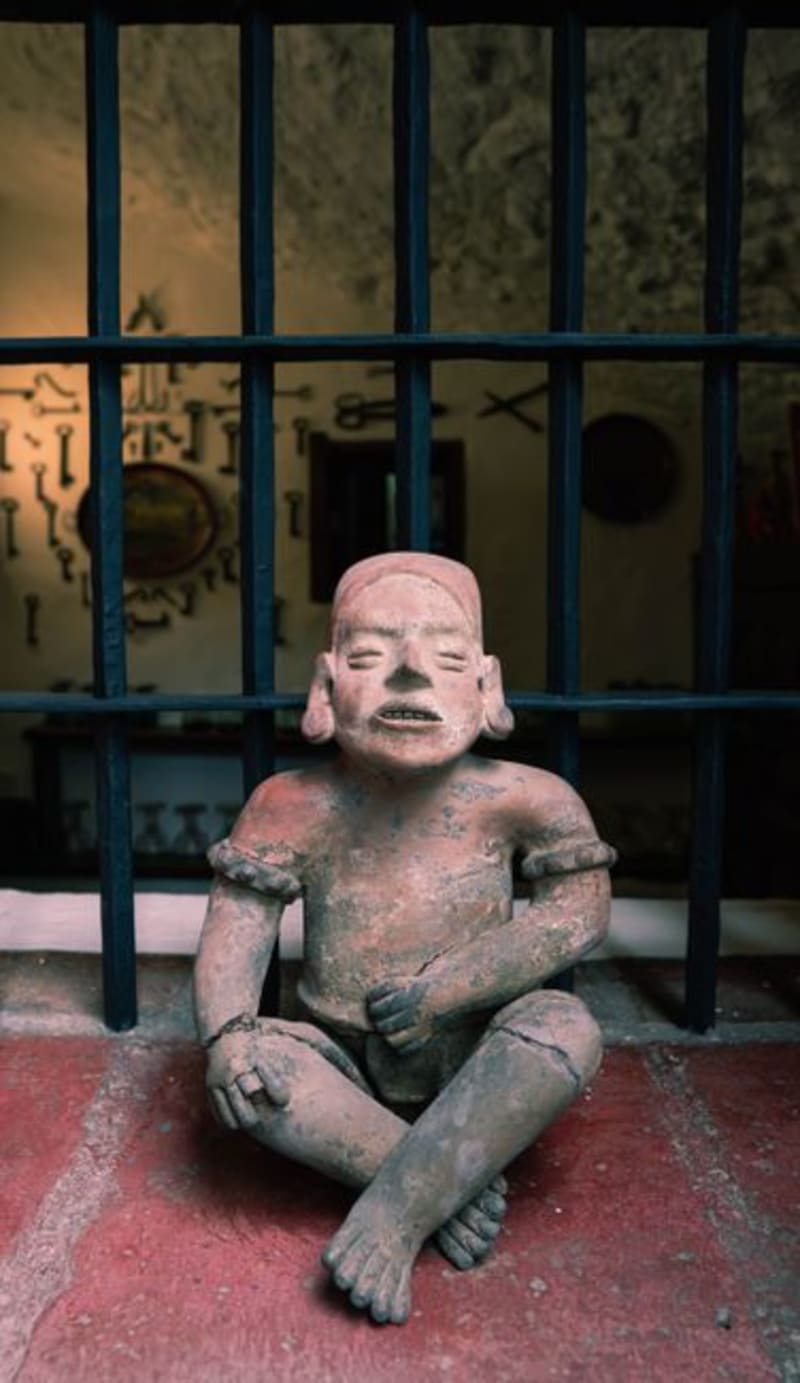 mexico
 Tlaltizapán
Emiliano Zapata made this sugar-cane town in the Tierra Caliente of Morelos his operational headquarters during the Revolution, and the hacienda where he planned land reform is now a quiet museum at the center of a town that has remained exactly as unhurried as it probably was a century ago.
Explore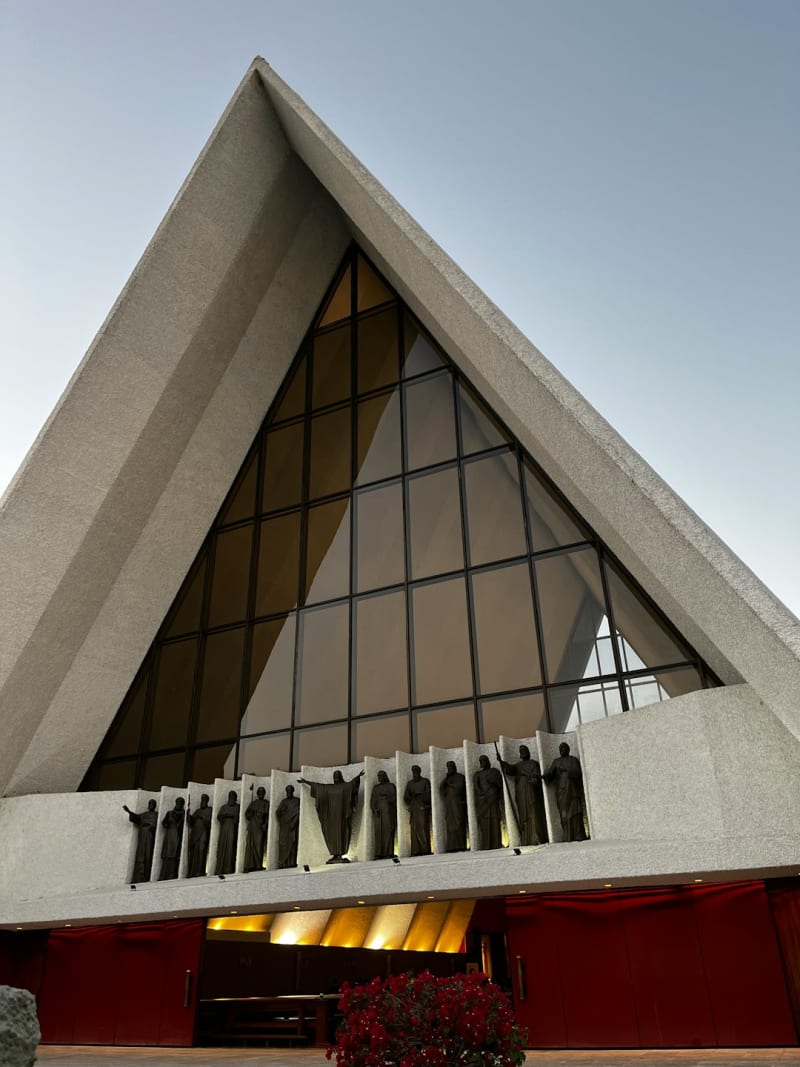 mexico
 Tepalcingo
A warm, dusty town on the dry plains of southeastern Morelos that swells once a year for one of the great pilgrimage fairs of central Mexico, drawn to a sanctuary whose façade is worked in astonishing sculpted detail. Quiet most days, overwhelming on the third Friday of Lent.
Explore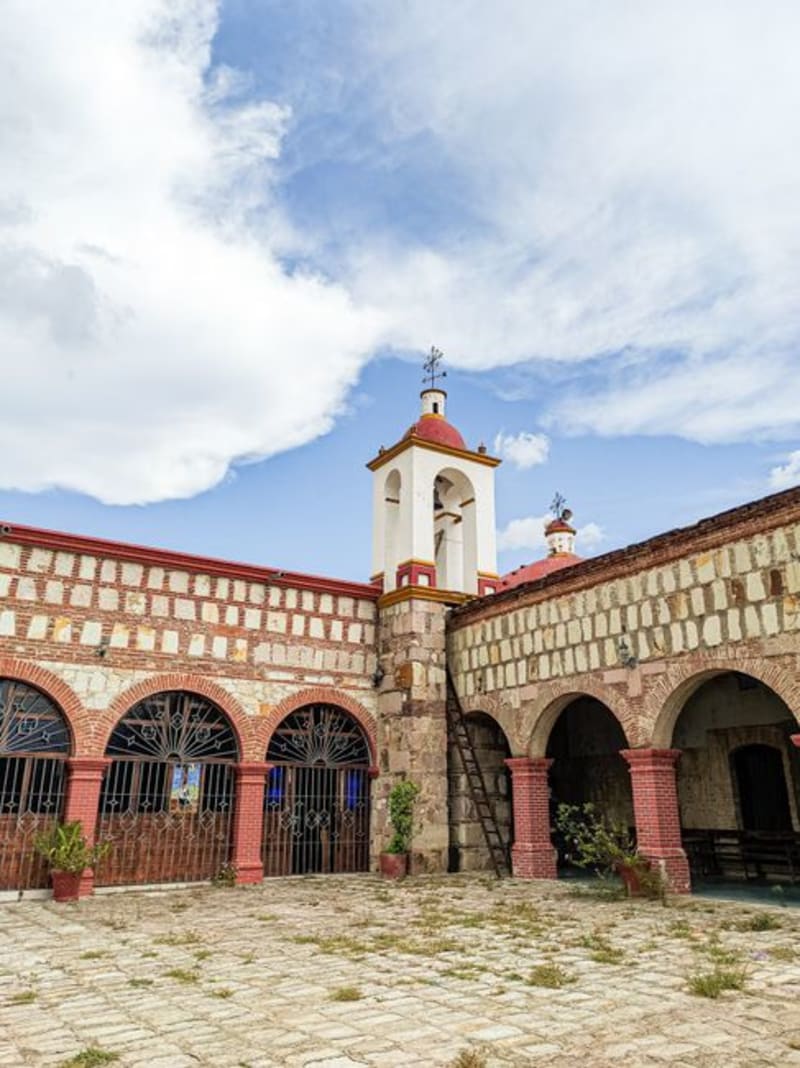 mexico
 Amacuzac
A warm river town in the far southwestern corner of Morelos, where the Amacuzac cuts green through tropical lowland and the pace slows to match the heat. Spring-fed swimming holes, hot-country afternoons, and the last easy breath before the Guerrero line.
Explore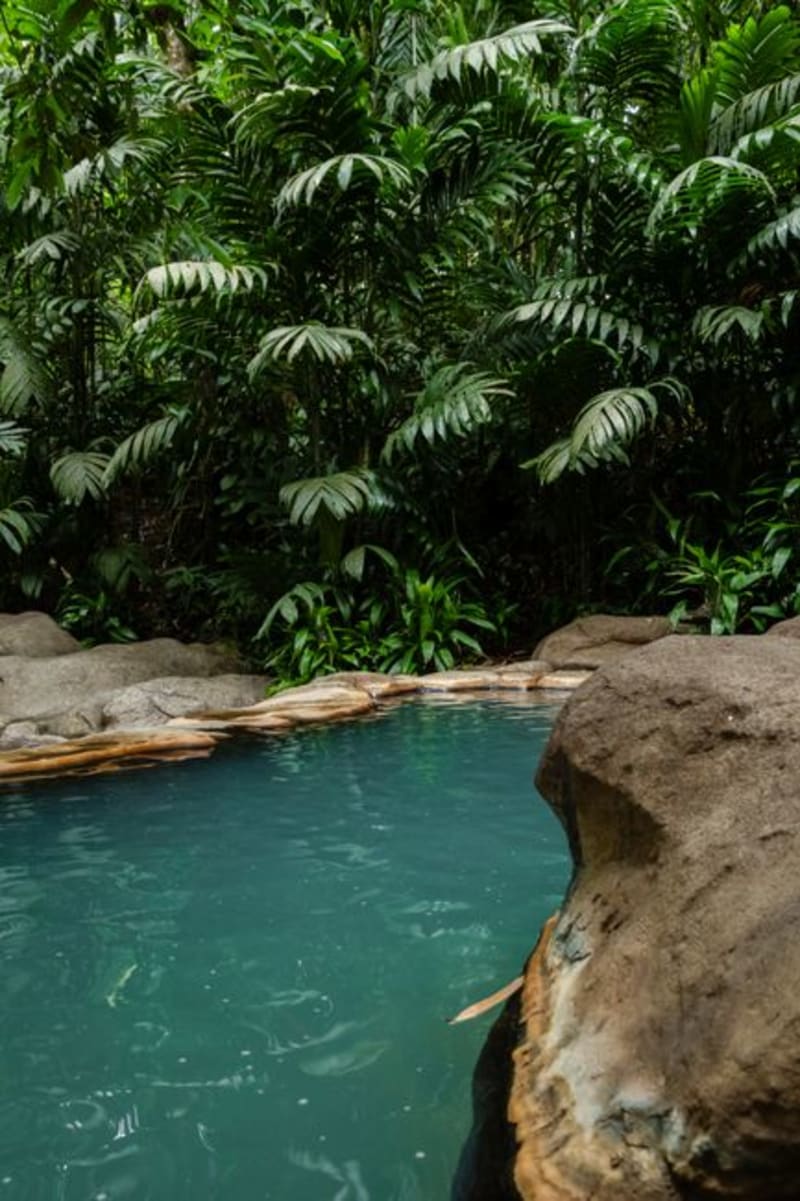 mexico
 Mazatepec
A village in the warm lowlands of western Morelos where ex-haciendas with thermal pools sit among mango and guava orchards. Mazatepec operates at a pace that makes Cuernavaca feel rushed — it rewards visitors who arrive with nothing planned.
Explore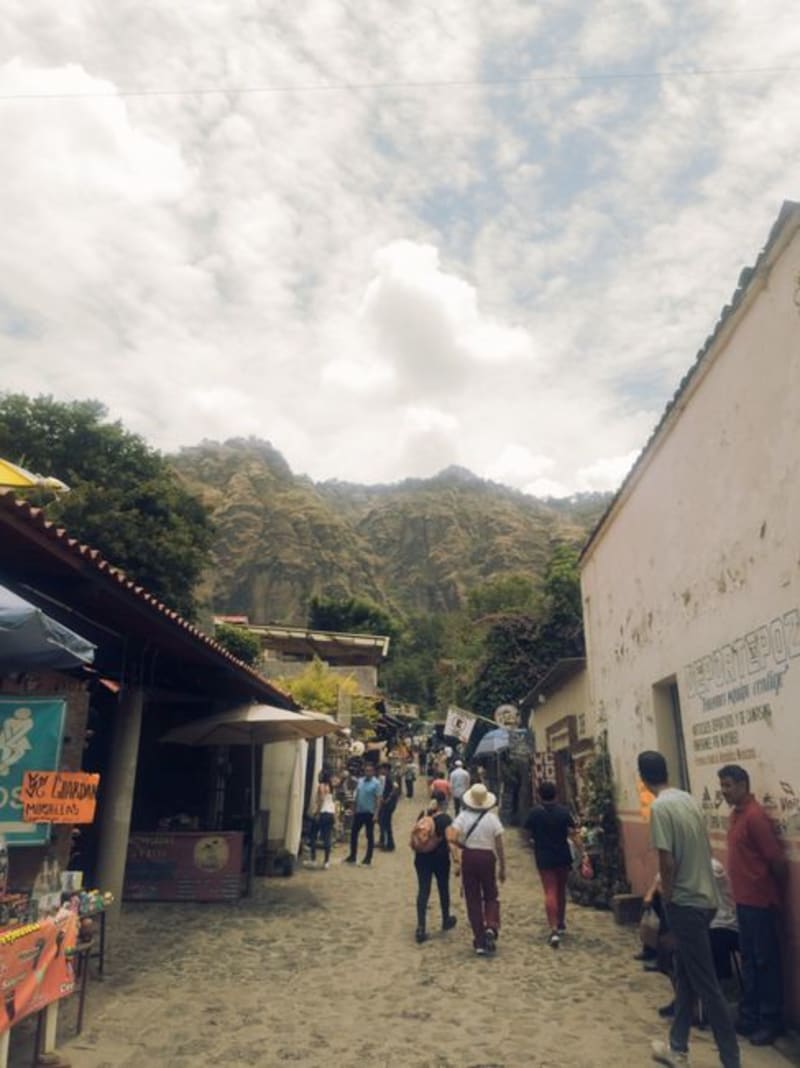 mexico
 Axochiapan
Axochiapan sits in the hot, flat sugarcane country of eastern Morelos — a town most people drive through without slowing down and that rewards those who stop with ex-hacienda ruins, a market untouched by tourism, and mezcal made in the surrounding hills in quantities too small to ever leave the region.
Explore