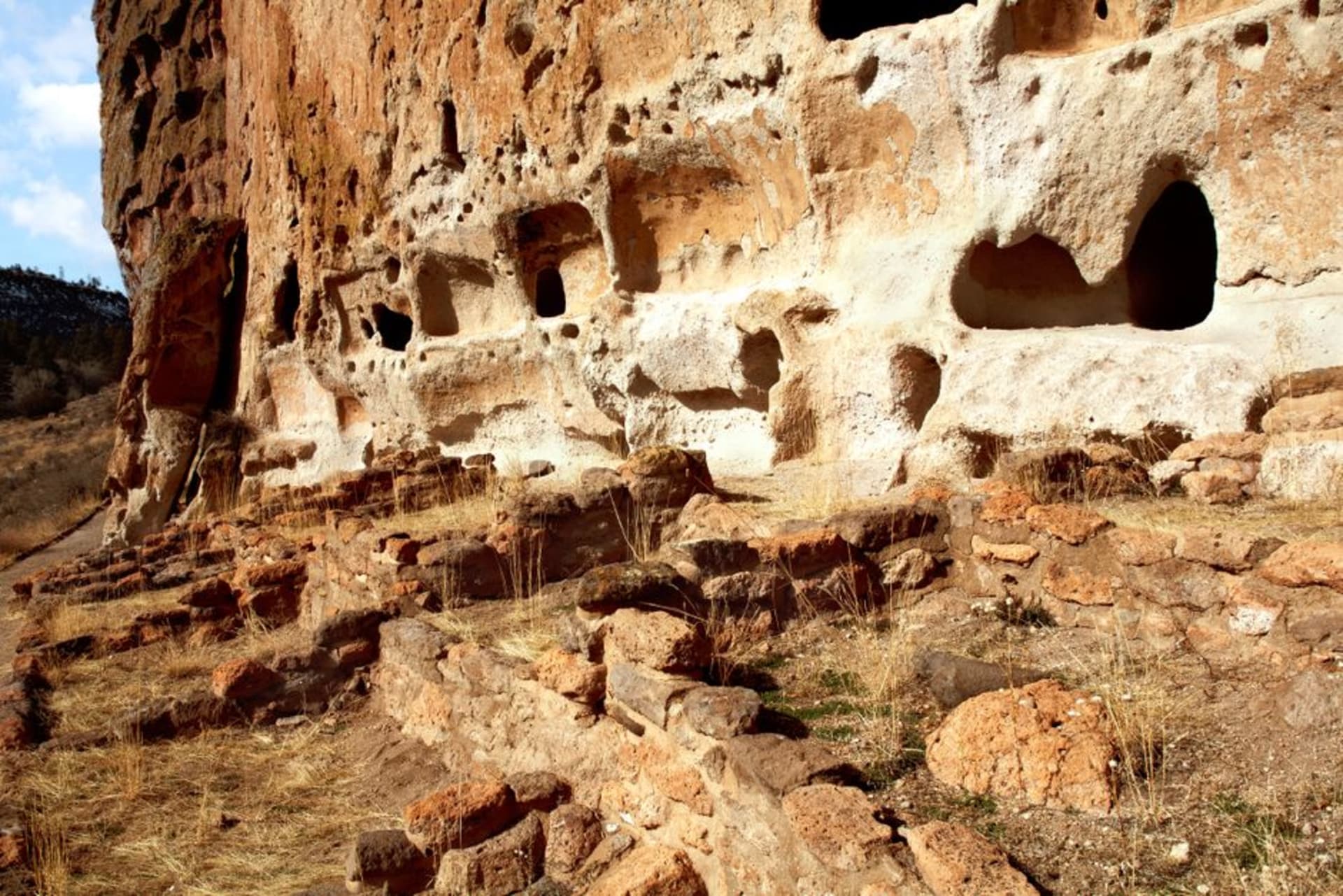
Cuarenta Casas
"Standing below rooms built into a cliff face eight centuries ago, every stone carried up by hand by people I know almost nothing about, I kept thinking about the logistics of it and couldn't stop — that's the kind of place Cuarenta Casas is."
Ancient cliff dwellings set into the sheer walls of Cañón de la Huapoca near the logging town of Madera, built by the Mogollon culture between roughly 900 and 1200 CE. Mexico's answer to Mesa Verde, visited by almost no one.

I drove up from Madera on a dirt road that turned serious about twelve kilometers out of town — loose stone, a couple of creek crossings, the kind of surface that makes you question what you’re doing this far north in Chihuahua. I arrived just after nine in the morning, when the canyon walls were still in shadow and the air had that high-altitude bite even in late October. There was one other car in the parking area. I never saw who it belonged to. For the next three hours, the canyon was mine.
Eight Centuries of Stonework, and the Math of It
Cuarenta Casas translates literally as forty houses, though the count depends on how you define a room and how far into the canyon you’re willing to walk. The Mogollon built these structures between roughly 900 and 1200 CE, tucking them into natural alcoves maybe two hundred meters above the canyon floor. Some are accessible via a trail with wooden walkways bolted directly into the cliff face. Others you can only see from below, and that vantage point — craning your neck to make out doorways and interior walls from the canyon bottom — is the one that does something to your sense of proportion.
What I couldn’t stop thinking about was the engineering problem. Every stone up there had to be carried. The mortar, the timber, the water — all of it hauled by hand along routes I couldn’t identify from where I was standing. The structures are not crude. The stonework is tight and precise, the openings deliberate. Archaeologists read some rooms as grain storage, others as sleeping quarters, and some — positioned with clean sightlines down the length of the canyon — possibly as lookout points. The site has a logic to it, even if that logic is eight centuries removed from anything I can fully reconstruct.

Madera, and What You Eat Before You Go
The nearest town is Madera, roughly an hour south of the site on paved road, then another thirty to forty minutes on dirt. Madera is a logging town with no particular tourism infrastructure, which means the fondas on the main drag feed truckers and timber workers rather than visitors, and the food is correspondingly honest and good. I had caldo de res at a place on Calle 5 de Mayo the morning before I drove up — a broad clay bowl, a stack of tortillas de harina, a halved lime, and a small dish of salsa de árbol that appeared without my asking. That kind of place.
There is fuel in Madera. Fill the tank before you leave town. The ejido that administers Cuarenta Casas charges a small entrance fee at the trailhead — a few pesos, cash only. The road in is unmarked past the first turnoff, so download the coordinates before you lose signal, which happens about ten kilometers north of town.

A Few Things Worth Knowing
I was there in late October and had the site almost entirely to myself. The only other people I saw were a couple from Chihuahua City who arrived around eleven and were gone by noon. The shoulder seasons — late September through November, and April into May — give you mild temperatures and thin company. Midsummer brings afternoon electrical storms that can make the access road genuinely difficult. Midwinter means snow at this elevation, which is around 2,100 meters.
Bring more water than you expect to need. The trail has some exposed stretches and the canyon amplifies midday heat even in autumn. Solid shoes rather than sandals — the wooden walkways are sturdy, but the approach trail is loose in places and the drop below you is not abstract.

Getting There
Fly into Chihuahua City, then drive four to five hours northwest on Highway 16 through the Sierra Madre. Madera is your base. From Madera, the site is roughly 35 km north — about 10 km paved, the rest unpaved. A high-clearance vehicle helps but is not essential in dry conditions. Confirm current road conditions and site hours at the Madera tourism office on the plaza before you head out.
Keep exploring
More of Chihuahua
Keep exploring
More from Chihuahua
 mexico
 Madera
Madera sits at the edge of Chihuahua's apple country, where pine-covered sierras open into canyons hiding entire pre-Hispanic towns built into cliff faces. The Cueva de los Portales and Cueva de la Guacamaya rival anything at Paquimé — and in October, the orchards surrounding town smell like something I keep trying to describe and cannot.
Explore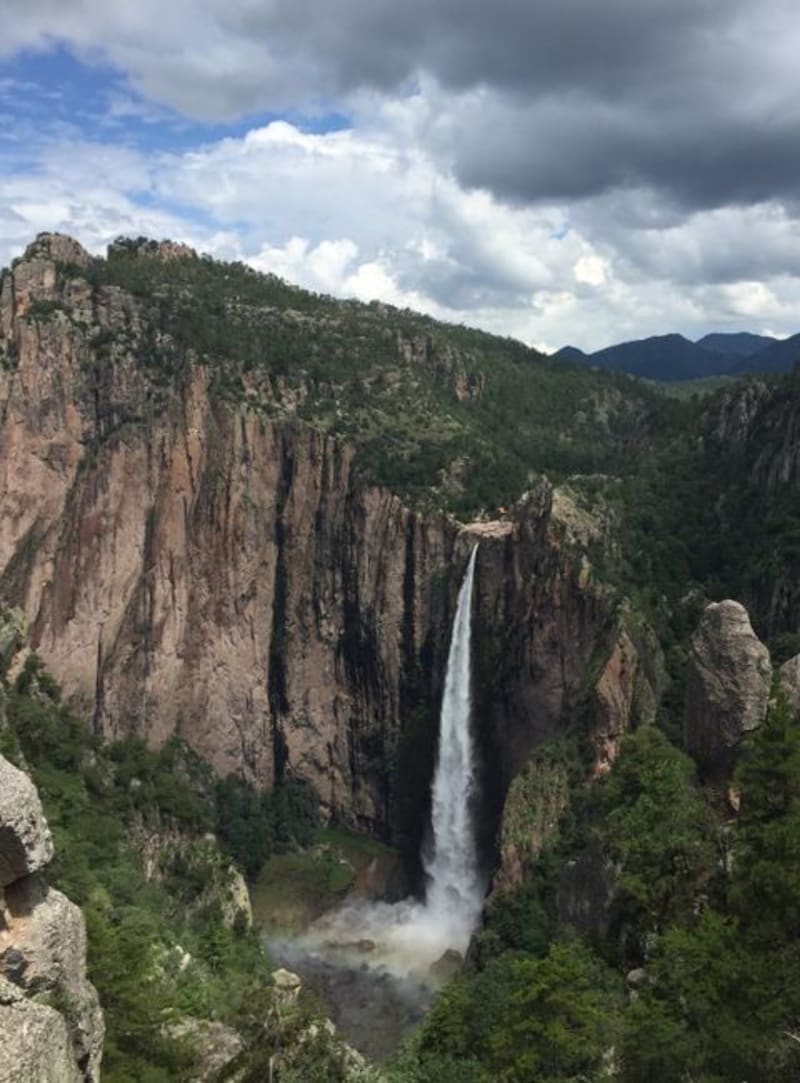 mexico
 Cascada de Basaseachi
At 246 metres, Basaseachi is the longest single-drop waterfall in Mexico, plunging into a canyon so deep the mist barely reaches the rim where you stand. The surrounding Sierra Tarahumara feels wilder and less trafficked than Copper Canyon proper, which is part of why the hike down to the pool — steep, loose-scree, unforgettable — rewards the effort.
Explore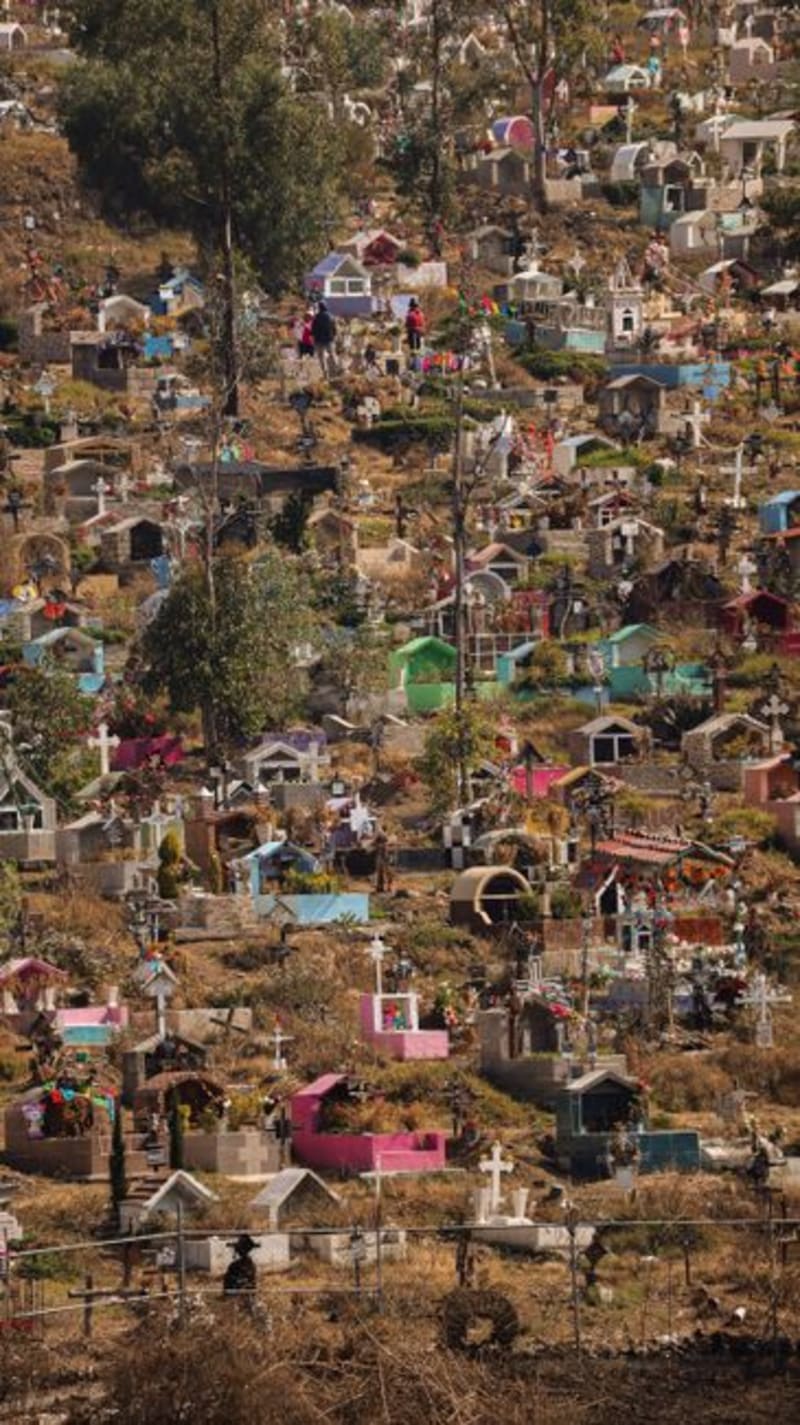 mexico
 Moris
Moris sits in the foothills where Chihuahua dissolves into Sonora, a small town that most Mexicans have never heard of and almost no foreigner has thought to visit. The reason to come is a waterfall that drops into a swimming hole of cold, crystalline water so clear it looks edited. Getting there requires forty-five minutes of dirt road and a car that you are not too attached to.
Explore mexico
 Bocoyna
Bocoyna sits high in the Sierra Tarahumara at the edge of the Copper Canyon country, where the pines close in and the air carries real cold even in summer. It is a working town, not a curated one — the weekend Tarahumara market runs on its own schedule, and the canyon views from the surrounding ridges arrive without preamble.
Explore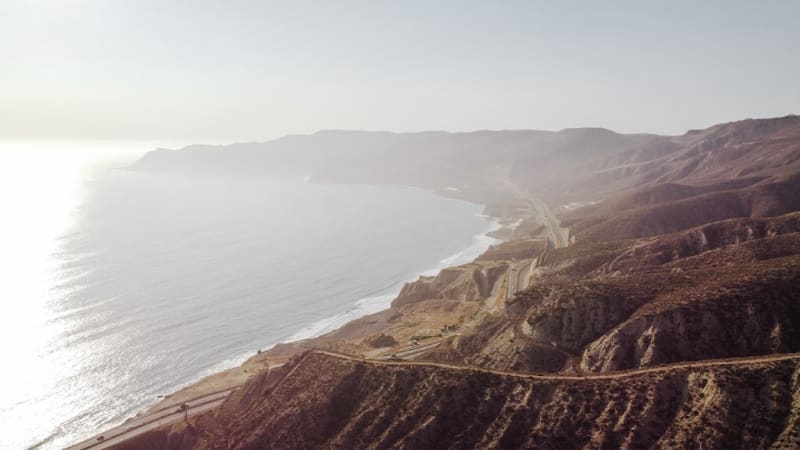 mexico
 Creel
The mountain town gateway to the Copper Canyon — four canyons larger and deeper than the Grand Canyon, the Rarámuri people who run ultramarathons barefoot, and a train journey through the Sierra Tarahumara that is one of the great engineering feats of 20th-century Mexico.
Explore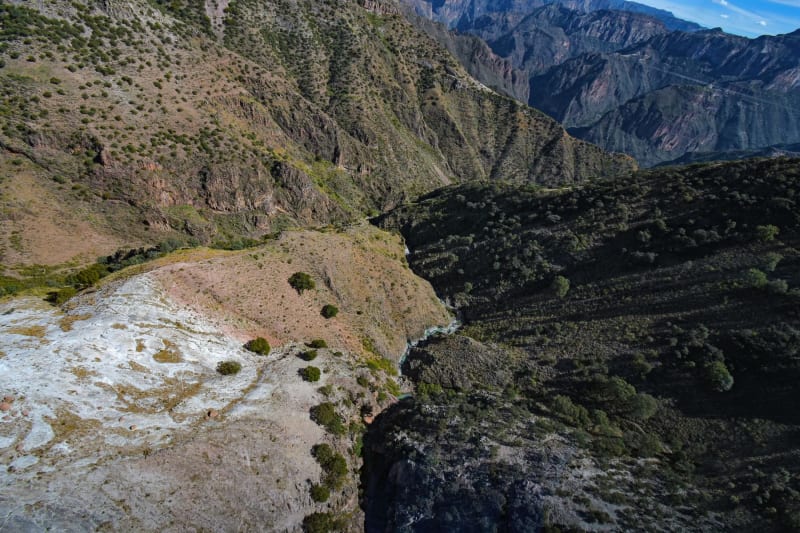 mexico
 Copper Canyon
Four times the size of the Grand Canyon, this Chihuahuan labyrinth is traversed by one of the world's great train rides.
Explore