
El Vergel
"I came for a weekend and bought a field guide. By Sunday I was waking up at six to get to the forest before the serious foragers."
Tucked into the pine-and-oak highlands near Madera at around 2,400 meters, El Vergel draws foragers from across northern Mexico every October when the forest floor erupts with ceps, chanterelles, and dozens of species that resist easy classification. The cold, resin-sharp air and the silence between the trees make it feel like a different country entirely.

A colleague in Puerto Escondido mentioned El Vergel almost in passing — something about mushrooms and cold mornings and soup that tasted like the forest itself. I filed it away and forgot about it until October, when I found myself on a bus out of Cuauhtémoc watching the scrubland give way to pine, the temperature dropping noticeably as the road climbed. By the time I arrived in Madera and caught a ride up toward the sierra, I understood why people come back every year without much persuading.
October in the Forest
The mushroom season here is not a tourist attraction. It is what people do. Families from Madera and Cuauhtémoc show up on weekends with plastic baskets and a working knowledge of the terrain that no field guide can replicate. I tagged along with a woman named Doña Esperanza who had been coming to these woods for thirty years and who pointed out boletes, chanterelles, and a rust-colored species she called by a name in the local Rarámuri-influenced dialect that I could not find in any book. She picked quickly and without ceremony. I moved slower, photographing things I was afraid to touch. By mid-morning we had several kilos between us, and she laughed at how much I had photographed relative to how little I had collected.
The forest at this elevation — pines thick enough to block the midday light, the ground carpeted in needles and damp moss — smells nothing like the coast. I kept stopping to just breathe it.

Eating What You Find
The best meal I had in El Vergel cost nothing and took forty minutes to make. Back at the small cabin where I was staying, Doña Esperanza’s daughter cooked the boletes we had gathered in a cast-iron pan with butter, garlic, a little dried chile, and salt. Served with thick corn tortillas and a mug of atole against the afternoon chill, it was the kind of food that is inseparable from where you are. In a restaurant in Puerto Escondido, the same mushrooms would taste different. Here they tasted exactly right. The small comedores in Madera serve caldos de hongos through the season — order one, eat it slow, ask what went in.

The Air at 2,400 Meters
Outside of October, El Vergel is quieter but not empty. The highland trails hold their appeal through late spring and early summer, before the rains arrive in force. Mornings are cold enough for a jacket even in June. The light at this altitude is sharper than what I am used to at sea level, and the silence between the birds is the kind that takes a day to stop finding unsettling. I bought a field guide to Mexican highland fungi at a small shop in Madera on my way back out. I have looked at it often since.

Getting There
From Chihuahua City, take a bus to Cuauhtémoc (roughly two hours), then a second bus to Madera (three to four hours more). From Madera, collective taxis and occasional pickup trucks serve the sierra roads up toward El Vergel. Most people base themselves in Madera and make day trips into the forest. Accommodation in the highlands is basic — ask around in Madera for cabin rentals before arriving in October.
Keep exploring
More of Chihuahua
Keep exploring
More from Chihuahua
 mexico
Divisadero
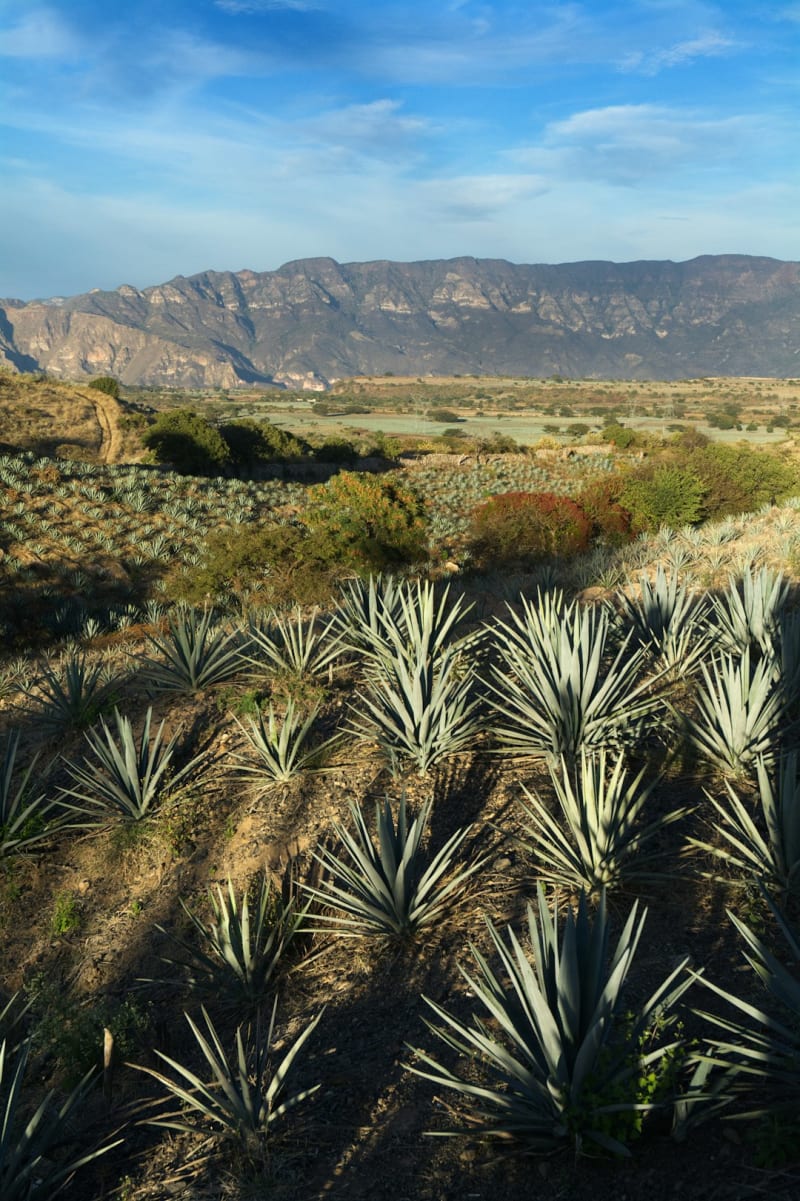
Divisadero is where the Chepe train pauses at the rim of the Copper Canyon system — a geology so vast it makes the word canyon feel insufficient. Most passengers photograph it and reboard. The ones who stay find something the train window cannot show.
Explore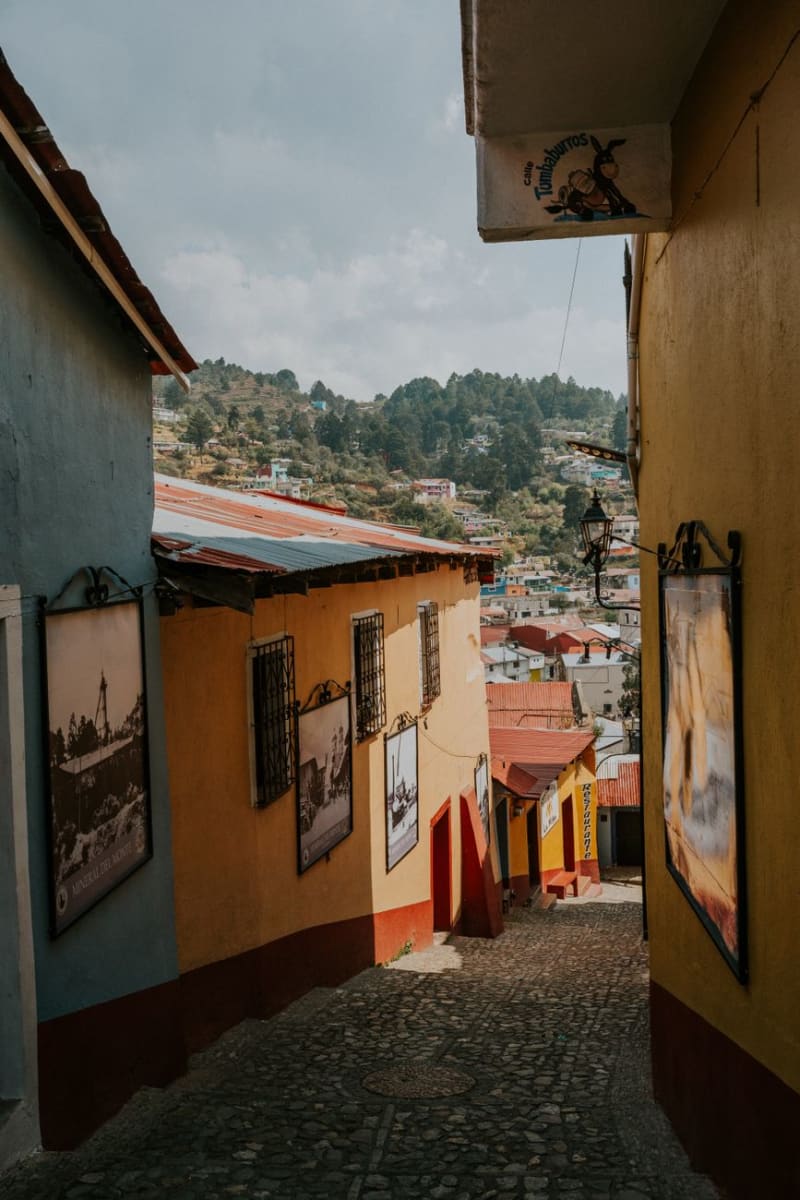 mexico
Hidalgo del Parral
Parral is a working silver-mining city in southern Chihuahua where Pancho Villa was assassinated in 1923, and the locals have kept the wound open — deliberately, lovingly — ever since. The baroque centro hides churches and mansions built on mine wealth, and the city functions like a real place rather than a managed experience.
Explore mexico
Balleza
Valle de Balleza is a wide agricultural valley at the foot of the Sierra Tarahumara, the quiet departure point for the Barranca de Balleza — a canyon system that rivals Copper Canyon in depth but draws almost none of its crowds. The Rarámuri communities here have had far less contact with outside visitors, which makes every interaction carry more weight.
Explore mexico
Chihuahua City
The state capital and northern terminus of the Copper Canyon railway — a big, loud, working city where people wear cowboy boots without irony, Pancho Villa's bullet-riddled Dodge sits in a museum that feels like a cathedral, and the discada at the night market will recalibrate your understanding of what northern Mexican food can be.
Explore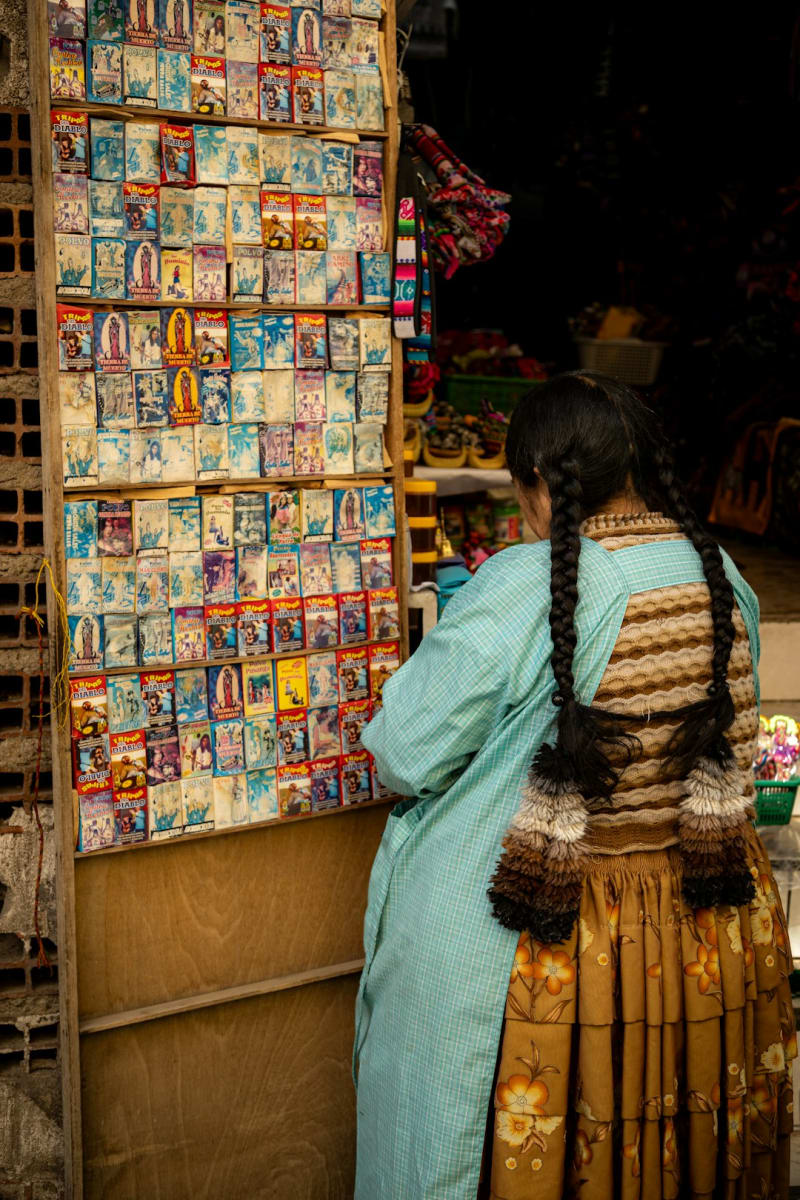 mexico
Guachochi
Guachochi sits at the rim of the Barranca de Sinforosa, a canyon that rivals Copper Canyon in depth and scale and sees a fraction of its visitors. This is Rarámuri territory in the truest sense — market days bring Tarahumara women down from the sierra in layered skirts, and the runners moving through town on weekend mornings are training for distances that would finish most athletes by the second day.
Explore mexico
Ojinaga
Ojinaga is a border town at the confluence of the Río Conchos and the Río Bravo, directly across from Presidio, Texas, at the edge of the Chihuahuan Desert where the gravel bajadas run flat and sotol and ocotillo are the only vertical elements for long distances. It is one of the few places in Mexico where you can look directly across the river into the Big Bend wilderness, and I sat at the side of the road south of town for a while doing nothing in particular except looking at it, which seemed like the correct response.
Explore