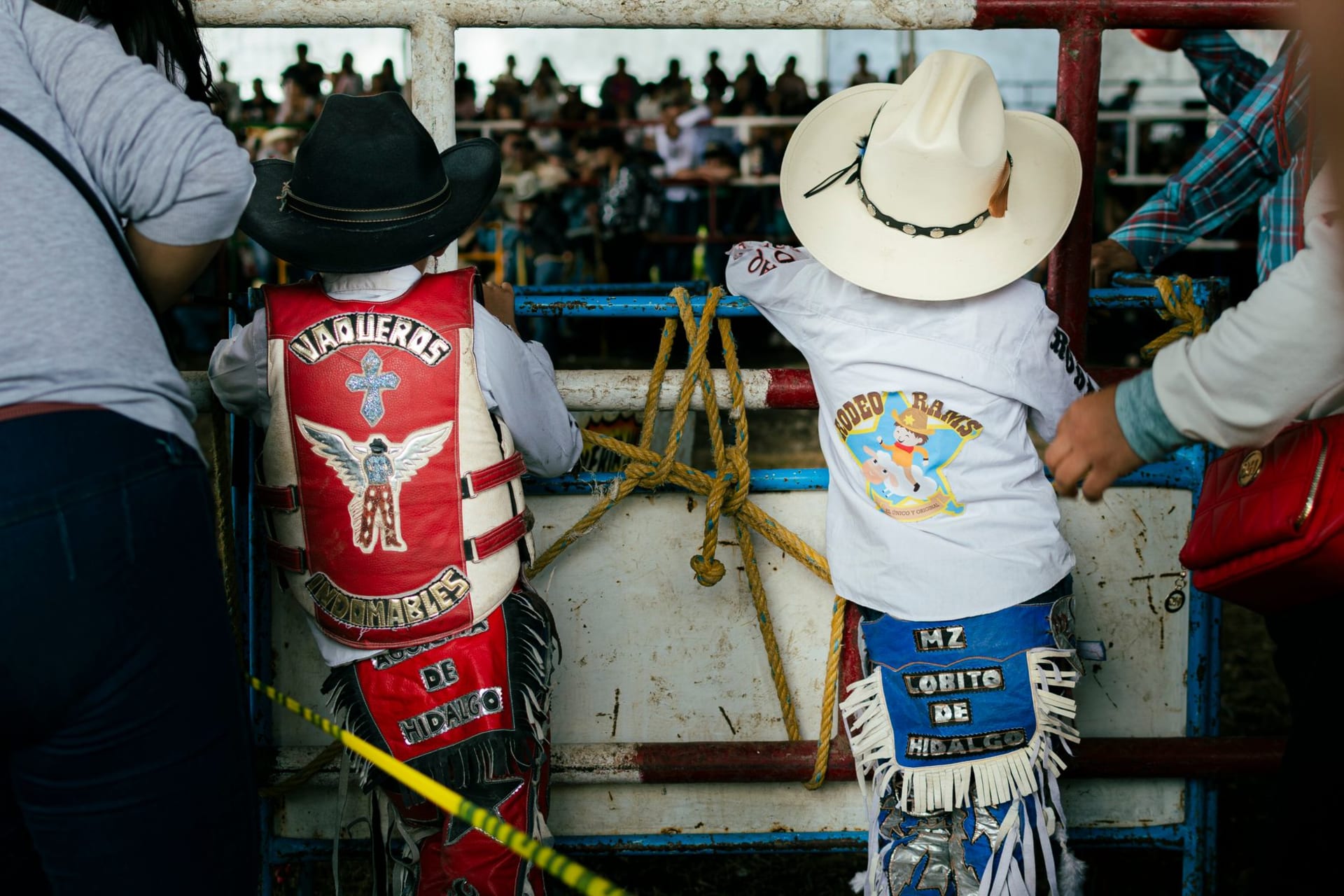
Hidalgo del Parral
"Parral keeps Pancho Villa close — the bullet holes in the storefront, the museum across the street, and the old men who discuss it like it happened recently."
Parral is a working silver-mining city in southern Chihuahua where Pancho Villa was assassinated in 1923, and the locals have kept the wound open — deliberately, lovingly — ever since. The baroque centro hides churches and mansions built on mine wealth, and the city functions like a real place rather than a managed experience.

I came into Parral on a second-class bus from Chihuahua city, three and a half hours south, arriving mid-morning when the market stalls along Calle Mercaderes were still loud and the smell of freshly pressed orange juice cut through the diesel. I had booked two nights expecting a quiet stop between Chihuahua and Durango. I stayed four. The city has a way of making you feel like you arrived at exactly the right time, which is a trick only places that are not performing for tourists can pull off.
The Death of Pancho Villa, Told by the Building Itself
On the morning of July 20, 1923, Villa drove his Dodge 70 down Calle Juárez and someone opened fire from the windows of a house near the corner of Gabino Barreda. He died in the car. The building where the shots came from is now the Museo Francisco Villa, and it contains the Dodge — or what remains of it — along with photographs, rifles, and personal effects displayed with the kind of solemn clutter that suggests nobody agreed on curation. That lack of agreement is, I think, the point. The man still provokes argument. I spent an hour there on my first afternoon and came back the next morning because I had questions I wanted to think through in that room. Outside, across the narrow street, you can find the building where Villa was sitting when the shooting started; the original bullet holes have been preserved behind a small plaque that most people walk past without stopping. The old men at the bench near the Plaza Guillermo Baca do not walk past them.

Silver Churches and a Centro That Earns Its Grandeur
The wealth that built Parral came out of the ground — silver, mostly, pulled from the Sierra Madre mines from the seventeenth century onward. The Templo de San José on Plaza Baca is the kind of baroque work that stops you mid-sentence; the facade is carved sandstone, heavily ornate, the color of dried apricot in the late sun. A few blocks away, the Santuario de Nuestra Señora de Fátima is smaller and darker inside, votive candles making the air thick. I liked the Palacio Pedro Alvarado, the old mining-baron mansion, for its absurd ambition — someone had money and wanted everyone to know it. The market at Mercado Hidalgo is the practical counterweight to all this grandeur: menudo on weekday mornings, gorditas de chicharrón from a woman who has the same stall every day and seems to need no sign.

The Rio Parral and the Hours Between Things
South of the centro, the Río Parral runs shallow and green between low banks. In the evening people walk the path alongside it — families, teenagers, the occasional man with a very small dog. I sat on a bench near the Puente Rojo one afternoon with a cup of café de olla from a thermos someone was selling and watched the light go orange against the hills. Nothing happened. It was precisely enough.

Getting There
Buses from Chihuahua city (Omnibus de Mexico and Estrella Blanca both cover the route) take between three and four hours and drop you at the central bus terminal on the eastern edge of town — a fifteen-minute walk or a short taxi ride from the centro. From Durango, the same companies run a northbound service through the Sierra, roughly four to five hours depending on the road.
Keep exploring
More of Chihuahua
Keep exploring
More from Chihuahua
 mexico
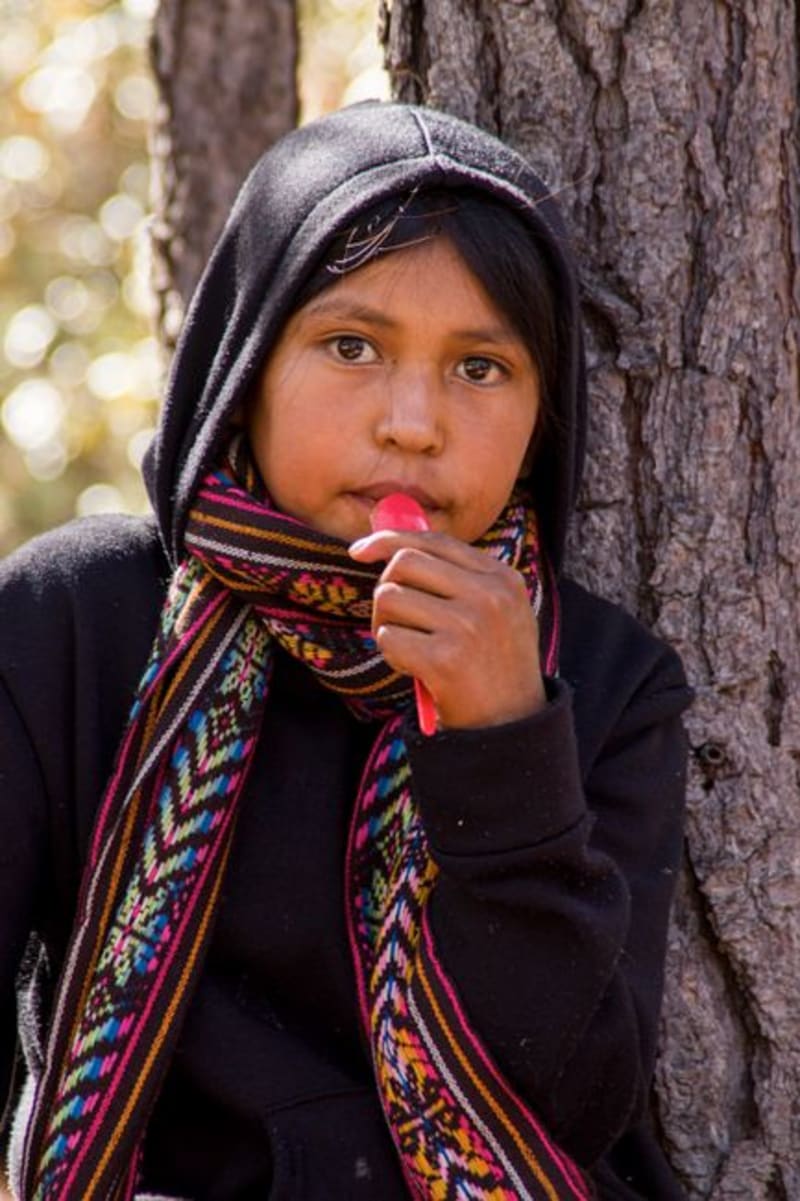
 Balleza
Valle de Balleza is a wide agricultural valley at the foot of the Sierra Tarahumara, the quiet departure point for the Barranca de Balleza — a canyon system that rivals Copper Canyon in depth but draws almost none of its crowds. The Rarámuri communities here have had far less contact with outside visitors, which makes every interaction carry more weight.
Explore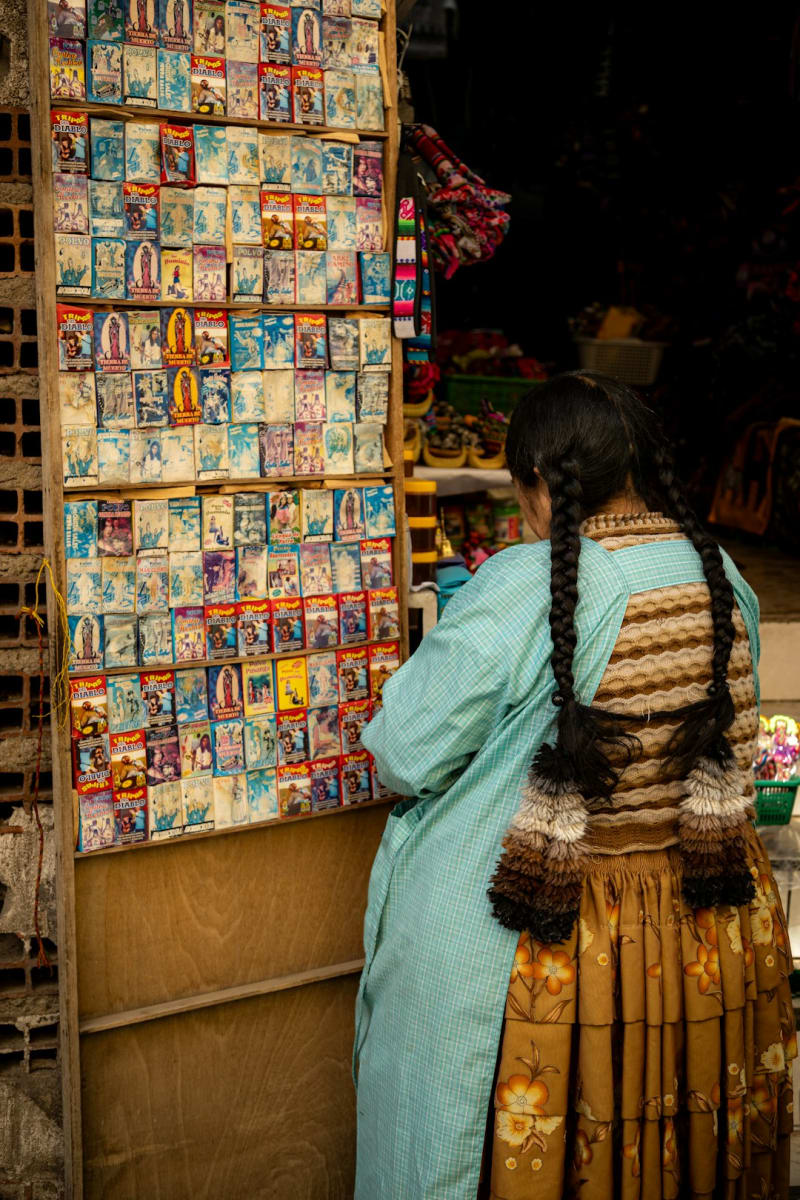 mexico
 Guachochi
Guachochi sits at the rim of the Barranca de Sinforosa, a canyon that rivals Copper Canyon in depth and scale and sees a fraction of its visitors. This is Rarámuri territory in the truest sense — market days bring Tarahumara women down from the sierra in layered skirts, and the runners moving through town on weekend mornings are training for distances that would finish most athletes by the second day.
Explore mexico
 Chihuahua City
The state capital and northern terminus of the Copper Canyon railway — a big, loud, working city where people wear cowboy boots without irony, Pancho Villa's bullet-riddled Dodge sits in a museum that feels like a cathedral, and the discada at the night market will recalibrate your understanding of what northern Mexican food can be.
Explore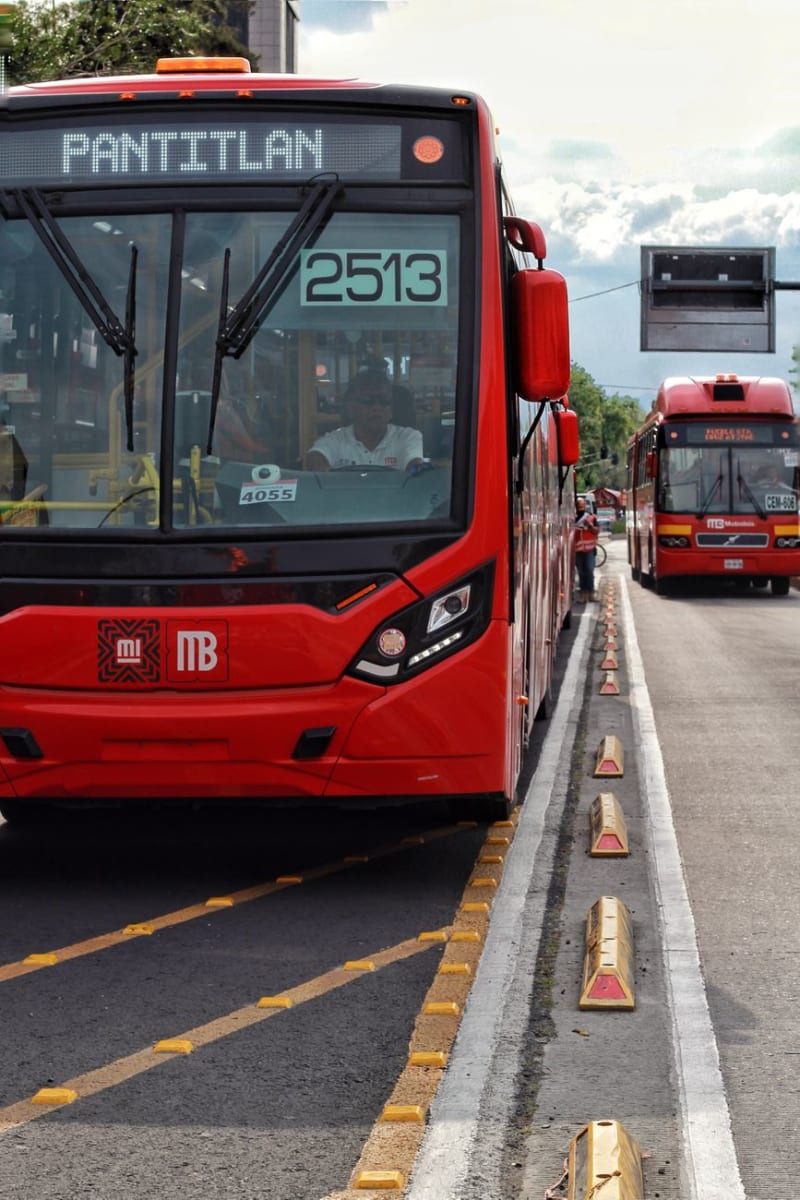 mexico
 Batopilas
A colonial silver village at the bottom of one of the Copper Canyon's deepest barrancas, reachable only by a three-hour dirt road that drops two thousand meters through the Sierra Madre — and then, impossibly, mango trees. The Río Batopilas runs green and cold through the canyon floor past the ruins of a silver baron's hacienda, and the silence is so complete that you stop reaching for your phone after about two hours.
Explore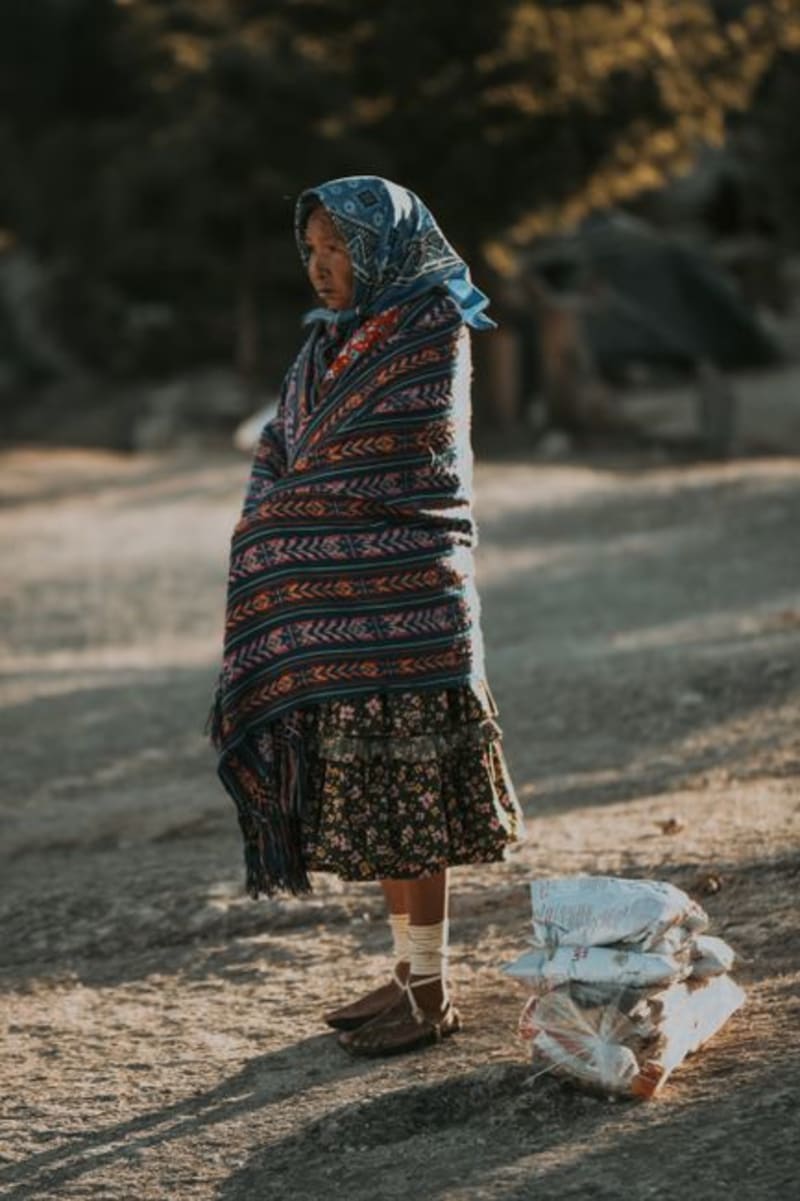 mexico
 Bocoyna
Bocoyna sits high in the Sierra Tarahumara at the edge of the Copper Canyon country, where the pines close in and the air carries real cold even in summer. It is a working town, not a curated one — the weekend Tarahumara market runs on its own schedule, and the canyon views from the surrounding ridges arrive without preamble.
Explore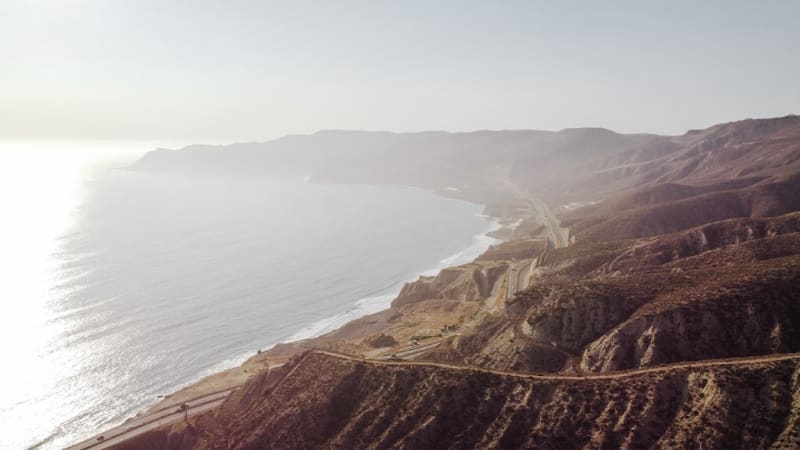 mexico
 Creel
The mountain town gateway to the Copper Canyon — four canyons larger and deeper than the Grand Canyon, the Rarámuri people who run ultramarathons barefoot, and a train journey through the Sierra Tarahumara that is one of the great engineering feats of 20th-century Mexico.
Explore