
Témoris
"The train looped through a tunnel and emerged facing the same valley from a completely different altitude — I checked the map three times before I believed it."
Témoris is not a destination so much as a phenomenon — a place the Chepe train visits three times at three different altitudes, threading the same canyon through loops and tunnels until the valley stops making geometric sense. The village at the bottom asks nothing of you, which turns out to be exactly what you needed.

The conductor announced Témoris the first time at around ten in the morning, and I didn’t understand what he meant by “the first time” until we had passed it twice more. I was sitting on the left side of the car — someone on the platform in Chihuahua had told me left going west — with a styrofoam cup of Nescafé going cold on the tray, watching the canyon floor drop steadily below the windows. By the second loop I had given up trying to keep track of north. The geometry of this place resists mental mapping.
Three Passes, One Canyon
The Ferrocarril Chihuahua al Pacífico — the Chepe, everyone calls it the Chepe — solves a seemingly impossible engineering problem at Témoris. The canyon drops more than a thousand meters in a stretch too short to descend by any conventional grade. So the railway spirals: three complete loops, gaining or losing altitude through a sequence of tunnels and bridges and open-air curves so improbable that when you emerge from the second tunnel you cannot place yourself on any map you have been consulting.
Every passenger crowds to one side of the car when the loops begin — to photograph the train curving back across itself on a bridge far above or far below — and the car lists slightly from the weight redistribution. No photograph captures what is happening. You can see the track you just came from. You can see the track you are about to reach. They are at different altitudes, both visible simultaneously, and between them is open air and pine forest and a silence that the train noise has not yet filled. The best angle keeps changing.

The Village Below
The Chepe does not linger. It stops for perhaps fifteen minutes at Témoris — enough time for most passengers to step onto the platform, photograph the station sign, and reboard. I got off. A few others did too: a German couple with serious hiking boots and a man from Chihuahua city who had made this trip before and wanted to eat at a comedor he remembered.
The village is genuinely small. A few hundred people, one main street, a church painted the sort of pale ochre you see throughout the Sierra Tarahumara. Near the tracks there is a comedor where a woman was making gorditas de frijoles around noon — black bean, salsa verde, wrapped in a plastic bag for the road. I ate two standing at the counter and ordered an agua de jamaica that tasted like it had been made that morning because it had. The woman told me the train would come back through in a few hours. I had already decided to stay overnight.

What to Actually Do Here
There is no tourism infrastructure, which is either a problem or the point, depending on what you came looking for. A few families rent rooms — ask at the comedor, and someone will know someone. The surrounding canyon has trails into the Sierra Tarahumara that require a guide and several days of preparation; this is Rarámuri territory and deserves more respect than an improvised afternoon hike.
What I did: walked to where the village ends, watched the afternoon light change the canyon walls from amber to a deep rust, ate at the same comedor again, went to bed early. The next Chepe came through the following morning. I was on the platform before seven, coffee in hand, on the correct side of the car this time.

Getting There
Témoris is a stop on the Chepe — the Ferrocarril Chihuahua al Pacífico — reachable from Chihuahua city (roughly ten to twelve hours) or from Los Mochis on the Sinaloa coast (roughly six to eight hours). First-class service runs several times per week in each direction; check current schedules at ferromex.com.mx, as they shift seasonally. Budget an extra day if you plan to stop — the loops alone earn it.
Keep exploring
More of Chihuahua
Keep exploring
More from Chihuahua
 mexico
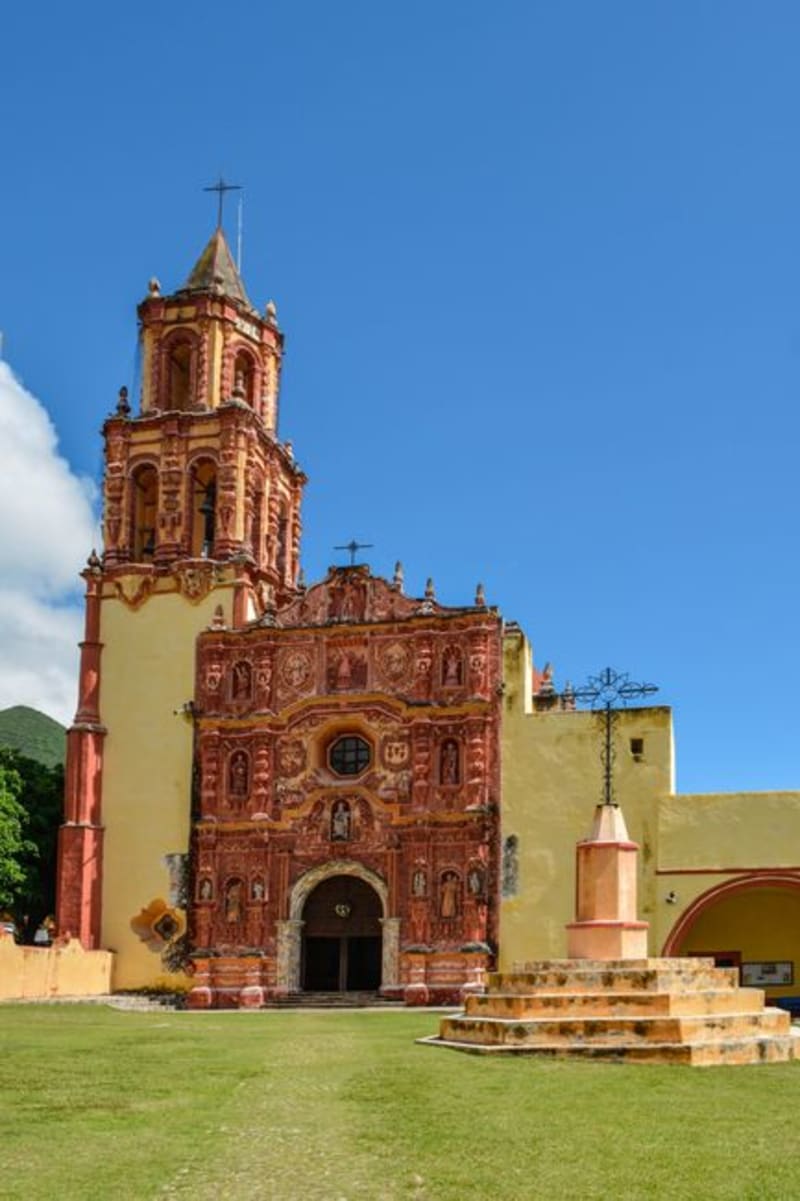
Cerocahui
A Jesuit mission village tucked into a pine-forested valley of the Sierra Tarahumara, reached by a rough dirt road from the Copper Canyon train. Most passengers stay on board. That is precisely the point.
Explore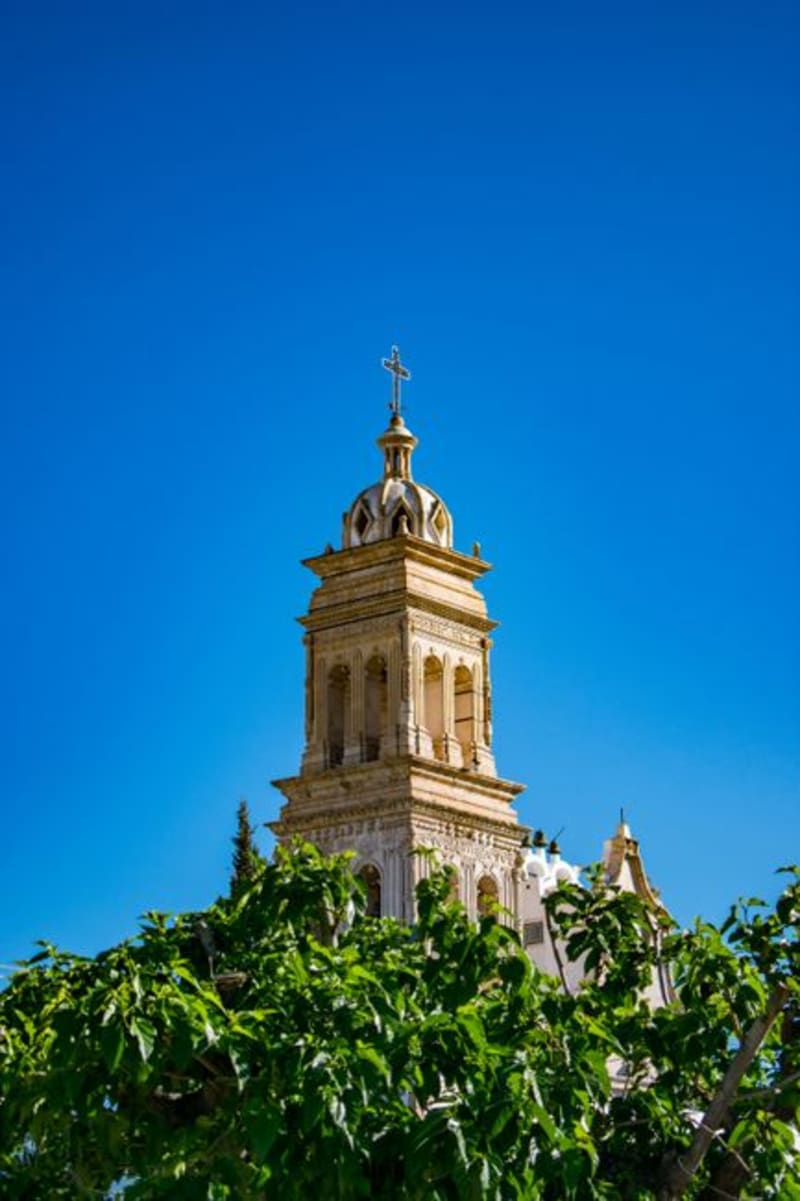 mexico
Chínipas
At the bottom of one of the deepest canyons in the Sierra Madre Occidental, Chínipas sits in a climate that has no business existing this far north — mango trees, subtropical heat, and colonial silence. Getting there is the first commitment. Staying longer than you planned is the second.
Explore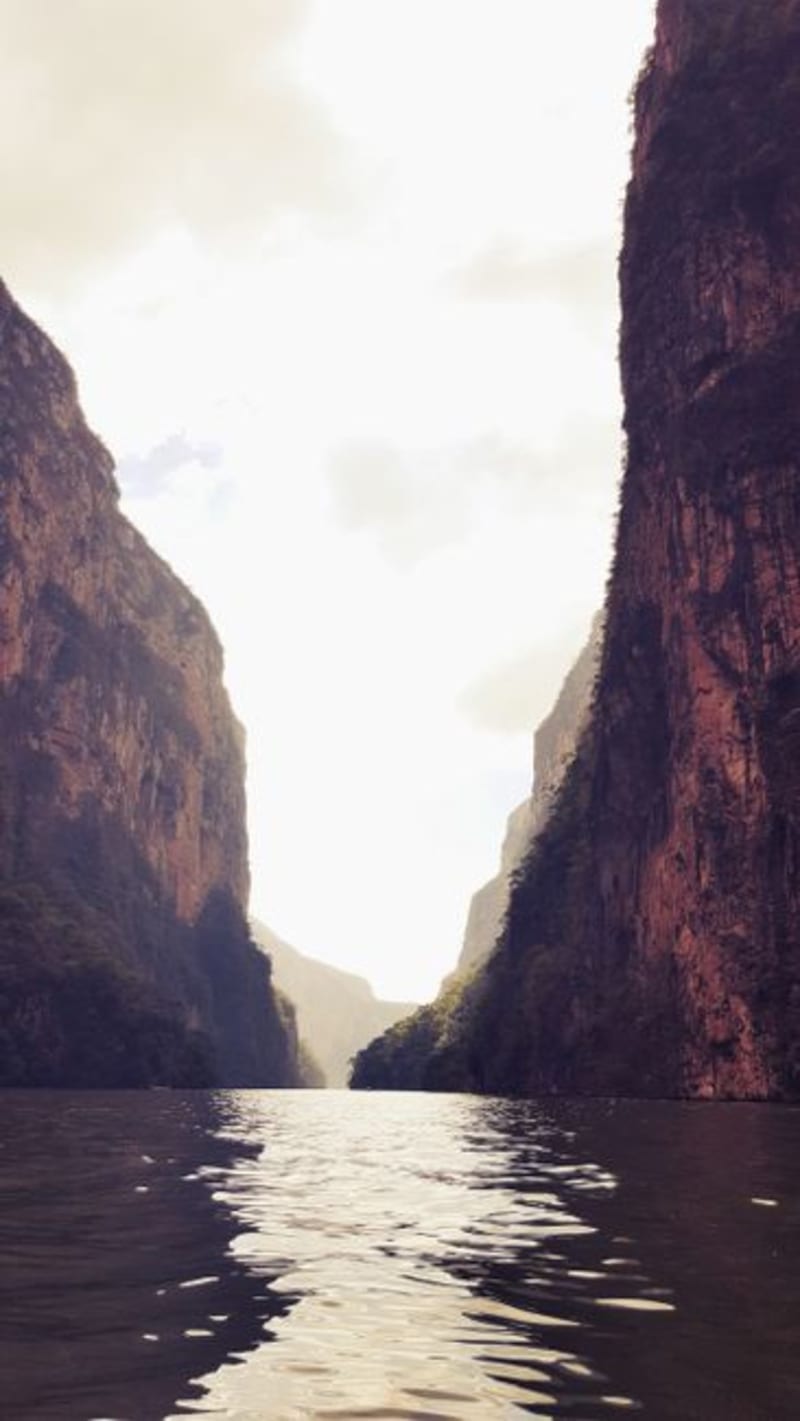 mexico
Urique
Urique sits at the floor of a canyon deeper than the Grand Canyon, reachable only by two hours of switchback road that drops a vertical kilometer into relentless heat. It is where the Rarámuri have been running impossibly long distances for centuries, and where the canyon walls close in tight enough to make you feel, genuinely, that the rest of the world has ceased to exist.
Explore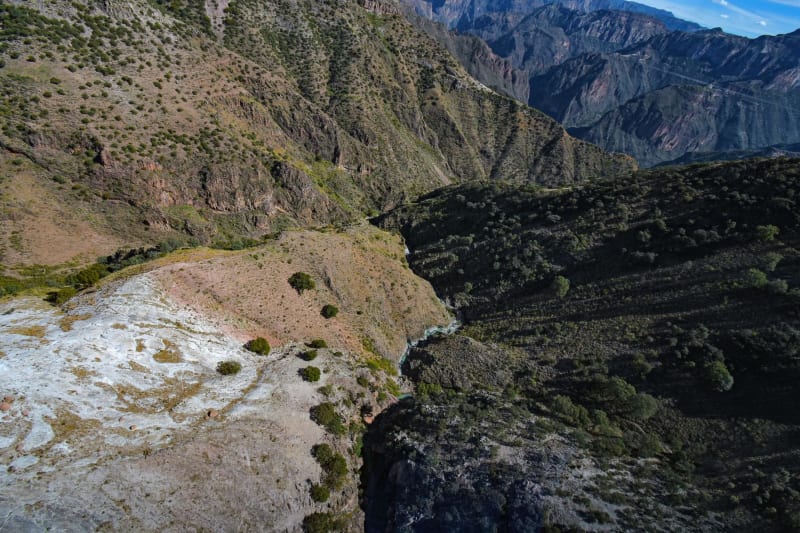 mexico
Copper Canyon
Four times the size of the Grand Canyon, this Chihuahuan labyrinth is traversed by one of the world's great train rides.
Explore mexico
Batopilas
A colonial silver village at the bottom of one of the Copper Canyon's deepest barrancas, reachable only by a three-hour dirt road that drops two thousand meters through the Sierra Madre — and then, impossibly, mango trees. The Río Batopilas runs green and cold through the canyon floor past the ruins of a silver baron's hacienda, and the silence is so complete that you stop reaching for your phone after about two hours.
Explore mexico
Creel
The mountain town gateway to the Copper Canyon — four canyons larger and deeper than the Grand Canyon, the Rarámuri people who run ultramarathons barefoot, and a train journey through the Sierra Tarahumara that is one of the great engineering feats of 20th-century Mexico.
Explore