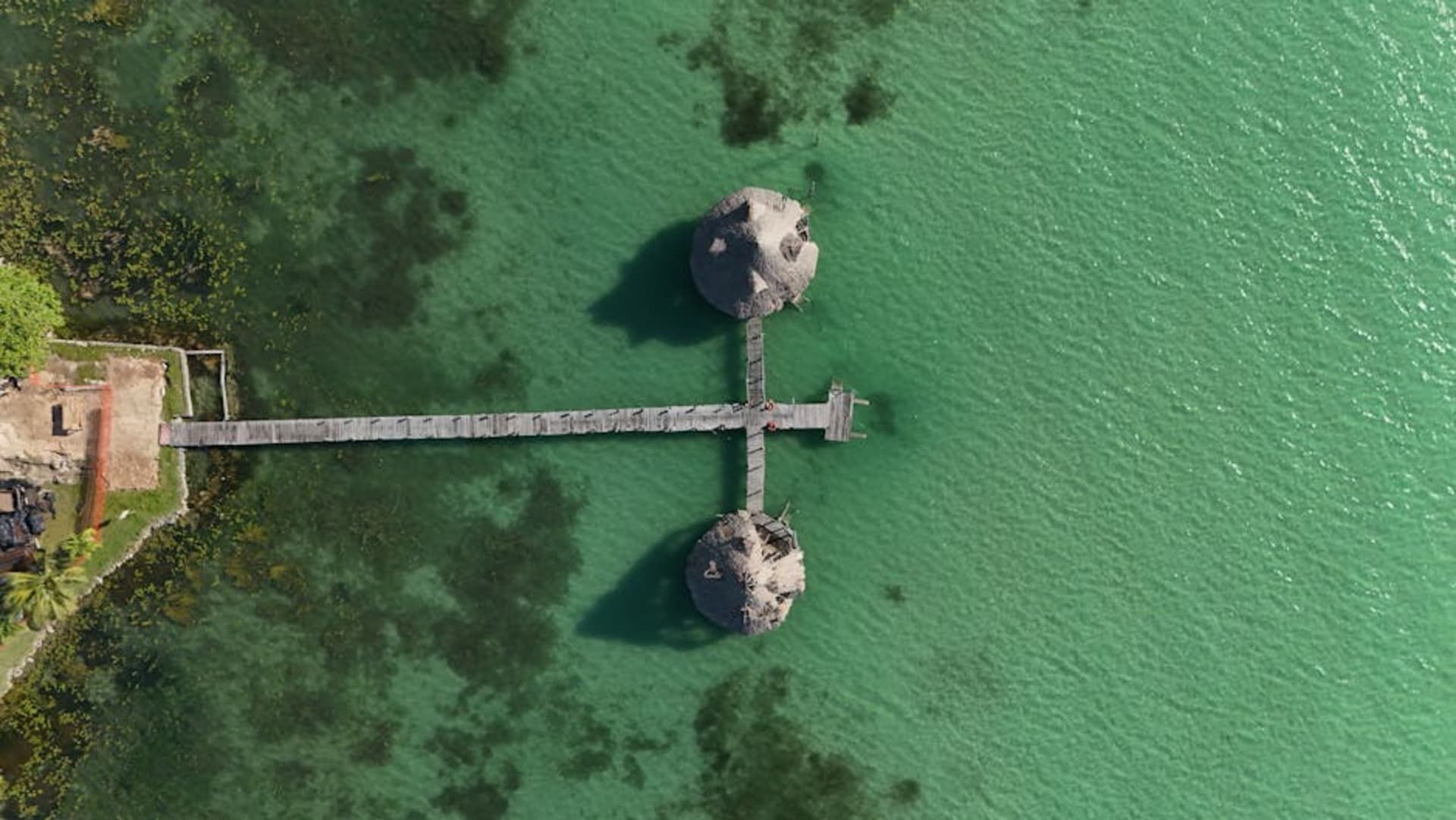
Bacalar is Mexico’s best-kept open secret, except it is not a secret anymore, which is exactly why you should go now rather than in five years. The lagoon — fifty kilometres long, fed by cenotes, coloured in gradients of turquoise, sapphire, and indigo depending on the depth and the limestone below — is the most beautiful body of water I have seen in Mexico, and I live on the Pacific coast. It is freshwater, warm, calm, and so clear you can see the bottom at five metres. The first time I swam in it, I floated on my back for twenty minutes and thought about very little, which for me is a significant achievement.
The town of Bacalar is small — a few streets of low buildings along the western shore of the lagoon, with a Spanish fort (Fuerte de San Felipe) at its centre that now houses a small pirate-history museum. The atmosphere is what Tulum was fifteen years ago: low-key, slightly scruffy, full of people who came for a weekend and are still here three months later. There is a yoga crowd, a sailing crowd, and a growing contingent of remote workers who discovered that a lagoon-front palapa with decent wifi is a reasonable substitute for an office.
On the Water
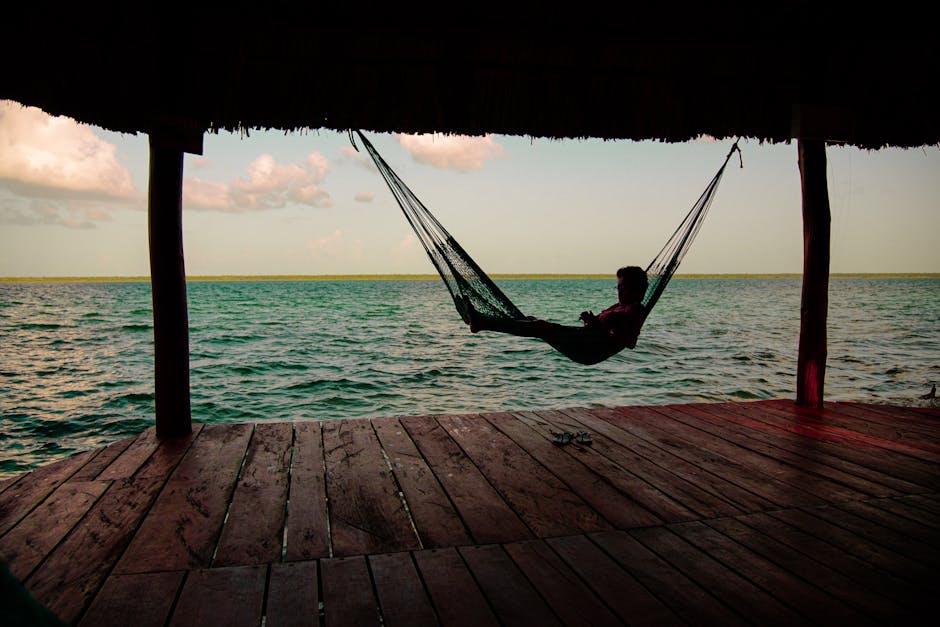
The lagoon is the point. Everything revolves around it. Kayaking at dawn, when the water is glass and the colours deepen, is the best way to experience it. You can rent a kayak from almost any waterfront hotel for a few hundred pesos and paddle south toward the cenotes that feed the lagoon.
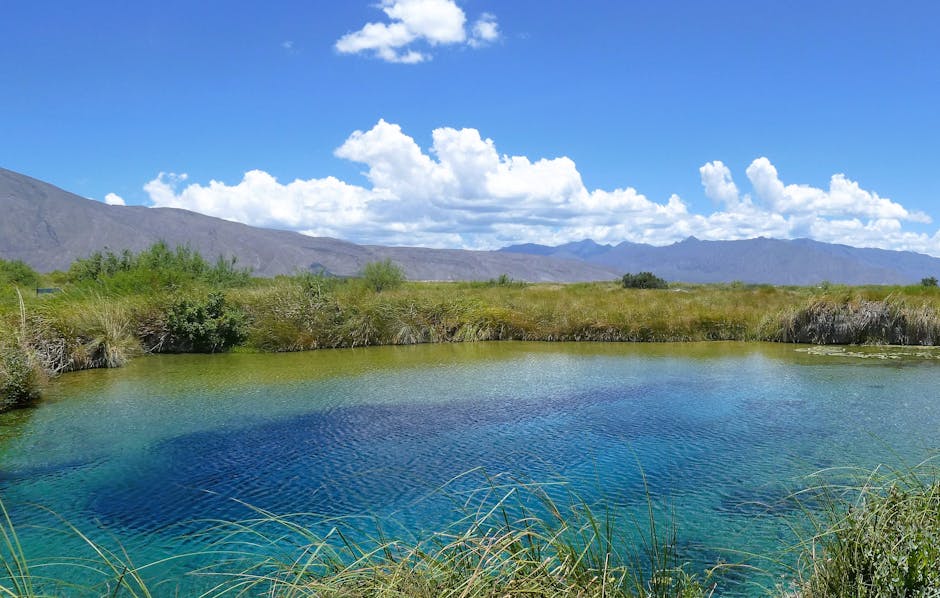
Cenote Azul, at the southern end, is a circular sinkhole ninety metres deep — the water is a shade of blue that looks photoshopped but is simply what happens when limestone meets freshwater and sunlight at the right depth. Swimming here at midday, with the sun directly above, is surreal.
The Canal de los Piratas is a narrow channel between the lagoon and a smaller body of water, lined with mangroves and the remains of a colonial-era pirate canal. A boat tour through here is quiet, shaded, and strangely meditative — the boatman cuts the engine and poles through the mangroves like a gondolier who traded Venice for the Caribbean.
Sailing is increasingly popular. Several operators run catamaran tours of the lagoon, stopping at sandbars, cenotes, and the stromatolites — ancient microbial formations that are among the oldest living organisms on earth. Yes, living. The lagoon is an ecosystem as much as a swimming pool.
The Town
Eating in Bacalar is simple and good. La Playita on the waterfront does grilled fish and ceviche with the lagoon as your backdrop. Mango y Chile in the centre serves inventive Mexican food — duck tacos, hibiscus enchiladas — in a garden setting that works for a nicer dinner. The Saturday market on the main street has tamales, fresh juices, and local honey.
The nightlife is minimal, which is part of the appeal. A few mezcal bars, a reggae joint on the water, and the kind of quiet evenings where you end up talking to strangers in a hammock until someone suggests swimming in the lagoon under the stars, and then you do, because Bacalar makes that kind of spontaneity feel inevitable.
The threat to Bacalar is real: the Tren Maya, Mexico’s controversial railway project, has a station nearby, and development pressure is mounting. The lagoon’s ecosystem is fragile — sunscreen pollution and overtourism are genuine concerns. Go responsibly. Use biodegradable sunscreen. Support local operators. And go soon, because the Bacalar of 2026 will not be the Bacalar of 2030.
When to go: November to April for dry weather and the clearest water. The lagoon is warm year-round. June to October is rainy season — afternoon storms are common but mornings are usually clear. Avoid Semana Santa (Easter week) unless you enjoy sharing the lagoon with the entire population of Quintana Roo.