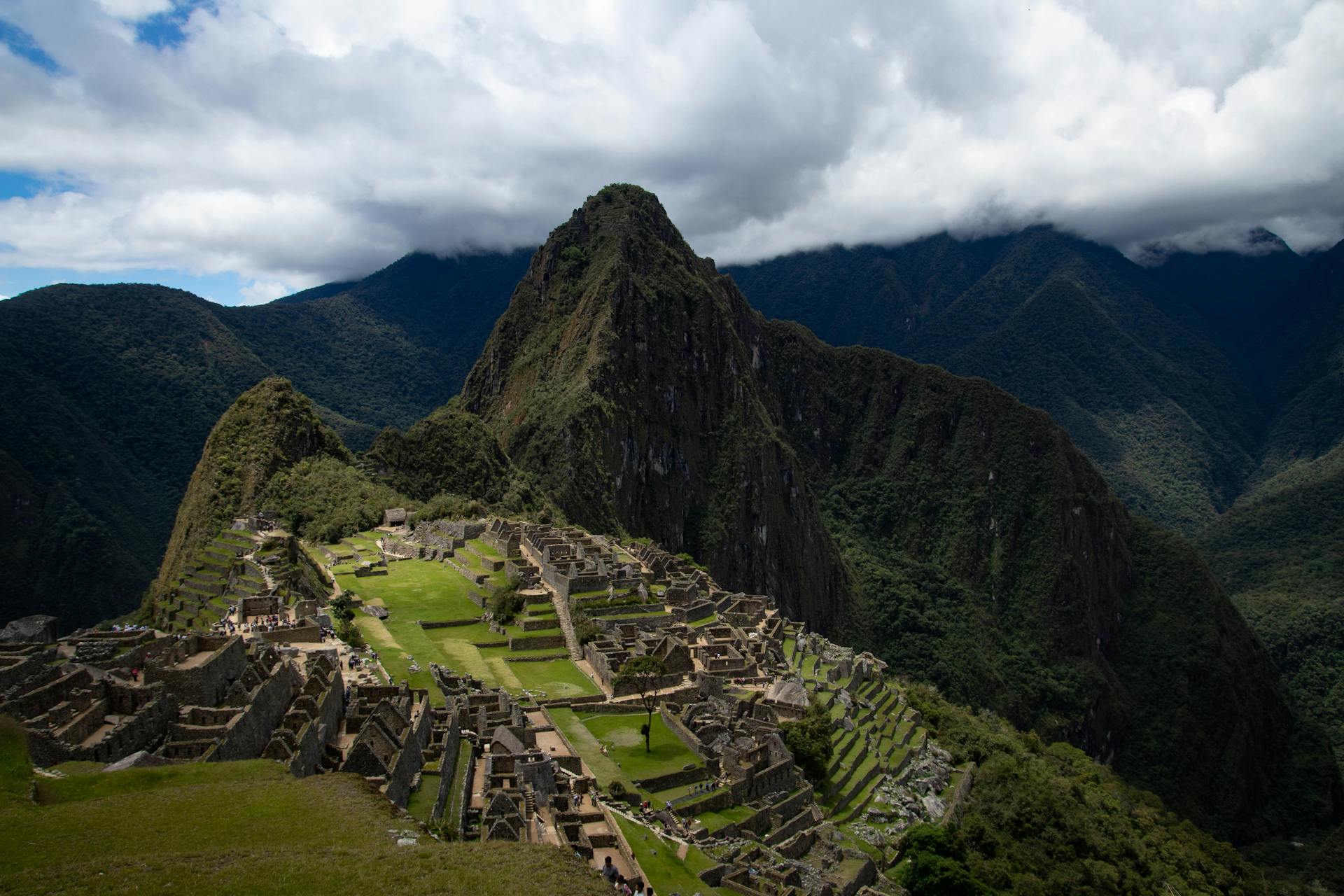
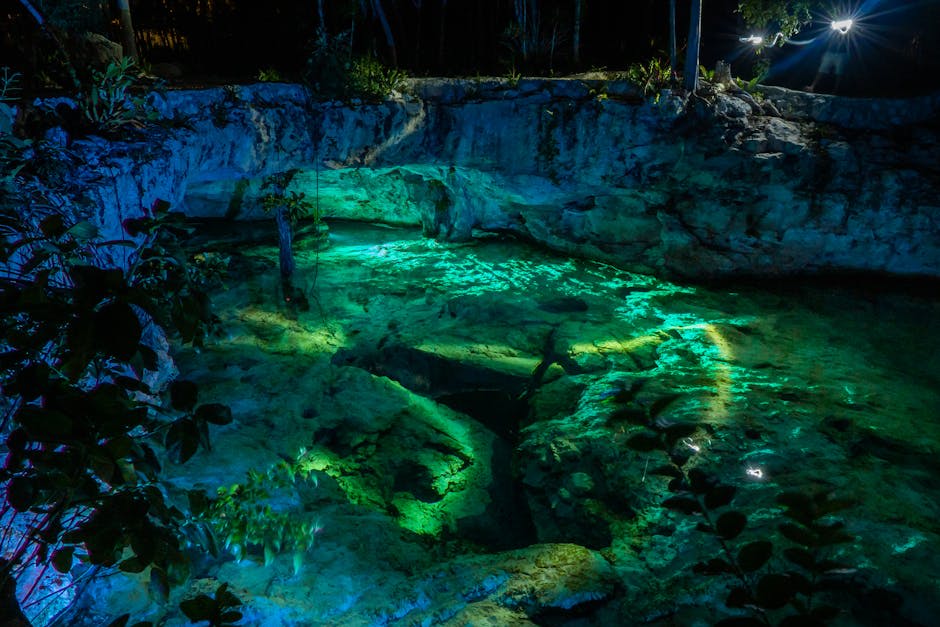
The Yucatán Peninsula juts into the Caribbean like a flat limestone shelf, and beneath it lies one of the most extraordinary underground landscapes on earth: thousands of cenotes — sinkholes formed by the collapse of limestone bedrock — connected by subterranean rivers that the Maya considered entrances to the underworld. Swimming in a cenote, surrounded by stalactites and roots descending from the jungle above, is one of those experiences that makes the word “swimming” feel inadequate.
Mérida is the peninsula’s capital and the place to base yourself. It is a beautiful colonial city — white limestone buildings, grand plazas, a food scene that is exploding — and it has the advantage of being relatively untouched by the mass tourism that has consumed the Caribbean coast. The Sunday market on the Paseo de Montejo, the concerts in the parks, the panuchos and papadzules at the market — Mérida feels like a city that exists for its residents, not its visitors.
Chichén Itzá is the headline attraction, and it earns the UNESCO designation. The pyramid of Kukulcán is a mathematical and astronomical marvel — during the equinox, the shadow of a serpent descends the staircase. Visit at opening or in the late afternoon. The midday crowds are brutal.
Uxmal is the ruin that insiders prefer — a Puuc-style Maya city with the Pyramid of the Magician, the Nunnery Quadrangle, and a Governor’s Palace whose mosaic facade is one of the most intricate in the pre-Columbian world. Far fewer visitors than Chichén Itzá.
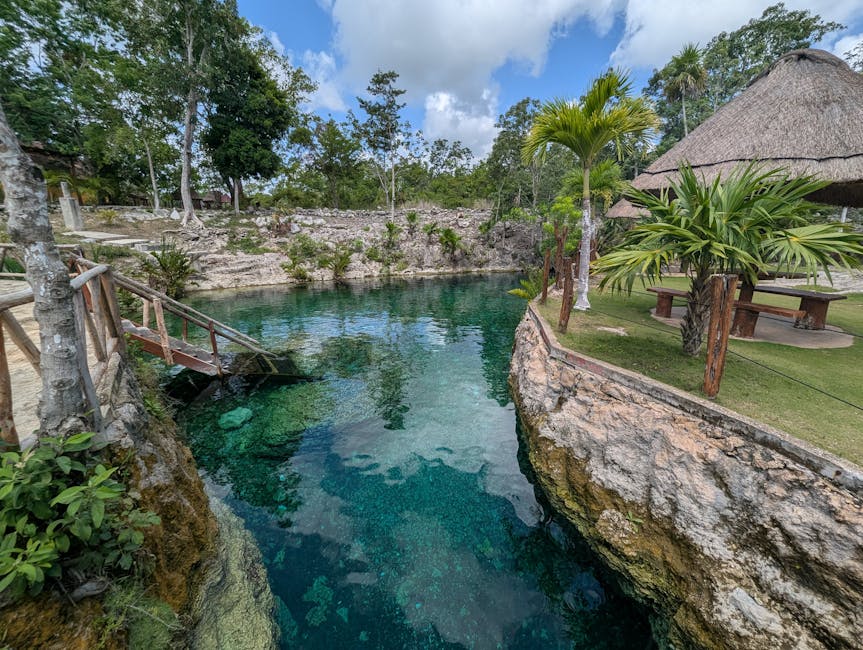
The cenotes — choose carefully. Cenote Suytun is dramatic (a beam of light hits the water through a hole in the cave ceiling) but crowded. Cenote X’Canché, near Ek Balam, is quieter and set in the jungle. The cenotes along the Ruta de los Cenotes near Puerto Morelos offer variety — open-air, cave, semi-open — within easy driving distance.
Yucatecan food is its own cuisine: cochinita pibil (slow-roasted pork in achiote and sour orange), sopa de lima (lime soup), poc chuc (grilled pork), and salbutes. It shares almost nothing with central Mexican cooking.
When to go: November to March for dry season. The Caribbean coast is warm year-round. Avoid the Riviera Maya from December 20 to January 5 unless you enjoy crowds and inflated prices.