
I lived in Mexico City for three months when I first moved to Mexico. I now live on the coast, in Puerto Escondido, but I keep coming back — to see my girlfriend’s family, to meet friends, to eat things I cannot get anywhere else, and honestly, because CDMX has a pull that is hard to explain until you have felt it. Every time I land, the city reminds me why I fell in love with this country in the first place.
The first thing people ask me is whether it is safe. I understand the question. Twenty-two million people, the headlines, the reputation. But here is what I tell them: I have walked home through Roma at midnight, taken the metro across the city at rush hour, eaten at street stalls in neighbourhoods that do not appear in any guidebook, and I have never once felt unsafe. Mexico City is a functioning, vibrant, enormously alive metropolis. Use the common sense you would use in any big city — do not flash expensive things, be aware of your surroundings, take Uber at night if you prefer — and you will be fine. More than fine. You will wonder why you waited so long to come.
The Neighbourhoods I Know
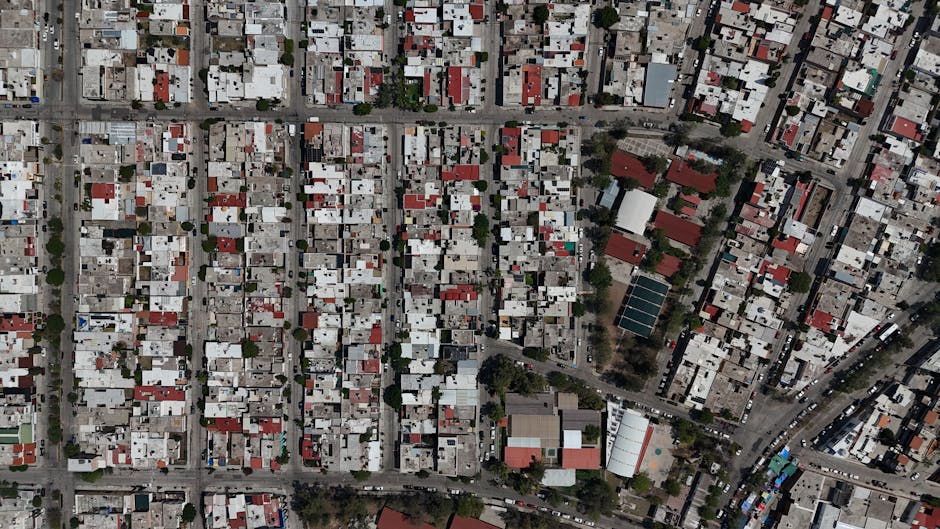
Roma and Condesa are where I spent most of my three months, and they remain my default. Tree-lined streets, Art Deco apartment buildings, sidewalk cafés where you can sit for three hours and nobody cares. Roma Norte has an energy — galleries, independent bookshops, restaurants opening every month — that reminds me of what people say Berlin was like fifteen years ago, except the food is better and the weather is not an insult. Condesa is quieter, greener, with Parque México at its center and the kind of Sunday-morning pace that makes you forget you are in one of the largest cities on earth.
Juárez and Nápoles sit just west and south of Roma, and they are where the city feels most like itself — less curated, more lived-in. Juárez has some of the best Korean food in the city (the Korean community here is significant and the taco-meets-kimchi crossovers are not a gimmick, they are genuinely great). Nápoles is residential, calm, and full of the kind of neighbourhood restaurants that never make a list and never disappoint.
Polanco is the upscale district — think tree-lined Presidente Masaryk with its designer shops and embassies. It is polished in a way that the rest of the city is not, and some people find that off-putting. I do not. Polanco has the National Museum of Anthropology at its edge, which alone justifies the neighbourhood. It also has excellent restaurants, the Soumaya Museum (Carlos Slim’s private collection, free entry, bizarre architecture, surprisingly great), and a degree of calm that provides a useful counterweight to the intensity of the Centro.
Coyoacán is further south and worth a full day. Frida Kahlo’s Casa Azul is the obvious draw — and it is genuinely moving, not just a museum but a house that still feels inhabited by its ghosts. The Viveros park is where I go to run when I am in the city. The market has tostadas de tinga that I think about on the coast, which is saying something because the coast has no shortage of good food.
Where I Eat
I am not going to pretend I have mapped the entire culinary landscape of a city with more restaurants than most countries. But I know what I like, and I keep going back.
Taquería El Califa is the taco spot that converted me. I first went because a friend dragged me there, and I have been going back on every trip since. The bistec tacos are perfect — thin, seared, on a fresh tortilla, with nothing but salsa and a squeeze of lime. No frills. No fusion. Just a taco doing exactly what a taco is supposed to do, better than almost anywhere else in the city. There is usually a line. It moves fast. Do not overthink it.
The street food in general is the thing that Mexico City does better than any city I have eaten in, including Paris and Tokyo. A taco al pastor from a stand in Roma at midnight. Esquites in a styrofoam cup outside the metro. Tamales from the woman who sets up on the corner at 7am. None of it costs more than a few pesos. All of it tastes like someone’s life work, because it usually is.
Contramar in Roma is the restaurant I send everyone to for their first proper lunch. It is open-air, loud, full of well-dressed locals, and serves the best grilled fish in the city — half painted in red chili, half in parsley, the whole thing arriving on a platter that makes you briefly reconsider whether you have been eating fish wrong your entire life. Get the tuna tostadas. Arrive before 1:30 or accept the wait.
Chapultepec
Chapultepec Park is where I spend my best mornings in the city. It is enormous — bigger than Central Park — and it contains the National Museum of Anthropology, which is not just the best museum in Mexico but one of the best museums I have visited anywhere. The Aztec sun stone, the Maya jade death mask, the full-scale reconstruction of a Aztec temple — allow a full morning and you will still leave feeling like you rushed.
I also go to Chapultepec every year for the LIV Golf event at the Club de Golf Chapultepec. Watching world-class golf in the middle of a megacity, at altitude, surrounded by the Chapultepec forest, is one of those experiences that only CDMX could produce. The atmosphere is extraordinary — the Mexican crowds bring an energy to golf that you simply do not get at a PGA event. It has become one of my annual rituals.
The Thing About CDMX
The mistake most people make with Mexico City is assuming it is one thing — dangerous, or chaotic, or overwhelming. It is all of those things in small doses and none of them as its defining quality. What it actually is, once you stop being intimidated by the scale, is the most generous city I know. Generous with its food, its culture, its time. There is always something happening — a gallery opening in Roma, a protest in the Zócalo, a jazz concert in a Condesa courtyard, a family birthday in a park with a piñata and enough food to feed thirty strangers. CDMX does not hold anything back. It gives you everything it has and then asks if you are hungry.
I came for three months. I left because the coast called. But every time I come back — for a weekend, for a week, for the golf, for a birthday — the city greets me like I never left. That is not something you can build into an itinerary. It is something you have to feel.
When to go: February to April is ideal. March turns the city purple — the jacaranda trees bloom along every avenue and the light has a quality that makes photographers look like geniuses. The rainy season (June to September) brings afternoon downpours that are dramatic and brief; mornings are usually clear. There is no bad time, really. CDMX is a year-round city with a year-round appetite.