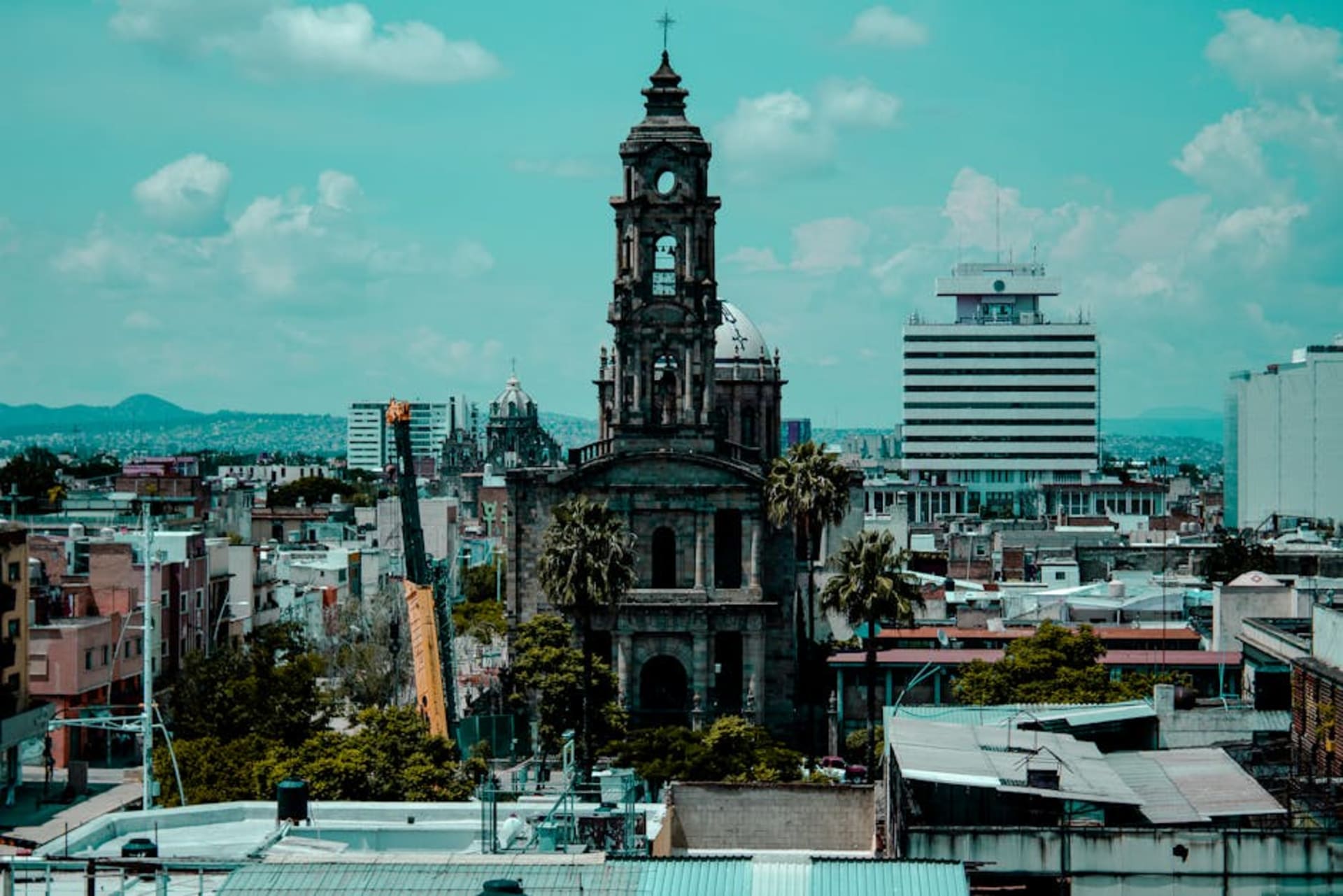
Guadalajara is the city Mexico City overshadows, and the city that does not seem to mind. It is the second-largest metropolitan area in the country — five million people, a tech industry, a fashion scene, a contemporary art circuit — and yet it maintains a pace and an identity that CDMX long ago outgrew. Tapatíos, as the locals are known, have a pride that is quieter but no less fierce than the capital’s. They will tell you that Guadalajara invented the things Mexico is known for: tequila (distilled in the surrounding Jalisco agave fields), mariachi (born in the plazas of Tlaquepaque), and birria (a slow-cooked goat stew that became a global food trend without Guadalajara receiving any of the credit).
I visited twice — once on a stopover en route to the coast, once deliberately for a long weekend — and the second trip corrected everything the first one missed. Guadalajara is not a city you pass through. It is a city you sit down in, eat slowly, drink deliberately, and let unfold at its own speed.
The Neighbourhoods
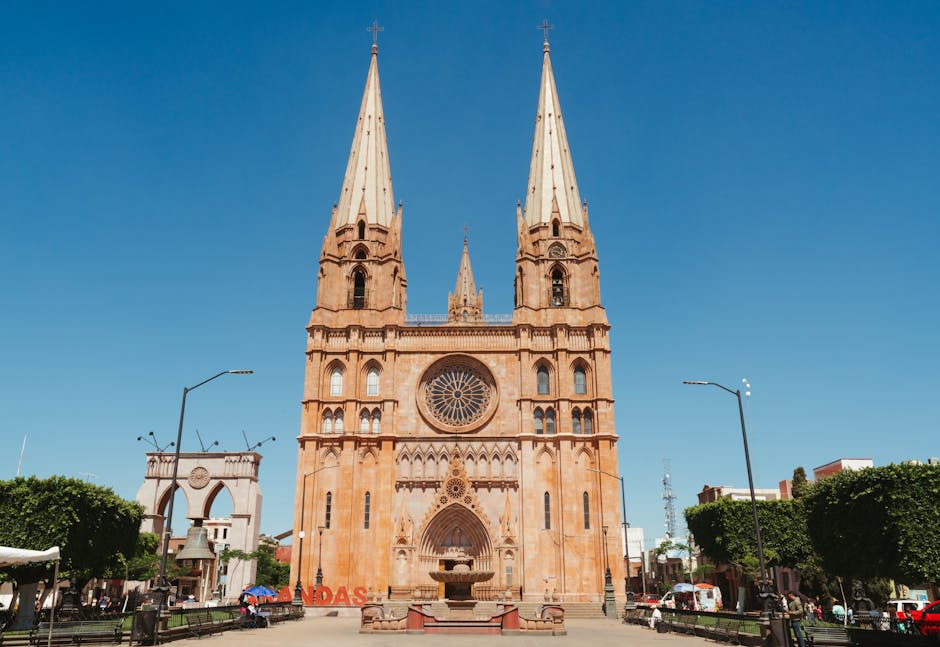
Chapultepec (not to be confused with the Mexico City park) is the avenue that defines modern Guadalajara — a long, tree-lined boulevard with craft-beer bars, specialty coffee shops, and the kind of restaurants that would be on a two-year waiting list for a reservation in Brooklyn but here just have open tables on a Tuesday. The Wednesday night street closure, when the avenue becomes a pedestrian market, is one of the best free evenings in western Mexico.
Tlaquepaque is the old artisan suburb — now absorbed into the metropolitan area — where mariachi was born and where the craft traditions of Jalisco are still practised. The Parián, a circular courtyard ringed by bars with live mariachi, is the most concentrated dose of Mexican musical culture I have experienced. Order a tequila, sit down, and let the music find you. The glassblowing workshops and pottery studios in the surrounding streets are genuine — working artisans, not performances for tourists.
The Centro Histórico anchors the city with the cathedral (twin towers, neoclassical facade), the Hospicio Cabañas (a UNESCO-listed former orphanage with murals by José Clemente Orozco that rank among the most powerful in Mexico), and the Mercado San Juan de Dios — the largest indoor market in Latin America, a labyrinth of food stalls, electronics, leather goods, and herbal remedies that sprawls across three floors.
Tequila
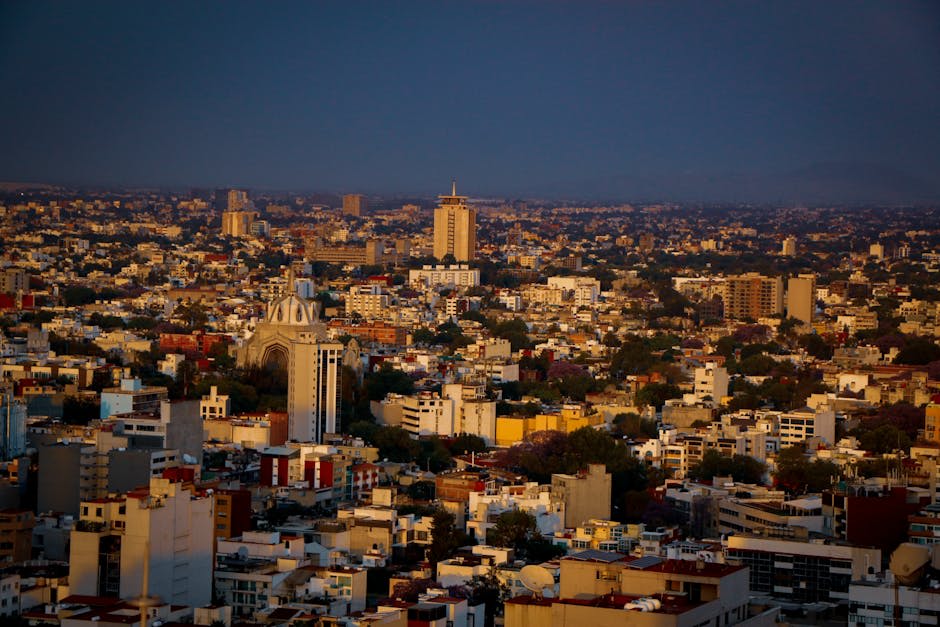
The town of Tequila is an hour from Guadalajara, and the drive passes through the blue-green agave fields that UNESCO has designated a World Heritage cultural landscape. The distilleries range from industrial (José Cuervo, the original and still the largest) to artisanal (Fortaleza, which uses a tahona stone wheel and traditional methods). A day trip to Tequila is mandatory — not for the tasting, though the tasting is excellent, but for the landscape. Rows of agave stretching to the horizon under a Jalisco sky is one of the great agricultural vistas in the Americas.
Where I Eat
Birria is the essential Guadalajara food, and the best I have had is at Birriería Las 9 Esquinas, a no-frills spot in the barrio of the same name. The goat is slow-cooked in a guajillo-and-spice broth until it falls apart. You eat it in tacos, dipped in the consomé, with raw onion and lime. It is the kind of meal that makes you briefly angry at every other birria you have been served outside of Jalisco.
Tortas ahogadas — drowned sandwiches, a crusty bread roll filled with carnitas and submerged in a fiery tomato-chili sauce — are the other local essential. They are messy, aggressive, and completely addictive. Eat them standing up at a market stall. Use napkins generously.
When to go: October to May. The October festivals (including the Fiestas de Octubre, a month-long citywide celebration) are the highlight. Summers are rainy and humid. The tequila fields are greenest from July to November.