Chiapas is Mexico’s southernmost state and its most other. The landscape shifts from Pacific coast to cloud forest to jungle within hours of driving. The indigenous population — Tzotzil, Tzeltal, Ch’ol, Tojolabal — is the largest and most culturally distinct in Mexico, maintaining languages, dress, and spiritual practices that have been continuous since before European contact. This is not the Mexico of mariachi and tequila. This is something older and more complex.
San Cristóbal de las Casas is the hub — a colonial highland city at 2,200 meters where the air is cool and the streets are lined with amber jewellery shops, craft cooperatives, and cafés serving Chiapan coffee that grows in the surrounding mountains. The atmosphere is part bohemian, part activist, part indigenous market town. The morning market at the Mercado de Santo Domingo is one of the most visually intense in the country.
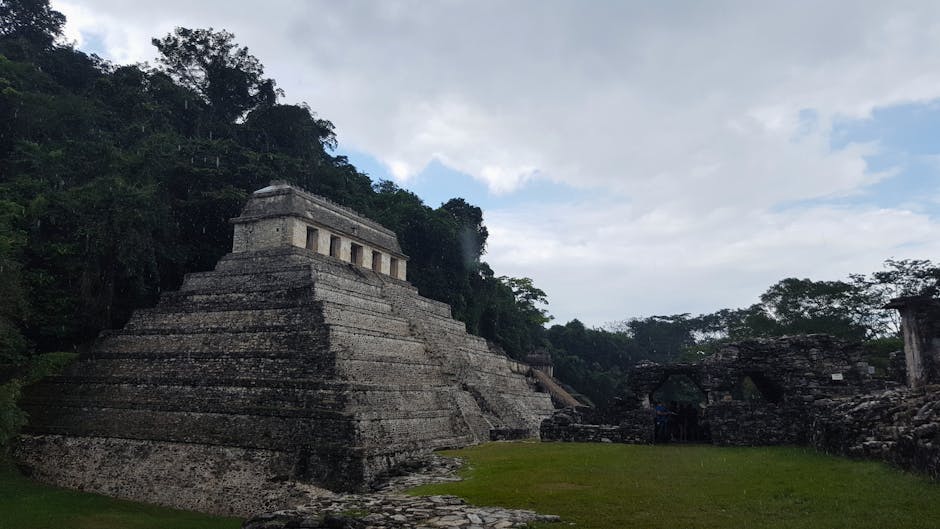
Palenque is the Maya ruin that out-atmospheres all others. Set at the edge of the Lacandon jungle, with howler monkeys in the surrounding trees and mist curling through the temples at dawn, it lacks Chichén Itzá’s scale but surpasses it in beauty and mystery. The tomb of Pakal, deep within the Temple of Inscriptions, is one of the great archaeological discoveries of the 20th century.
Sumidero Canyon — a kilometer-deep gorge cut by the Grijalva River — is accessible by boat tour from Chiapa de Corzo. Crocodiles bask on the banks. The cliffs rise vertically on both sides. It is more dramatic than most national parks.
The Zinacantán and Chamula villages outside San Cristóbal offer a window into Tzotzil Maya life — syncretic religious ceremonies in the church at San Juan Chamula (no photographs, and you will understand why when you enter), textile workshops where women weave on backstrap looms, and a community structure that has its own laws and governance.
When to go: November to March. The dry season keeps the jungle trails passable and the highland mornings crisp.