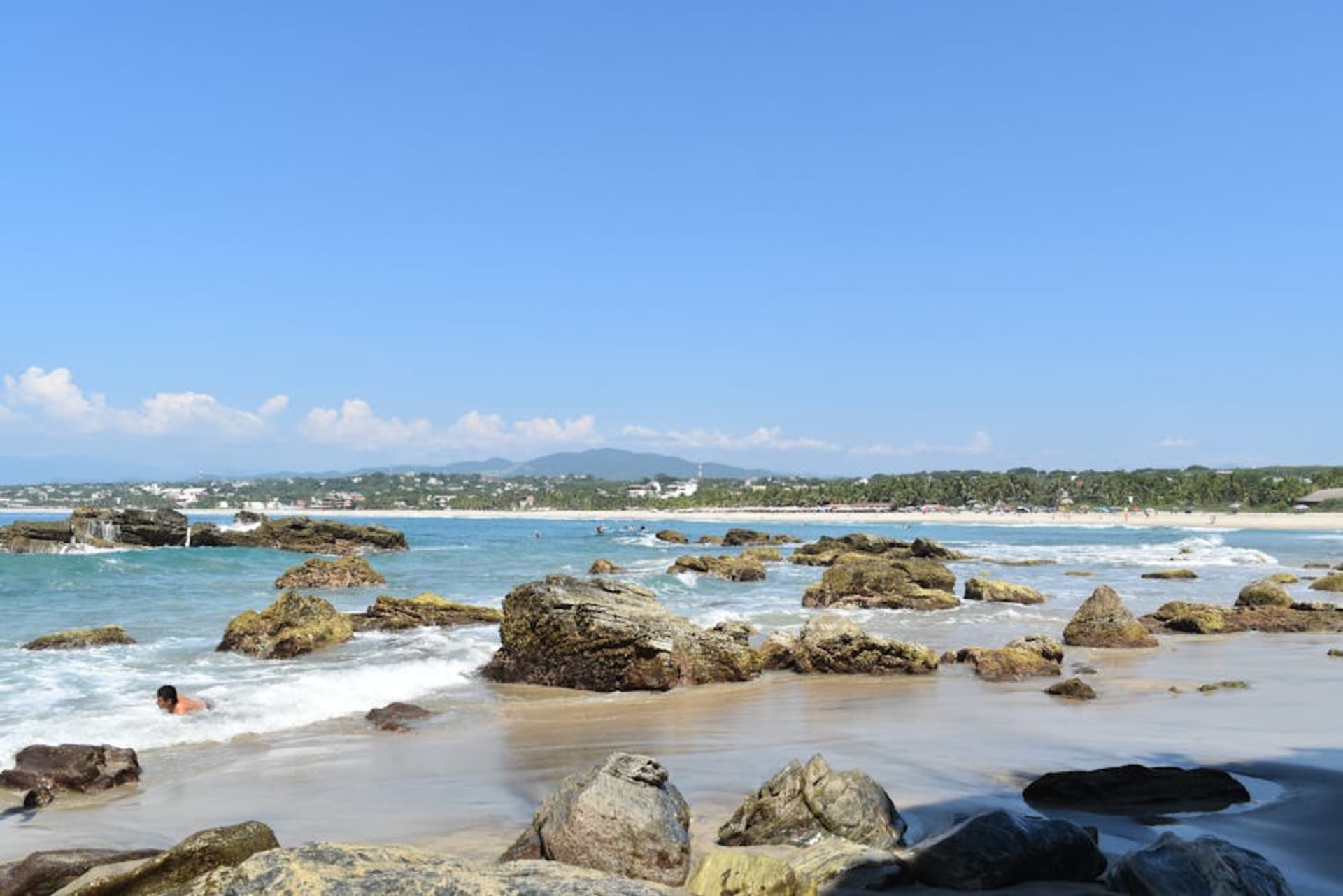
This is not an objective entry. I live here. I chose Puerto Escondido over every other place I have lived — Paris, Lisbon, Mexico City, Medellín — and I chose it deliberately. Not because it is perfect, but because the imperfections are the right ones. The internet drops during storms. The roads flood in September. The grocery store closes when it feels like it. And none of that matters when you are watching a set roll into Zicatela from a plastic chair outside your favourite taquería, holding a michelada that cost forty pesos, with nowhere to be and no reason to leave.
I first came in 2022, on a tip from a friend who had been surfing here. I stayed at a hostel in Rinconada, walked down to Playa Carrizalillo on my first morning, and understood immediately. The bay is absurdly beautiful — a crescent of sand framed by cliffs, the water turquoise and warm, the kind of place that travel magazines photograph and then ruin with a caption about “hidden gems.” It is not hidden. Sixty thousand people live here. But it is not Tulum either, and that distinction is everything.
The Beaches
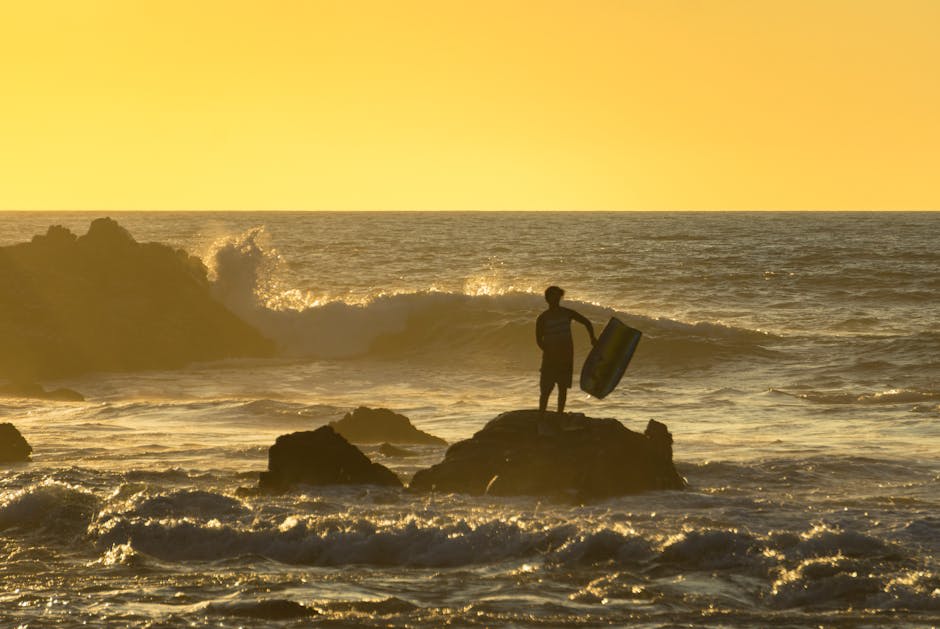
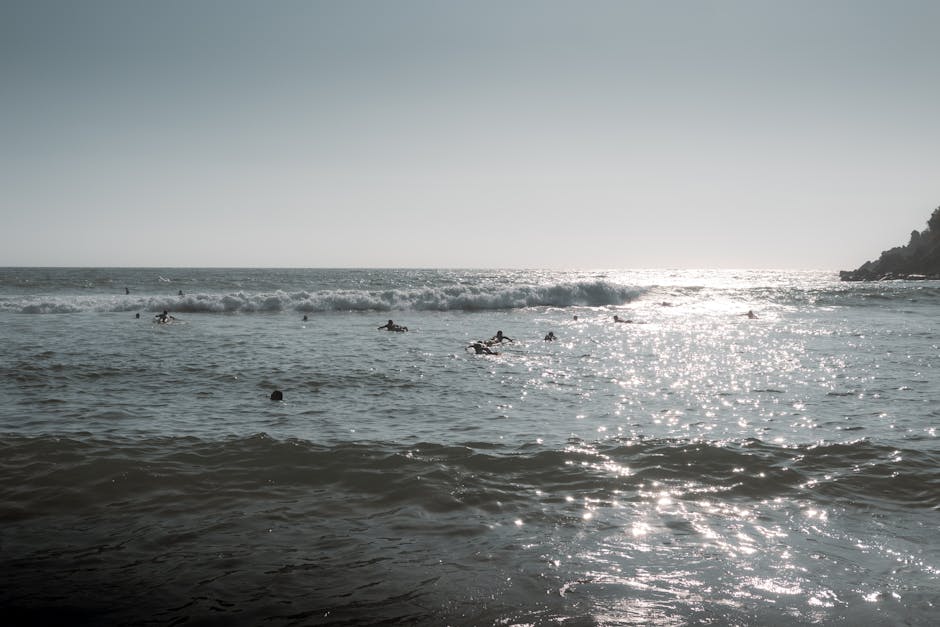
Zicatela is the main event — a long, powerful beach break that produces the Mexican Pipeline, one of the heaviest waves in the world. I do not surf Zicatela. I am honest about my limits. But I watch it regularly from the terrace at Espadin or from the sand with a coconut, and the spectacle of a twelve-foot barrel detonating on the shore never gets old. The surfers who ride it are a specific breed: lean, fearless, slightly insane.
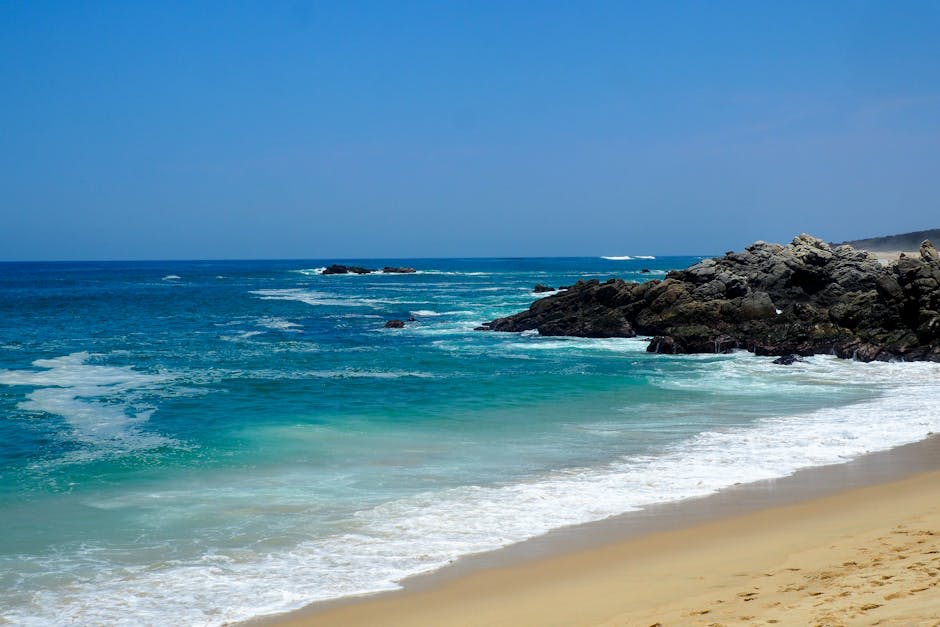
Carrizalillo is my beach. Two hundred steps down a cliff, a sheltered cove, water you can snorkel in, and a handful of palapa restaurants. I swim here three or four mornings a week. The regulars know each other. There is a woman who sells empanadas from a basket. The light at seven in the morning, when the sun clears the eastern cliff, is the best light I have seen anywhere.
La Punta is the surf beach for intermediates and the social hub of the town. The point break is forgiving, the bars along the beach play reggae until midnight, and the sunsets are the kind that make strangers applaud. I lived near La Punta my first six months and I still go back most evenings.
Where I Eat and Drink
Camarón Pelado at the Mercado Benito Juárez — the ceviche here is what I eat three mornings a week. Shrimp or fish, lime, tomato, avocado, tostadas on the side. Fifty pesos. It is the single best-value meal in my life and I am including everything I ate in Southeast Asia.
El Sultán on the Rinconada strip does Middle Eastern food that has no right being this good in a surf town in Oaxaca. The shawarma plate, the hummus, the falafel — all made by a Syrian cook who ended up here by a route I have never fully understood but am grateful for.
Espadin on Zicatela is where I take visitors. Mezcal bar, good cocktails, a terrace overlooking the break. The bartenders know my order. This is the closest thing I have to a local in the European sense — a place where I am known, where I sit at the same spot, where the conversation picks up where it left off.
Casa Oaxaqueña in the centre does Oaxacan classics — tlayudas, enfrijoladas, molé negro — at local prices. I eat here when I miss the city but do not want to take a seven-hour bus.
Living Here
The expat community is real but not overwhelming. There are coworking spaces, yoga studios, surf schools — the infrastructure of a digital nomad town — but Puerto has not tipped into the self-parody that Tulum became. The Mexican community is still the majority, the economy is still fishing and tourism in roughly equal measure, and the town has a roughness that filters out people who need things to be curated. I like that. I like that the power goes out sometimes. I like that the best restaurant in town has plastic chairs. I like that nobody is trying to build a brand here — they are trying to live, and the living is good.
The rent is reasonable. I pay less for a two-bedroom apartment with a rooftop and ocean view than I paid for a studio in the 11th arrondissement. The weather is hot and humid from June to October, dry and warm from November to May. The rains, when they come, are violent and beautiful and over in an hour. The rest of the year is uninterrupted blue sky.
The Thing I Cannot Explain
There is a quality to the light here — late afternoon, when the sun drops toward the Pacific and everything turns gold — that I have not found anywhere else. It is not just beautiful. It is calming in a way that changes how you think. I write better here. I sleep better. I am less anxious, less hurried, less concerned with the things that consumed me in Paris. Some of that is age. Some of it is the ocean. But most of it, I think, is Puerto itself — a place that asks nothing of you except that you show up, pay attention, and eat the ceviche while it is fresh.
When to go: November to April is the dry season and the best time for a visit. The surf is biggest from May to August (Zicatela fires in the summer swells). September and October are hot, humid, and rainy — the town empties, prices drop, and you get the place nearly to yourself, which is its own reward. I love September here. Most people would not.