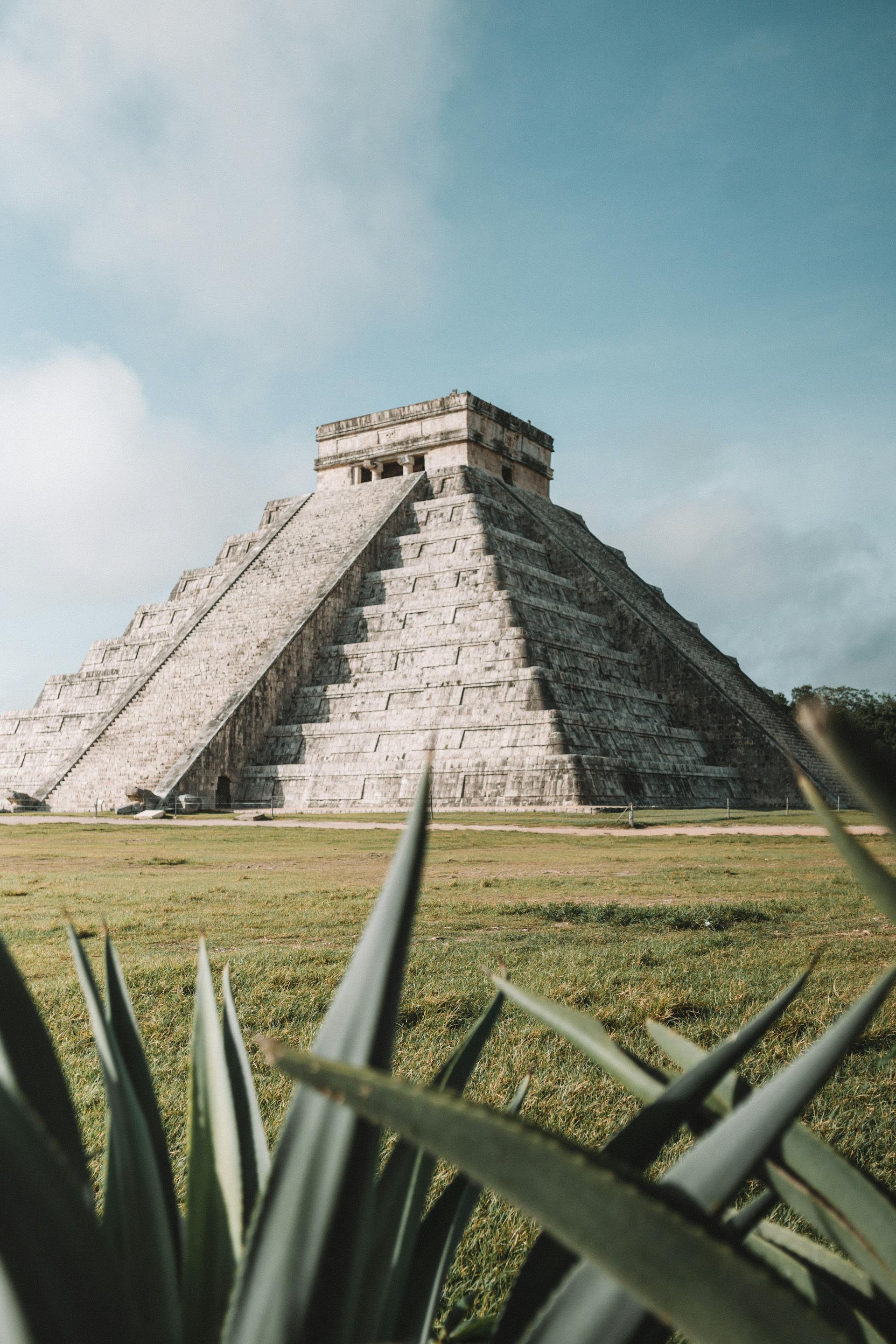
Oaxaca is where Mexico’s depth becomes undeniable. The state — not just the city — contains more indigenous cultures, more culinary traditions, and more biodiversity than most countries. The Zapotec ruins of Monte Albán predate the Aztecs by a millennium. The molé tradition here — seven canonical varieties, each a universe of chiles, spices, and technique — is one of the great achievements of world gastronomy. The mezcal is not a drink but a culture, produced by maestros who tend their agave for decades before harvest.
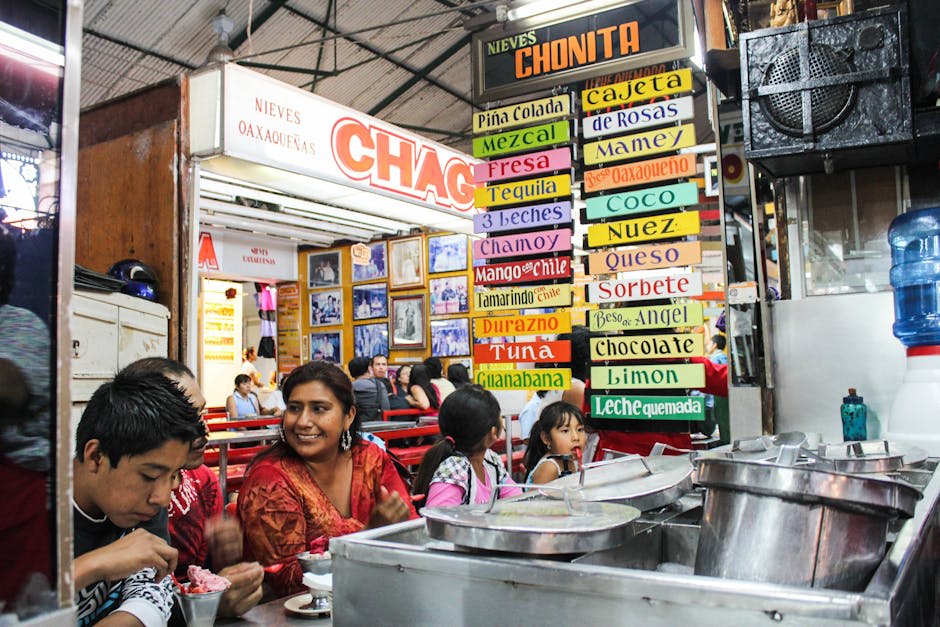
The city is colonial, colourful, and walkable. The zócalo is the centre of gravity. The Mercado 20 de Noviembre’s smoke corridor is essential eating — tasajo grilled over coals, served with handmade tortillas and black beans. Jalatlaco, the neighbourhood north of the centre, is quieter and more residential, with small galleries and cafés.
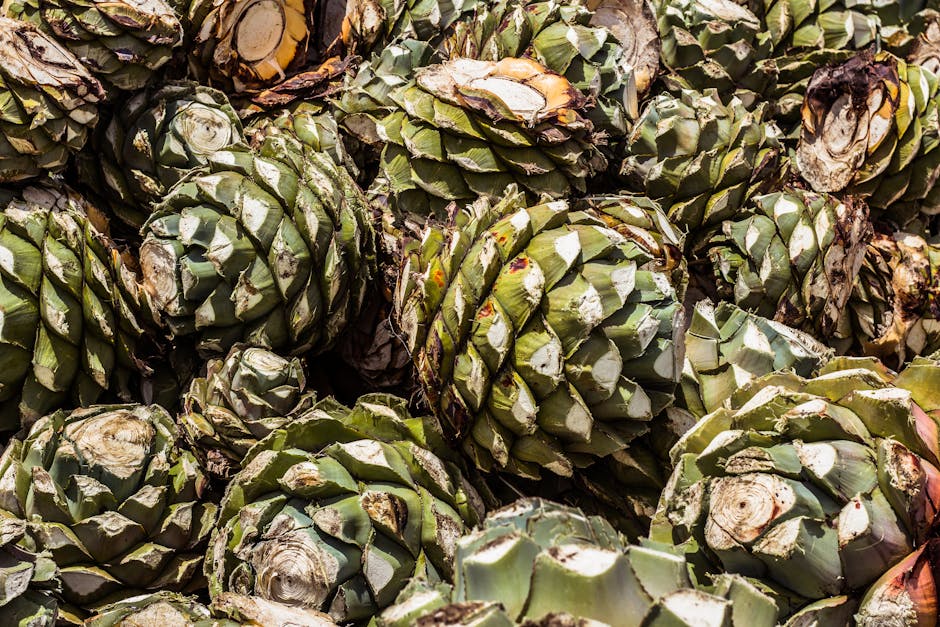
The mezcal palenques outside the city — in Santa Catarina Minas, Santiago Matatlán, San Baltazar Chichicapam — are where the spirit is made by families who have been distilling for generations. Visit with guidance from Mezcaloteca in the city centre, which will point you toward the producers making tobaziche, cuixe, and tepeztate from wild agave.
Monte Albán — arrive at 8am. The Zapotec ruins, perched on a flattened mountaintop above the valley, are among the most atmospheric in the Americas when you have them to yourself.
The coast — Puerto Escondido and the surrounding beaches — offers a different Oaxaca entirely: Pacific surf, fresh ceviche, and a pace that makes the city feel urgent by comparison.
When to go: October to December. November is ideal — Day of the Dead, the end of the rains, warm golden light.