San Cristóbal de las Casas
"The coldest, strangest, most beautiful town in southern Mexico."
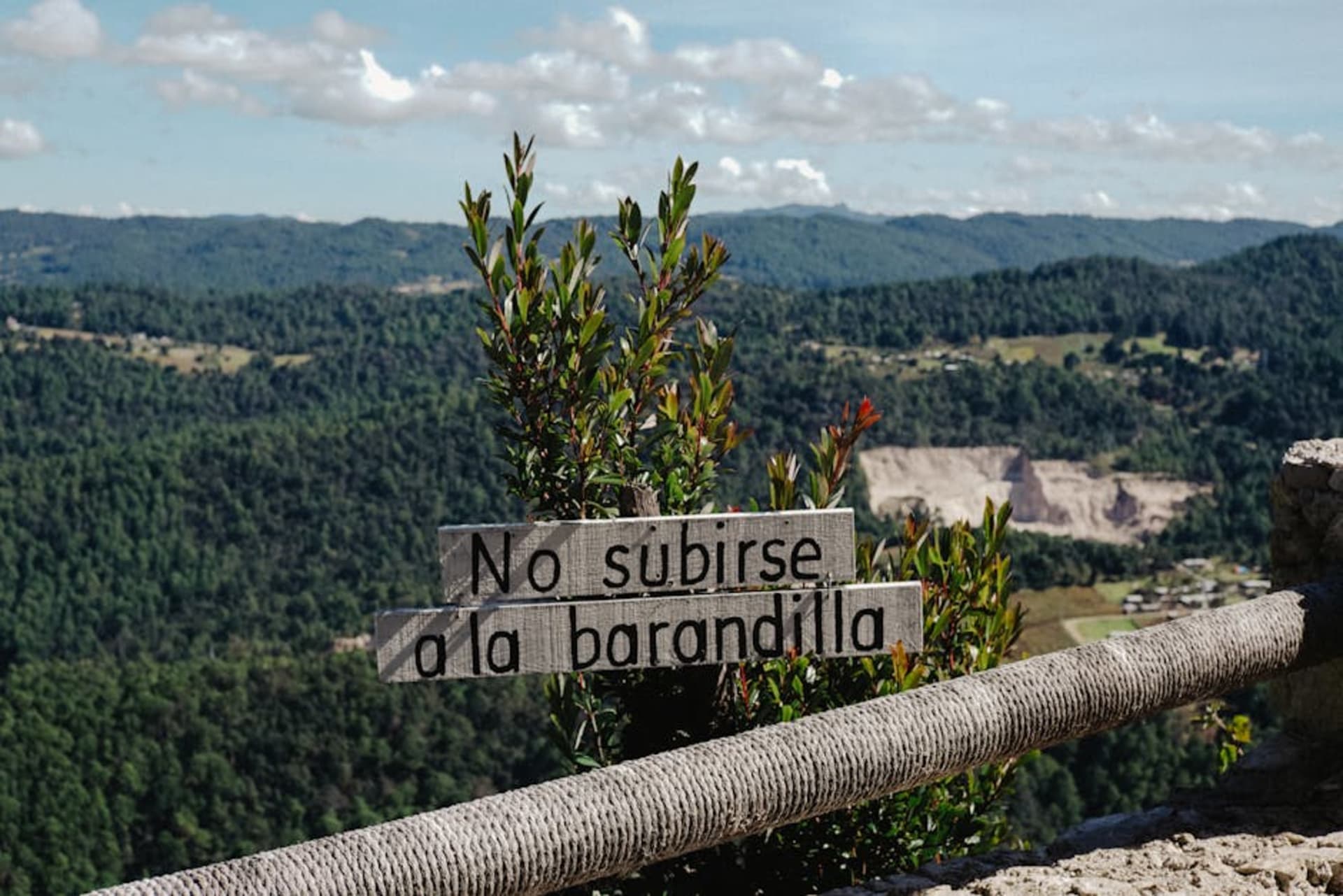
San Cristóbal sits at 2,200 metres in the Chiapas highlands, and the altitude changes everything. The mornings are cold — genuinely cold, the kind that makes you reach for a wool sweater in a country where most people pack nothing warmer than a linen shirt. The air smells of pine smoke and roasting coffee. The streets are cobbled and narrow, lined with amber shops and indigenous textile cooperatives. It is colonial Mexico overlaid with something much older and more complex: the living culture of the Tzotzil and Tzeltal Maya, whose languages you hear in the markets and whose presence shapes every aspect of the town.
I spent three weeks here on my first long trip through Mexico, and I have been back twice since. San Cristóbal is the kind of place that attracts a specific type of traveller — slightly bohemian, politically engaged, interested in indigenous rights and fair-trade coffee and the Zapatista movement that put this region on the international map in 1994. The town wears its politics openly, in murals and bookshops and cafés named after revolutionary poets.
The Markets and the Churches
The Mercado de Santo Domingo is one of the most visually intense markets in Mexico. Tzotzil women in embroidered huipiles sell handwoven textiles, amber jewellery, and fresh produce from the surrounding highlands. The colours are extraordinary. The craftsmanship is real — not the mass-produced “artisan” goods you find in tourist towns. If you want to buy textiles in Mexico, this is the place. Bargain respectfully, pay fairly, and understand that the woman selling you a huipil may have spent two months weaving it on a backstrap loom.
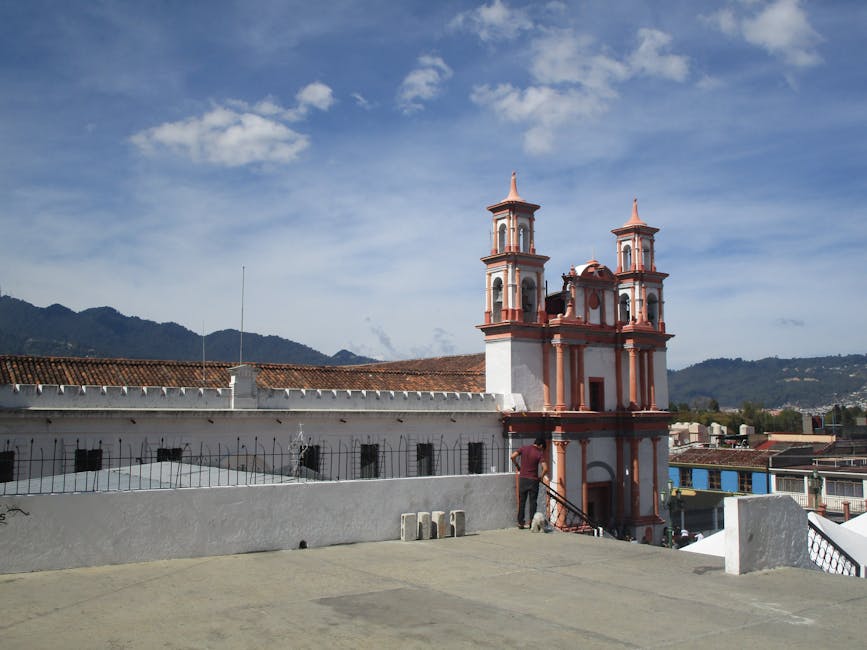
The Templo de Santo Domingo is the town’s baroque masterpiece — a pink stone facade covered in intricate carvings, with an interior gilded to the point of hallucination. The adjoining cultural centre houses a textile museum that explains the significance of the patterns and symbols in the indigenous weaving traditions.
The Iglesia de San Juan Chamula, in the Tzotzil village thirty minutes outside town, is unlike any church I have entered. No photographs allowed, and you will understand why: the pews have been removed, the floor is covered in pine needles, families kneel before rows of candles performing healing rituals that blend Catholic saints with Maya cosmology. Coca-Cola bottles are part of the ceremony — the burping induced by the carbonation is believed to expel evil spirits. It is disorienting, moving, and unlike anything else in Mexico.
Coffee, Food, and Cold Nights
Chiapan coffee is some of the best in Mexico, and San Cristóbal is where you drink it. Carajillo Café on Real de Guadalupe is my favourite — single-origin beans from the surrounding mountains, brewed with care, in a space that is warm in both senses. TierrAdentro is the more political option, selling Zapatista cooperative coffee alongside books on indigenous rights.
The food is highland Mexican with indigenous roots. Tamales de chipilín — a green herb native to Chiapas — are the local staple. Pozol, a cold corn-and-cacao drink, is an acquired taste I acquired. The restaurants along Real de Guadalupe range from tourist-friendly to genuinely local. El Caldero does Chiapan cuisine with ambition — cochito horneado, tasajo, sopa de pan — in a candlelit colonial house.
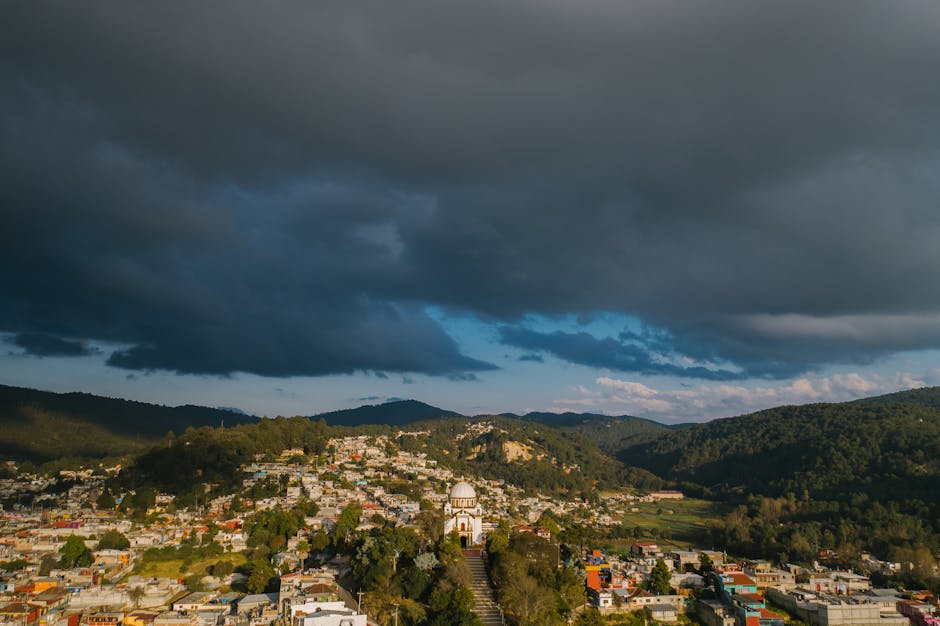
The nights are cold and the town knows it. Bars serve mezcal con naranja, hot chocolate made with Chiapan cacao, and a local spirit called pox (pronounced “posh”) — a sugarcane-and-corn aguardiente that the indigenous communities use in ceremonies and that the bars serve in cocktails. It warms you up faster than the fireplace.
When to go: November to February for clear skies and cold mornings. March to May is warmer but still pleasant. June to October brings rain — dramatic afternoon downpours that turn the streets into rivers for an hour and then vanish. Pack layers regardless of season. The altitude is no joke.