Asia
Greater Caucasus
"The mountains that make the Alps look like they were built last week."
A spine of ancient stone towers, glacial valleys, and medieval villages where Georgia and Azerbaijan share a mountain range that most travelers fly over on their way somewhere else.

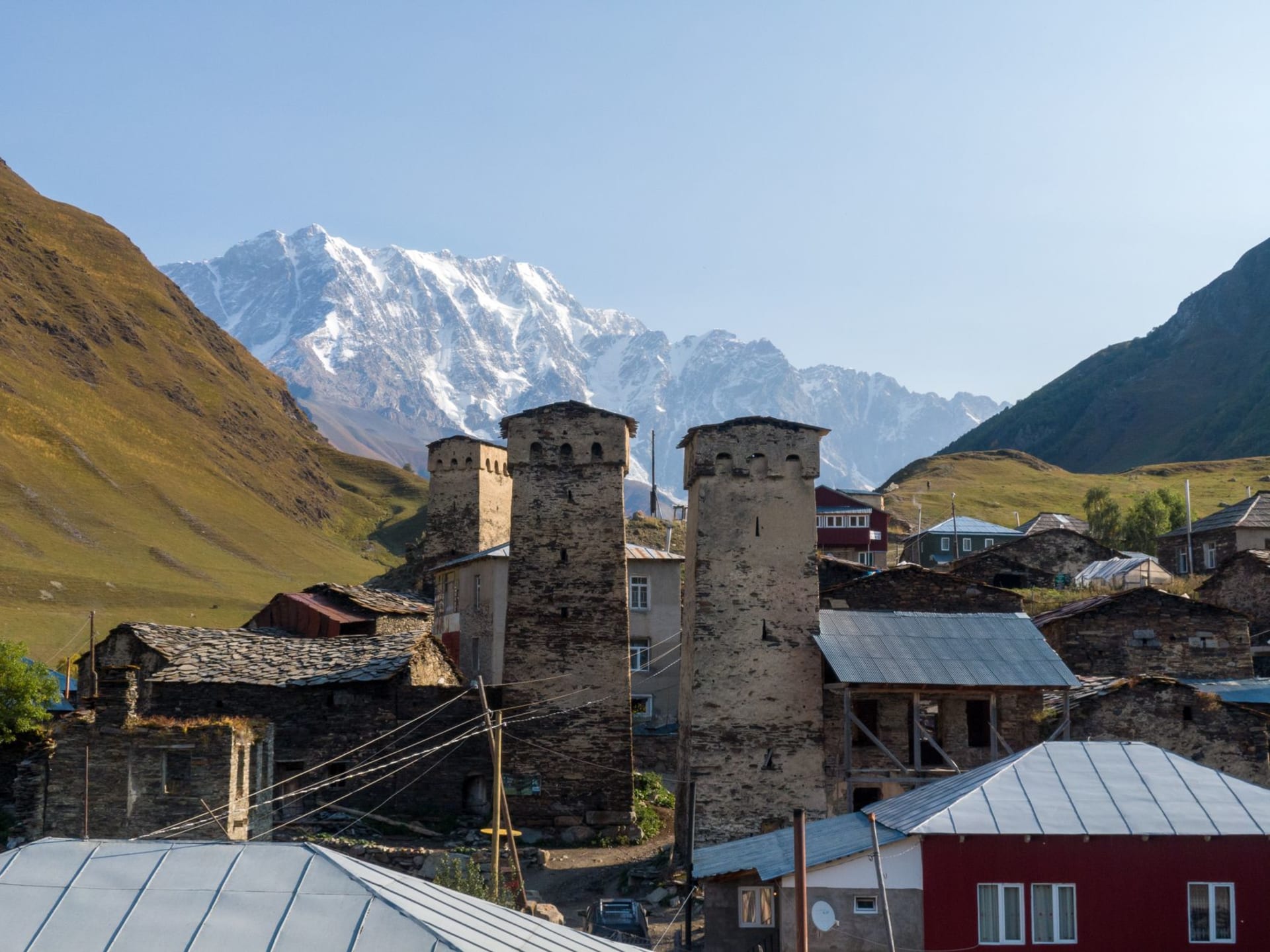
The minibus from Mestia to Ushguli takes about three hours on a road that alternates between gravel and wishful thinking. When you arrive, the first thing that hits you is not the elevation — though at 2,200 meters you feel it — but the towers. Medieval Svan towers, forty or fifty of them, rising from the slate rooftops of a village that has been continuously inhabited since the Bronze Age. The UNESCO listing changes nothing here. Chickens pick through the mud between the towers. Old women sell churchkhela from a table by the road. The mountains at the back — Shkhara at 5,068 meters — are plastered with glaciers that look like they might calve at any moment.
I spent four days in Ushguli and walked in a different direction each morning. Up toward the Shkhara glacier, where the ice makes sounds that remind you it is constantly moving. East toward the uninhabited towers at Murkmeli, where no one is trying to sell you anything because no one else is there. The food is simple and serious: kubdari, a bread stuffed with spiced pork and onion and pressed flat on a cast-iron pan, eaten hot at a table where someone’s grandmother is watching to see if you finish it. The wine is amber, skin-contact by default, poured from a clay jug, and it tastes like nothing you can buy at home.
On the Azerbaijani side of the range, the Lahic valley in the Ismailli district offers the same drama without the Svan towers but with different textures — copper workshops, stone lanes, the smell of metalwork mixing with the cold air coming off the Girdimanchai river. It is quieter and harder to reach and therefore almost entirely yours.
When to go: June through September for mountain access — the road to Ushguli is often impassable from November through April. Late June brings wildflowers at elevation; September means clear skies and empty trails after the small summer rush thins out. Avoid July and August if you want the villages to yourself.
What most guides get wrong: They treat Georgia as a wine-and-Tbilisi trip and mention the Caucasus as a possible side excursion. The mountains are not a side excursion. They are the destination. Tbilisi is where you recover.
Explore
Places in Greater Caucasus
 caucasus-mountains
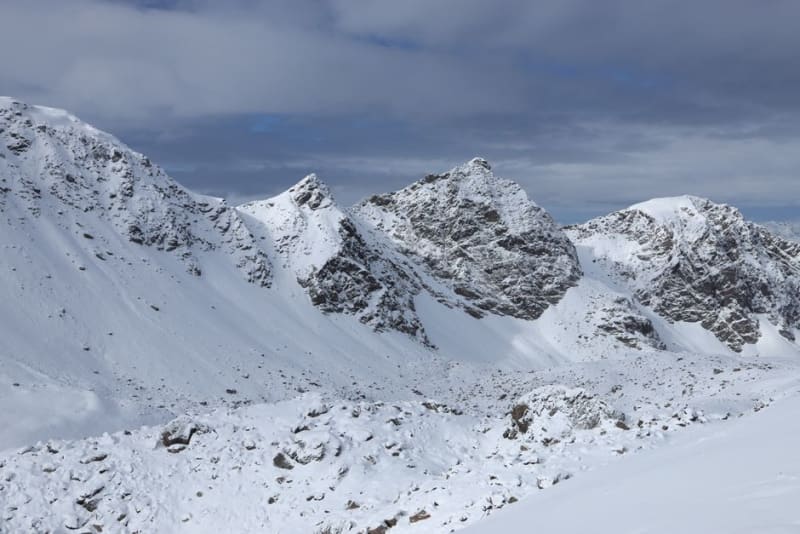
 Arkhyz
A ski valley in Russia's Karachay-Cherkessia where a Soviet-era telescope watches the same peaks that hide 10th-century stone churches.
Explore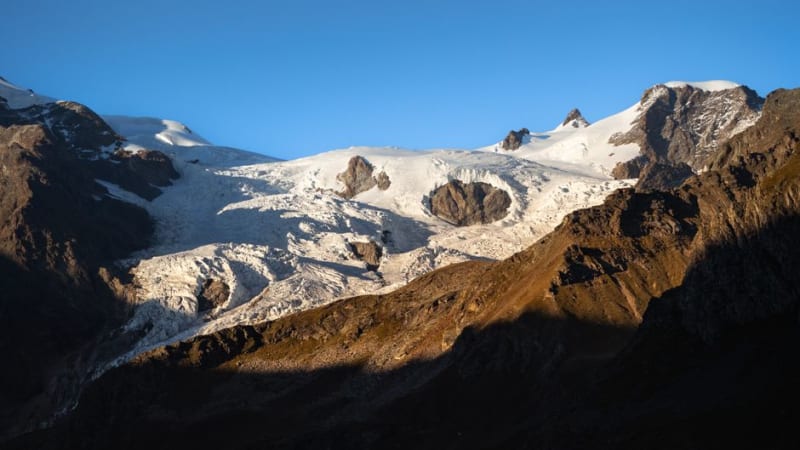 caucasus-mountains
 Chaukhi Massif
A jagged granite ridge above the village of Juta, nicknamed the Georgian Dolomites, that turns pink and gold in the last light of the day.
Explore caucasus-mountains
 Dariali Gorge
The ancient passage through the Caucasus where the Terek river has carved a canyon so narrow and sheer it was once considered the literal gate between Europe and Asia.
Explore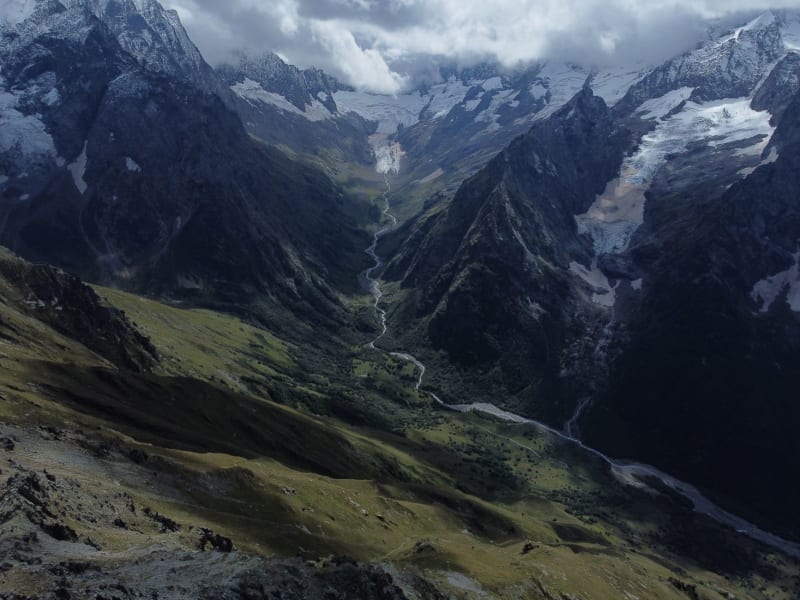 caucasus-mountains
 Dombay
A Soviet-era mountain resort in the Russian Caucasus where the vertical rises over 3,000 meters and the forests below the glaciers are so dense they muffle all sound.
Explore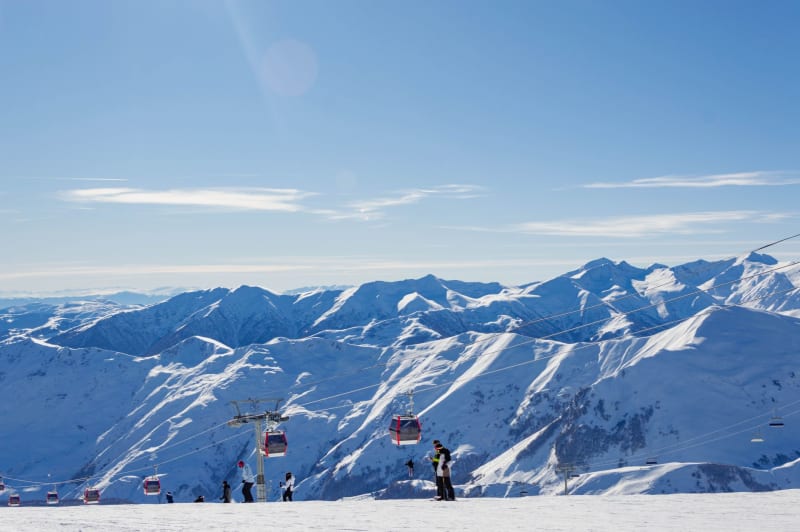 caucasus-mountains
 Gudauri
A high Caucasian plateau at 2,200 meters where Georgia's best skiing happens in winter and paragliders hang in the thermals all summer long above a gorge that drops a thousand meters straight down.
Explore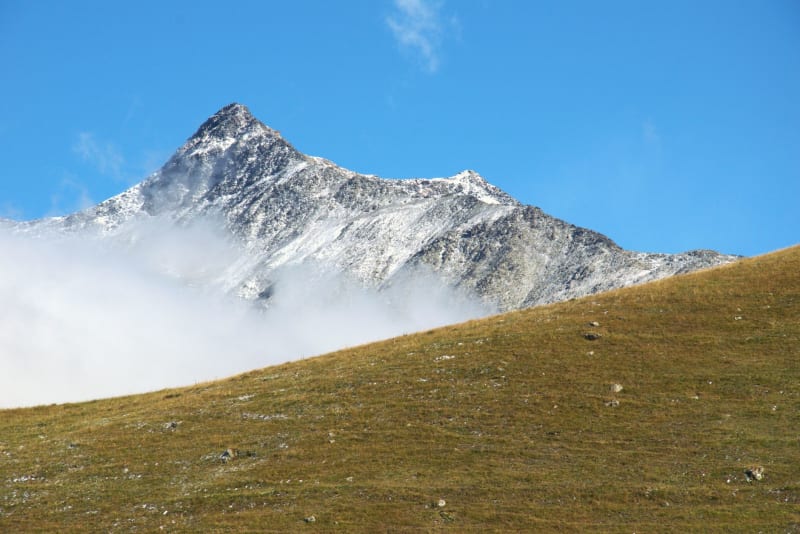 caucasus-mountains
 Juta Valley
A hidden dead-end valley near Kazbegi where the trail ends at a glacial cirque and the only sounds are wind, water, and the occasional crack of a glacier calving.
Explore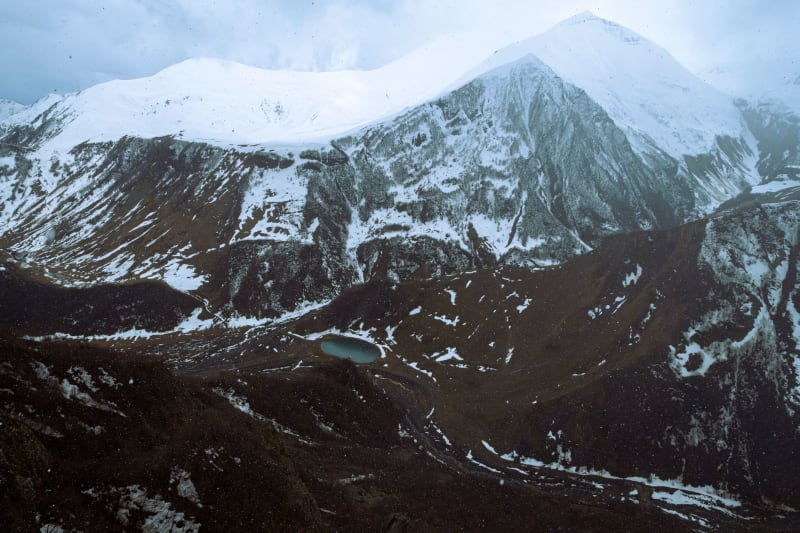 caucasus-mountains
 Khinalig
One of the highest permanently inhabited villages in the world, home to a people who speak a language found nowhere else on earth and live above the clouds in northern Azerbaijan.
Explore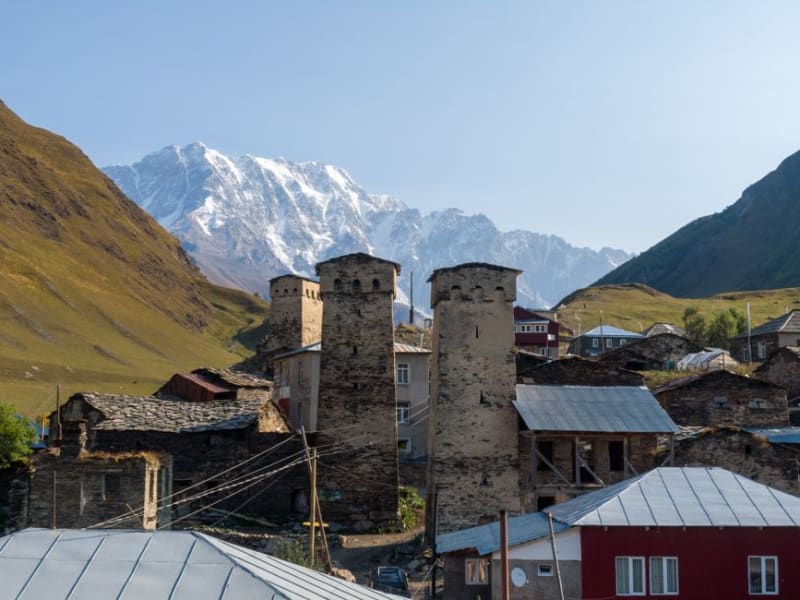 caucasus-mountains
 Laghami
A tiny Svan hamlet on the trekking route between Mestia and Ushguli where a handful of families still live under medieval stone towers.
Explore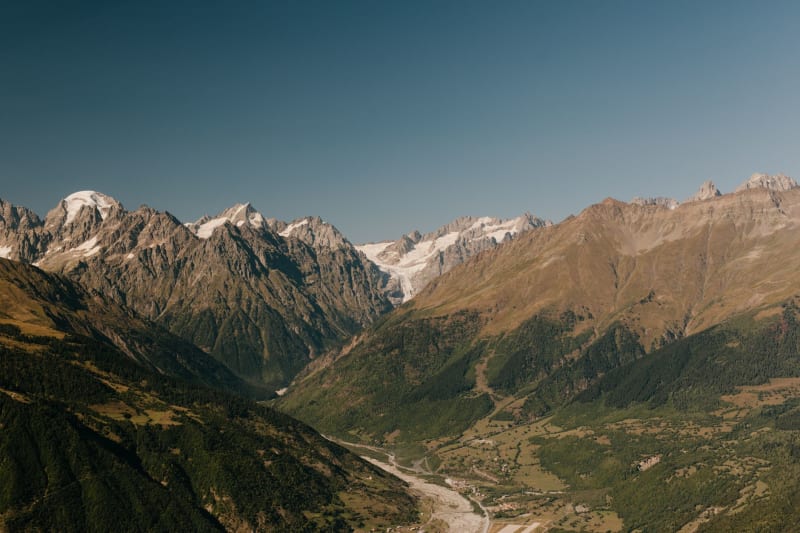 caucasus-mountains
 Lahic
An Azerbaijani copper-working village in the Caucasus foothills where the sound of hammers on metal has echoed down the same stone lane for six centuries.
Explore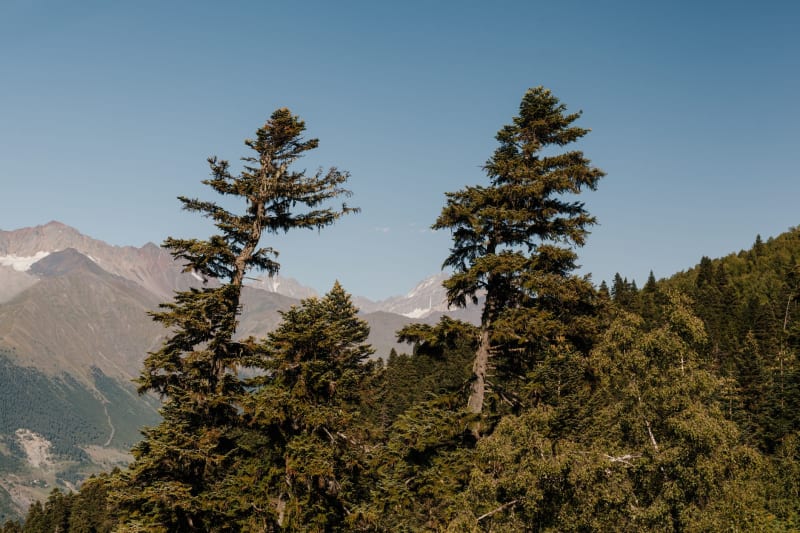 caucasus-mountains
 Mestia
The compact capital of Svanetia where stone towers erupt between modern guesthouses and every street points toward a different glacier.
Explore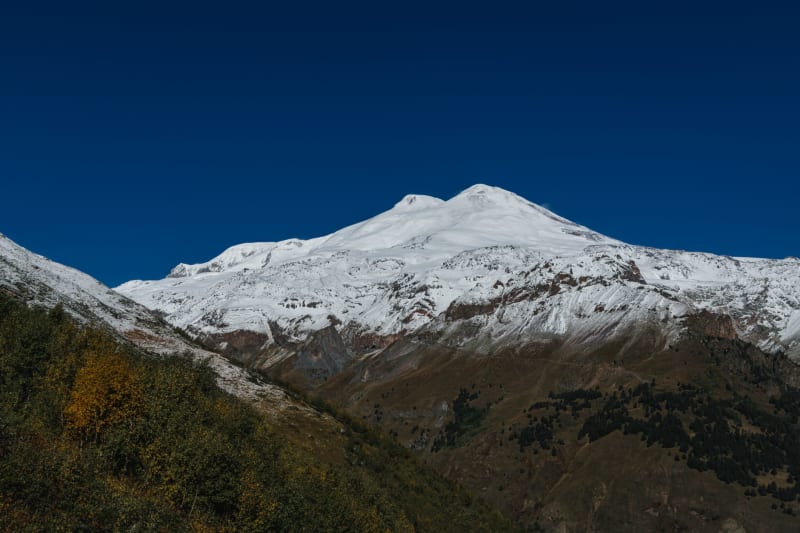 caucasus-mountains
 Mount Elbrus
The highest peak in the Caucasus and in Europe — a twin-coned dormant volcano in the Russian republic of Kabardino-Balkaria, where Soviet cable cars haul you to the edge of the glaciers.
Explore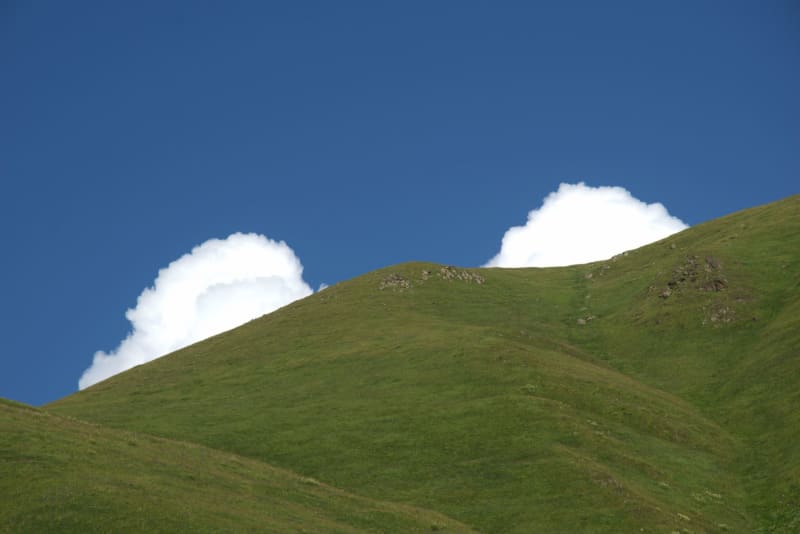 caucasus-mountains
 Omalo & Tusheti
Georgia's most remote inhabited region: a cluster of medieval villages reachable only by one of the most terrifying mountain roads in existence.
Explore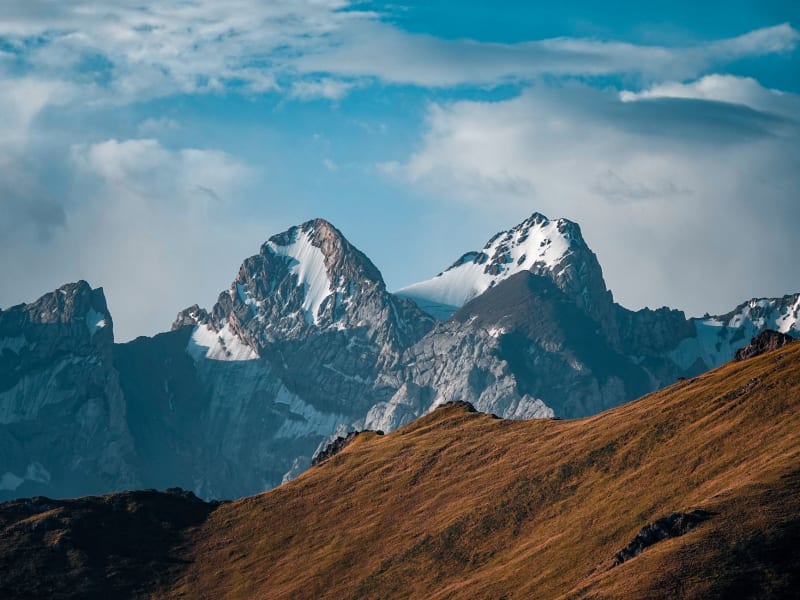 caucasus-mountains
 Shatili
A Khevsur fortress village on the Chechen border so well-preserved it looks like someone forgot to tell the Middle Ages they were over.
Explore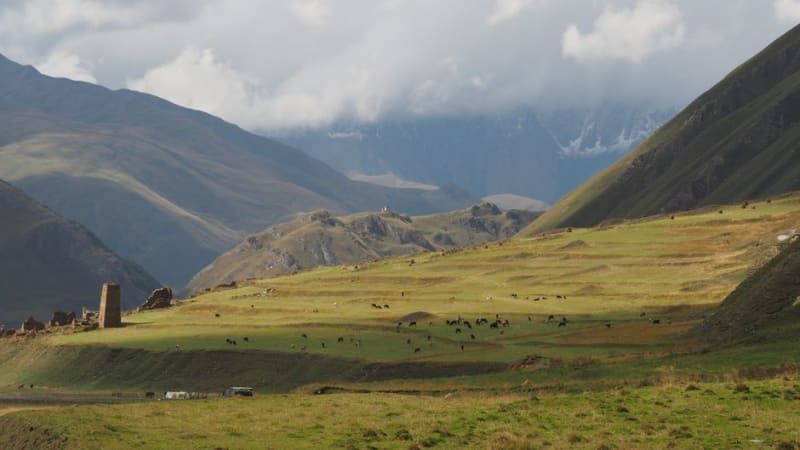 caucasus-mountains
 Sno Valley
A quiet side valley near Kazbegi where medieval Georgian watchtowers still guard a handful of stone villages against a backdrop of glaciers.
Explore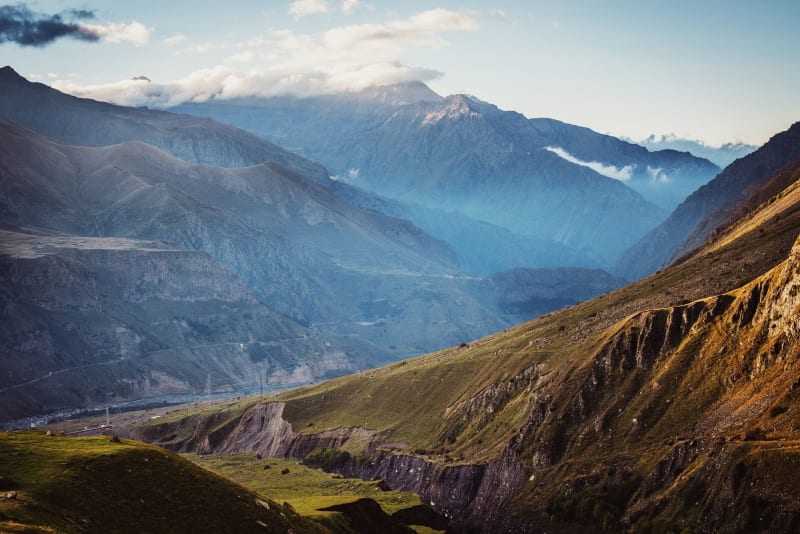 caucasus-mountains
 Stepantsminda
A small Georgian town beneath Mount Kazbek where the Gergeti Trinity Church hangs above the clouds and the Military Highway cuts through some of the most dramatic gorge scenery on earth.
Explore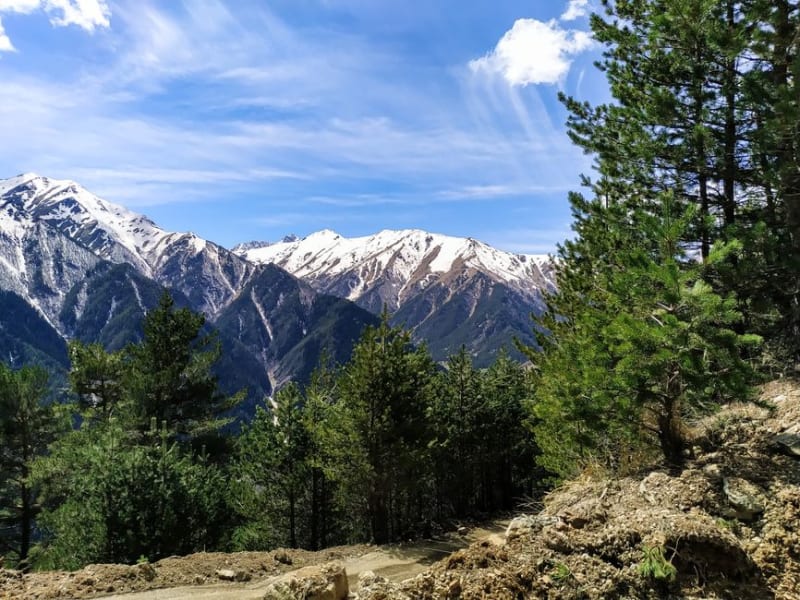 caucasus-mountains
 Teberda
A pine-forested resort valley and nature reserve in the Russian Caucasus, quieter and greener than its famous neighbor Dombay just up the road.
Explore