Teberda
"I fell asleep to the sound of the Teberda River and woke up convinced I could still hear it, even in the shower."
A pine-forested resort valley and nature reserve in the Russian Caucasus, quieter and greener than its famous neighbor Dombay just up the road.

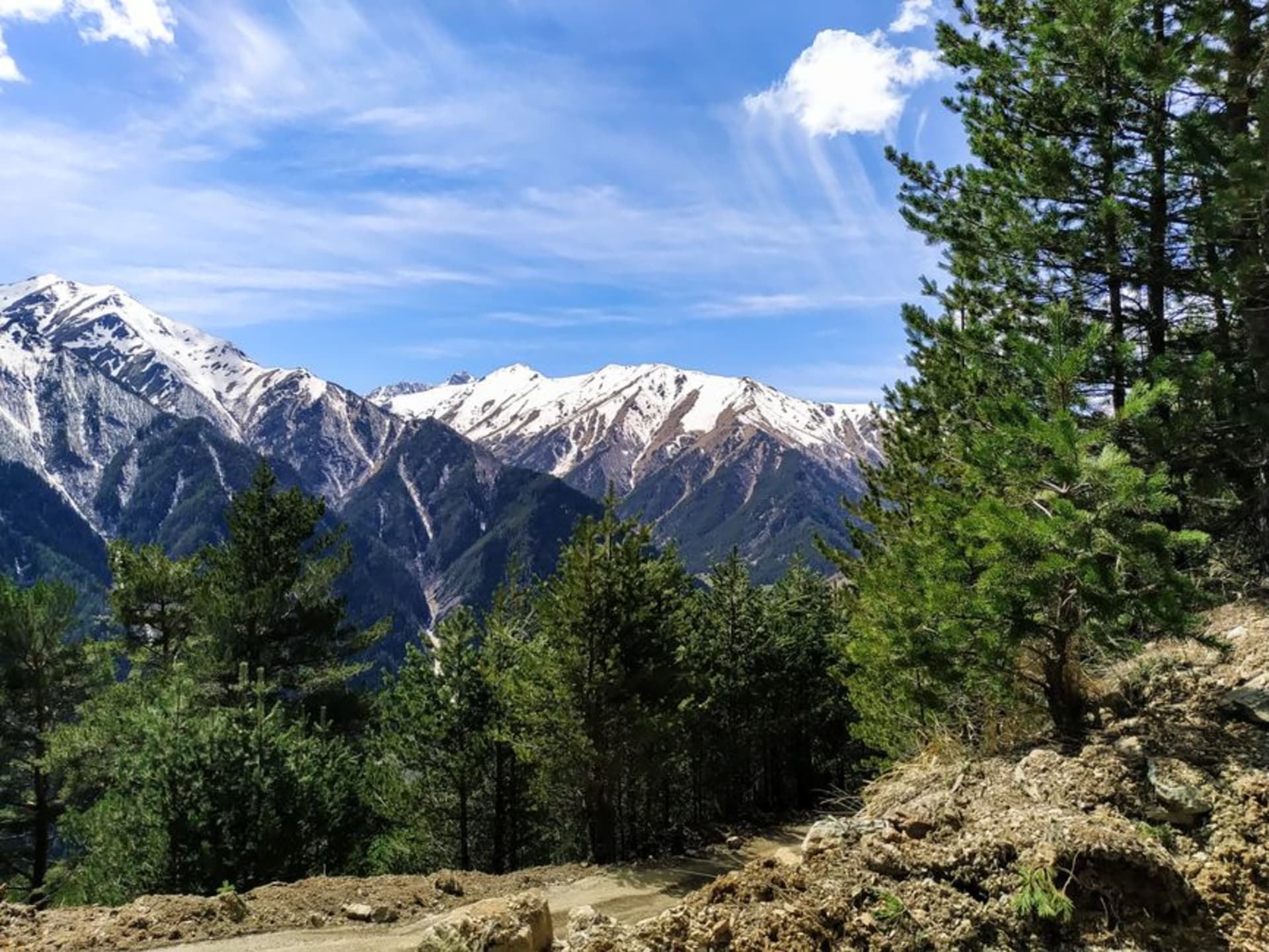
We came to Teberda almost by accident, using it as a stopover before pushing on to Dombay, and ended up staying two extra nights because neither of us wanted to leave. The town itself is a modest Soviet-era resort strung along the Teberda River, all faded sanatorium buildings and pine trees, but what makes it worth lingering for is the nature reserve that wraps around it — one of the oldest protected areas in the Russian Caucasus, established back in the 1930s to shelter the forests and alpine meadows from logging and overgrazing.
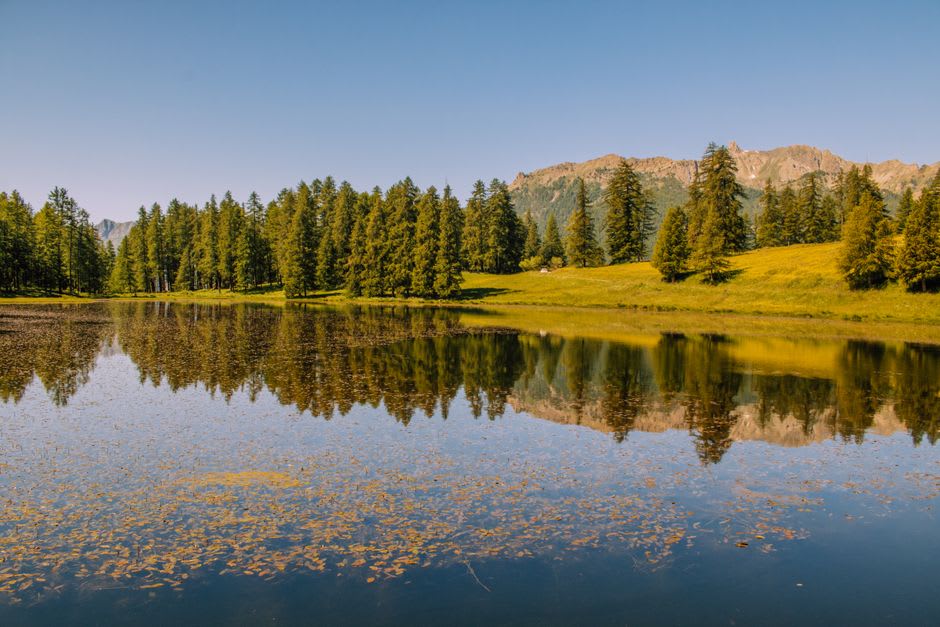
The reserve office in town sells permits and, more usefully, hands out a hand-drawn map that pointed us toward Lake Kluchevskoye and a network of trails through spruce and fir forest so dense it felt almost Alpine rather than Caucasian. We hiked most of a day up toward one of the high lakes, passing herds of tur — the local wild goats, all curled horns and total indifference to hikers — and at one point a marmot sat up on a rock and watched us for long enough that Lia got a genuinely good photo of it.
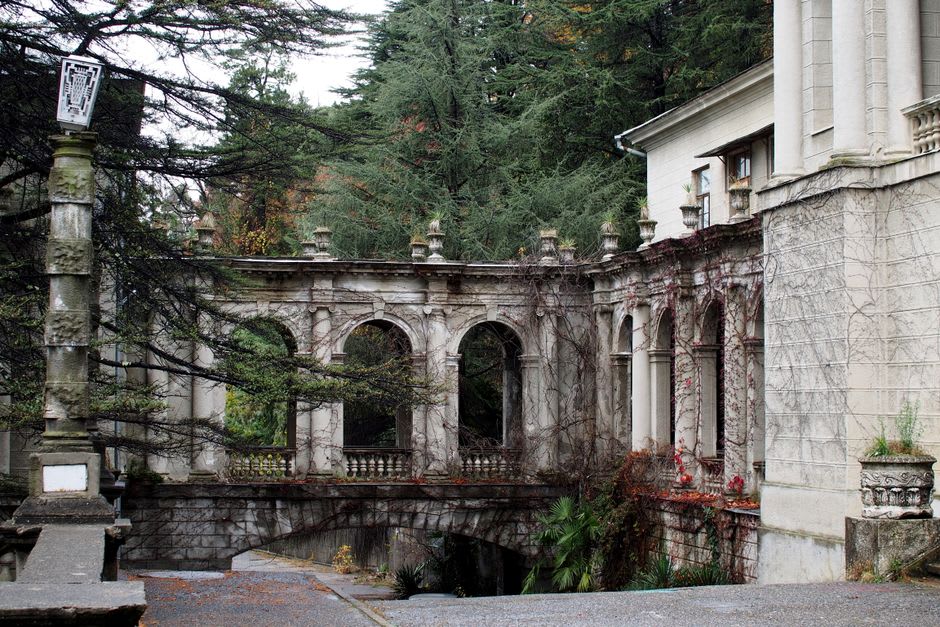
What I liked most about Teberda, though, was how unbothered it seemed by comparison to Dombay, twenty minutes further up the valley. Dombay gets the ski lifts, the cable cars, the crowds posing under Mount Belalakaya. Teberda gets pensioners doing their morning walks along the river promenade and a small museum dedicated to the reserve’s founding naturalists, half-empty on the weekday afternoon we wandered through. There’s a version of Russian mountain tourism here that predates the ski-resort boom by decades, and you can still feel it in the older sanatoriums with their columned facades and slightly melancholy grandeur.
We ate dinner most nights at a small café that did nothing but soup and grilled trout from the river, run by a woman who seemed personally offended if you didn’t finish your bread. It’s not sophisticated food, but after a day of hiking through that forest it was exactly right.
If you’re heading to Dombay for the skiing or the views, don’t just drive through Teberda — give it a day, ideally in the reserve, before the crowds up the road pull you back in.
When to go: June through September for the hiking trails and wildflower meadows; the reserve’s high trails are typically snowbound outside that window.
Keep exploring
More from Greater Caucasus
 caucasus-mountains
 Ushguli
The highest continuously inhabited settlement in Europe, where medieval towers outnumber people and the glaciers feel close enough to touch.
Explore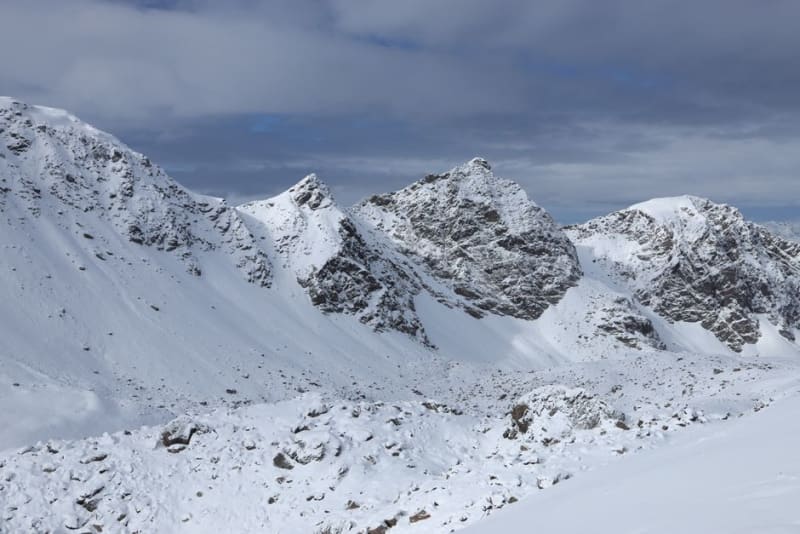 caucasus-mountains
 Arkhyz
A ski valley in Russia's Karachay-Cherkessia where a Soviet-era telescope watches the same peaks that hide 10th-century stone churches.
Explore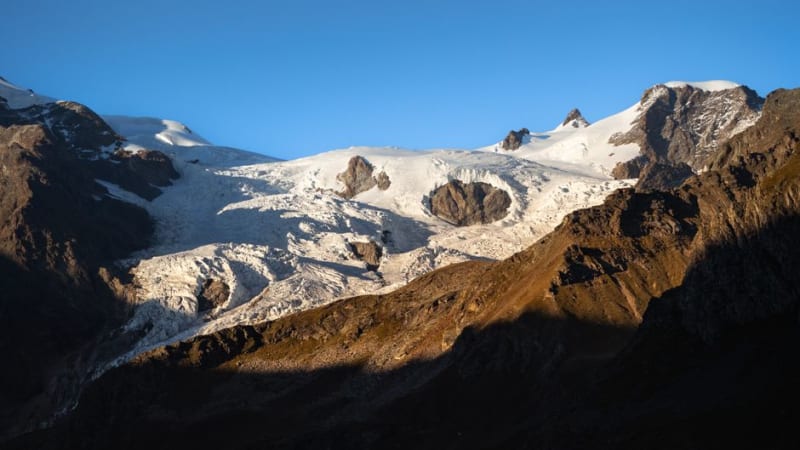 caucasus-mountains
 Chaukhi Massif
A jagged granite ridge above the village of Juta, nicknamed the Georgian Dolomites, that turns pink and gold in the last light of the day.
Explore caucasus-mountains
 Dariali Gorge
The ancient passage through the Caucasus where the Terek river has carved a canyon so narrow and sheer it was once considered the literal gate between Europe and Asia.
Explore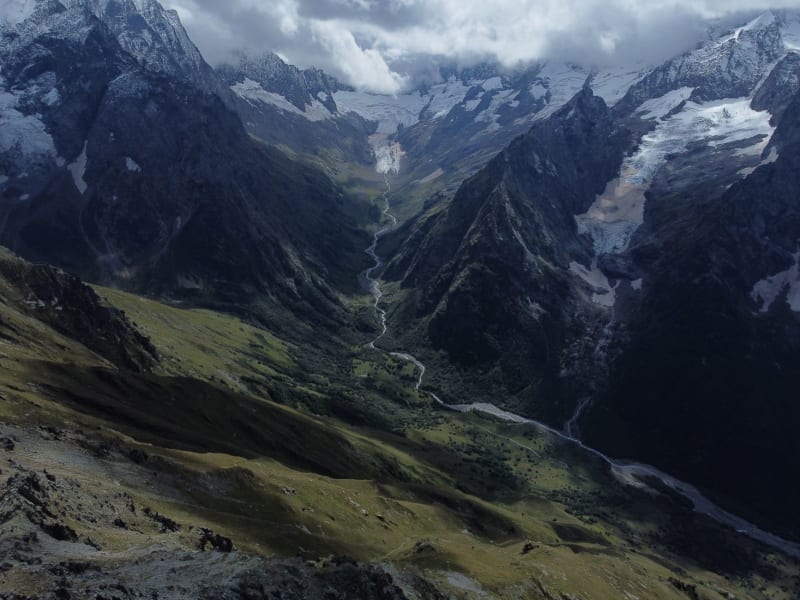 caucasus-mountains
 Dombay
A Soviet-era mountain resort in the Russian Caucasus where the vertical rises over 3,000 meters and the forests below the glaciers are so dense they muffle all sound.
Explore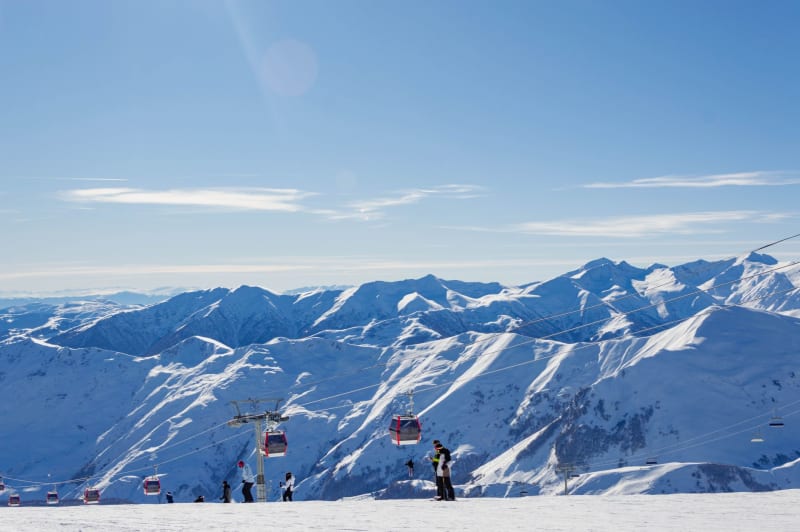 caucasus-mountains
 Gudauri
A high Caucasian plateau at 2,200 meters where Georgia's best skiing happens in winter and paragliders hang in the thermals all summer long above a gorge that drops a thousand meters straight down.
Explore