Europe
Bulgaria
"Bulgaria is what the Balkans were before everyone started flying Ryanair."
A Balkan country where Orthodox monasteries cling to forested mountains, ancient Thracian tombs surface in wheat fields, and Black Sea beaches still feel like they belong to the locals.
I arrived in Sofia on an overnight train from Belgrade, stepping onto the platform at 6am into a city that smelled of bread and diesel and something sweetly floral I couldn’t identify. The women at the bakery next to the station were already pulling out banitsa — those warm, cheese-stuffed pastry spirals — and handing them to commuters through a window the size of a school locker. I ate two standing on the pavement, burned my fingers, and understood immediately that Bulgaria was going to feed me well.
Sofia is a curious capital: layers of empire stacked without apology. A Roman rotunda converted into a Byzantine church, wrapped by an Ottoman mosque, flanked by a communist-era department store — all within walking distance of Alexander Nevsky Cathedral, whose neo-Byzantine dome dominates the skyline like a benevolent gold helmet. But what surprised me most was how unhurried the city felt for a European capital. People sat in the park for hours. Nobody seemed to be performing being on their way somewhere important. The antique markets on Graf Ignatiev Street on a Sunday morning, with pensioners selling Soviet cameras and embroidered tablecloths alongside genuinely beautiful Thracian-era silver replicas, had the feeling of a city comfortable in its own skin.
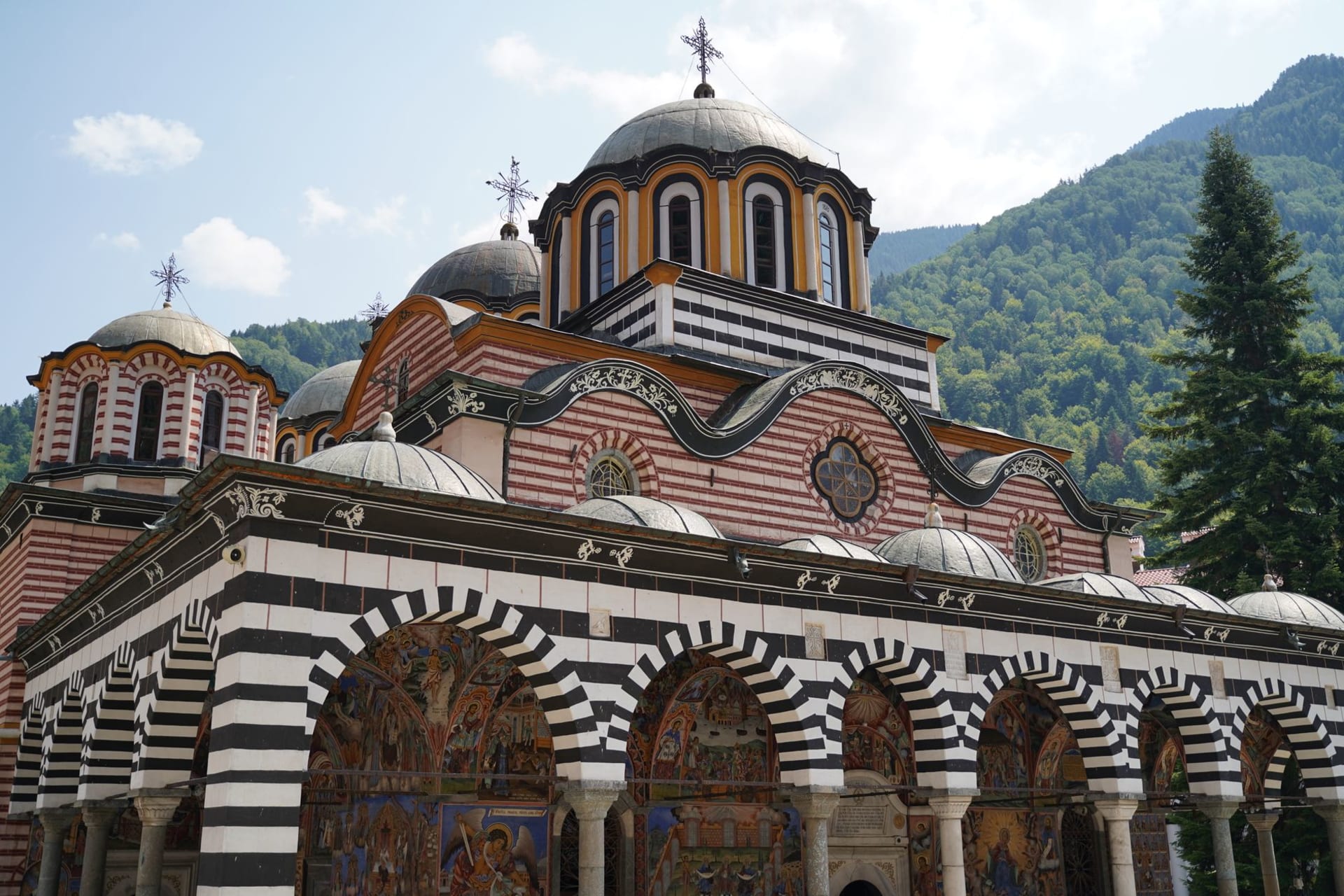
Beyond Sofia, Bulgaria opens into something more wild than the map suggests. The Rila Monastery, a UNESCO site that could easily become a packaged day-trip checkbox, hit differently when I stayed overnight in the monastery’s guesthouse and walked the courtyard at dusk as the last tour buses pulled away. The painted arcades — every inch covered in frescoes of saints and demons — take on a different intensity in low light. Up in the Rhodope Mountains, the villages feel genuinely remote: smoke from wood stoves, dogs that own the streets, a local rakia that could strip varnish. On the Black Sea coast, I found beaches at Sinemorets and around Cape Kaliakra that had none of the infrastructure of Croatia or Greece — no sunbed empires, no cocktail menus — just sand, cliffs, and people who drove there from Plovdiv for the weekend.
When to go: May and June for the roses — the Valley of Roses near Kazanlak is harvested in early June and the smell is genuinely otherworldly. September and October are ideal for the mountains and the wine country around Melnik. July and August on the coast are popular but manageable compared to the Adriatic.
What most guides get wrong: They frame Bulgaria as a budget alternative to somewhere else — cheap Prague, affordable Greece. That framing undersells it and misses the point. Bulgaria is not a substitute for anywhere. The Thracian heritage, the Orthodox traditions, the specific texture of Balkan mountain food — kyufte, tarator, shopska salad with that crumbled white sirene cheese — belong to nowhere else. Come for what it is, not for what it costs.
Explore
Places in Bulgaria
 bulgaria
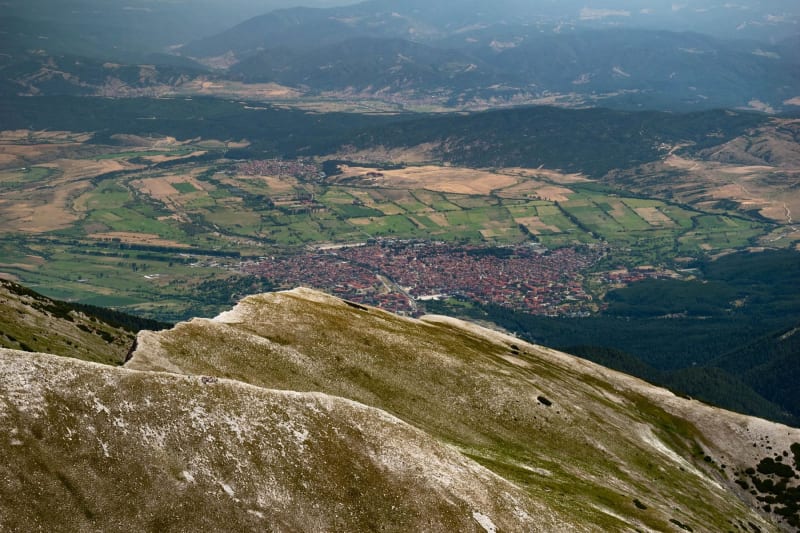
 Bansko
Bulgaria's premier ski resort sits beneath Pirin's dramatic peaks, pairing world-class slopes with a stone-paved old town full of mehanas.
Explore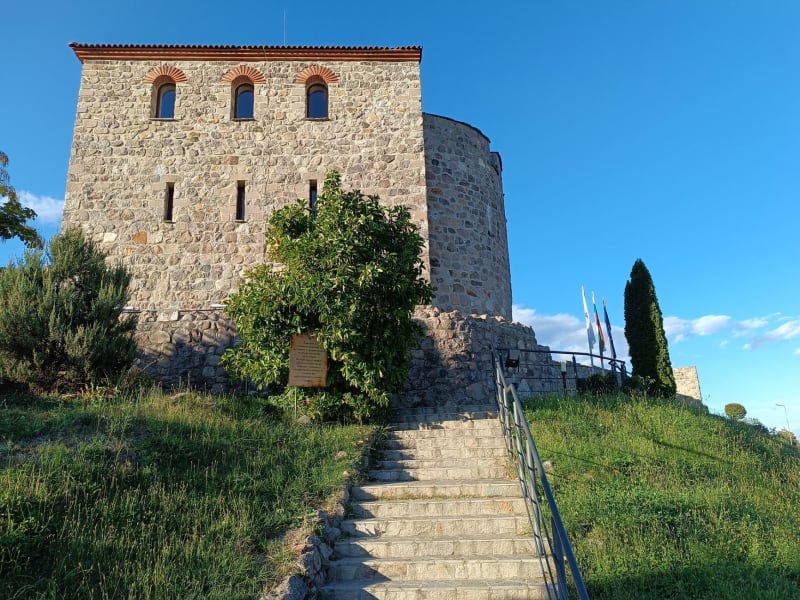 bulgaria
 Belogradchik
In Bulgaria's neglected northwest corner, orange sandstone formations rise eighty meters from the earth and an Ottoman fortress grows directly out of the rock, making the whole landscape feel like a collaboration between geology and military architects.
Explore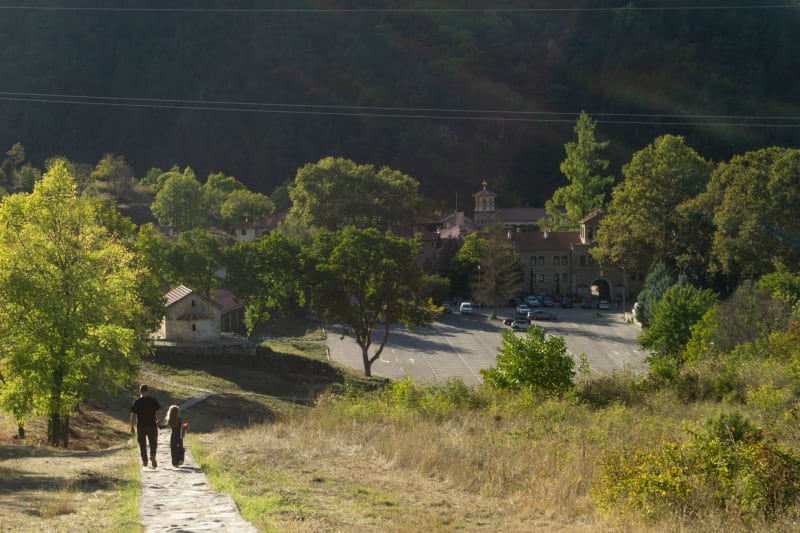 bulgaria
 Koprivshtitsa
A mountain town of painted timber houses where Bulgaria's 1876 uprising began with a single shot fired off a stone bridge.
Explore bulgaria
 Melnik
Bulgaria's smallest town sits at the bottom of a valley carved through sandstone pyramids near the Greek border, producing a local wine that's been exported since the medieval period and a silence so complete it's almost audible.
Explore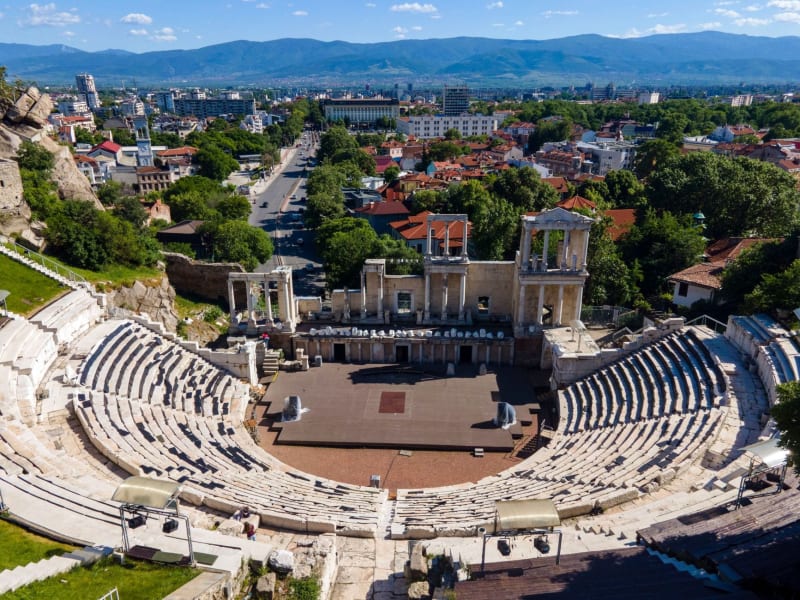 bulgaria
 Plovdiv
Built across seven hills and settled since the Neolithic era, Bulgaria's second city is a canvas of Roman theatres and colorful revival houses.
Explore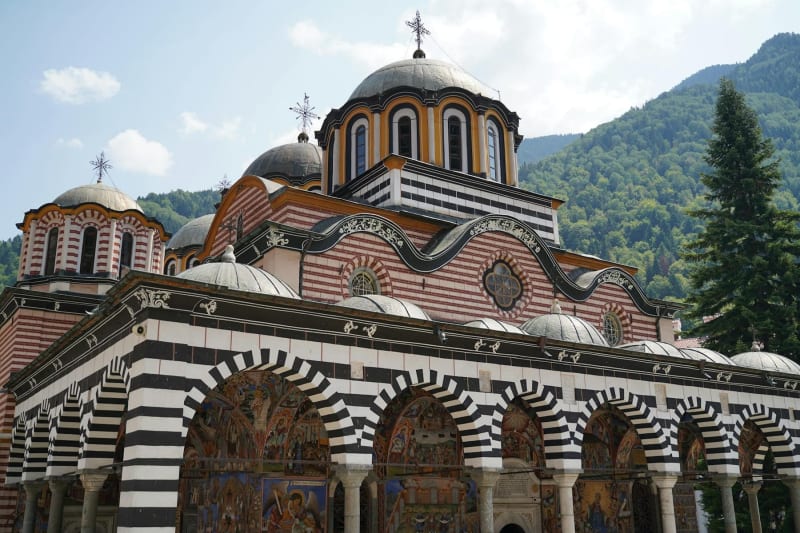 bulgaria
 Rila Monastery
Nestled in forested mountain gorges, Bulgaria's spiritual heart blazes with striped arches and frescoes that stun even the most secular visitor.
Explore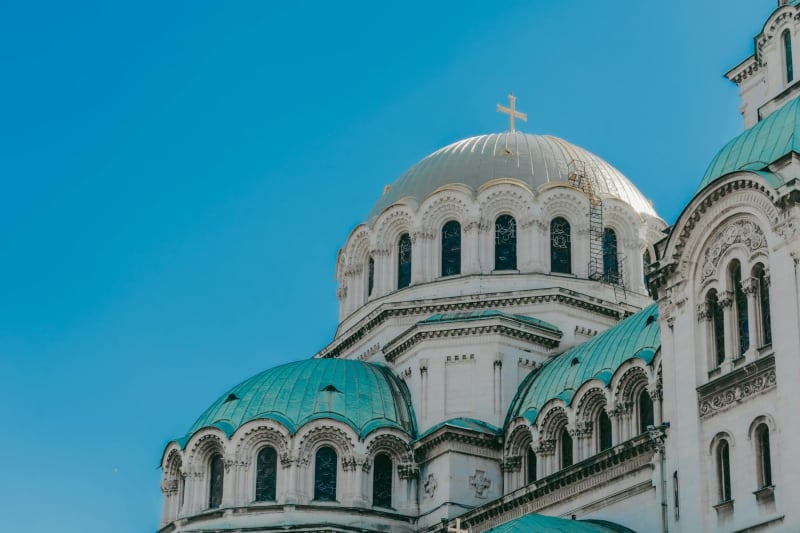 bulgaria
 Sapareva Banya
A Bulgarian spa village with Europe's only inland geyser, steaming beside trails into the Rila mountain foothills.
Explore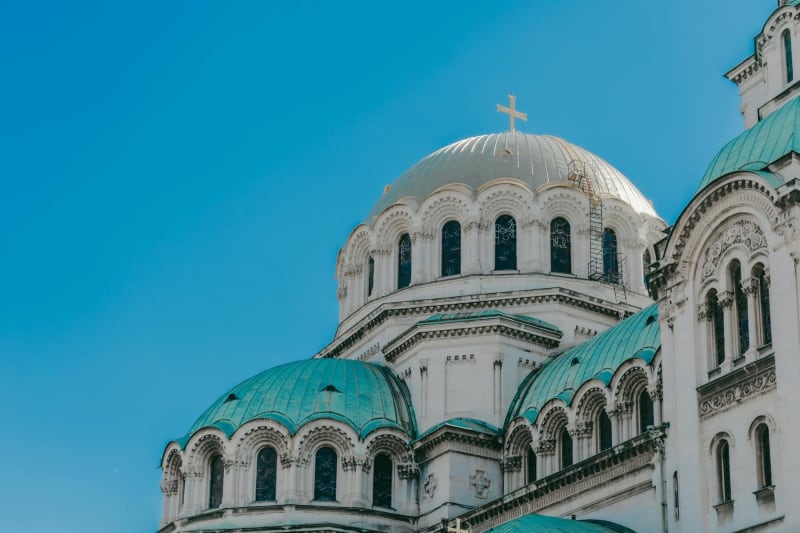 bulgaria
 Sofia
Eastern Europe's most underrated capital layers Roman ruins beneath Orthodox churches and Soviet-era grandeur, all at bargain prices.
Explore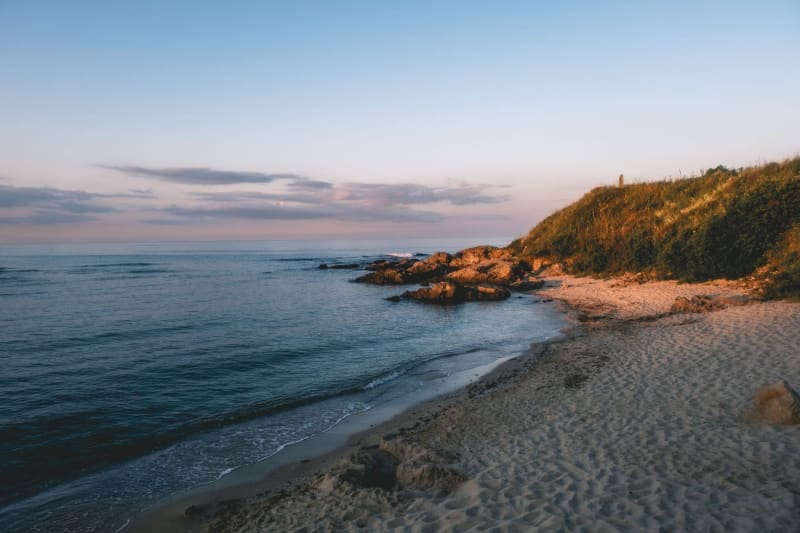 bulgaria
 Sozopol
An ancient Thracian fishing town on the Black Sea, where cobblestone lanes wind between wooden houses and the sea glows amber at dusk.
Explore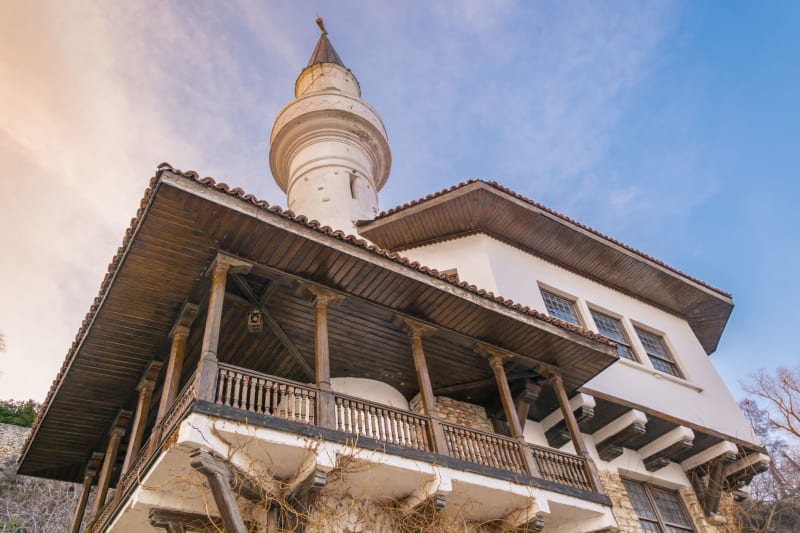 bulgaria
 Varna
Bulgaria's Black Sea capital carries six thousand years of layered history beneath its beach-town surface, from Thracian gold to Roman thermae to a sea garden that smells of linden blossoms in June.
Explore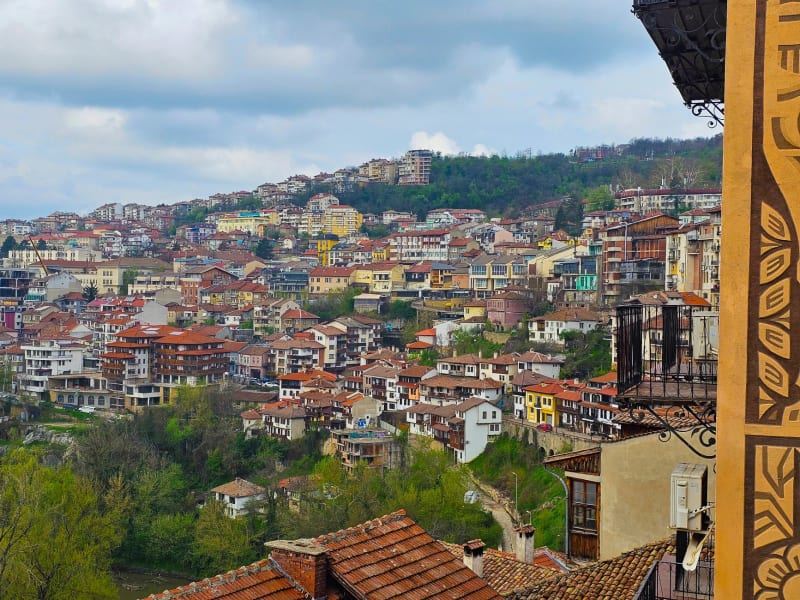 bulgaria
 Veliko Tarnovo
Bulgaria's medieval capital hangs over a horseshoe canyon cut by the Yantra River, its fortress towers catching the last light while crows wheel below them.
Explore