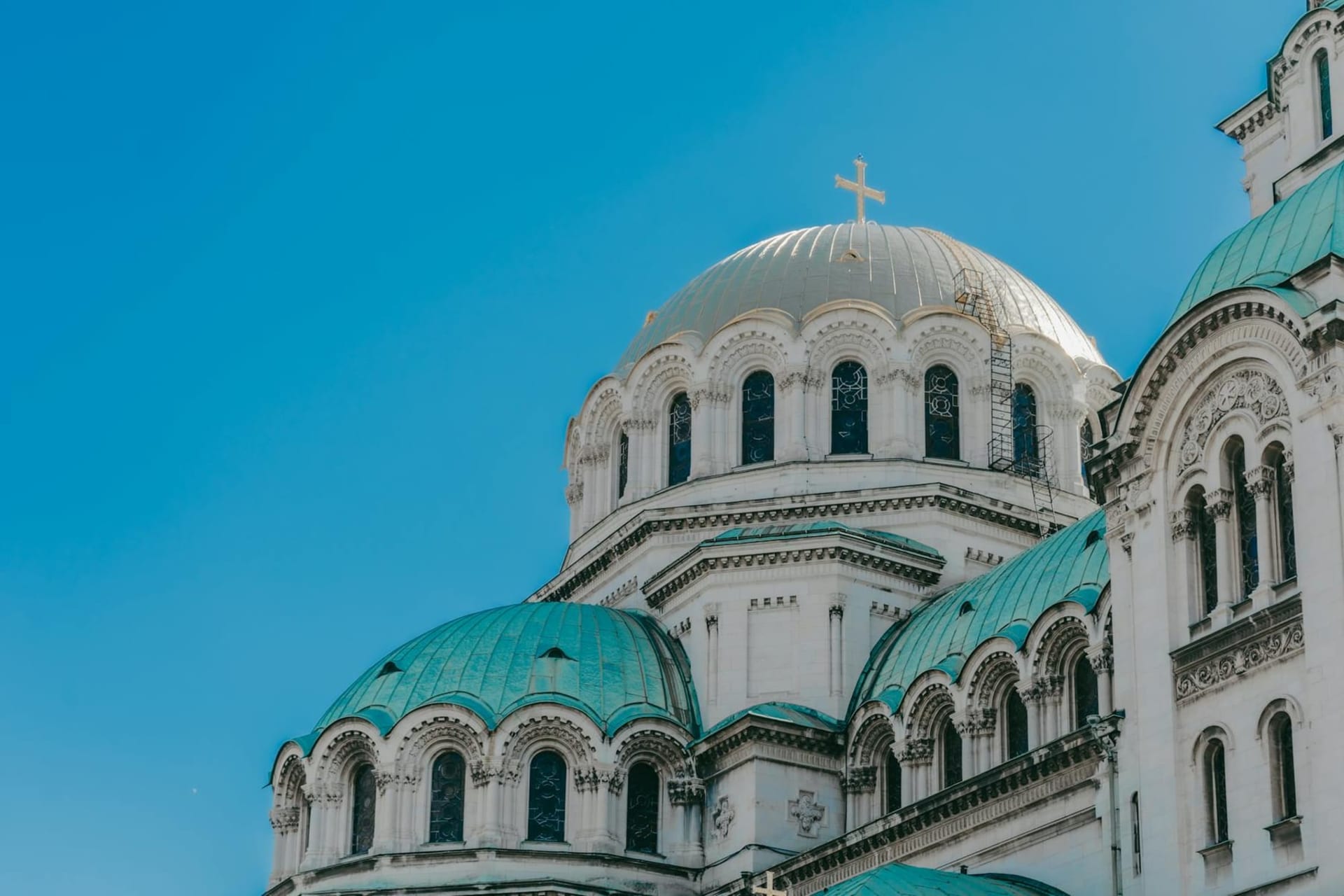
Sapareva Banya
"Europe's only inland geyser is in a Bulgarian garden. Nobody planned that."
A Bulgarian spa village with Europe's only inland geyser, steaming beside trails into the Rila mountain foothills.
Nobody told me the geyser would be in someone’s backyard. I had imagined something dramatic — a national park, a viewing platform, a queue of school groups with laminated fact sheets. What I found instead was a column of steaming water erupting from a stone basin beside a municipal garden on ulitsa Iskarsko Shose, chickens audible somewhere nearby, an old man walking a dog who did not look up. Sapareva Banya has been entirely unbothered by its own improbability.
The Water That Comes From Below
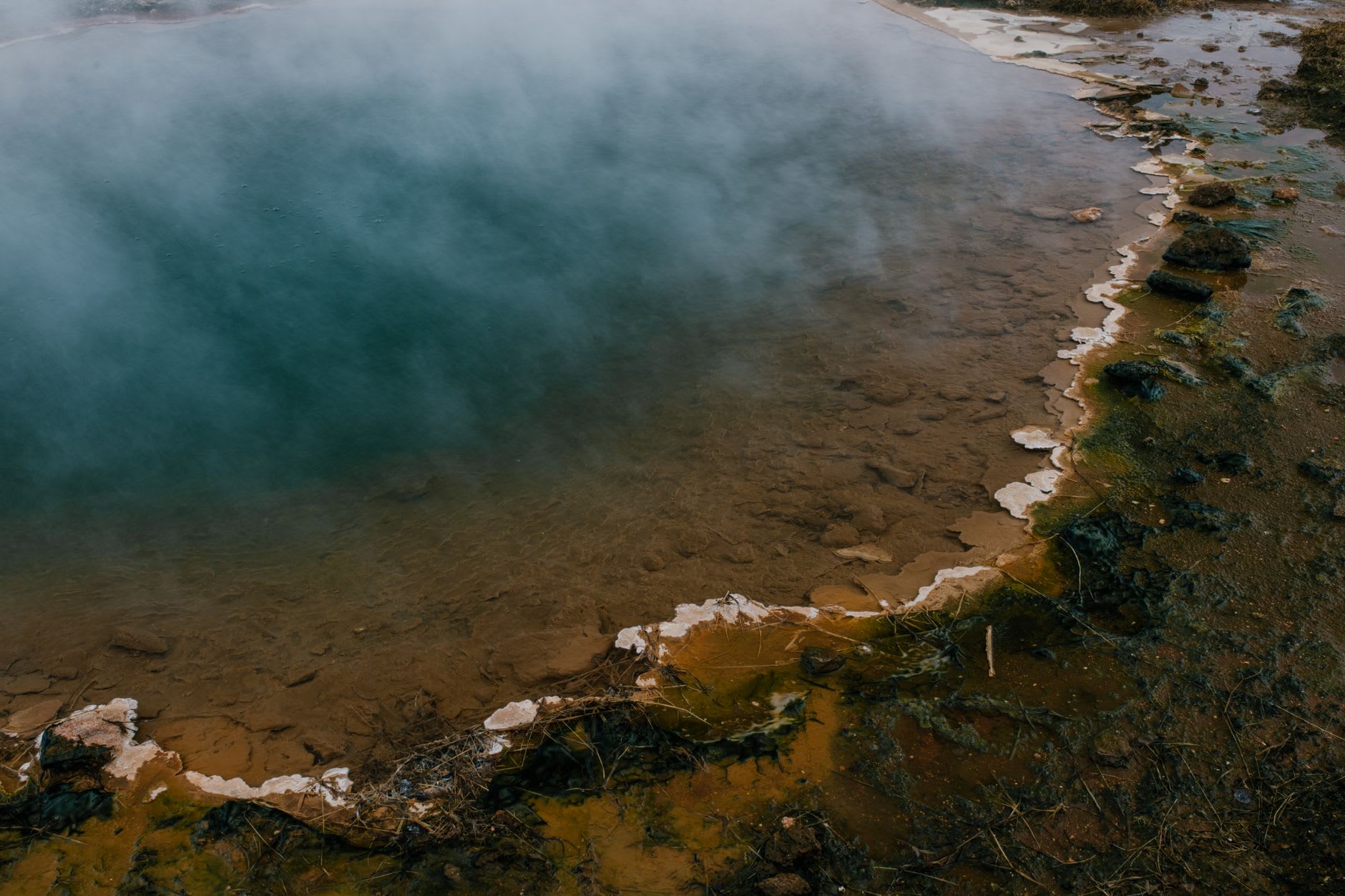
The geyser here reaches temperatures of around 103 degrees Celsius — the hottest in Bulgaria, among the hottest spring waters in Europe — and it has been doing this, more or less continuously, since before anyone decided to name the village around it. The water smells faintly of sulfur and hot stone, and standing close to the spray on a cool morning, the mist covers your face in something that feels genuinely ancient. Lia pressed her hand near the basin and said it felt like holding a radiator from the inside.
The thermal water feeds the public baths on the main street — modest, tiled, Soviet in their honesty — where locals come not for spa tourism but because this is simply what the water does here. I paid almost nothing to soak for an hour in a private cabin, the temperature sitting somewhere between pleasant and punishing, and emerged onto the street with my face the color of a smacked tomato and a strange, floating calm.
Into the Rila Foothills
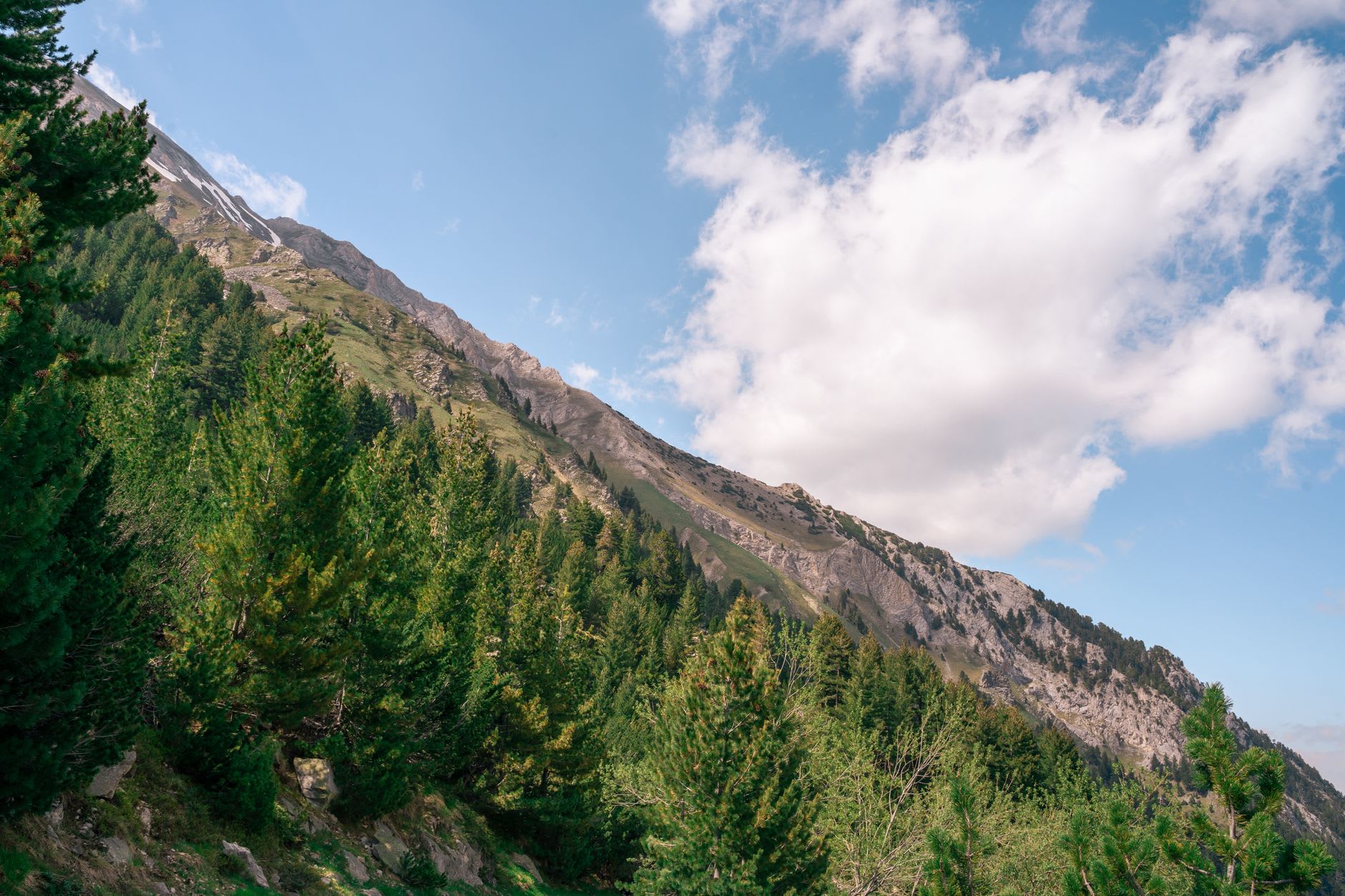
The village sits at around 800 meters, close enough to Rila that the trails begin almost before the houses end. I walked the path toward Ovchartsi and then up through pine stands into the first real elevation, the air going colder and sharper with every hundred meters. Below, Sapareva Banya disappeared into its own steam. The light up here in early October was the thin, exhausted gold of a season running out of time.
There are more ambitious trails connecting to the Rila Monastery area, but what I wanted was this: the village small and quiet below, the smell of pine resin and woodsmoke, nothing else demanding attention. I ate banitsa — warm, flaky, the cheese inside still pulling apart in long strings — from a bakery on the central square before setting out, and carried the warmth of it for most of the morning.
What the Village Holds
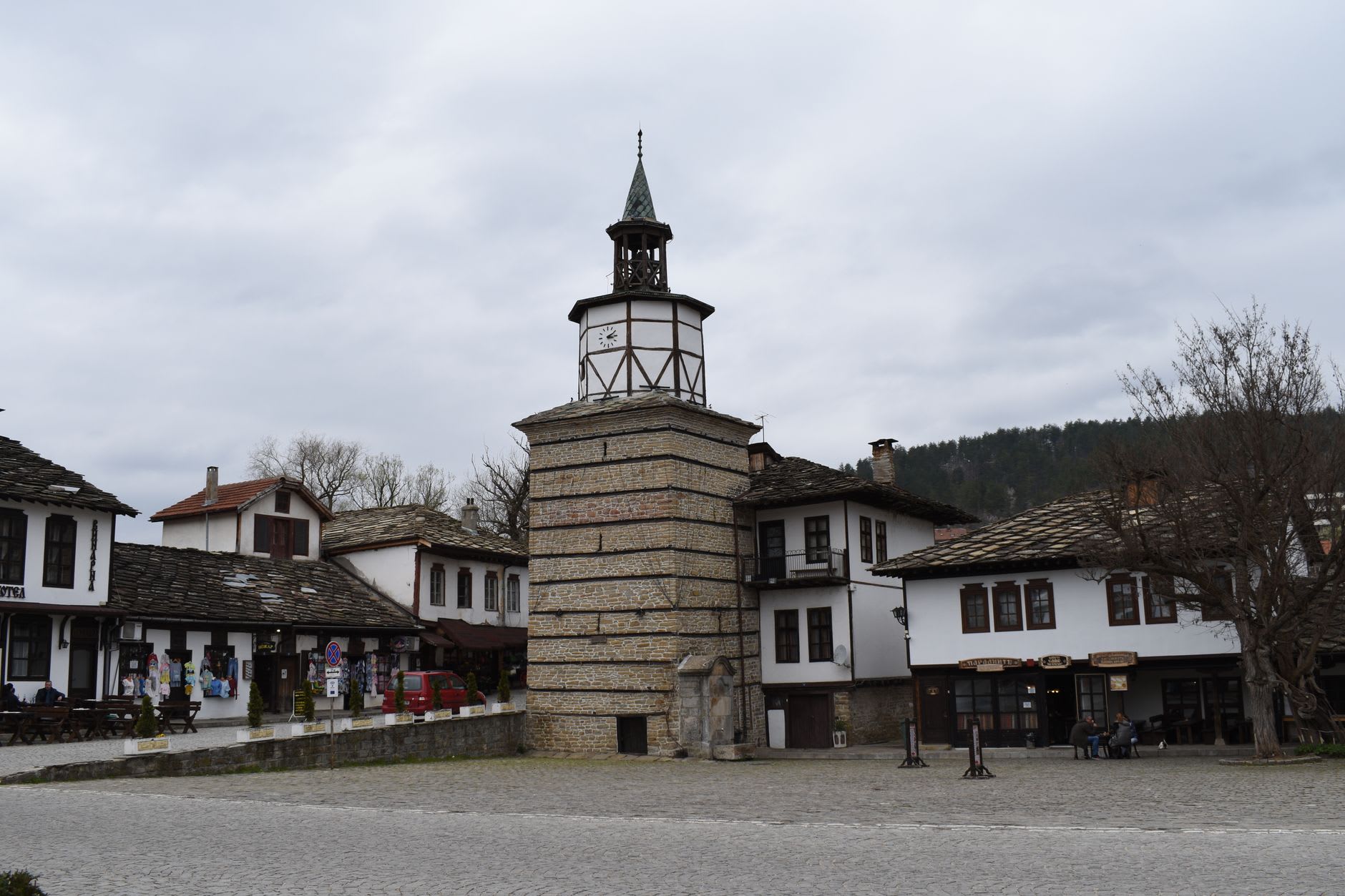
Sapareva Banya is small enough that a wrong turn becomes a discovery rather than an inconvenience. I found a house on one of the side streets with an entire wall covered in dried herbs — bundles of thyme, yarrow, and something I couldn’t name — hanging from wooden pegs under the eaves. The owner appeared, assessed me for a moment, and handed me a paper bag of chamomile without being asked. I paid what felt right and she seemed neither pleased nor displeased, the transaction complete on terms I didn’t fully understand.
There is a small ethnographic museum near the geyser that holds tools, textiles, and photographs from the surrounding villages — worth an hour if only for the photographs, which show a mountain life of genuine difficulty rendered with total matter-of-factness.
When to go: Late spring through early October offers the best combination of open trails and warm enough days to appreciate the contrast between the heated water and the cool mountain air. September is ideal — the summer visitors have thinned and the Rila foothills begin their slow turn toward amber.