Belogradchik
"I'd seen pictures and still wasn't prepared for how strange it actually is — the rocks don't look like rocks, they look like something decided."
Belogradchik requires intention. There’s no casual route that passes through it, no train, no obvious reason to end up in this corner of northwest Bulgaria unless you came specifically to see the rocks. Which is exactly why it stays strange.
I came from Sofia on a regional bus that took three hours and smelled of warm plastic. The driver dropped me in the town square — a square that could fit comfortably inside a single block of central Sofia — and I walked uphill through residential streets until the formations began to appear above the rooftops. Even then I was underestimating them.
What the Rocks Actually Are
The Belogradchik Rocks are a field of sandstone and conglomerate formations that cover about 90 square kilometers across the surrounding hills. They’re the result of around 230 million years of sediment layering, uplift, and differential erosion — limestone dissolving where it’s soft, harder sandstone remaining. The result is an array of towers, arches, and pillars ranging from a few meters to nearly ninety meters tall, their surface a deep orange-red that darkens to burgundy in the late afternoon.
The Bulgarians have named many of them. There’s a formation called the Madonna, another called the Monks, one called the Schoolgirl. Once you know the names you start to see the resemblances. The naming seems to have been done over centuries by people who lived next to them and needed to organize them in their minds.
The Fortress Built Into Them
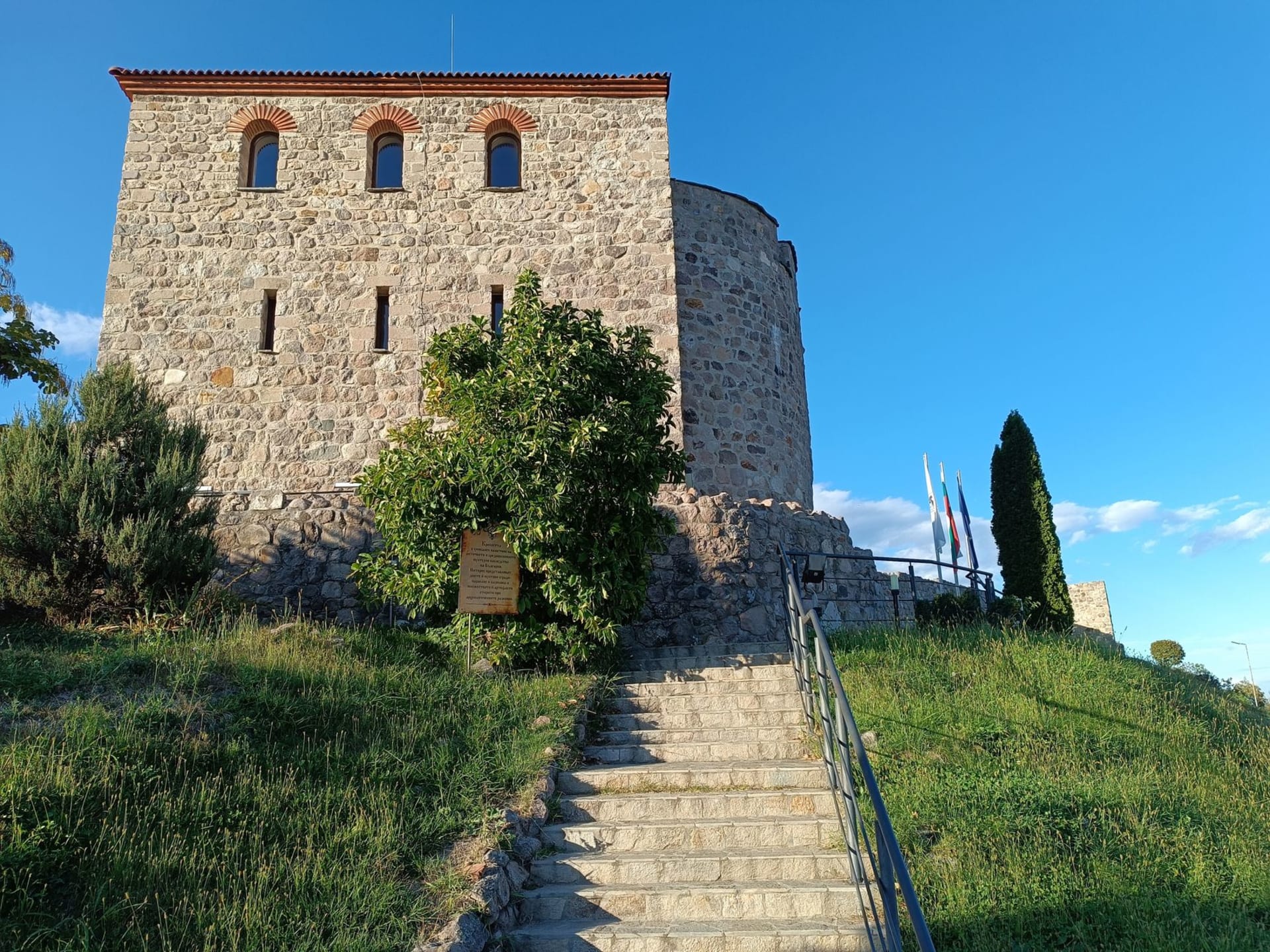
The Romans recognized the defensive value of this terrain first and built an initial fortification here in the first century. The Byzantines reinforced it, the Bulgarians held it, and the Ottomans expanded it dramatically in the nineteenth century. What makes the Belogradchik fortress unusual is that the builders didn’t clear the rocks — they built around them and through them, using the formations as walls. Boulders the size of houses become towers. The rock surface IS the fortification in several sections.
Walking through it, you’re constantly switching between man-made stonework and pure geology, and the seam between them is not always obvious. I found myself touching walls trying to determine which category they fell into. The answer was often both.
The Silence and the Goats
There were fourteen other visitors the entire day I spent there. I counted. A French couple, a German family with two tired children, some Bulgarians from Sofia on a weekend trip. The rest of the time I had the formations and the surrounding trails nearly to myself.
This is real hiking country — dirt paths wind up through the rocks and the surrounding forest, which smells of pine resin in the heat. I came across a herd of goats being moved along a trail by an old man with a stick who didn’t look up as I pressed myself against a boulder to let them pass. Bells clanking against rock. The smell of goat and warm earth.
The town itself is minimal: a few guesthouses, a couple of mehanas serving grilled meat and local shopska salad, a small natural history museum near the entrance to the fortress. You don’t come here for urban pleasures. You come here because the landscape is genuinely unlike anything else in Bulgaria and very few people are making the effort to see it.
When to go: May and early October are ideal — mild temperatures for walking, good light on the formations in the slanted sun, and essentially no crowds. Summer is fine but hot; the rocks absorb heat and the climbs become grinding by midday. Avoid January through March unless you want the formations under snow, which is actually beautiful but limits access to trails.