Asia
Bangladesh
"Everyone warned me off it. Everyone was wrong."
A delta nation of 700 rivers where life is lived on the water and the chaos of Dhaka hides one of the most quietly beautiful landscapes on earth.
I landed in Dhaka on a Tuesday evening in October, the tail end of monsoon season, and within twenty minutes of leaving the airport I was certain I’d made a mistake. The traffic was not traffic — it was a slow-motion argument between rickshaws, buses, and CNG three-wheelers, all competing for the same ten square meters of road. The air smelled of diesel and something frying. A man on a bicycle was somehow overtaking a truck. I sat in the back of a taxi going nowhere, sweating, and thought: why didn’t I go to Vietnam like everyone else?
By the third day, I didn’t want to leave.
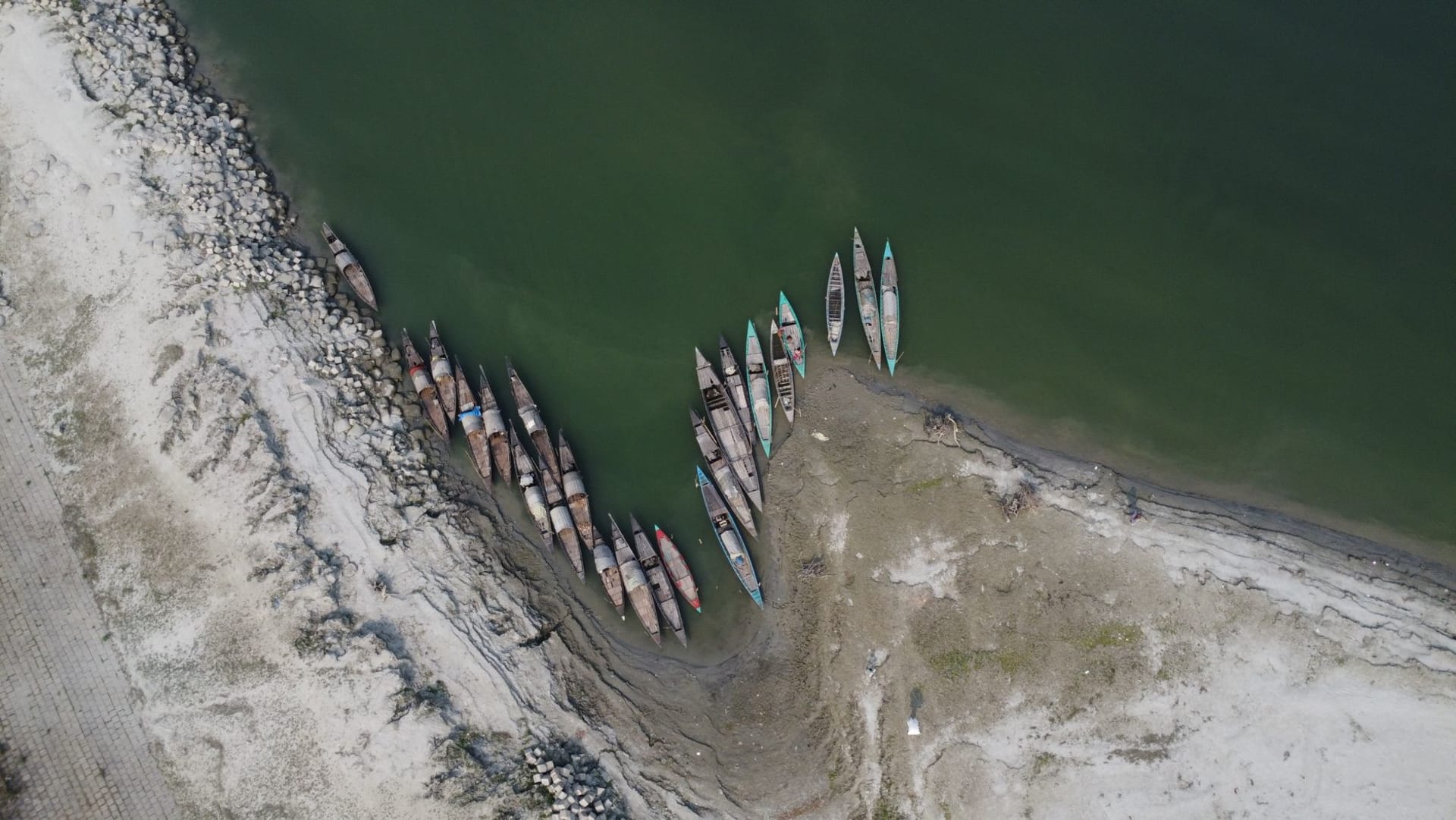
Bangladesh does not seduce you gently. It hits you in the face first and wins you over slowly — through the extraordinary warmth of people who are genuinely surprised and pleased that you came, through food so good it embarrassed me for every curry I’d ever eaten in France, and through a landscape so purely itself that it felt like being let in on something secret. I took a rocket steamer south from Dhaka toward the Sundarbans — the world’s largest mangrove forest, straddling the border with India — and spent two nights watching the country slide by in the grey early-morning light. Villages built right to the riverbank. Children bathing in water that reflected a pink-orange sky. Fishermen casting nets with the kind of unhurried confidence that comes from doing the same thing every day for generations.
The Sundarbans themselves are something else entirely. Dense, humid, quietly threatening. The ranger told me there are roughly a hundred tigers in the Bangladeshi side. I didn’t see one, but I saw pugmarks in the mud along a narrow channel and felt my pulse in my throat. We cooked rice on the boat and ate with our hands and I slept on a wooden deck under a mosquito net, listening to water and insects. It cost almost nothing and felt like everything.
Dhaka is worth two full days before or after — not to sightsee exactly, but to eat. Kacchi biryani in Old Dhaka, the real version, with beef or mutton slow-cooked inside the rice until the fat renders into the grain. Fuchka from a street stall at dusk, that crunch, the tamarind water sour on your tongue. Go to the Lalbagh Fort in the morning before the heat. Take a rickshaw through the old city even if it terrifies you. It probably will. Take it anyway.
When to go: October through February. The monsoon ends in September and the air clears into something breathable. December and January are the best months — mild, green, the rivers still full but manageable. Avoid June through August unless you specifically want to see what a country looks like when a third of it is underwater (it is, in its own way, remarkable).
What most guides get wrong: Bangladesh gets lumped in with “difficult” or “off the beaten path” destinations in a way that implies you’ll be roughing it or taking risks. The reality is that outside of the political demonstrations that occasionally paralyze Dhaka (check before you go, not obsessively), it is a straightforward country to travel. People speak enough English. There are good guesthouses. The food is safe and delicious. What guides underplay is how genuinely, almost embarrassingly, hospitable Bangladeshis are toward foreign visitors — and how little competition you’ll have for their attention. I was invited to three family dinners in eight days. That doesn’t happen in Thailand anymore.
Explore
Places in Bangladesh
 bangladesh
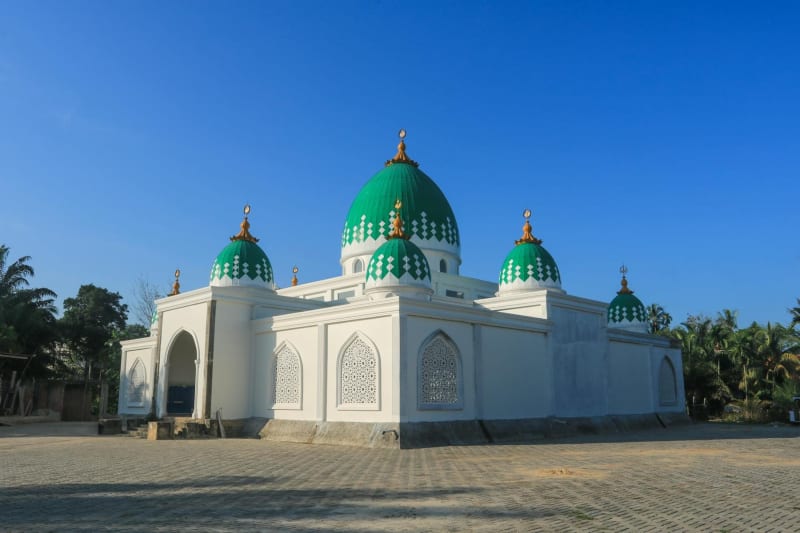
 Sixty Dome Mosque Bagerhat
A 15th-century mosque city of 360 domes rising from the jungle, Bangladesh's most important UNESCO site.
Explore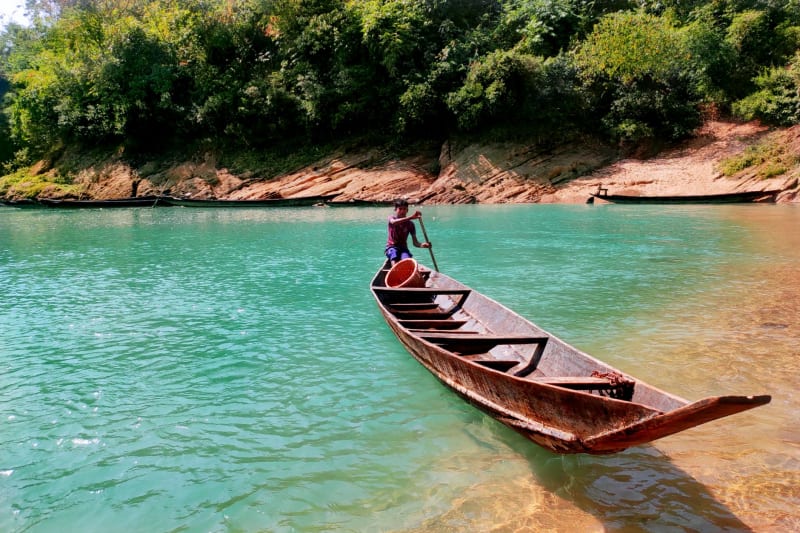 bangladesh
 Bandarban
Bangladesh's most remote hill district, where forested ridges shelter Marma and Bawm villages and Boga Lake sits impossibly blue at twelve hundred meters above the Bay of Bengal.
Explore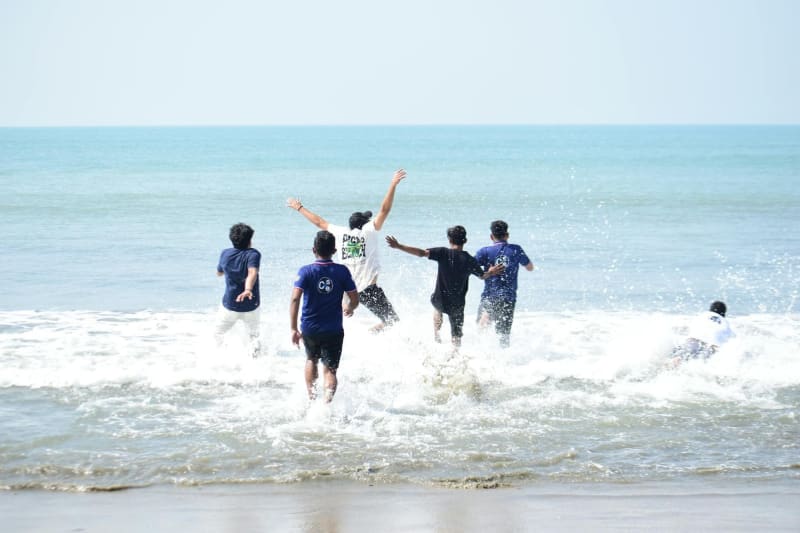 bangladesh
 Cox's Bazar
The world's longest natural sea beach, 120km of unbroken sand where local fishing boats outnumber foreign visitors.
Explore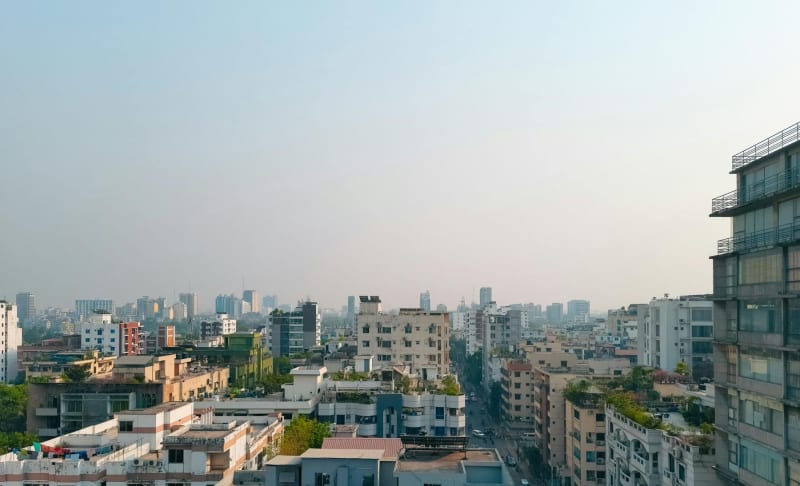 bangladesh
 Dhaka Old City
Ten million rickshaws and Mughal mosques in Puran Dhaka, the most chaotically alive city in South Asia.
Explore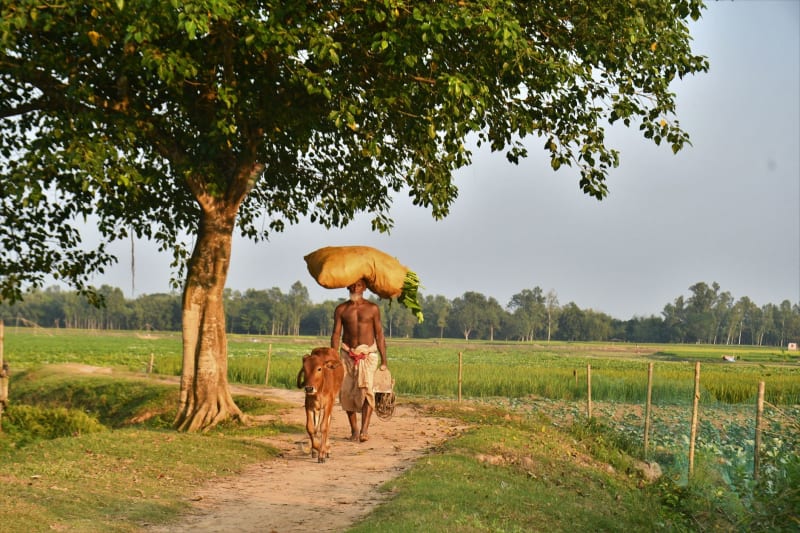 bangladesh
 Paharpur
A ninth-century Buddhist monastery rising from Bangladesh's flat northwest plains — the largest ancient building in South Asia south of the Himalayas, now mostly given to silence and terracotta.
Explore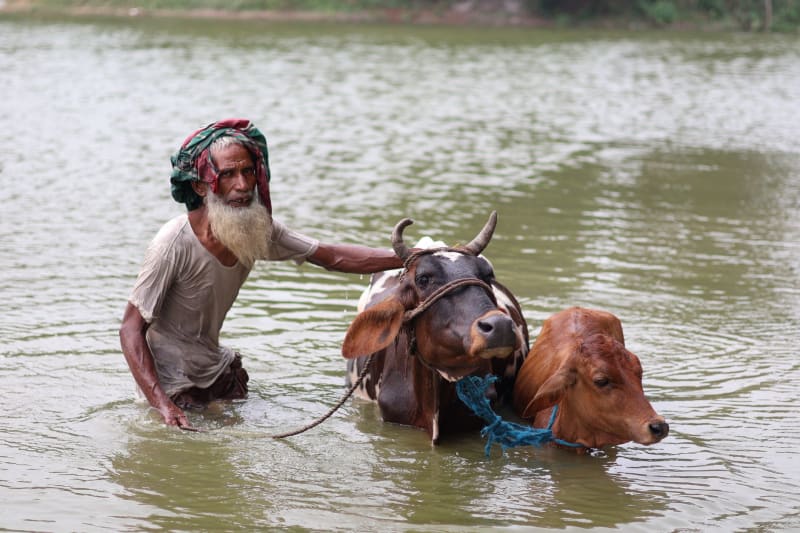 bangladesh
 Rajshahi
A quiet riverside city in Bangladesh's northwest known for the finest silk in Bengal, mango orchards older than the country, and a Hindu temple complex that most travelers never find.
Explore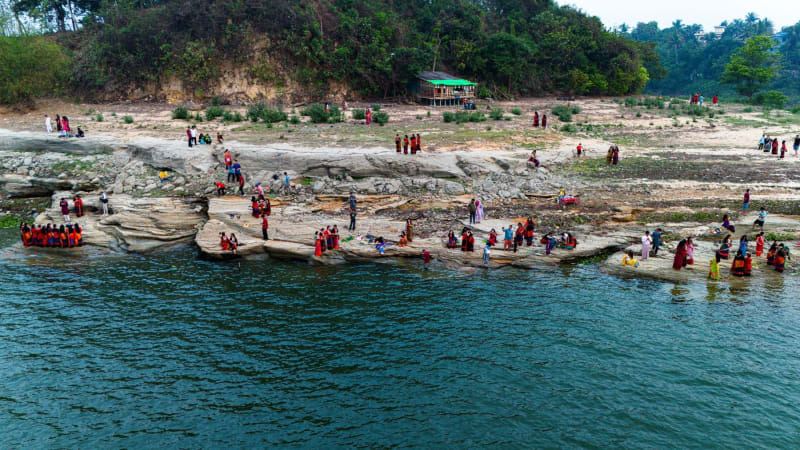 bangladesh
 Rangamati
Chakma tribal villages on stilts above the vast Kaptai reservoir, connected only by wooden boat.
Explore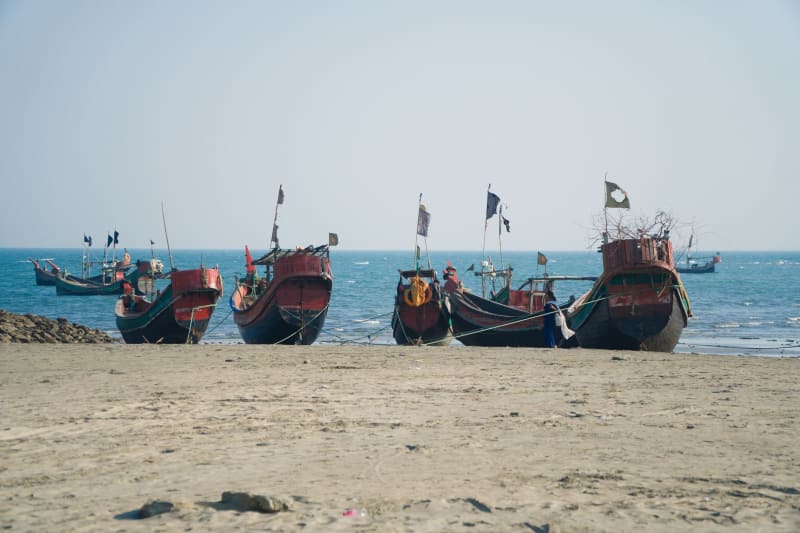 bangladesh
 Saint Martin's Island
Bangladesh's only coral island, a flat coconut-fringed sliver in the Bay of Bengal where the day-trippers leave at dusk and the night belongs to the fishermen and the stars.
Explore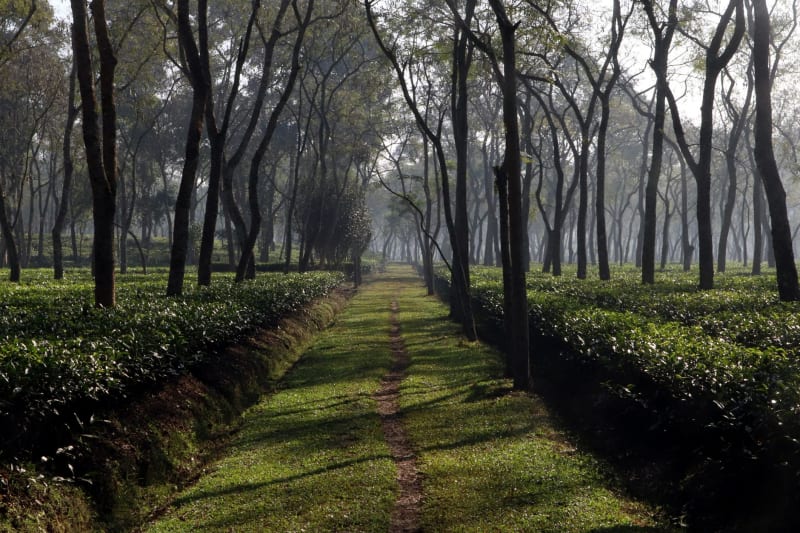 bangladesh
 Srimangal
Bangladesh's tea capital, where terracotta-red dirt roads cut through endless emerald estates and a single glass holds seven distinct layers of flavor.
Explore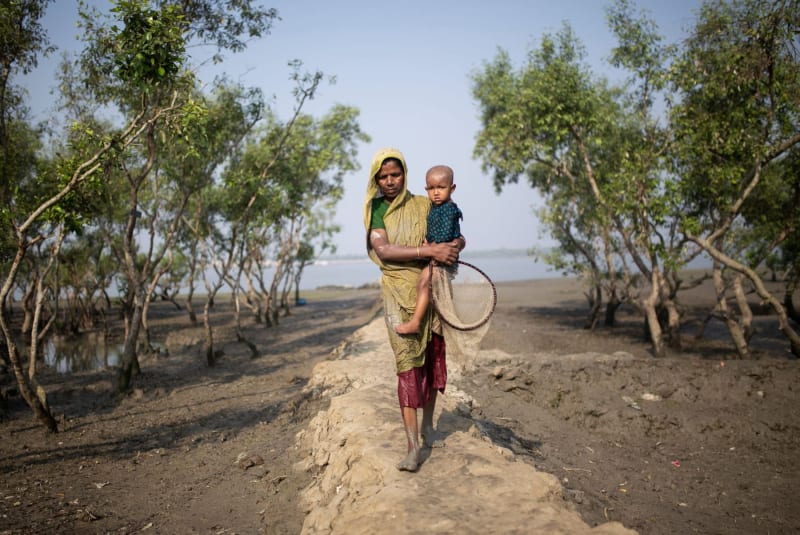 bangladesh
 Sundarbans
The world's largest mangrove delta where Bengal tigers swim between islands and kingfishers outnumber tourists.
Explore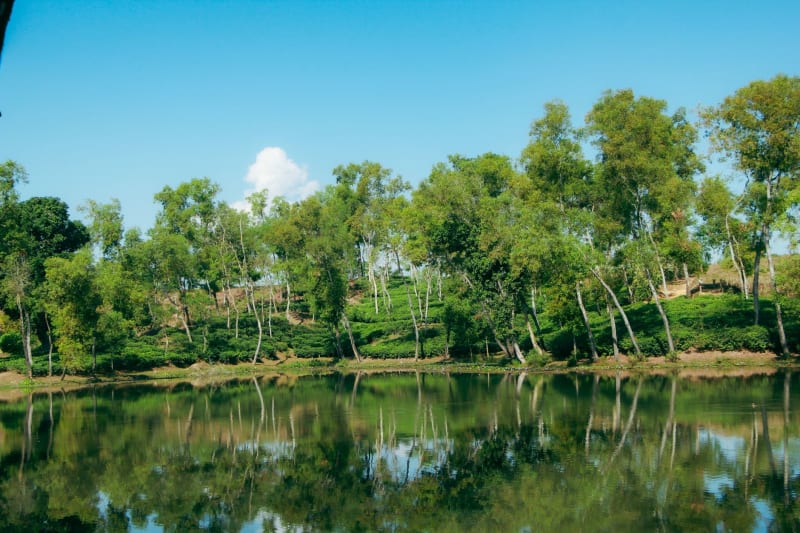 bangladesh
 Sylhet
A mist-wrapped northeastern city where Sufi shrines and jade-green rivers running with Khasi village stones make every morning feel like a slow discovery.
Explore