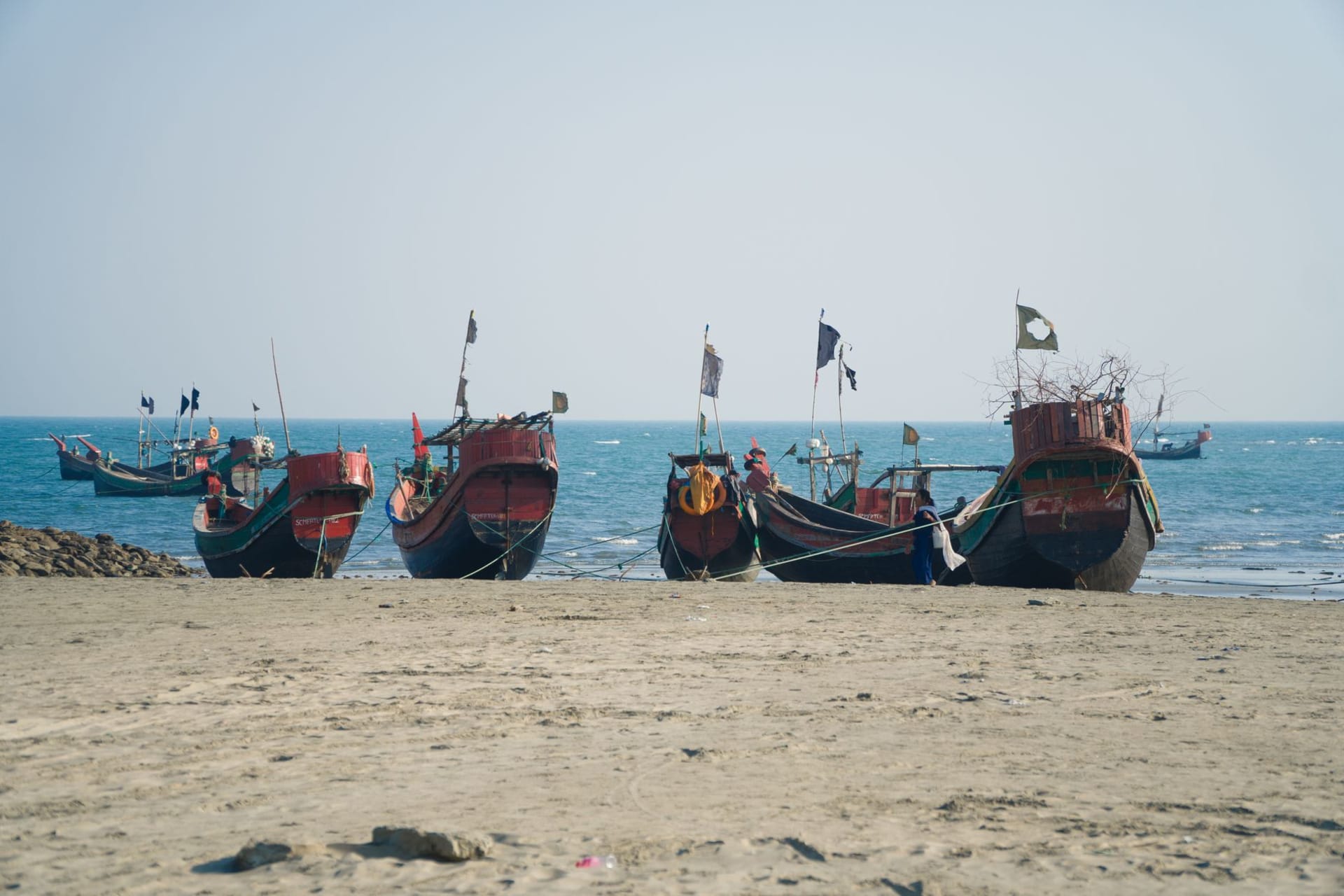
Saint Martin's Island
"When the last ferry left at four, the island exhaled, and so did we."
Saint Martin’s is the southernmost scrap of Bangladesh, a low coral island the locals call Narikel Jinjira — Coconut Island — sitting in the Bay of Bengal close enough to Myanmar that you can see the Naf estuary haze on a clear day. We came down from Cox’s Bazar to Teknaf and took the boat across, a few hours over choppy green water with a deck full of Bangladeshi holidaymakers playing music at maximum volume. The crossing was loud and joyful and slightly alarming. The island at the end of it was something else entirely.
The Day-Trip Tide
Here is the thing nobody tells you: most visitors come for the day and leave on the afternoon ferry, and the difference between Saint Martin’s at noon and Saint Martin’s at sunset is the difference between a fairground and a monastery. By day the main beach near the jetty is a cheerful chaos of food stalls frying up just-caught fish, vendors splitting coconuts, families wading fully clothed into the warm shallows. We ate grilled rupchanda — pomfret — straight off the coals, with rice and a fierce green chilli paste, sitting on a plastic stool with our feet in the sand.
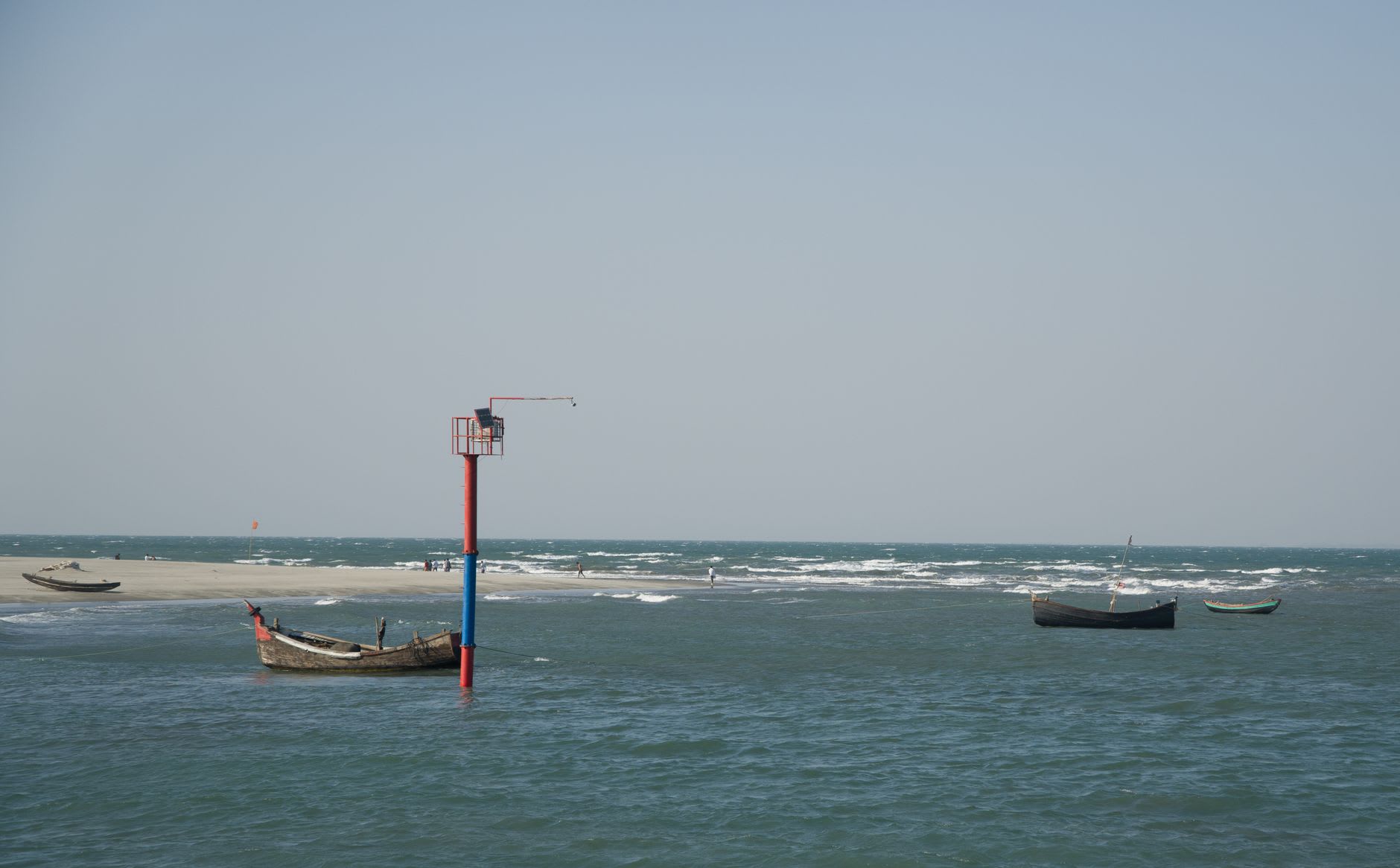
Then four o’clock came, the ferry horn sounded, and the crowd drained away in a single tide. Lia and I had decided to stay the night — there are simple guesthouses among the palms — and within an hour the island belonged to perhaps a few hundred residents, the fishermen mending nets, and us.
The Island After Dark
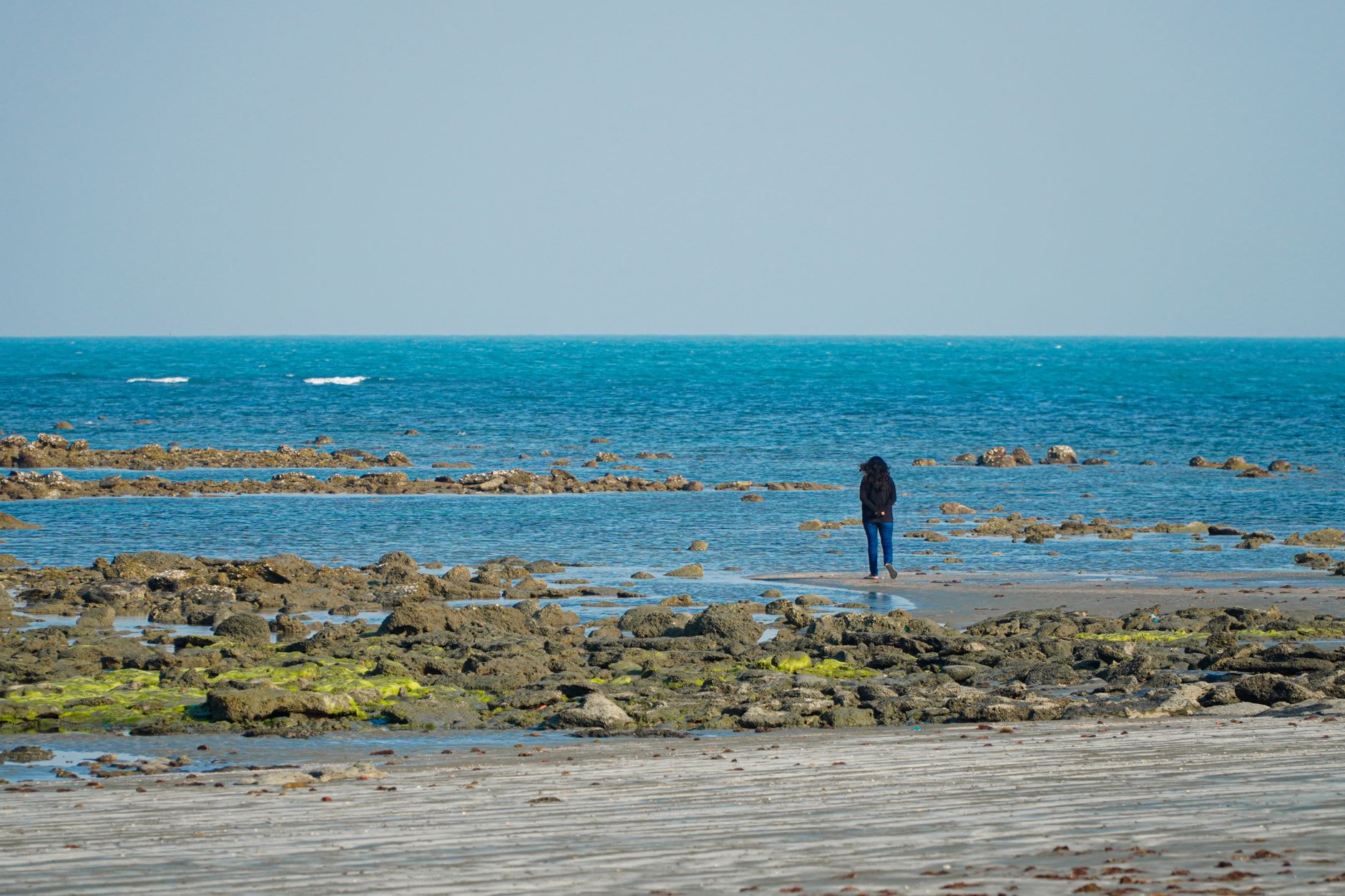
We walked the eastern shore as the light went, the coral rock pools full of small darting things, the palms leaning out over a sea turning from jade to lead to black. The fishing boats came in and were hauled up the sand by lines of men chanting in time. Dinner was lobster — absurdly cheap, pulled from a tank, grilled simply — eaten at a shack where the owner sat with us afterward and talked about how the cyclones come harder now, how the coral is bleaching, how the island shrinks a little each year.
That stayed with me. Saint Martin’s is fragile in a way the daytime crowds obscure — a flat coral island in a warming, rising sea, beautiful and visibly under threat. Later we lay on the still-warm sand and the sky over the Bay of Bengal was thick with stars, no light pollution to dim them, and I understood why people fight to protect this small, doomed, lovely place.
When to go: November through February only — the dry, calm season when the ferries run and the sea is gentle. The boats stop entirely during the monsoon, and the authorities now cap overnight visitors, so arrange permits and a guesthouse well in advance.