I planned our twenty days in Japan carefully, read too much, and still got a series of things wrong. Most of them were not disasters — Japan is a forgiving country to travel badly in — but each one cost us something, and all of them were avoidable. Here they are, in roughly the order they hurt.
1. We underestimated how much the hour matters
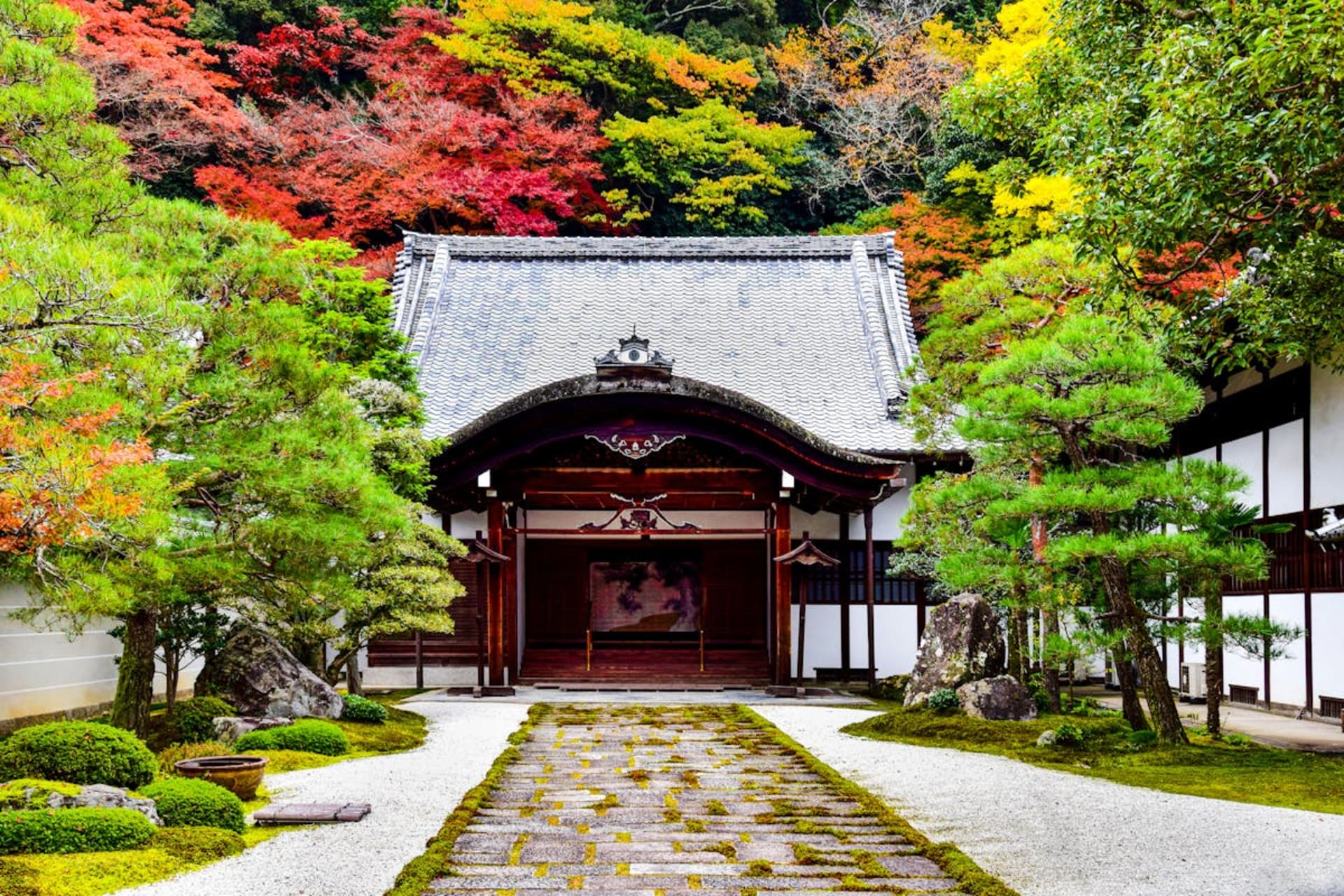
This is the big one, and it applies to almost every famous site in the country. Fushimi Inari at eight in the morning and at eleven are not the same place. Neither is the Arashiyama bamboo grove. Neither is Kiyomizu-dera.
We worked this out on day nine, which means the first week of sightseeing was done at the wrong hour. The fix costs nothing but an alarm. If I could give one piece of advice about Japan, it would be this one, and it would be the whole message.
2. We gave Osaka too little credit in the planning
I built the itinerary assuming Osaka was a food stop. It is the best eating city in the country and the part of the trip I was least ready to leave. We ended up with six days there almost by accident and I would have planned them deliberately.
Most itineraries give Osaka a day and a half. That is a mistake inherited from other people’s itineraries, copied forward.
3. We nearly cut the best day for scheduling reasons
The day we took the Eizan Railway to Kurama, walked the mountain trail, and ate on a platform above the river at Kibune was my favourite day in Japan. It was also the day most at risk of being cut, because it was a whole day and did not contain anything famous.
Whatever your version of that day is, protect it. The itinerary will always argue against it.
4. We booked too tightly
Everything is reachable in Japan, so the temptation is to book everything. Our best days were the unbooked ones. Leave two days in a two-week trip with nothing in them and decide over breakfast.
5. We assumed the JR Pass was automatically worth it
It used to be a near-automatic yes. After the price rise it is genuinely a calculation, and for our route — long stays in three cities rather than constant movement — it was not clearly the right answer. Work out your actual journeys and price them individually before buying. Also note the fastest Tokyo–Kyoto service is not covered by the pass, which surprises people at the platform.
6. We did not bring cash for the good places
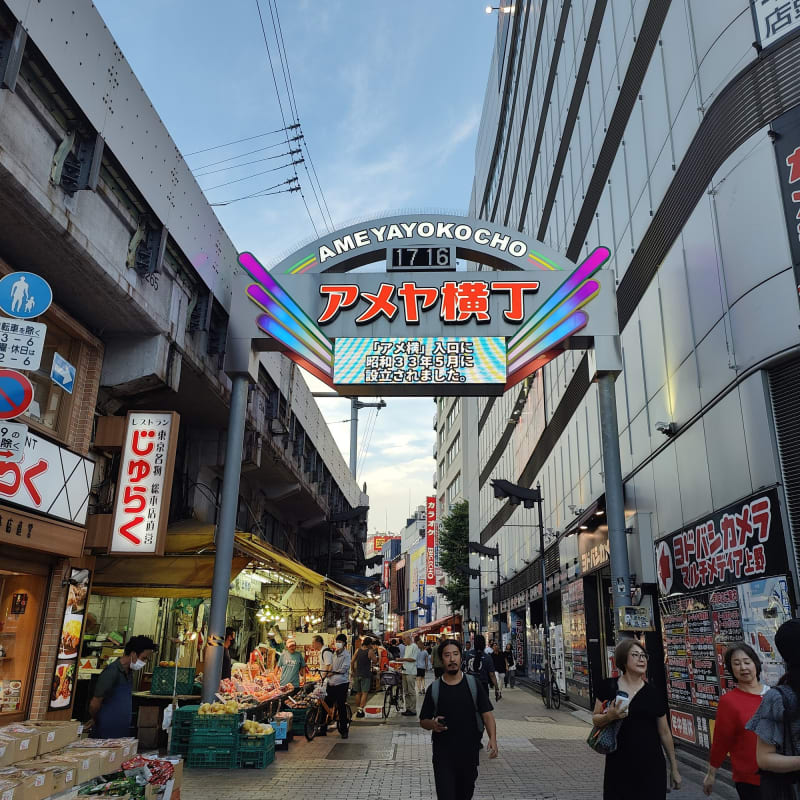
Japan is more card-friendly every year, and the exceptions are exactly the places you most want to go. The tiny bar in Golden Gai was cash-only. So was the counter in Nonbei Yokocho. The rule of thumb that served us: the better the story, the more likely it is cash.
7. We treated Tokyo as one city
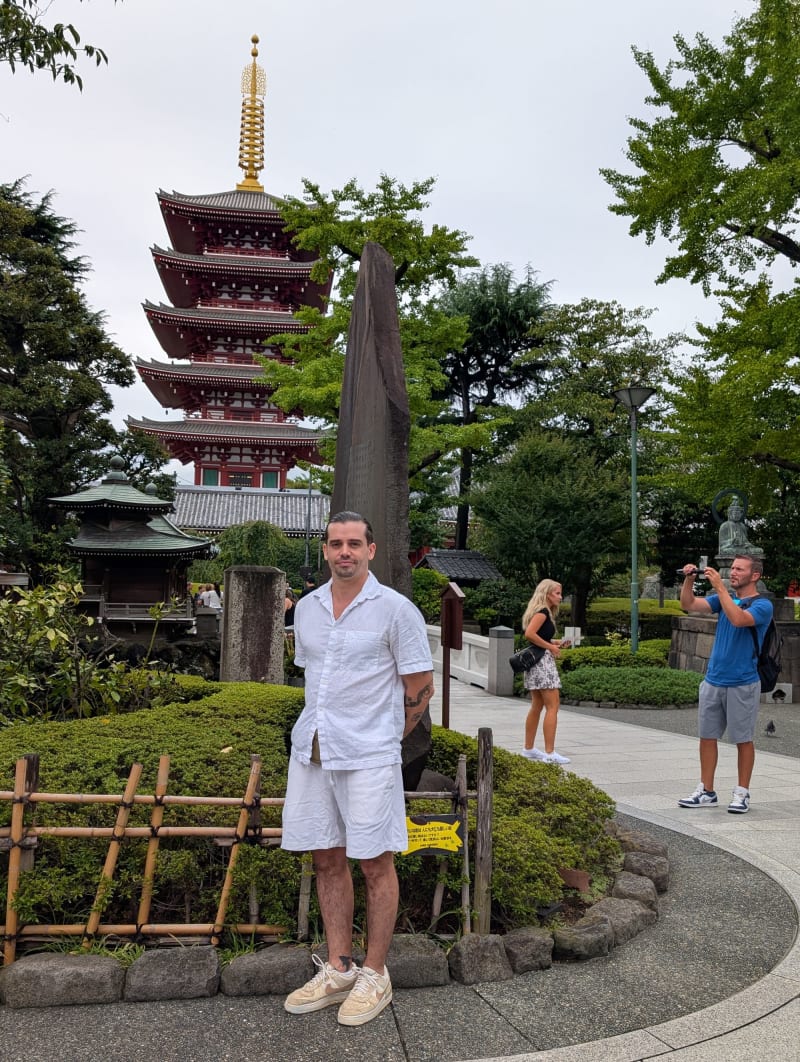
Booking a single hotel “in Tokyo” for eight days would have been a mistake. We split between Asakusa and Shinjuku and the two halves of the trip felt completely different, in a good way. Tokyo is a collection of centres, and your neighbourhood decides your evenings far more than your days.
8. We gambled on Fuji without hedging
We got one clear view of Mount Fuji from the Chureito Pagoda and one from a train window. Both were luck. The mountain is frequently invisible and no planning changes that. Staying overnight at Kawaguchiko rather than day-tripping gives you a morning attempt as well as an afternoon one, and a ryokan with an onsen makes losing the gamble much less annoying.
9. I was snobbish about the unserious things
I am a thirty-four-year-old man who travels for temples and food markets, and I nearly skipped the theme parks on principle. Two days at Tokyo Disney Resort and a day at Universal Studios Japan were among the best days of the trip. teamLab Planets, which I had written off as an Instagram exhibit, was one of the most beautiful sensory experiences I have had anywhere.
Whatever you have decided you are too serious for, reconsider it once.
The one thing we got right
We booked twenty days when everyone told us a week was enough. Japan does not open up on a schedule. The first week we were tourists, the second week we started to understand the rhythm, and the third week was the one where the country stopped feeling like a series of sights and started feeling like a place.
If you are planning your own version, the full route is written up in the 20-day Japan guide, and I have written separately about how many days Tokyo, Kyoto and Osaka each actually need.