The question I get asked most about Japan is not where should I go but how do I split the time. Everybody arrives with the same three names — Tokyo, Kyoto, Osaka — and the same anxiety about giving one of them too much and another too little. Having spent twenty days doing exactly that, and having got the balance slightly wrong, here is what I actually think.
The short version: Tokyo needs more days than you think, Kyoto needs earlier mornings than you think, and Osaka needs to be slept in rather than visited.
Tokyo — six to eight days
We gave Tokyo eight days and I would do it again. This is the recommendation people push back on hardest, usually because they have been told Tokyo is “just a big modern city” and the real Japan is elsewhere. That framing is wrong in a way that costs people their trip.
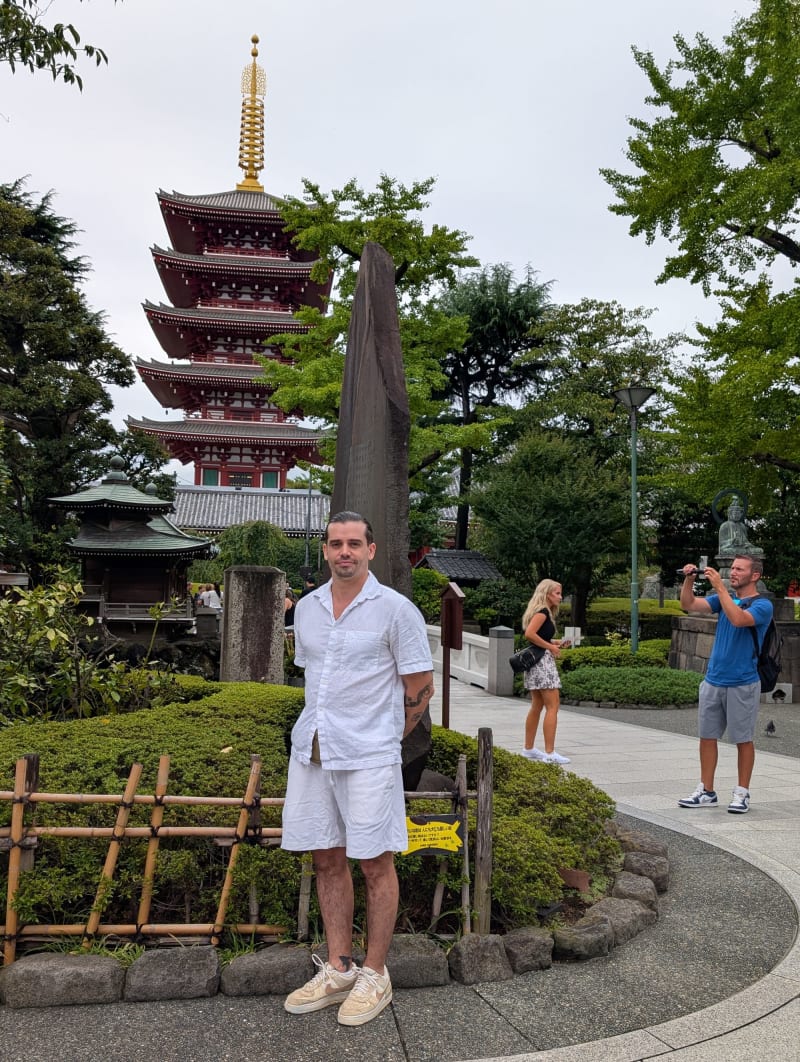
Tokyo is not a city with neighbourhoods the way Paris is a city with neighbourhoods. It is a set of separate centres that grew independently and still behave that way. Asakusa is low-rise, old, and quiet after dark. Shinjuku at night is a different civilisation. Shibuya is young and loud and commercial. Yanaka is a village that happens to be inside a metropolis. Moving between them is not sightseeing, it is changing cities.
Four days gets you the headline sights and a permanent suspicion that you missed the point. Six is the minimum for the place to resolve into something coherent. Eight lets you have a slow day, which is when Tokyo actually gets good.
If you have the eight days, spend two of them outside the city — Hakone for onsen and a chance at Fuji, Nikkō for shrines in cedar forest, Kamakura for the coast and the Great Buddha. Leave which one unbooked until the morning, and pick based on the weather. Hakone in cloud is money spent on a view of the inside of a cloud.
Kyoto — four to five days
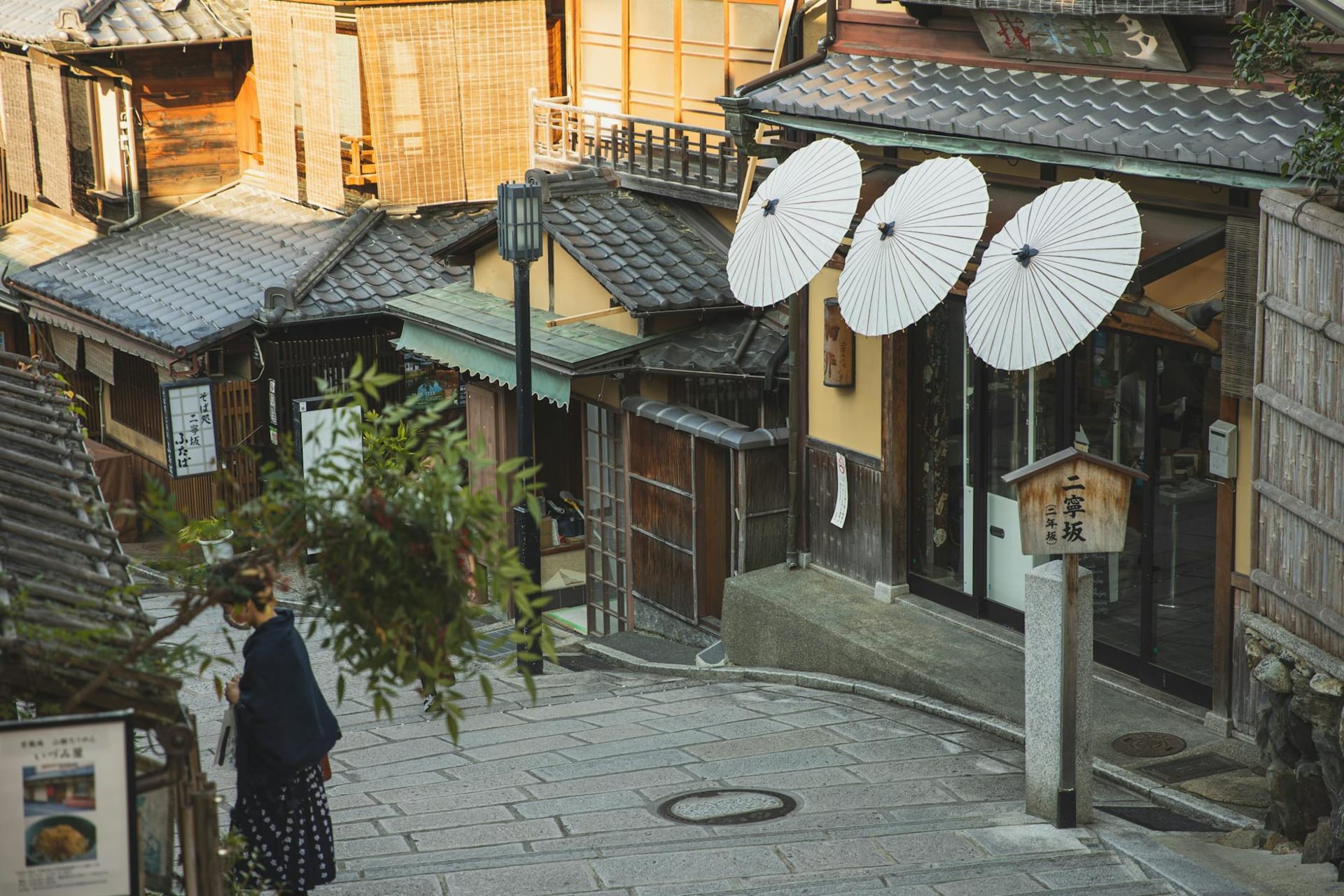
We gave Kyoto five and it was right. The mistake people make here is not the number of days, it is the hours.
Kyoto’s famous sites are genuinely extraordinary at eight in the morning and genuinely unpleasant at eleven. That is the entire game. Fushimi Inari at eight is a mountain corridor with your own footsteps in it; at eleven it is a queue. The Arashiyama bamboo grove at half past eight belongs to about nine people; an hour later it is a moving crowd. We arrived early at both and the difference was not marginal, it was categorical.
This is also the argument for staying in Kyoto rather than day-tripping in from Osaka. An eight o’clock start is trivial from a hotel in Higashiyama and genuinely difficult from another city. People who day-trip Kyoto see the eleven o’clock version and conclude it is overrated. They are describing a different place from the one I saw.
Four days covers Higashiyama, Fushimi Inari, Arashiyama and one day of wandering. Five adds the thing that made the trip for me: the Eizan Railway north to Kurama, the mountain trail over the ridge, and lunch on a platform above the river at Kibune. Ninety minutes from the city centre and almost nobody does it.
Osaka — four to six days
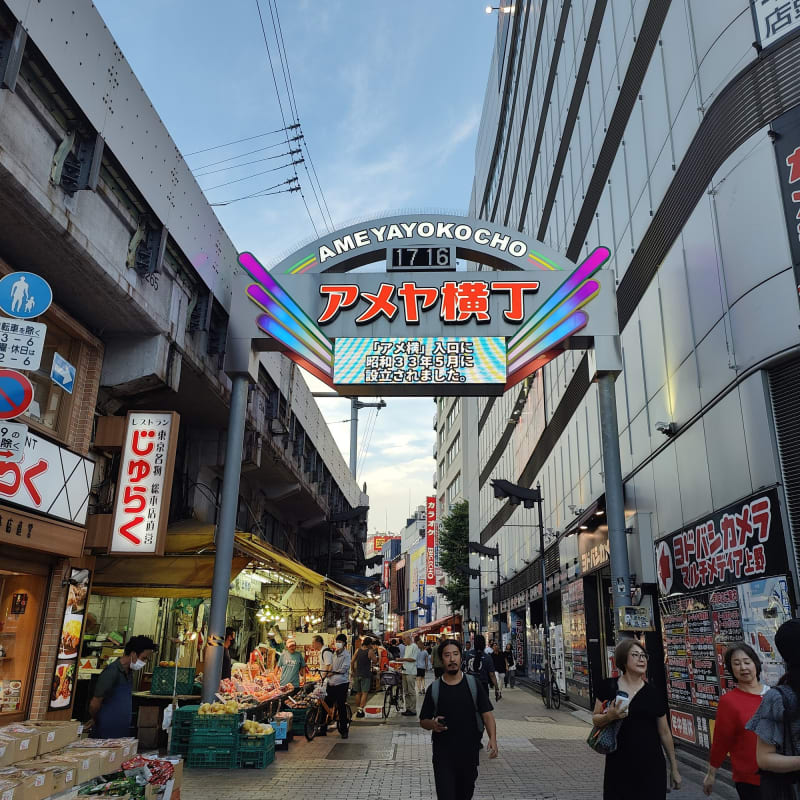
Here is where I disagree with almost every itinerary I read before going. Osaka is routinely given a day and a half, treated as a place to eat one bowl of something on the way to somewhere else. We gave Osaka six days and it was the part of the trip I was least ready to leave.
Osaka is the better food city. Not marginally — decisively. Kyoto’s food is refined and often ceremonial and frequently requires a reservation and a certain amount of behaving yourself. Osaka’s food is loud, cheap, obsessive and available at four in the afternoon because nobody in this city believes there is a wrong time to eat. Kuromon market in the morning, takoyaki by the canal at night, kushikatsu standing at a counter in Shinsekai. By the fifth evening our takoyaki vendor waved us over before we had decided to stop.
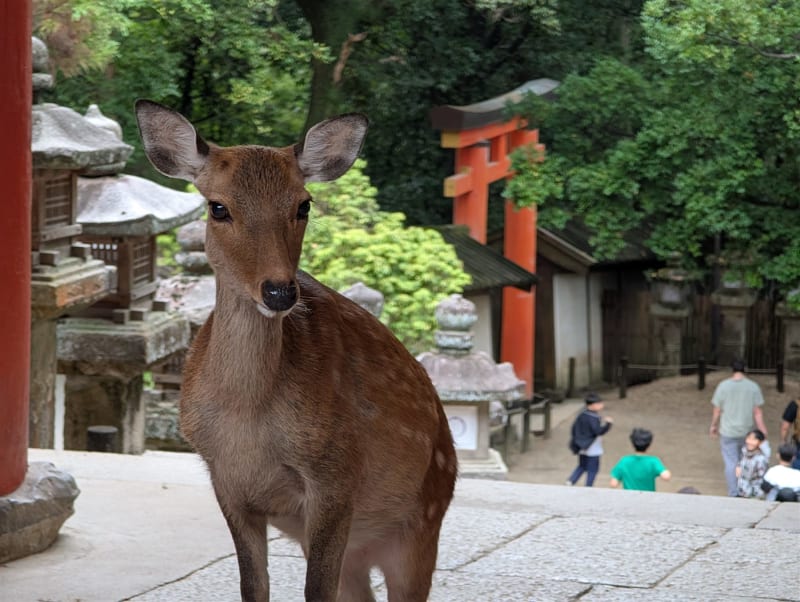
It is also the better base for the region. Nara is a genuine day trip from here. So is Kobe, so is Himeji. If you want theme parks, Universal Studios Japan is in the city.
Four days is the honest minimum. Six if you like eating.
What I would do with two weeks
- 14 days: 6 Tokyo (including one day trip), 5 Kyoto, 3 Osaka.
- 20 days: 8 Tokyo (two day trips), 5 Kyoto, 1 night at Kawaguchiko, 6 Osaka.
- 10 days: 5 Tokyo, 4 Kyoto, 1 Osaka — and accept that Osaka becomes a taste rather than a visit.
The one structural piece of advice underneath all of this: move, do not day-trip. Kyoto to Osaka is thirty minutes on the JR Special Rapid. Treating one as a suburb of the other saves you a hotel change and costs you both cities’ evenings, which is where each of them is most itself.
The thing nobody budgets for
Time to do nothing. Japan is dense, the trains are relentless, and the temptation is to fill every hour because everything is reachable. Our best day in Tokyo was one where we had booked nothing and walked. Our best day in Kyoto was a mountain trail we nearly cut for scheduling reasons.
Whatever split you land on, leave two days unplanned. You will use them better than any itinerary would have.
If you want the full version of how we actually spent the twenty days — every hotel, restaurant and train — it is written up in the 20-day Japan guide, and the long-form story is in 20 Days in Japan With the Person I Love.