Asia
Uttarakhand
"Nowhere else have I felt that thin edge between noise and absolute silence."
India's sacred north — where the Ganges is born from glacial rock and ashrams crowd riverbanks that feel suspended between this world and the next.

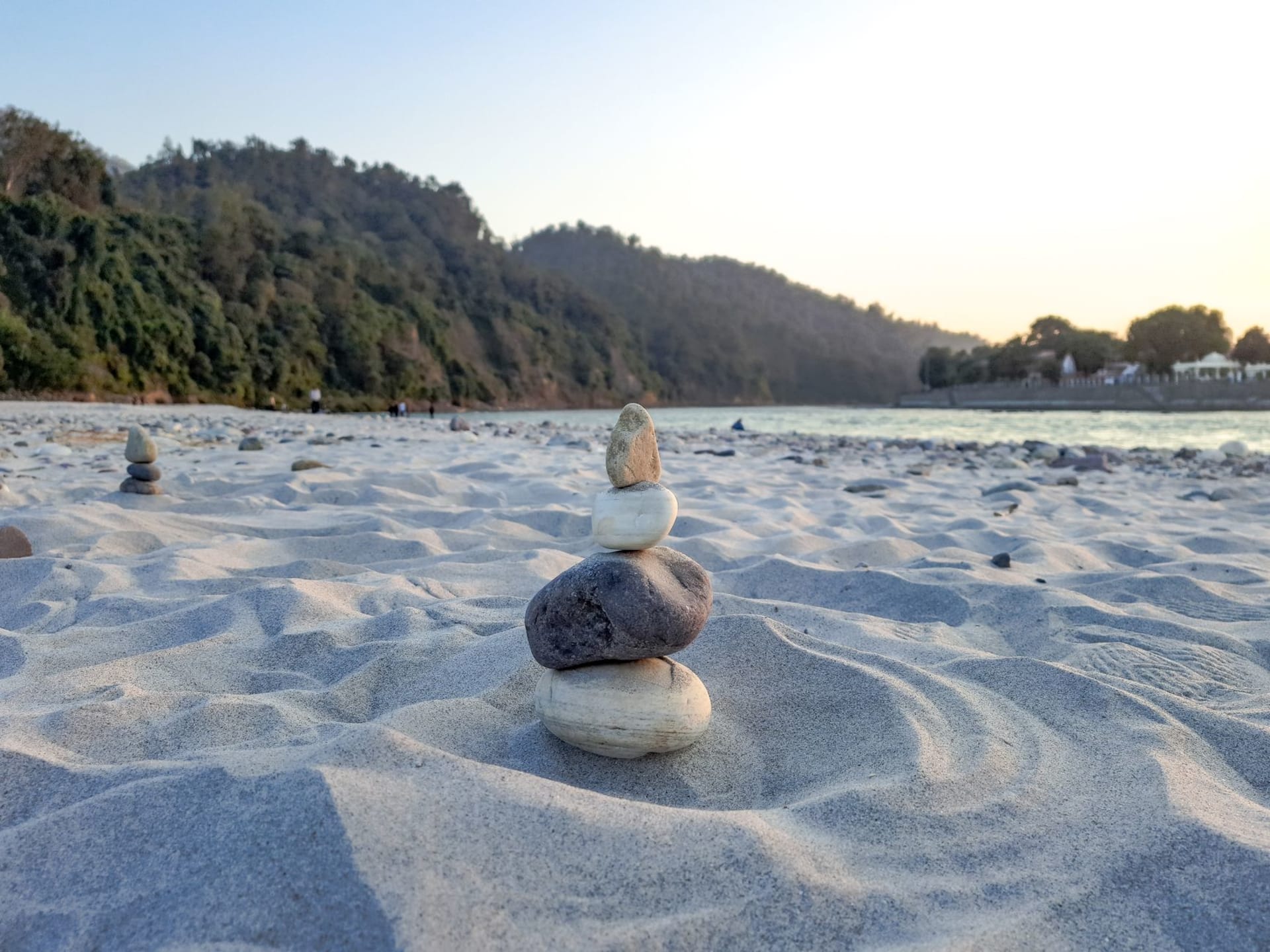
I arrived in Rishikesh from Delhi on a night bus, and the difference was not gradual. One moment I was in a city that never stops moving; the next I was standing on a suspension bridge over the Ganges at dawn, watching smoke from the ghats mix with mist coming off the river, listening to bells from a temple I couldn’t see. Uttarakhand does that. It lifts you out of India’s ordinary chaos and deposits you in something older, stranger, and considerably more demanding of your attention.
The state divides roughly into two worlds. The lower reaches — Rishikesh, Haridwar — are dense with pilgrims, yoga centers, ashrams, chai stalls, and foreign seekers of various persuasions. It can feel overwhelming, even theatrical. But push into the higher terrain — toward Badrinath or Kedarnath, up into the Kumaon hills around Munsiyari or Binsar — and the crowds thin, the air thins, and the Himalaya stop being a backdrop and start being the entire foreground. I spent a week on a trek above Chopta that I have not been able to adequately describe to anyone since. Snow on granite, rhododendron forests, a ridge at 4,000 meters where I ate a cold roti and watched clouds form below my feet.
The food here is not the food of Rajasthan or Mumbai. Uttarakhand runs on aloo ke gutke — potatoes fried hard with cumin and chili — on thick dal from local lentils, on bhang ki chutney made from hemp seeds that grow wild on hillsides. The chai is dark and gingery and served in small clay cups at dhaba counters where the cook never looks up.
When to go: May to June for the high-altitude trails and Char Dham yatra season, when passes open after winter. September to November is perhaps the best window — post-monsoon clarity, green valleys, skies that turn an almost indecent shade of blue. Avoid July and August if you want to move; the monsoon makes roads unreliable and the pilgrim crowds are at their densest.
What most guides get wrong: They treat Rishikesh as the destination. It’s a gateway. The real Uttarakhand begins where the ashrams end and the mountain road starts climbing in earnest. Anyone who comes here, survives two yoga classes, and goes home has missed the actual point of the place.
Explore
Places in Uttarakhand
 uttarakhand
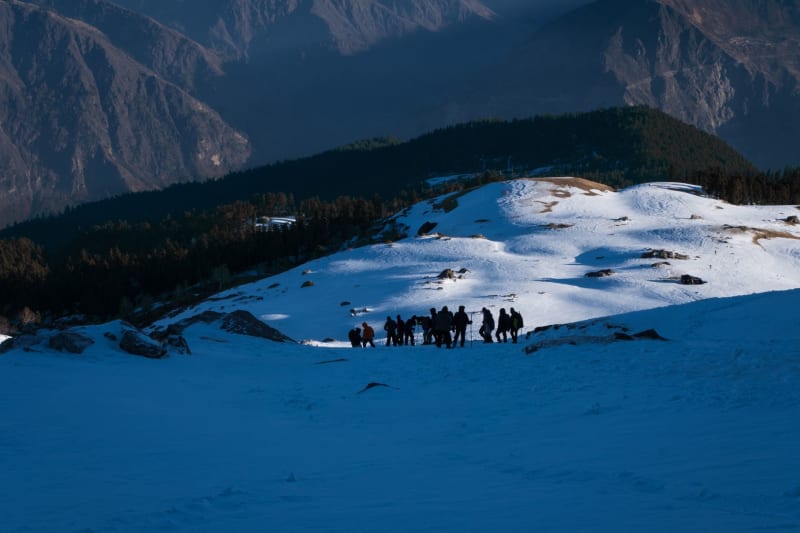
 Auli
A ski slope carved into an oak and rhododendron forest at 2,500 meters, with an unbroken Himalayan panorama that includes Nanda Devi, and snow conditions that hold long after the season most people expect.
Explore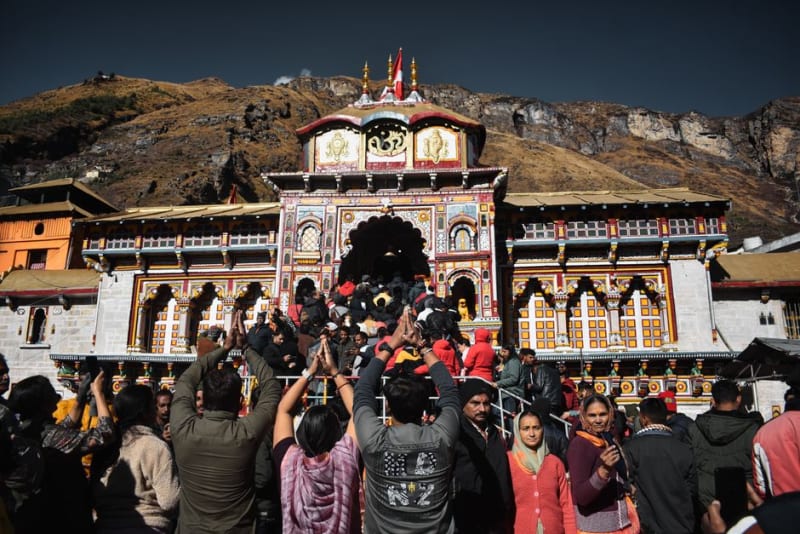 uttarakhand
 Badrinath
A high-altitude temple town on the Alaknanda where the mountains, the pilgrims, and the steam off a hot spring all feel like part of the same ritual.
Explore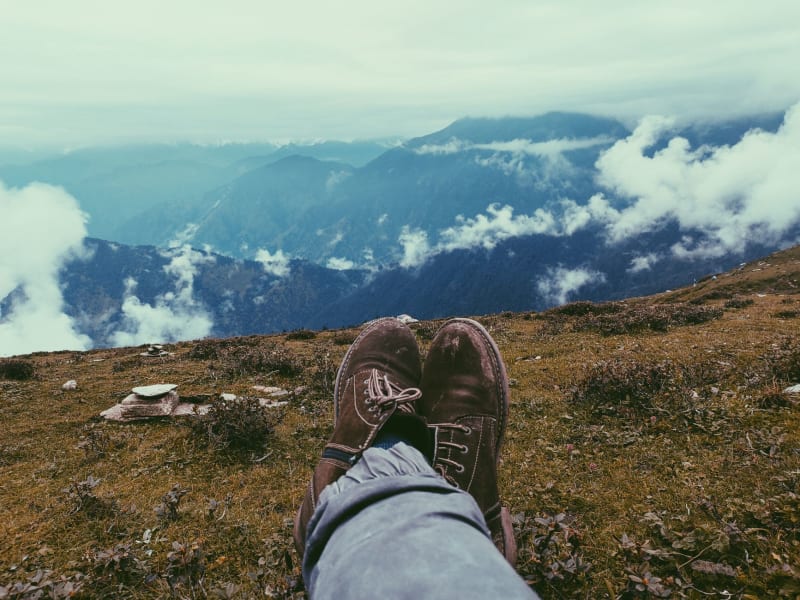 uttarakhand
 Chopta
A narrow strip of forest road at 2,680 meters in Kedarnath Wildlife Sanctuary, where rhododendrons turn the ridgeline red in spring and the trail to Tungnath — the world's highest Shiva temple — begins in silence.
Explore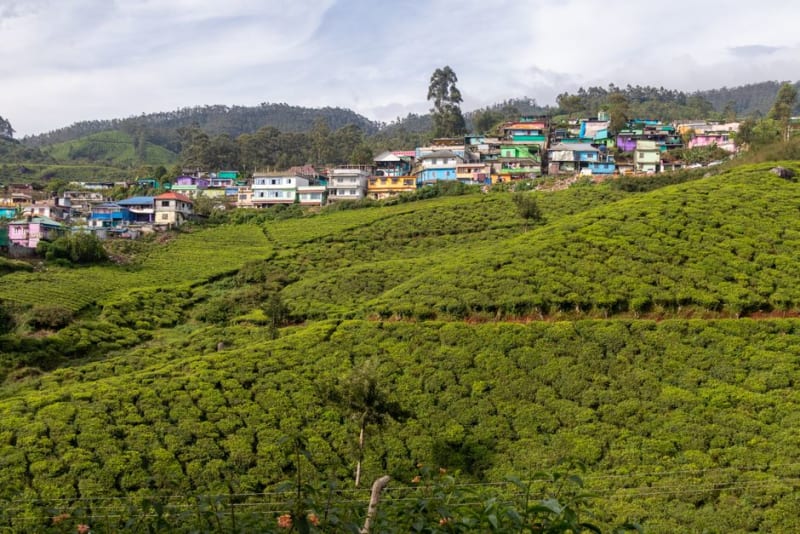 uttarakhand
 Dehradun
Uttarakhand's valley capital, wedged between the Himalayan foothills and the Shivaliks, and gateway to the Doon Valley's tea estates.
Explore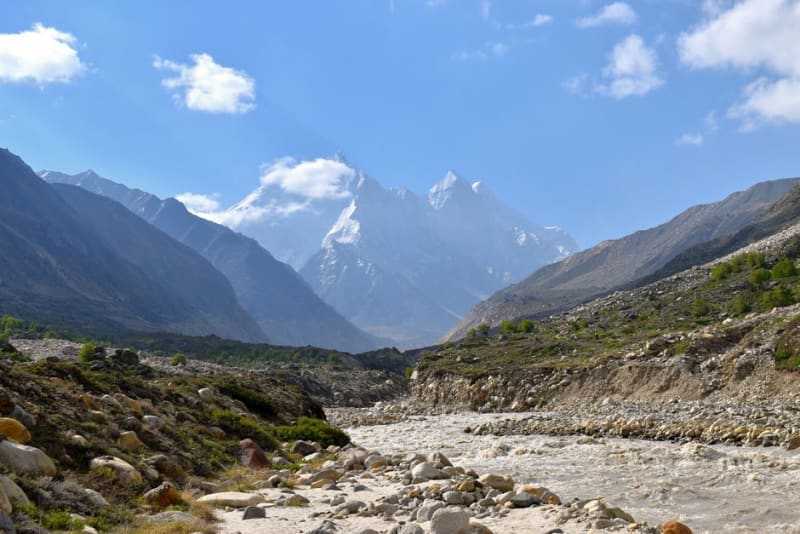 uttarakhand
 Gangotri
A high-altitude pilgrimage town in the Garhwal Himalayas where the Ganges begins its journey, wrapped in incense smoke and glacial cold.
Explore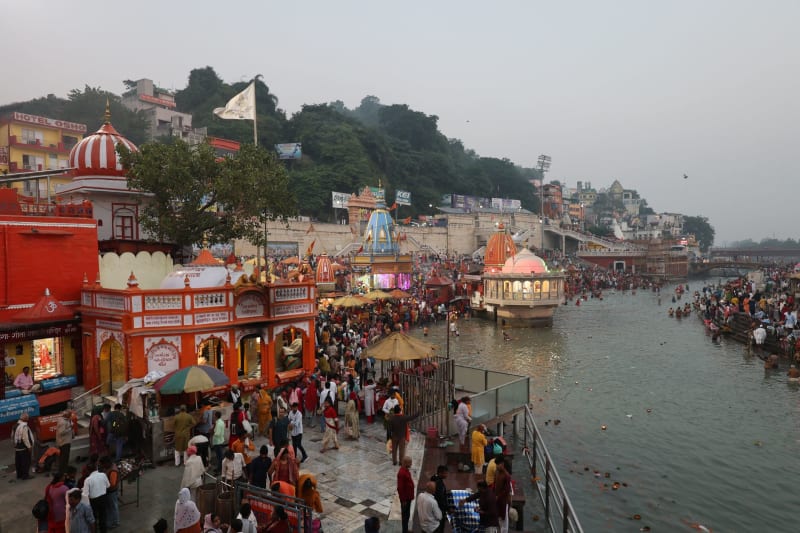 uttarakhand
 Haridwar
The gateway where the Ganges finally leaves the Himalayas and enters the plains, and where the evening fire ceremony on the river has been performed every single day for centuries without interruption.
Explore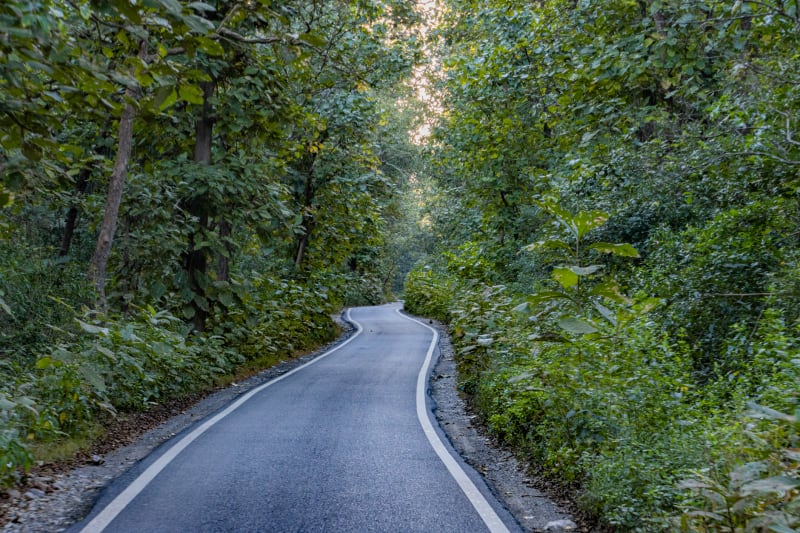 uttarakhand
 Jim Corbett National Park
India's oldest national park, where sal forests and river grasslands hold the country's most significant Bengal tiger population and every jeep track feels like a sentence that might end in something large.
Explore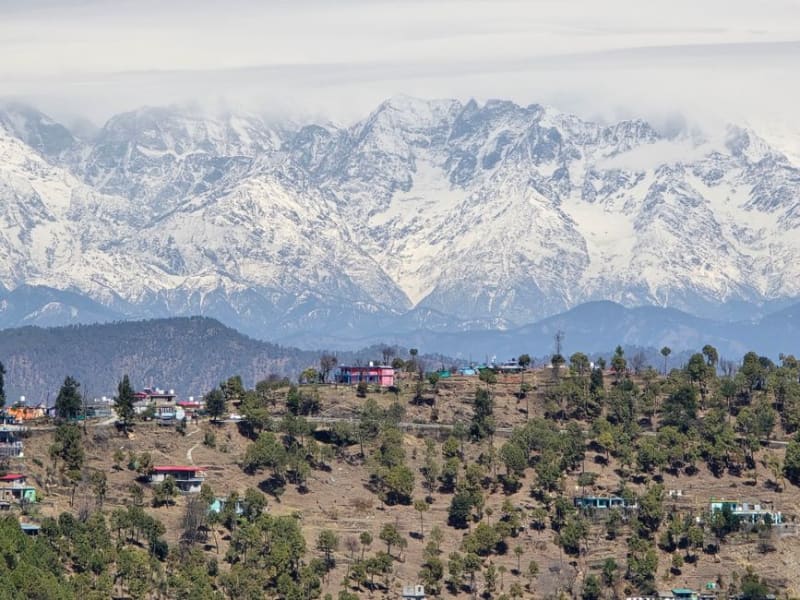 uttarakhand
 Kausani
A ridge-top village in Kumaon where a wall of snow peaks fills the horizon and Gandhi once found the quiet to write.
Explore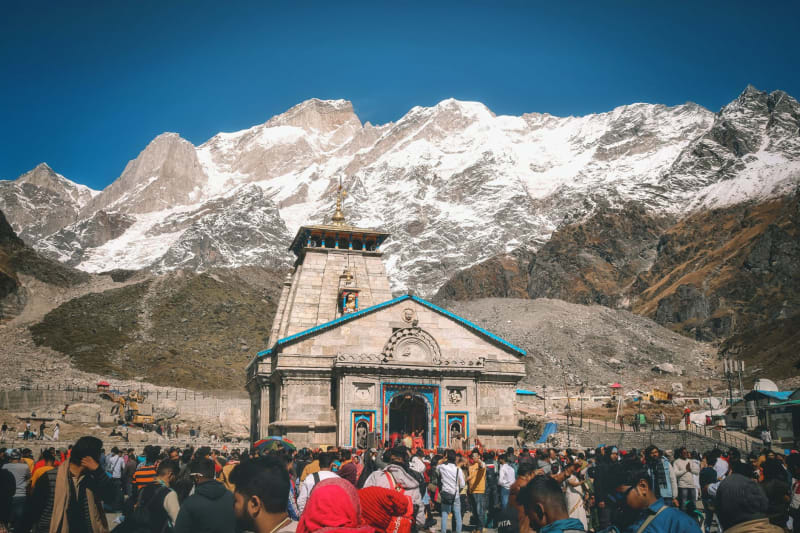 uttarakhand
 Kedarnath
A twelfth-century stone temple dedicated to Shiva, standing at 3,583 meters beneath the Kedarnath glacier, reached by a sixteen-kilometer mountain trek walked by hundreds of thousands of pilgrims each season.
Explore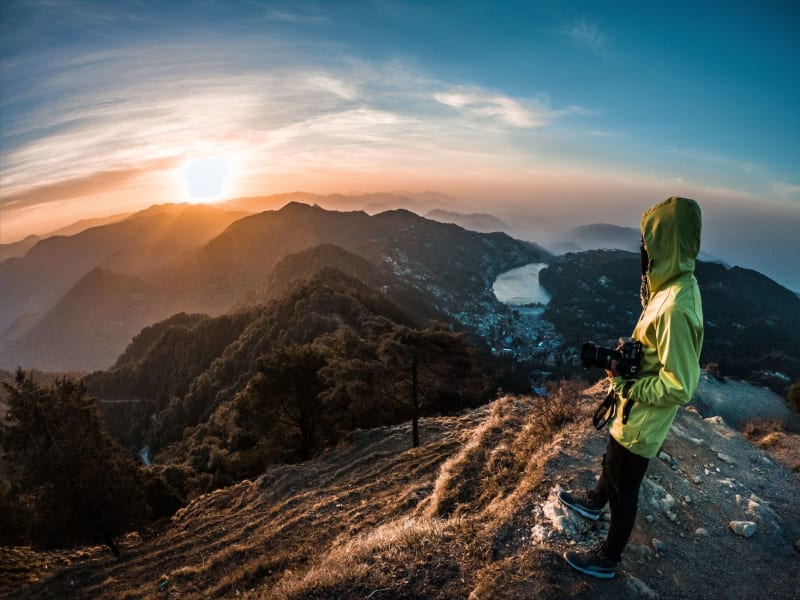 uttarakhand
 Lansdowne
A Garhwal Rifles cantonment town at 1,706 meters where the British military built a hill station so orderly and forested that it has remained improbably quiet for a hundred and thirty years, mostly because no one quite remembers it exists.
Explore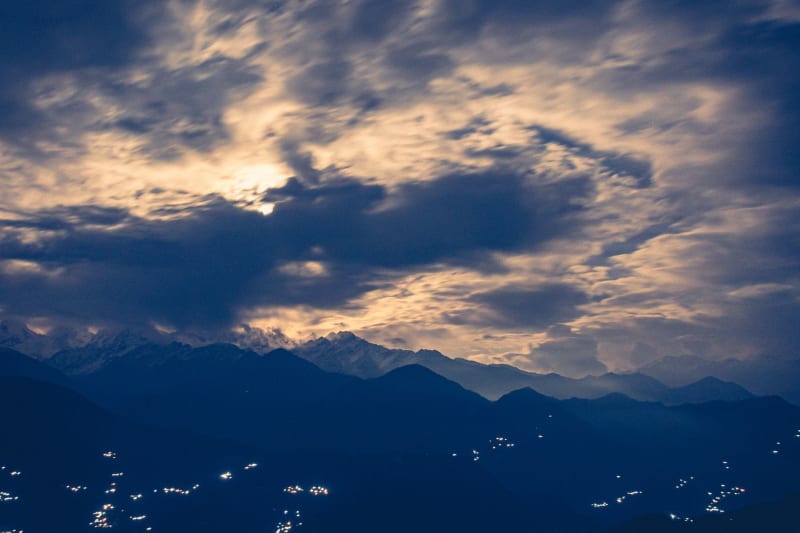 uttarakhand
 Munsiyari
A remote Himalayan village in the far east of Kumaon staring straight at the five snow peaks of the Panchachuli, where the road ends and the high mountains begin.
Explore uttarakhand
 Mussoorie
A colonial hill station balanced on a Himalayan ridge where Victorian-era architecture meets candy-colored Indian tourism and the Doon Valley falls away two thousand meters below.
Explore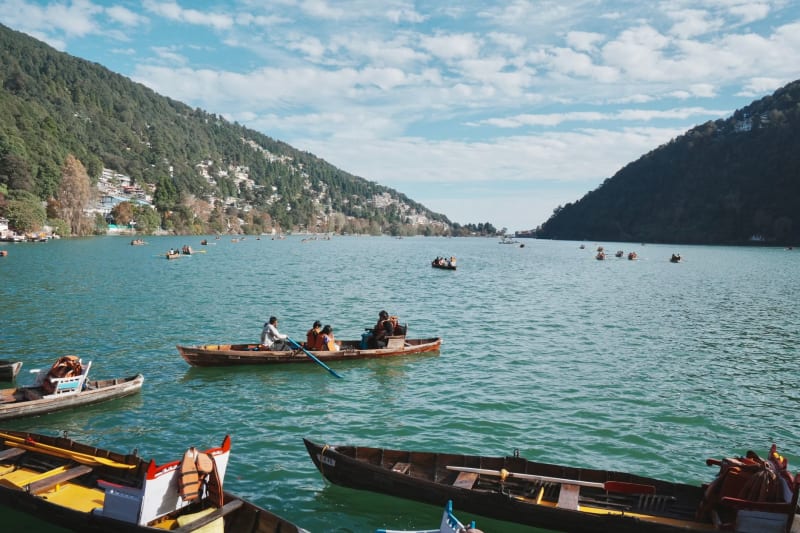 uttarakhand
 Nainital
A Kumaoni hill town built around an eye-shaped lake at 2,084 meters, where Victorian-era boathouses share the waterfront with candy stores and the encircling ridgeline catches the first and last light of every day.
Explore uttarakhand
 Pithoragarh
A terraced valley town near the Nepal and Tibet borders, nicknamed 'Little Kashmir' for its bowl of green fields ringed by pine ridges.
Explore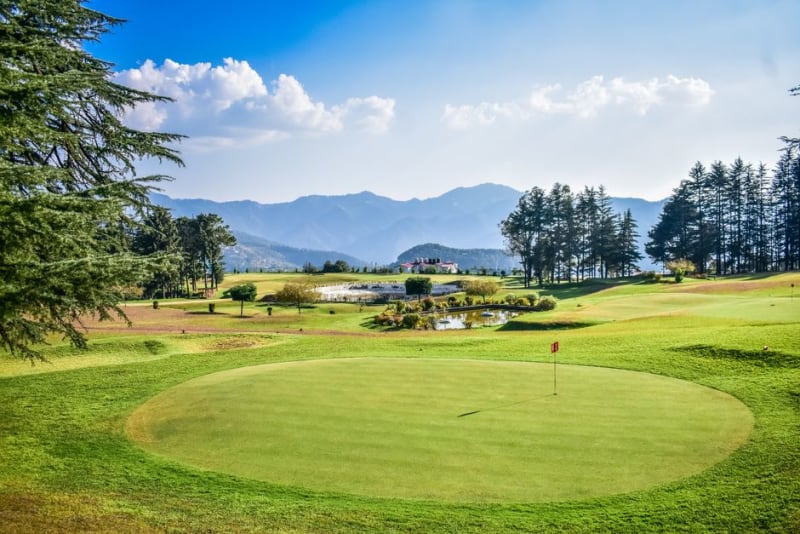 uttarakhand
 Ranikhet
A quiet colonial-era cantonment hill station in Kumaon, still run in part by the army, with a pine-scented golf course and long Himalayan views.
Explore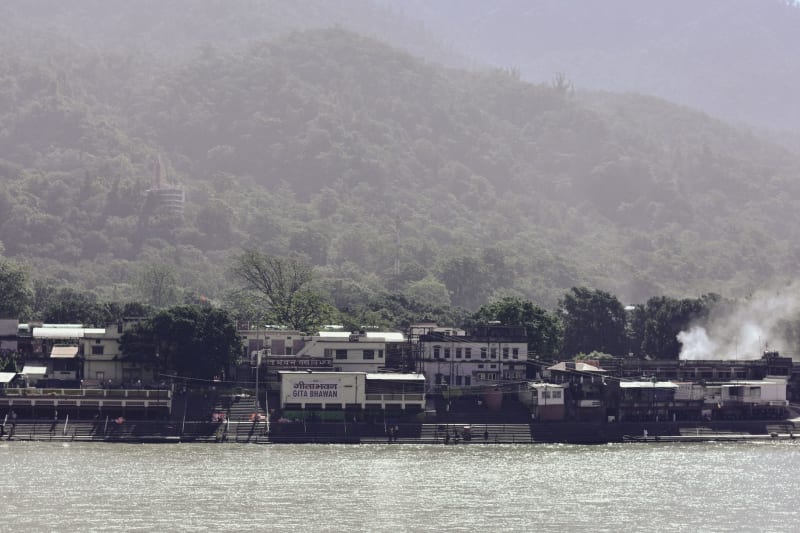 uttarakhand
 Rishikesh
Where the Ganges cuts through forested hills and every suspension bridge above it vibrates with the combined weight of pilgrims, backpackers, and the permanently bewildered.
Explore