Dehradun
"Lia held a handful of raw basmati at a Doon Valley mill and said it smelled nothing like the rice we cook at home, and she was right."
Uttarakhand's valley capital, wedged between the Himalayan foothills and the Shivaliks, and gateway to the Doon Valley's tea estates.

Most people treat Dehradun as a place you pass through on the way to Mussoorie, and I did the same thing on my first visit, which I now think was a mistake. We came back a year later and gave it its own two days, and the city earned them. It sits in the Doon Valley between the outer Himalayas and the lower Shivalik range, which gives it a strange in-between climate — warmer and greener than the hill stations above it, cooler and calmer than the plains below. Wide tree-lined avenues, a fair number of colonial-era institutional buildings in mustard stone, and traffic that, while real, felt almost gentle after Delhi.
The Forest Research Institute building is the one thing I’d tell anyone not to skip. It’s an enormous Indo-Saracenic structure from 1906, sandstone and red brick, with domes and courtyards that make it look more like a palace than a research campus, and inside there are still creaky old wooden museum halls of preserved timber samples and fossilized wood that nobody seems to have updated since independence. We spent almost two hours in there, which surprised both of us given the subject matter.

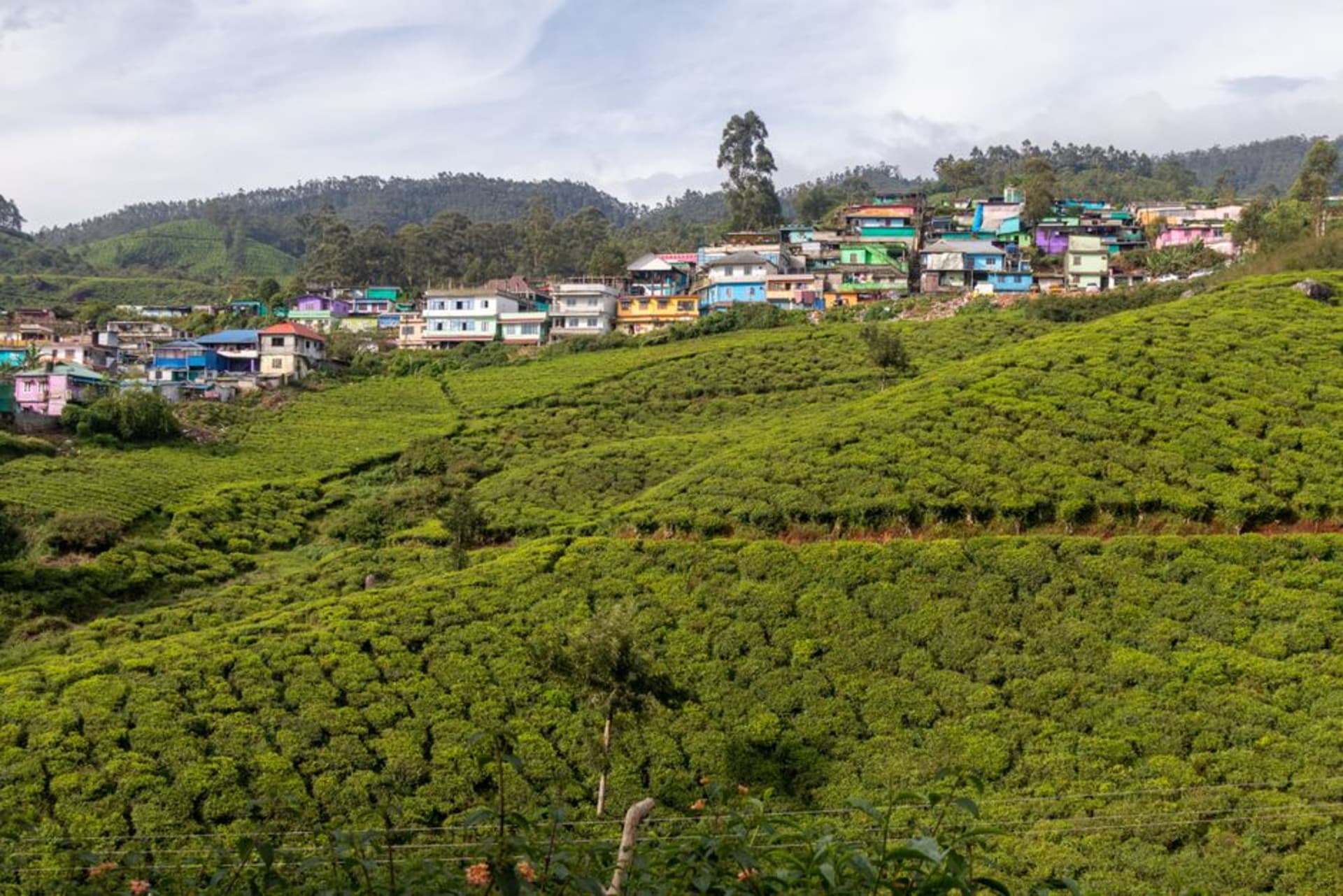
Dehradun’s other identity, the one I hadn’t expected, is agricultural. The Doon Valley grows a basmati rice prized across India for its aroma, and it’s also dotted with tea estates left over from the British period, smaller and less famous than Darjeeling’s but still working. We visited one out past Rajpur, walked between the rows with the manager explaining how the valley’s particular humidity and altitude suit both the tea and the rice in ways the surrounding regions can’t quite replicate. He sent us off with a small paper bag of loose leaf that we drank for weeks after getting home.

We also made the short trip out to Robber’s Cave, a narrow limestone gorge with a shallow stream running through it that you wade up rather than walk beside, cold water to the knees and the canyon walls closing in overhead. It’s touristy, full of families in rolled-up trousers, but genuinely fun, and a good antidote if you’ve spent the morning in museum halls. Dehradun as a whole felt like a city that’s comfortable being useful rather than spectacular — a capital, a gateway, a place that grows good rice and good tea and doesn’t need to shout about either.
When to go: October to February offers the clearest air and most pleasant temperatures; March to June gets hot in the valley, and the monsoon (July-September) brings heavy, humid rain.
Keep exploring
More from Uttarakhand
 uttarakhand
 Gangotri
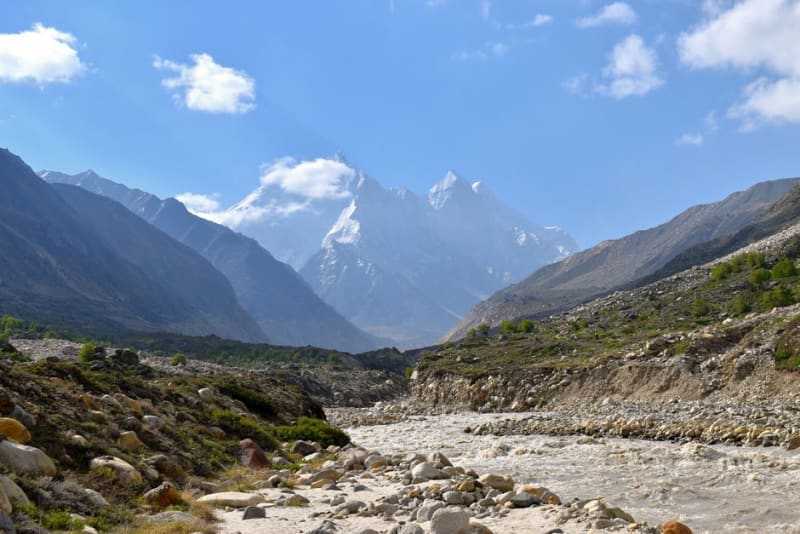
A high-altitude pilgrimage town in the Garhwal Himalayas where the Ganges begins its journey, wrapped in incense smoke and glacial cold.
Explore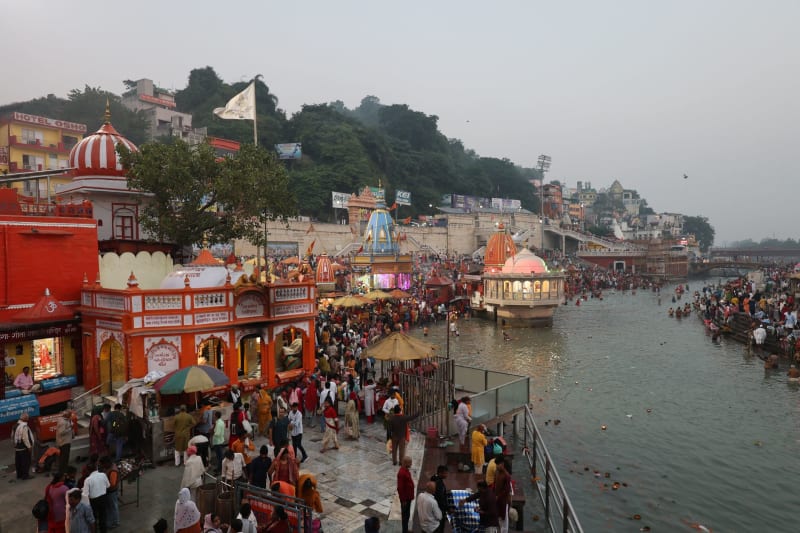 uttarakhand
 Haridwar
The gateway where the Ganges finally leaves the Himalayas and enters the plains, and where the evening fire ceremony on the river has been performed every single day for centuries without interruption.
Explore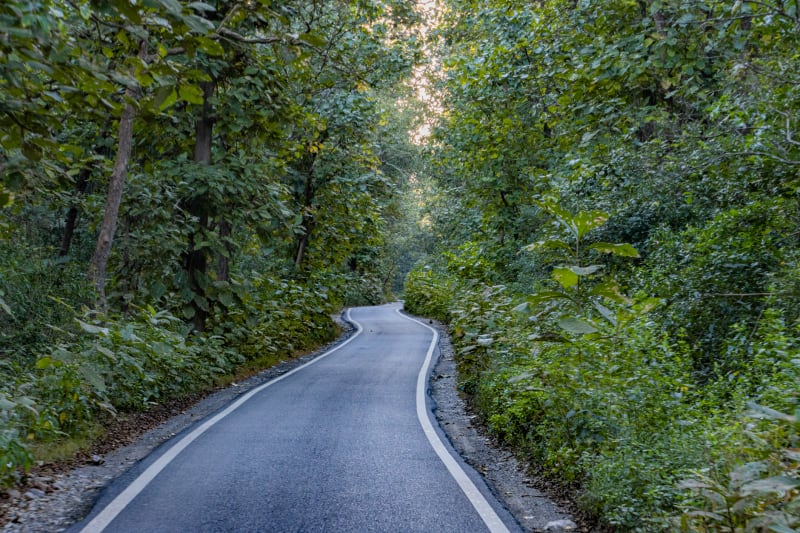 uttarakhand
 Jim Corbett National Park
India's oldest national park, where sal forests and river grasslands hold the country's most significant Bengal tiger population and every jeep track feels like a sentence that might end in something large.
Explore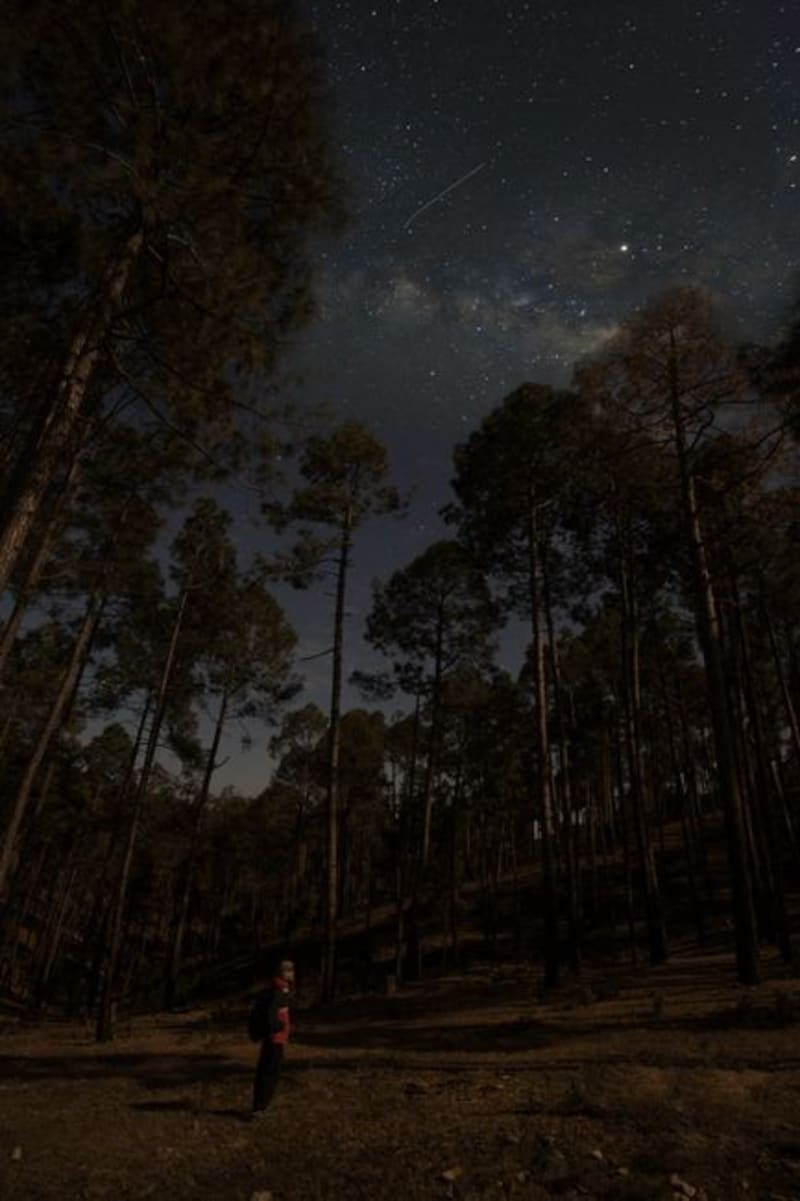 uttarakhand
 Kausani
A ridge-top village in Kumaon where a wall of snow peaks fills the horizon and Gandhi once found the quiet to write.
Explore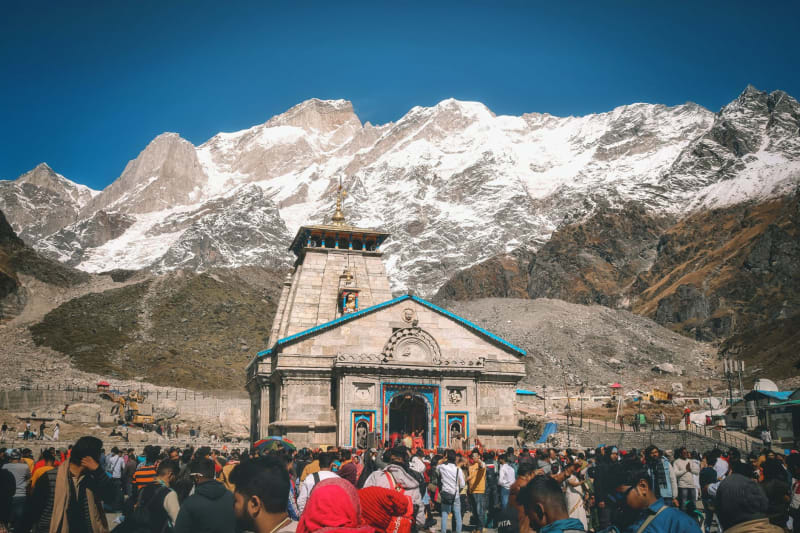 uttarakhand
 Kedarnath
A twelfth-century stone temple dedicated to Shiva, standing at 3,583 meters beneath the Kedarnath glacier, reached by a sixteen-kilometer mountain trek walked by hundreds of thousands of pilgrims each season.
Explore uttarakhand
 Lansdowne
A Garhwal Rifles cantonment town at 1,706 meters where the British military built a hill station so orderly and forested that it has remained improbably quiet for a hundred and thirty years, mostly because no one quite remembers it exists.
Explore