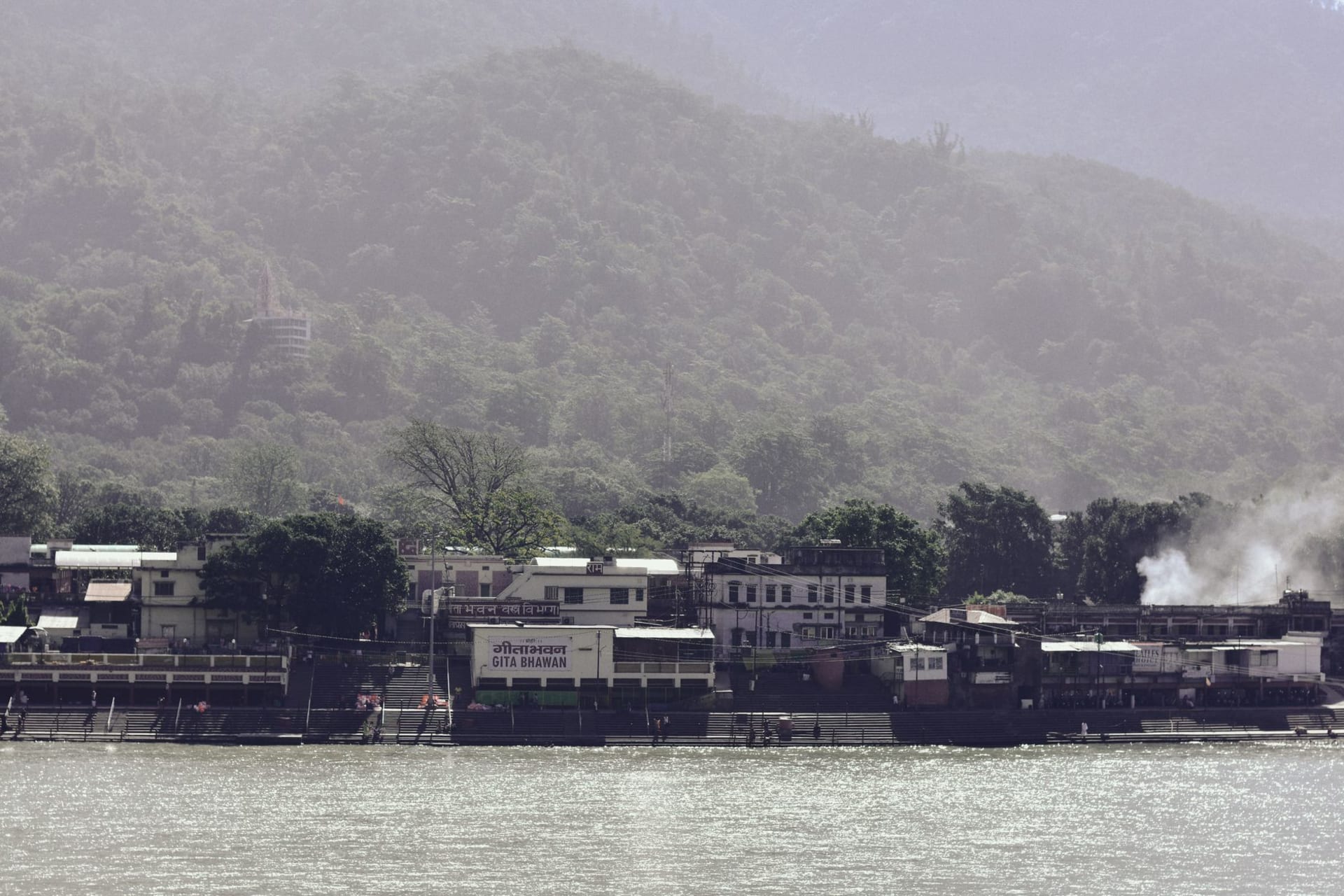
Rishikesh
"The river doesn't care what you came here looking for. It just keeps moving."
Where the Ganges cuts through forested hills and every suspension bridge above it vibrates with the combined weight of pilgrims, backpackers, and the permanently bewildered.

I arrived at Ram Jhula at six in the morning, which turned out to be exactly the right time. The ghats smelled of marigolds and wet stone. A sadhu in orange cotton sat cross-legged near the water’s edge, utterly motionless, while a chai vendor three feet away argued loudly into his phone. The Ganges here is still green — this far upstream it hasn’t yet taken on the murk it accumulates lower down — and the current has a muscular pull you can feel just standing at its banks.
Rishikesh is sold relentlessly as a spiritual destination, and it is, but that framing undersells its strangeness. It’s also a town where Israeli trance music leaks from rooftop cafés, where you can take a whitewater rafting trip in the morning and attend an evening aarti ceremony so beautiful it makes your chest tight. The contradictions don’t cancel each other out. Somehow they make the place more interesting.
The Ghats at Dusk
Parmarth Niketan hosts the Ganga Aarti every evening at sunset, and I want to say I found it touristy, but I didn’t. Priests in yellow and orange robes lifted brass lamps in slow synchronized arcs while a crowd of several hundred watched from the stepped banks. The smoke from the lamps mixed with incense and river mist. Lia recorded it on her phone, then put the phone away and just stood there. That’s the thing about this ritual — it earns the silence it creates.
Crossing the Jhulas
The suspension bridges — Laxman Jhula and Ram Jhula — are narrow enough that two people have to angle sideways to pass, and they sway underfoot in a way that you either find charming or deeply alarming. Cows use them too, apparently indifferent to both the height and the humans scrambling out of the way. Cross early, before the heat and the tour groups arrive, and you get the bridges to yourself except for a few monkeys eyeing your breakfast.
On the Water
I’d done whitewater rafting before, but not on a river I’d also watched people bathe in and pray at that same morning. There’s something disorienting about that shift in register — the sacred river suddenly throwing you sideways over a Class IV rapid called “Golf Course.” We ran about sixteen kilometers of the upper Ganges, water the temperature of cold tap water in February, and the walls of the gorge rising steep and forested on both sides. When we finally eddied out onto a calm stretch, everything was very quiet except for the river moving.
Eating on the Rooftops
Rishikesh is almost entirely vegetarian, which took me a day to adjust to and then felt completely natural. The tamatar dal at a small place near the German Bakery was the best I had in Uttarakhand — deep red, slightly smoky, served with rice that had absorbed just enough ghee. I ate it on a rooftop overlooking the river at noon, when the light on the water was almost white.
When to go: October through early April for dry weather and mild temperatures. The monsoon (July–September) brings lush green hills and rough water — good for experienced rafters only. Avoid May and June unless you enjoy heat and maximum crowds.
Keep exploring
More from Uttarakhand
 uttarakhand
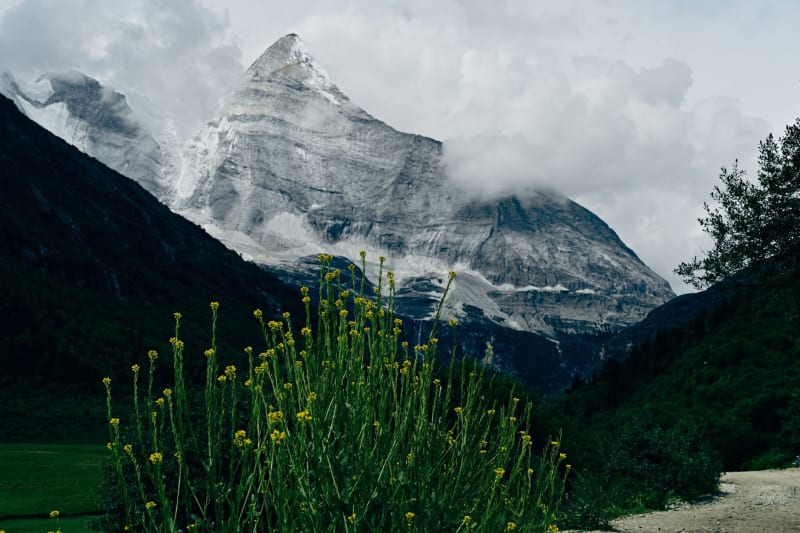
 Valley of Flowers
A UNESCO World Heritage glacial valley in the high Garhwal Himalaya that blooms into an almost hallucinatory carpet of alpine wildflowers for ten weeks each summer, at 3,500 meters and completely inaccessible by road.
Explore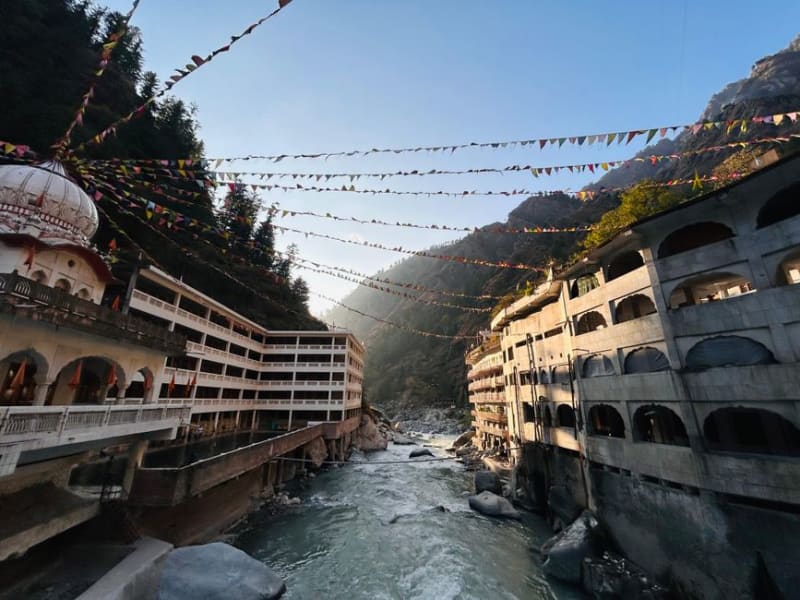 uttarakhand
 Yamunotri
A remote Himalayan temple town at the source of the Yamuna River, reachable only on foot up a steep, mule-worn mountain trail.
Explore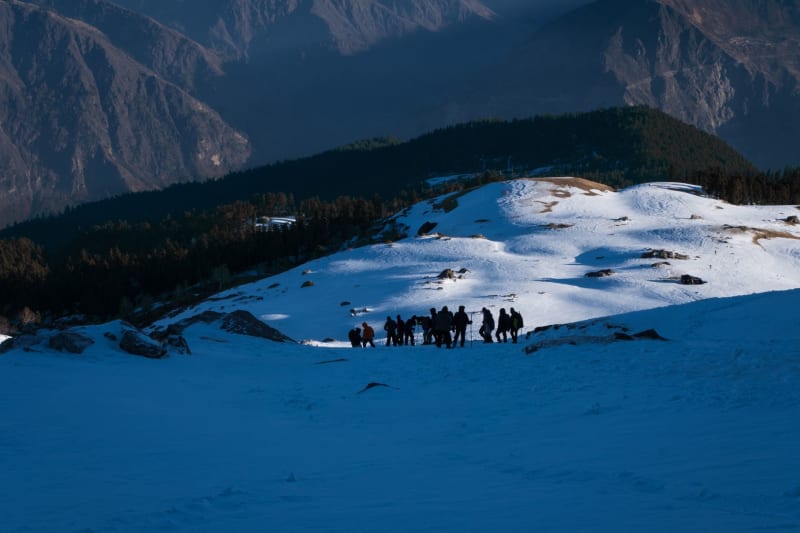 uttarakhand
 Auli
A ski slope carved into an oak and rhododendron forest at 2,500 meters, with an unbroken Himalayan panorama that includes Nanda Devi, and snow conditions that hold long after the season most people expect.
Explore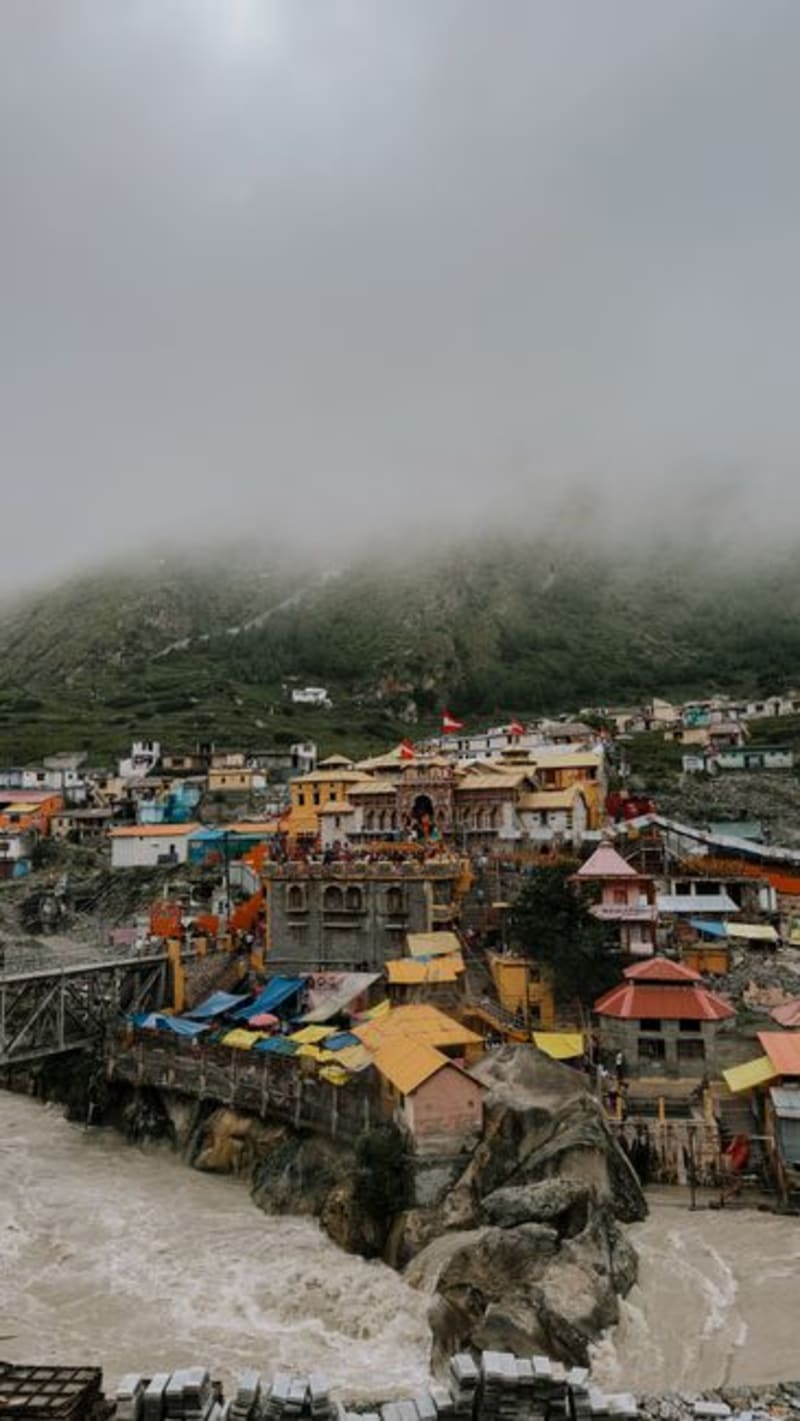 uttarakhand
 Badrinath
A high-altitude temple town on the Alaknanda where the mountains, the pilgrims, and the steam off a hot spring all feel like part of the same ritual.
Explore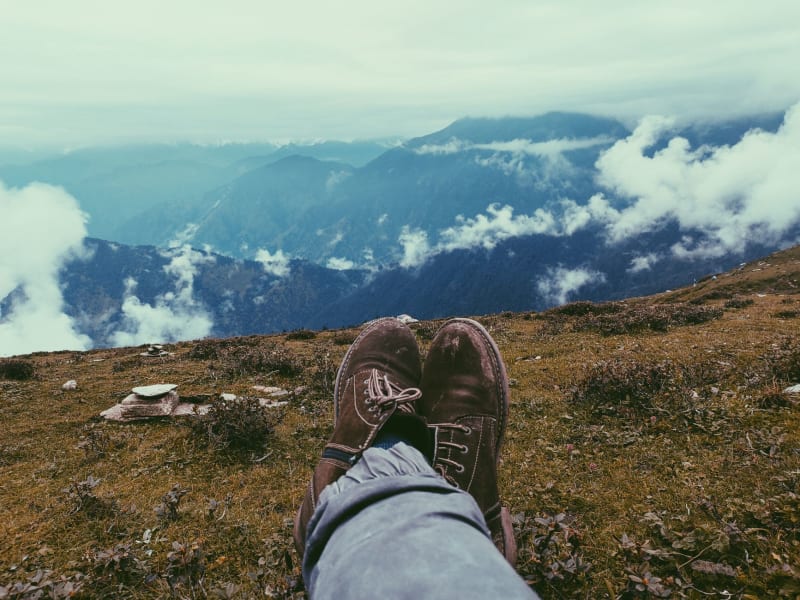 uttarakhand
 Chopta
A narrow strip of forest road at 2,680 meters in Kedarnath Wildlife Sanctuary, where rhododendrons turn the ridgeline red in spring and the trail to Tungnath — the world's highest Shiva temple — begins in silence.
Explore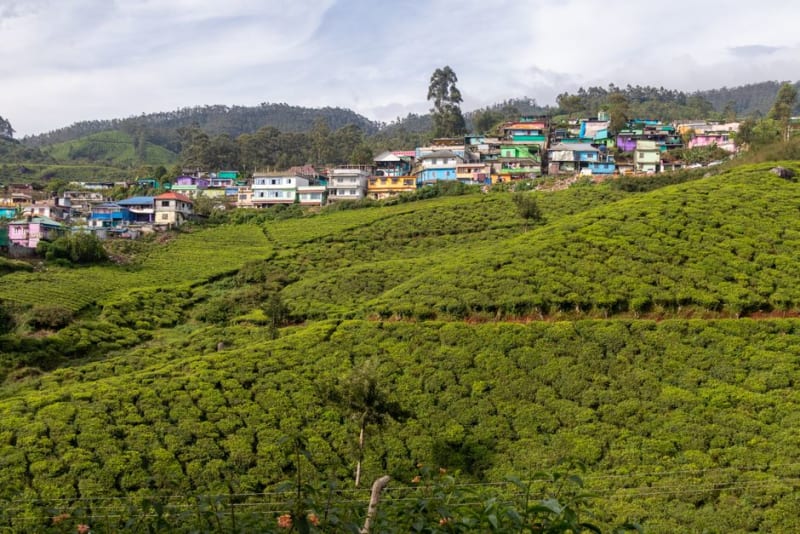 uttarakhand
 Dehradun
Uttarakhand's valley capital, wedged between the Himalayan foothills and the Shivaliks, and gateway to the Doon Valley's tea estates.
Explore